 DE / USD

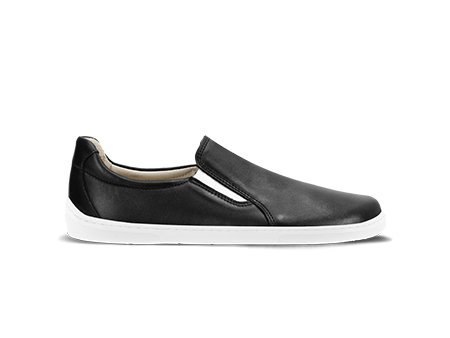
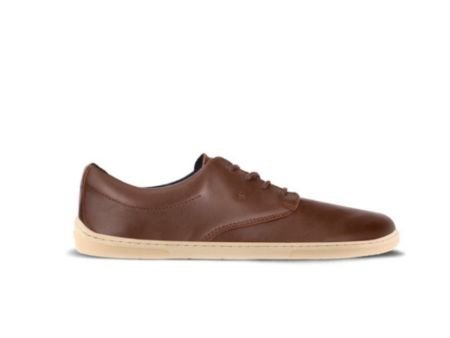
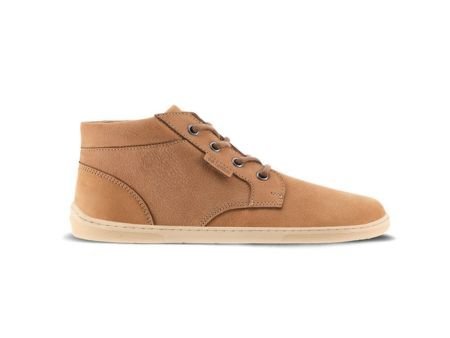
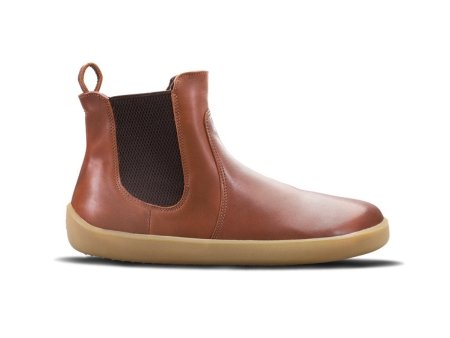
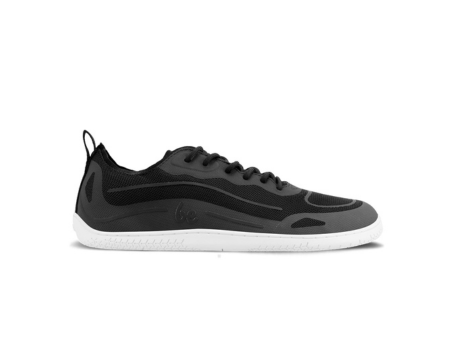
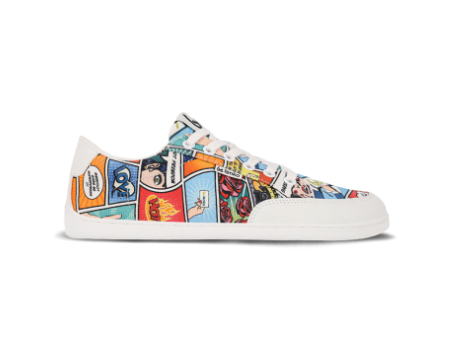
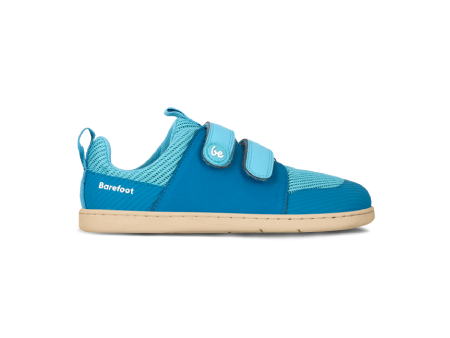
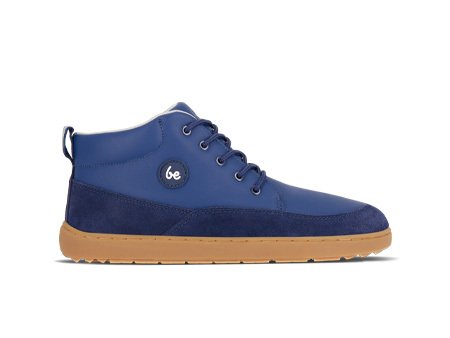


Fall Barefoot Shoes (70)
Entice


Barefoot Chelsea Boots

Barefoot Chelsea Boots

Barefoot Chelsea Boots

Barefoot Chelsea Boots
Barefoot Chelsea Boots
Barefoot Chelsea Boots
Barefoot Chelsea Boots
Barefoot Chelsea Boots
Cityscape
Barefoot Shoes
Synergy
Barefoot Shoes
Barefoot Shoes
Barefoot Shoes
Barefoot Shoes
Evon
Trailair
Trailtech
Rebound High Top
Barefoot Sneakers
ArcticEdge
Zing Frost
Winter
Winter Barefoot Boots
Winter Barefoot Boots
Winter Barefoot Boots
Rebound Thermo
UrbanEdge
Atlas
York
Barefoot Boots
Cool mornings and wet sidewalks. Fall barefoot shoes bridge the seasons with a water-repellent upper, a wide toe box and a flexible sole — light enough for September, ready for the first real rain.
Which barefoot shoes work in fall?
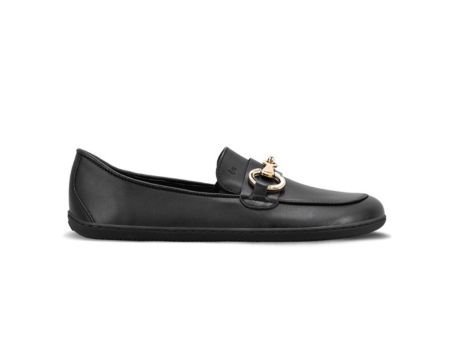
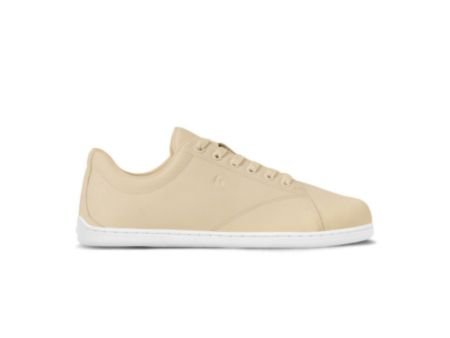
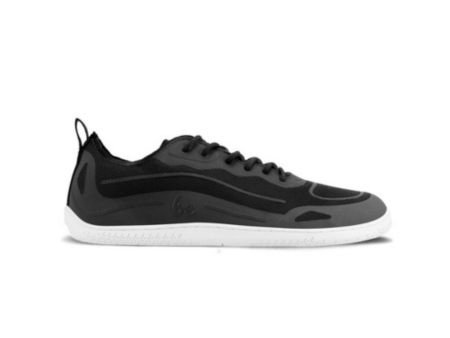
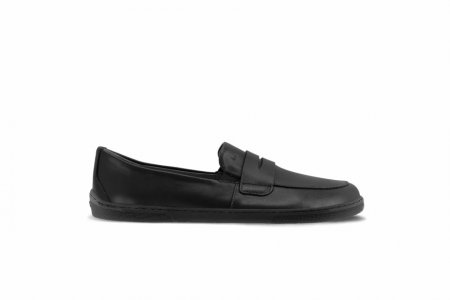
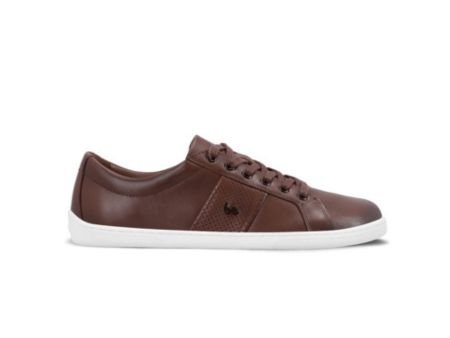
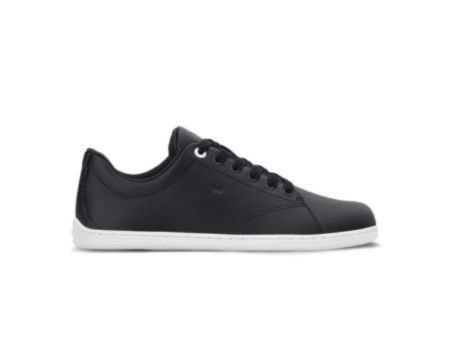
Fall rarely gets by with one kind of shoe. On warmer days in September and early October, barefoot sneakers, lighter leather models and barefoot loafers are the practical choice for work, town and daily wear.
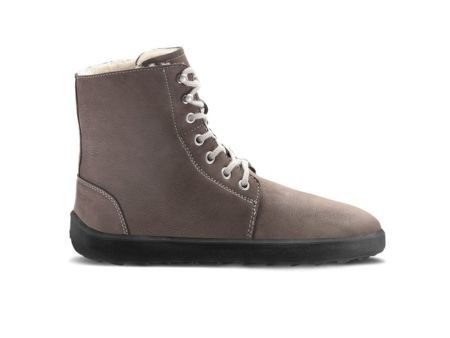
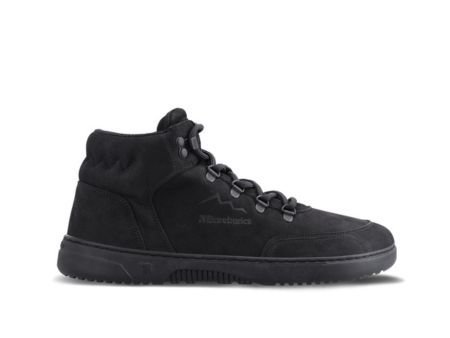
When it turns colder, ankle-height models take over and protect better against cold and damp — see high-top barefoot shoes and Chelsea barefoot boots. For rainy days, choose a water-repellent finish or a technical membrane. This category covers both ends: light transitional models and sturdier ankle boots, so fall weather does not dictate your plans.
What is the difference between fall and winter barefoot shoes?
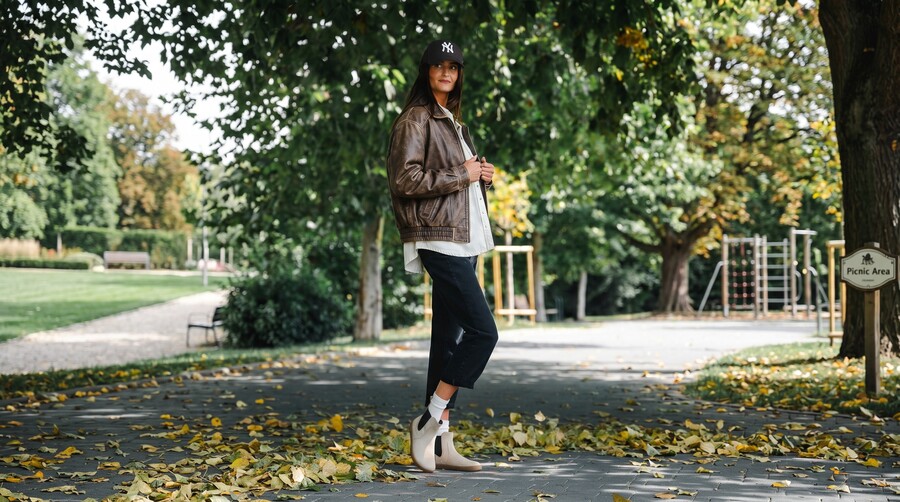
Insulation, weight and purpose. Fall models are lighter, usually without heavy insulation or with only a thin textile lining, and they suit the transitional period roughly between 40 and 70 °F (5–20 °C).
Winter barefoot shoes have a warmer lining, thermal insulation or a fleece interior and are built for cold days and temperatures below freezing. In September, or during a mild October, they are simply too warm. For the transitional months, fall models are the more comfortable and more practical choice.
Are fall barefoot shoes water resistant enough?
Fall models come with a water-repellent finish that handles moderate rain and brief contact with wet surfaces. For longer time in the rain, wet grass or more demanding conditions, reapply a water repellent regularly.
Apply it two or three times a season, and always after a real soaking. For persistently wet weather or longer walks on wet ground, choose a model with a technical membrane. After every rainy walk, let your shoes dry naturally at room temperature — never on a radiator or next to a direct heat source, so leather keeps its properties. You will find suitable products in our shoe care section.
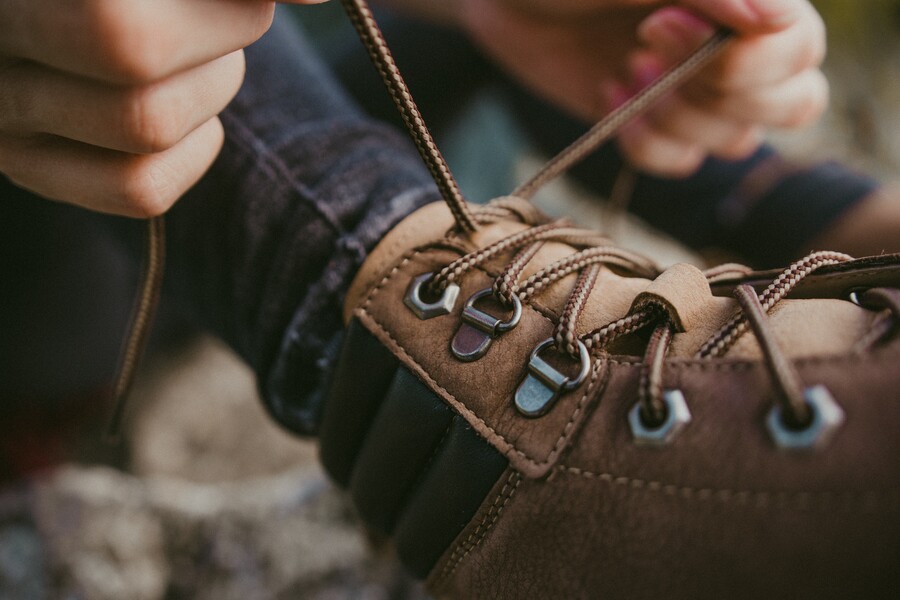
How to style fall barefoot shoes
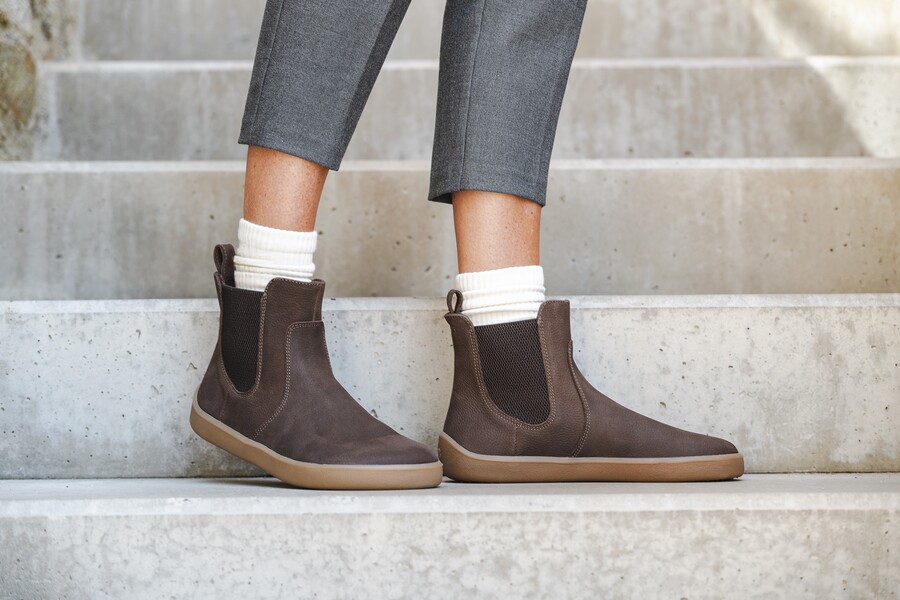
Fall models slip easily into everyday city and casual outfits. Ankle boots work with jeans, coats, sweaters, jackets and relaxed blazers — practical on days when you want comfort and a put-together look at the same time. Models like Entice Neo and Nevada Neo cover that ground.
Sneakers are the versatile choice with jeans, simple dresses, skirts with tights and looser fall combinations. Women tend to favor black and brown ankle models; men often pair ankle boots with chinos, a sweater and a jacket. For a taller, dressier silhouette on colder days, see barefoot boots. Browse by fit in women’s fall shoes, men’s fall shoes and kids’ fall shoes.
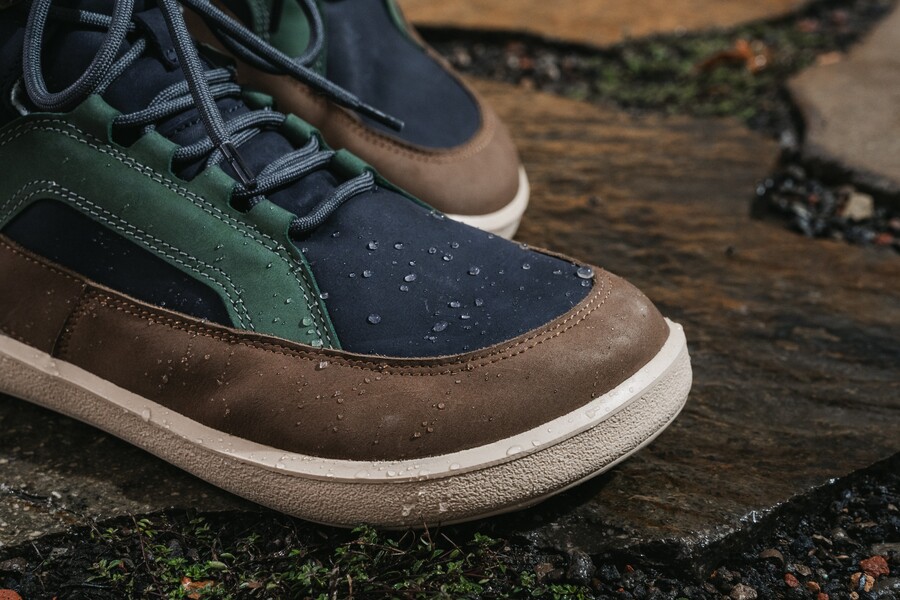
When to buy
The widest choice of sizes, colors and models is available from August through mid-September. That way you have your pair ready before the first cold mornings, the rainy days and the longer fall walks.
If you are moving from conventional shoes to barefoot, buying early is worth even more. Your feet need time to adapt to zero drop, a flexible sole and more natural movement — and the first rainy walk is not the moment to be breaking in a brand new pair.
What is the difference between fall and winter barefoot shoes?
+ -Fall models are lighter, less insulated and suited to the transitional period, usually with a water-repellent finish and comfortable roughly between 40 and 70 °F (5–20 °C). Winter models are warmer, with thicker insulation or a fleece lining, and are made for temperatures below freezing. For fall, choose the transitional models; for frost and snow, winter footwear.
Are fall barefoot shoes waterproof?
+ -They have a water-repellent finish that handles moderate rain and brief contact with wet surfaces. For longer time in the rain or more demanding conditions, reapply a water repellent two or three times a season. For very wet weather, models with a technical membrane are the better choice.
What temperatures are fall barefoot shoes good for?
+ -Roughly 40 to 70 °F (5–20 °C). Real thermal comfort depends on the specific model, the socks you wear and how much you are moving. On milder days, thin barefoot socks are enough; on cold mornings or when standing for long periods, wool or merino socks make a noticeable difference.
Which models suit beginners in barefoot footwear?
+ -Lighter fall models with a softer lining are a good starting point: ankle-height sneakers, light leather shoes or loafers. Your feet can adapt gradually to zero drop, a flexible sole and more natural movement. At the beginning, avoid very firm or heavy ankle boots, especially if you have always worn conventional shoes.