 DE / USD

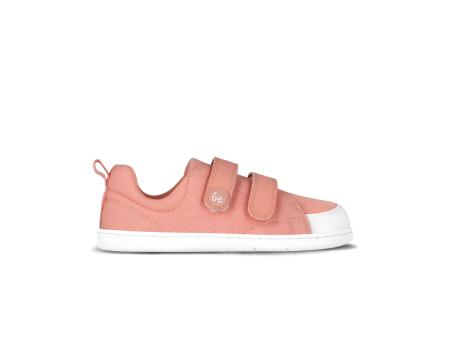

Rebound Barefoot Sneakers Put to the Test: Proven for 1,000,000 Flex Cycles
 Be Lenka
From your morning commute to meetings, school drop-offs, after-school chaos, dog walks, and quick grocery runs—your day racks up serious mileage. All those steps take a toll on your shoes fast. That’s exactly the kind of real-world pressure we build and test our sneakers for—and then some. Take our Rebound barefoot sneakers. They’ve been pushed through one million flex cycles in testing. What does that really mean? How does testing even work? And most importantly—what’s in it for you? Let’s break it down.
What you’ll learn in this article
- Why barefoot shoes need more rigorous testing
- How Rebound sneakers handle a million flexes without breaking a sweat
- Which part of the shoe takes the biggest beating
- What “one million flexes” translates to in daily wear
- How lab testing simulates real-life movement
- Why materials matter more in barefoot footwear
- How durability starts at the design phase
- Simple ways to make your sneakers last longer
Why we push barefoot shoes harder in testing
Durability shouldn’t be a guessing game—it should be proven. Most traditional walking shoes are tested for around 150,000 flexes. Barefoot shoes are a different story. They’re built to move with your foot, not restrict it. That means thinner soles, more flexible materials, and way more bending with every step. If you’re averaging 10,000 steps a day, your shoes are flexing constantly. So if barefoot sneakers are supposed to stay flexible, they also need to be tough. That’s why we test ours to at least 500,000 cycles—and in some cases, double that.

Rebound sneakers: built to go the distance
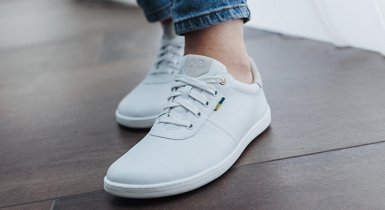
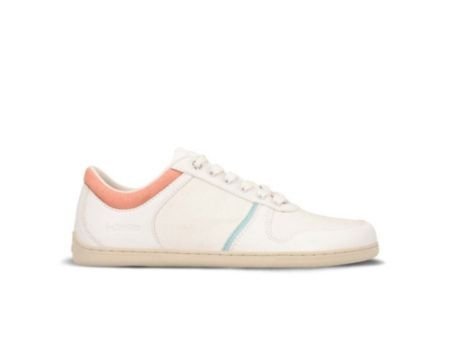
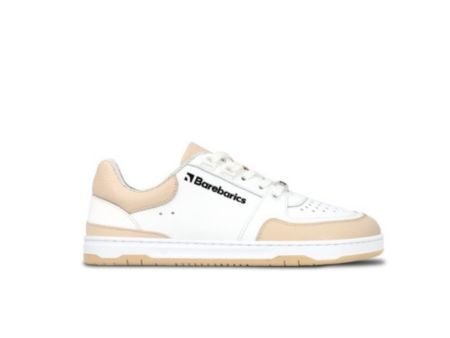
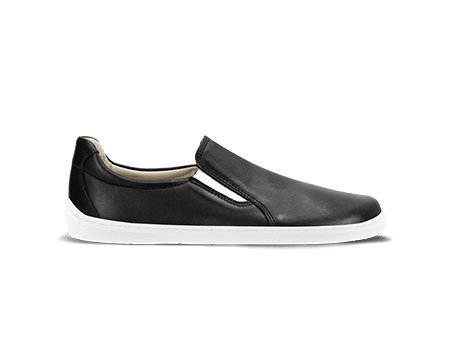
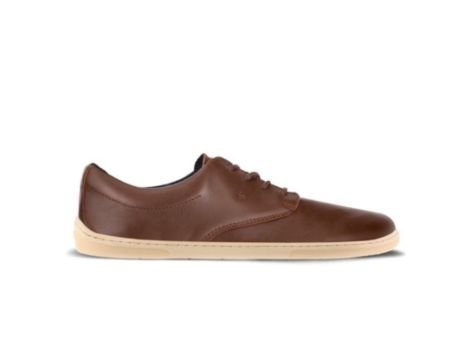
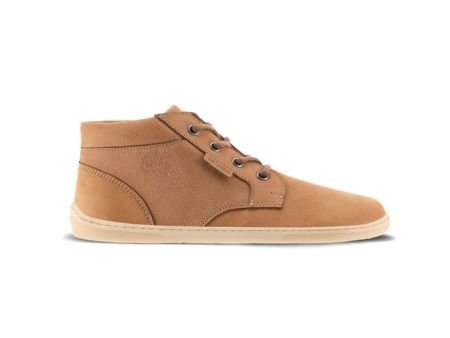
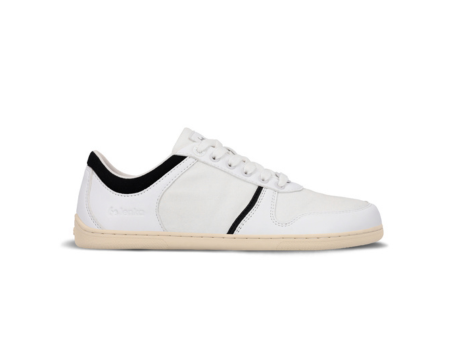
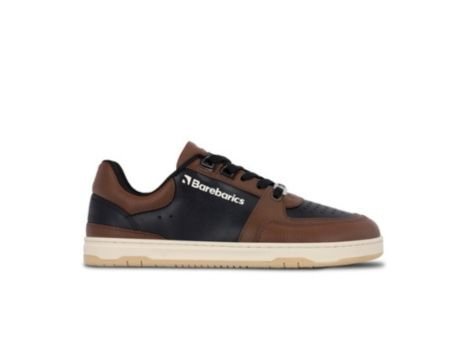
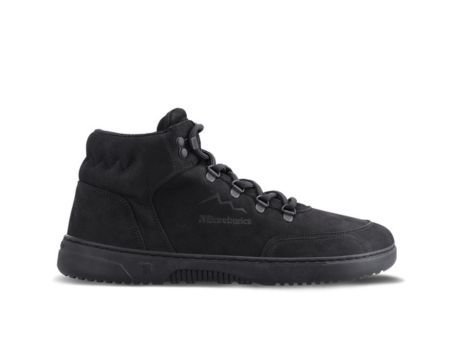
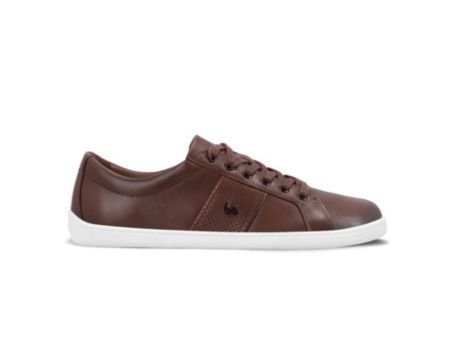
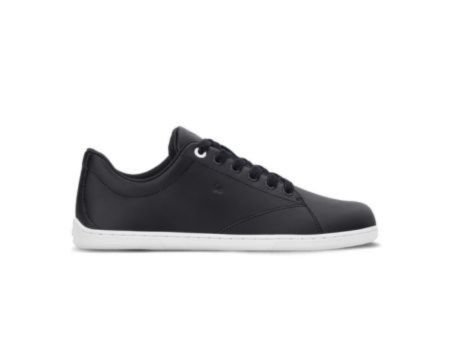
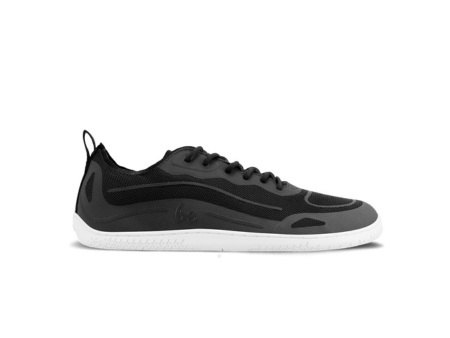
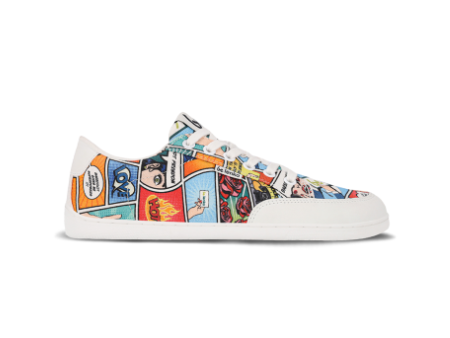
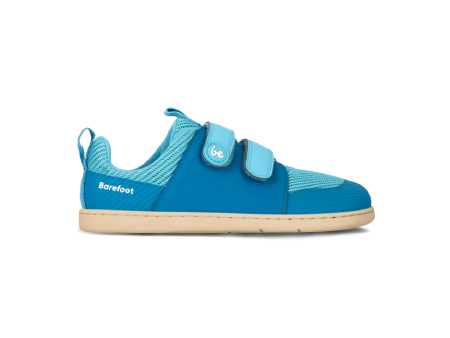
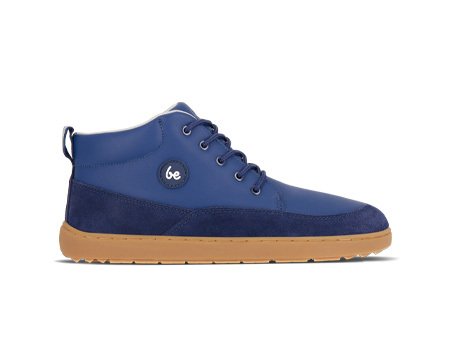
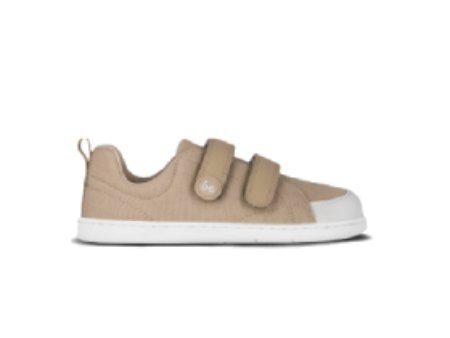
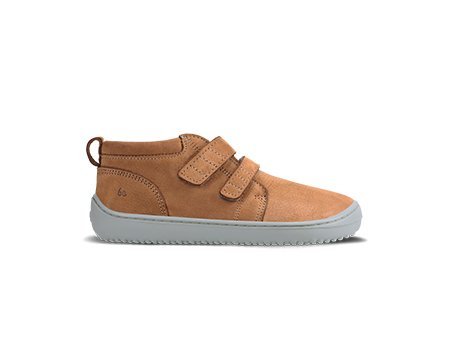
Rebound barefoot sneakers are designed to be your everyday go-to. They look just as good with a polished outfit as they do with something laid-back, and they’re made to keep up with packed days and nonstop movement. The sole is flexible but tough enough to support natural motion mile after mile. The textile upper keeps its shape over time—no cracking, no peeling. We wear them ourselves, and we stand behind them. That’s why we offer a guarantee on the flex zone. If they crack where the shoe bends, we’ll swap them out for a new pair. Simple as that.

Where your shoes take the most stress
If there’s one “weak spot” in any shoe, it’s the flex zone—the area right under your toes. Every step puts this part through a cycle: bend, straighten, repeat. Over and over again. If a shoe can survive a million of those cycles, it’s ready for real-life wear.
At the same time:
- The sole is constantly hitting different surfaces
- The upper adjusts to your foot’s movement
All these components need to work together so the shoe stays comfortable—even after thousands of steps.

What a million flexes actually means
Think of one million flexes as a simulation of a shoe’s lifespan.
Each step you take bends the shoe at the same point. In the lab, we recreate that exact motion again and again. During testing, we check for:
- Cracks in the sole
- Separation between sole and upper
- Damage in the flex zone
- Loss of flexibility
If a barefoot sneaker passes without issues, it’s a strong sign it’ll hold up through multiple seasons of everyday use.
A million flexes simulate what happens to a shoe throughout its lifespan. With every step, the flex zone bends intensively. The laboratory test recreates this exact movement. During testing, we monitor whether the sole cracks, whether it separates from the upper, and whether the material in the flex area remains intact. It is equally important that the shoe retains its flexibility.
If barefoot sneakers pass this test without damage, it means they are ready to go through several seasons with you without visible wear.

How sneaker testing works behind the scenes
Testing happens in controlled lab conditions.
The shoe is secured in a machine that repeatedly bends it at the flex point—sometimes up to a million times. The angle of the bend is around 60 degrees, which mirrors how your foot naturally moves.
While the machine does its thing, technicians keep a close eye on how:
- The sole performs
- The upper reacts
- The connections between parts hold up
This process helps catch even tiny weaknesses before the shoes ever reach your feet.
Testing takes place under controlled laboratory conditions. The shoe is fixed into a device that repeatedly bends the flex zone.
This motion is repeated hundreds of thousands up to one million times. The bending angle is approximately sixty degrees, which reflects the natural movement of the foot. During the process, technicians observe how the sole, the upper material, and the connections between individual parts respond.
This type of testing helps reveal even minor weaknesses before the shoes ever reach you.

Why materials matter more than you think
In barefoot shoes, materials make all the difference. They need to be soft enough to support natural foot movement, yet durable enough to withstand thousands of flexes. Breathability is just as important, as it increases comfort throughout the day. When you wear your shoes from morning to evening, small details make a big difference.
With some materials, especially leather, fine creases may appear over time. This is completely natural. The shoe adapts to the movement of the foot, and the material responds to repeated bending. What matters is that the material does not crack.
We build durability into our sneakers from the very first design stage
Testing matters, but it is only one part of the bigger picture. Our designers and technologists review every detail long before the first prototype is made. During development, we do not focus only on looks or comfort. We already consider how the shoe will perform after thousands of steps, how it will handle repeated bending in the flex zone, and how long it will maintain its functionality.
The rubber compound of the sole also plays a key role. We develop it to be flexible enough to support natural foot movement, yet highly resistant to wear. During production, we focus on abrasion resistance, reliable grip, and stability across different surfaces.

How to extend the lifespan of your barefoot sneakers
Barefoot sneakers last longer when you take proper care of them. Their durability is mainly influenced by three factors:
1. Correct shoe size
If barefoot sneakers are too large, the foot moves inside the shoe and creates friction. This can damage the insole and inner materials.
If they are too small, the material is constantly under tension. It stays under pressure and can crack more quickly. In both cases, the lifespan of the sneakers is reduced.
2. Rotating your shoes regularly
With everyday wear, sneakers naturally wear out faster. That is why it is ideal to have at least two pairs and rotate them.
3. Proper sneaker care
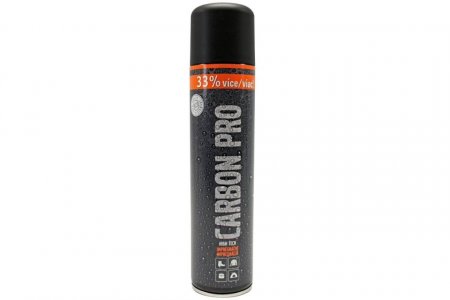
Clean your sneakers according to the recommended care instructions and use products available in our offer. After each wear, it is also advisable to remove the insoles and let them dry. It is also recommended to replace insoles more frequently to maintain hygiene and ensure lasting comfort while walking.

Rebound in modern colors and playful designs
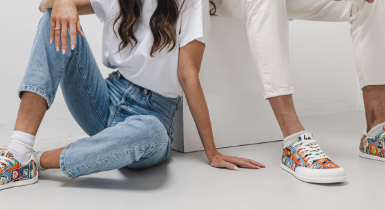
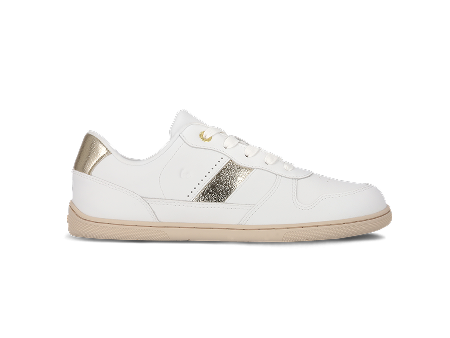
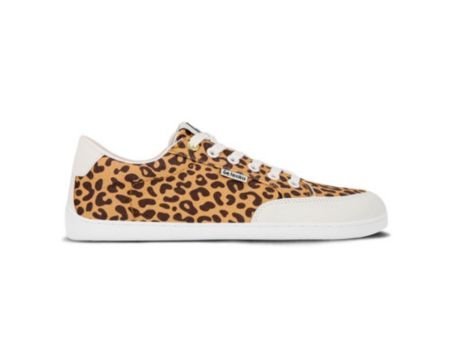
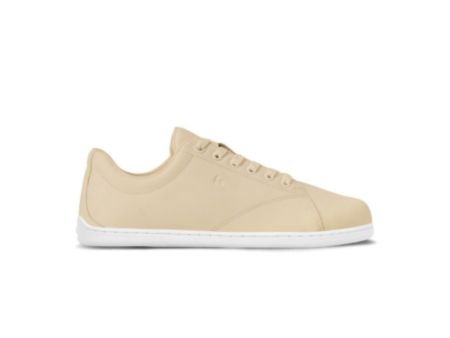
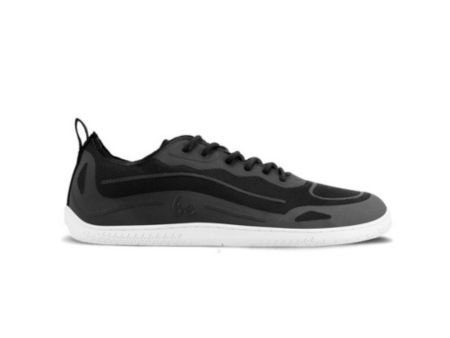
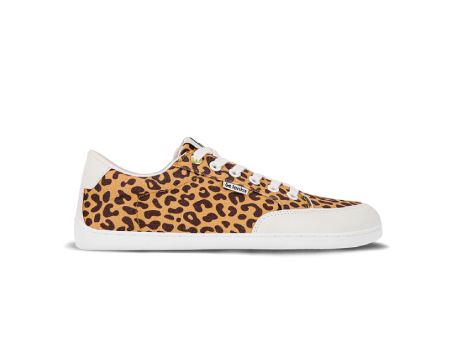
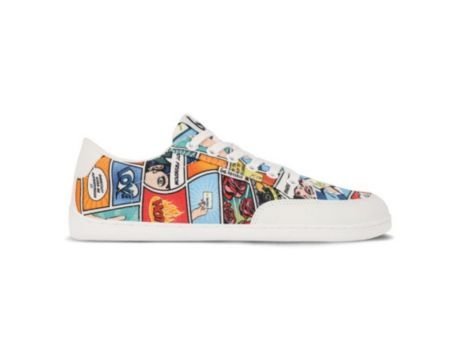
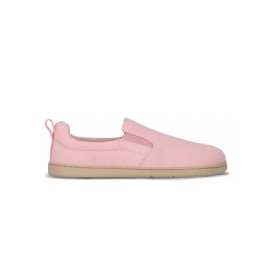
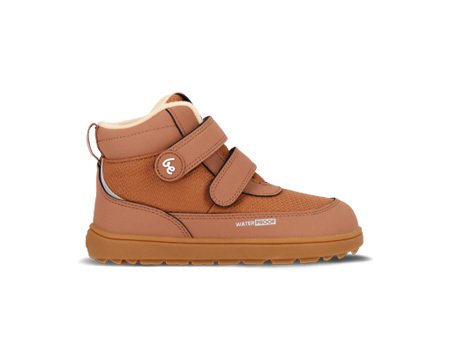
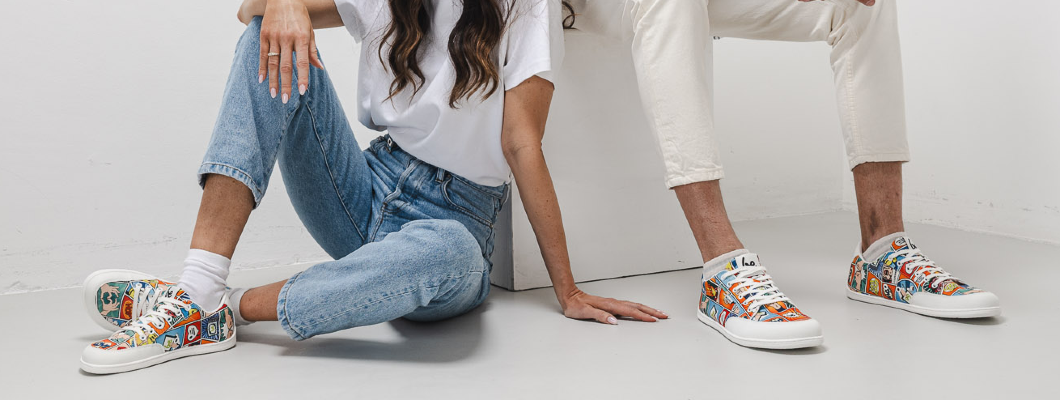
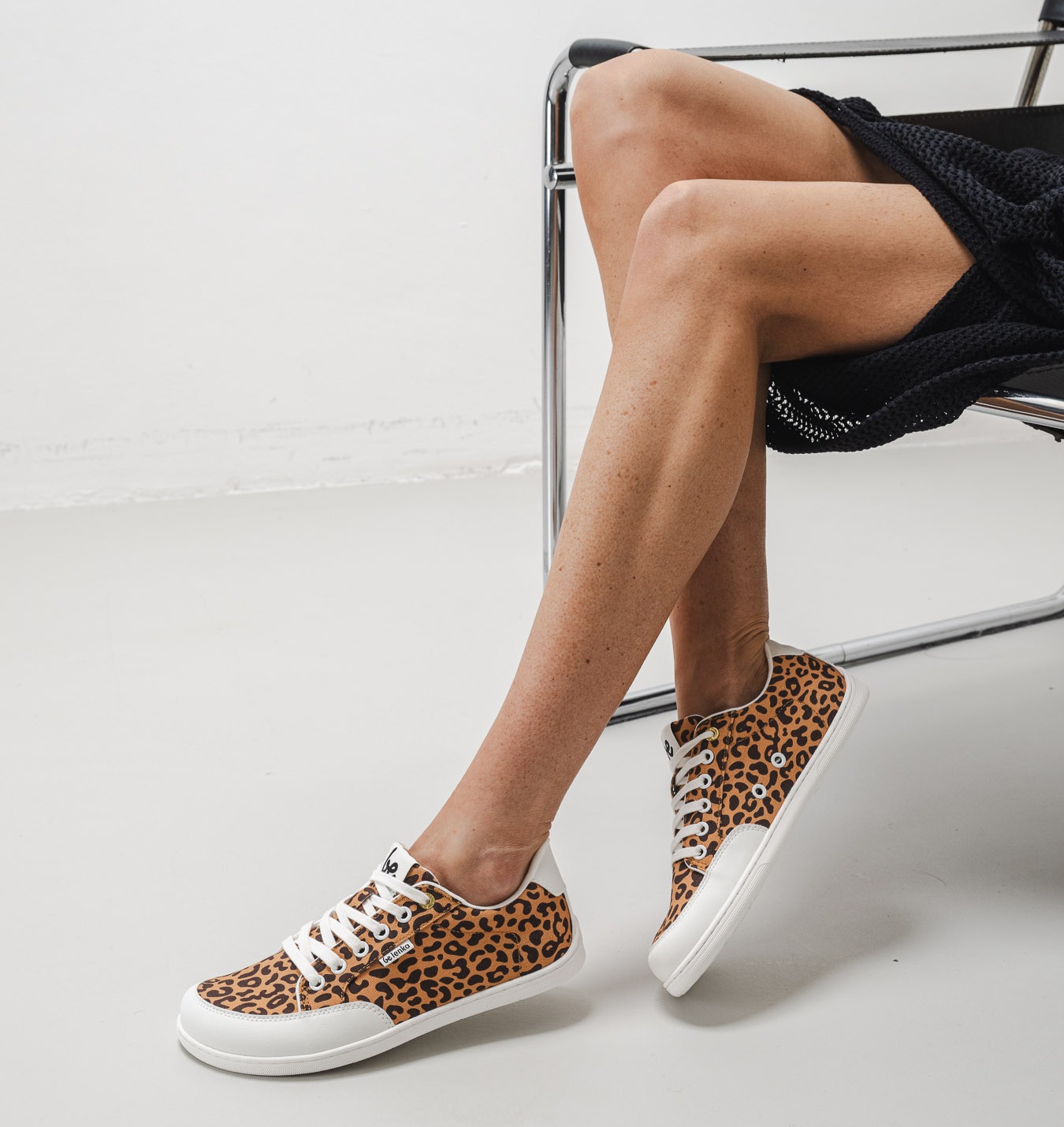
Rebound sneakers have become a favorite for a reason, which is why you can find them on our website in a range of timeless modern colors that fit perfectly into a stylish capsule wardrobe. We have also thought of days when you want something more expressive, with playful comic or animal inspired patterns. Their design is versatile and brings life to any outfit, wherever you are headed.
Find your size using our sizing guide
Explore the current barefoot sneaker collection
Contact us if you need advice
Sources
Warne , J. P., Gruber, A. (2017). Transitioning to Minimal Footwear: a Systematic Review of Methods and Future Clinical Recommendations. National library of medicine.
Mosain, G., et al. (2020). The influence of footwear on walking biomechanics in individuals with chronic ankle instability. Journals plos one.
How long do barefoot sneakers last?
+ -It depends on how often you wear them and how well you care for them. With the right fit and regular maintenance, a quality pair can easily last multiple seasons.
Why do barefoot shoes bend more than regular ones?
+ -They’re designed with thinner soles and flexible construction to mirror how your foot naturally moves—so they bend where your foot bends.
Are wrinkles in the material a bad sign?
+ -Not at all. Especially with leather, light creasing is totally normal and expected.
Why is getting the right size so important?
+ -Because it prevents unnecessary stress on the materials and reduces friction inside the shoe—both of which directly impact durability.
Do you think others should know about this too?
Share it :)