 DE / USD



Barefoot Insoles (6)
Insoles



You have seen 6 of 6 products
Customer reviews on Trustpilot
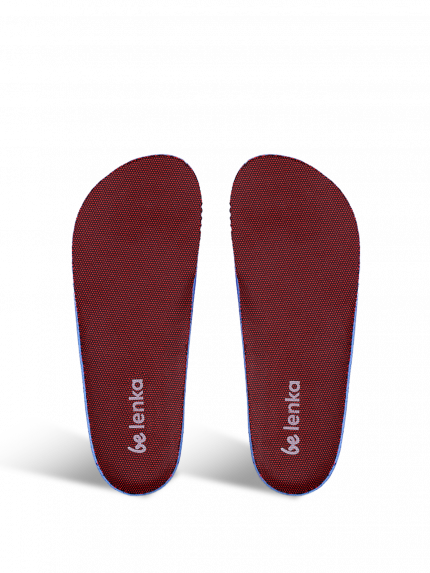
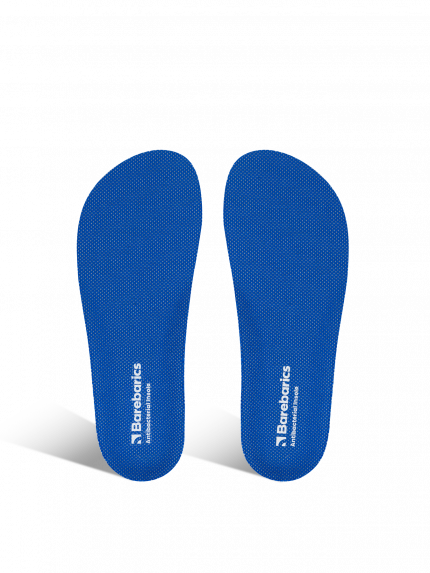
Be Lenka insoles round out our barefoot range. They wick moisture reliably, which helps keep the inside of your shoes fresh, and add a pleasant feel underfoot — for everyday wear and for winter models.
Thin on purpose
A barefoot shoe works because of what it leaves out: thickness, arch support, a raised heel. An ordinary cushioned insole puts all three back and quietly turns a barefoot shoe into a conventional one. Barefoot insoles are built the other way around. They stay thin and flat, so your toes keep their room, the sole keeps its flexibility and your heel stays level with your forefoot. What they add is comfort underfoot and moisture management, not structure.
What they are good for
Freshness is the main one. An insole absorbs moisture and can be taken out, aired and replaced, which does more for the inside of a shoe than anything else you can do. If you wear one pair often, that alone is worth it. They also help in winter, where a wool or felt insole adds a layer of warmth between your foot and a cold sole — useful in winter barefoot shoes and snow boots on the coldest days. And on hard floors, a thin insole takes a little of the edge off concrete without changing how the shoe fits.
Fitting them correctly
Check the thickness first. An insole that is too thick takes up the room your toes need and makes a well-fitting shoe feel tight, especially at the front. If a pair fits you exactly, adding an insole may mean going up a size. Most insoles can be trimmed to size using the outline of the original insole as a template. Cut a little at a time rather than all at once, and always remove the shoe’s existing insole first rather than stacking one on top of the other. See the rest of the range in barefoot accessories and shoe care.
Do barefoot shoes need insoles?
+ -No. Barefoot shoes are designed to work without them, and every pair comes ready to wear. An insole is an option, not a requirement — most people add one for freshness, for extra warmth in winter or for a little more comfort on hard floors.
Can I use orthotic insoles in barefoot shoes?
+ -Regular arch-support orthotics work against what a barefoot shoe is for: they raise the heel, fill the space under the arch and reduce the flexibility of the sole. If you have been prescribed orthotics by a doctor or podiatrist for a specific condition, follow that advice and discuss the switch to minimalist footwear with them. Otherwise, choose a thin insole made for barefoot shoes.
Will an insole change how my shoes fit?
+ -It can, which is why thickness matters. A thin barefoot insole usually makes very little difference, but any insole takes up some volume, mostly at the front and over the instep. Always remove the existing insole before adding a new one, and if your shoes fit exactly, expect them to feel a little snugger.
How often should I replace insoles?
+ -When they flatten out, start to smell despite airing, or wear through at the heel or ball of the foot. For daily wear that is usually once or twice a year. Taking them out to air after long days extends their life considerably, and rotating between two pairs of shoes helps just as much.