 DE / USD

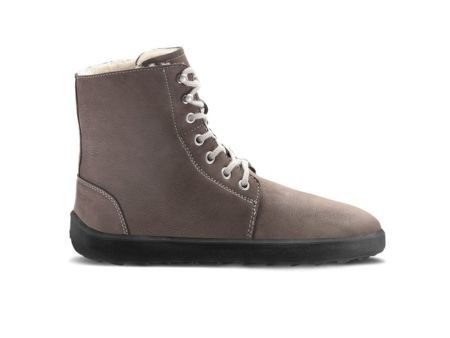
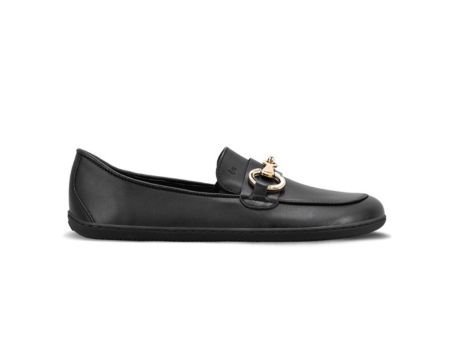
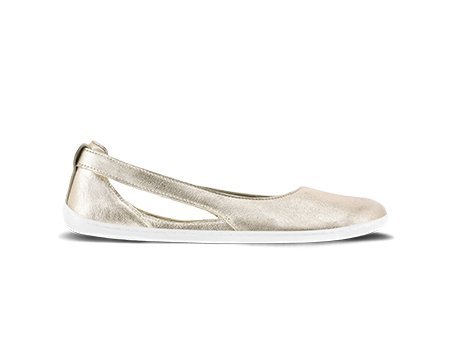
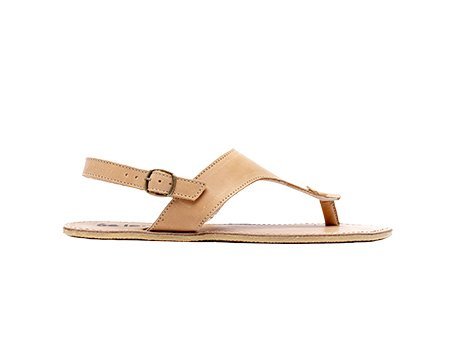
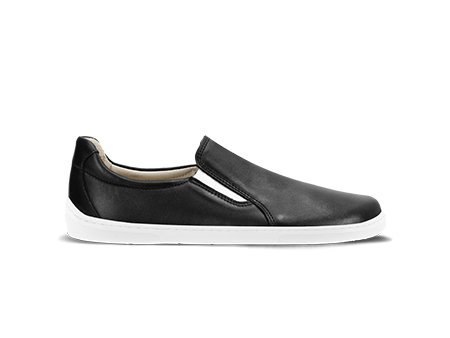
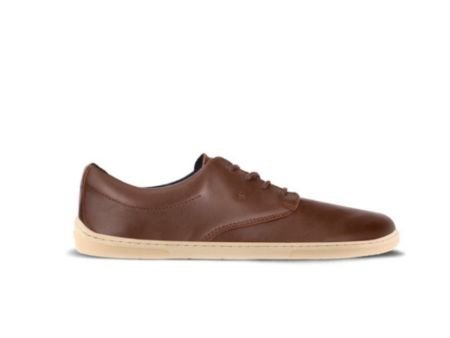
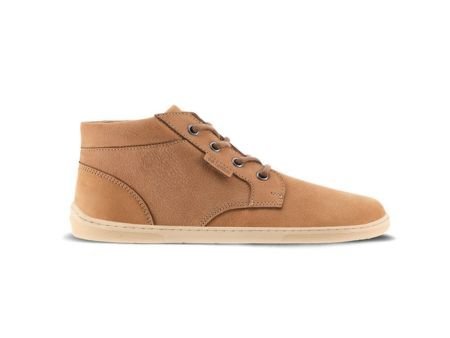
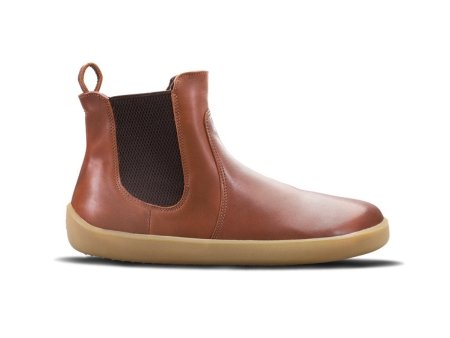
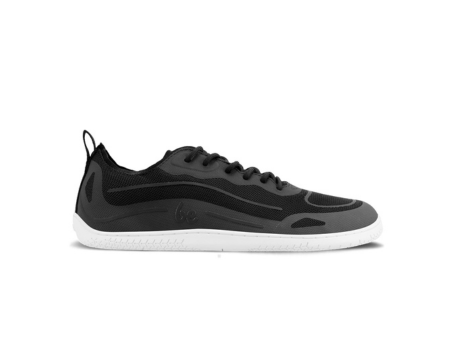
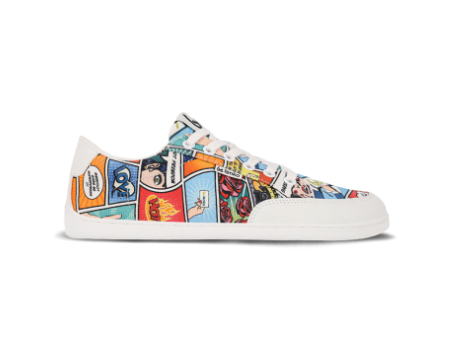
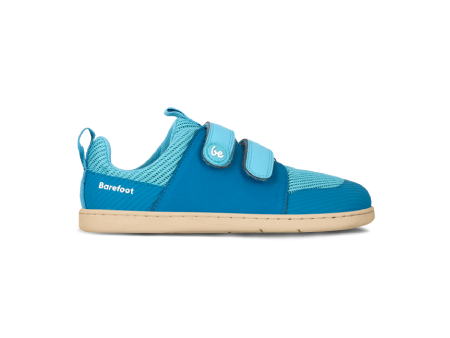
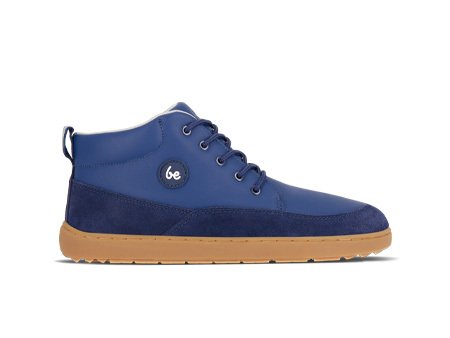


Women's Barefoot Ankle Boots and High Tops (39)
Entice


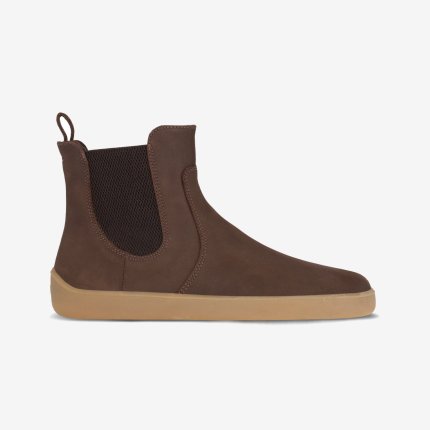
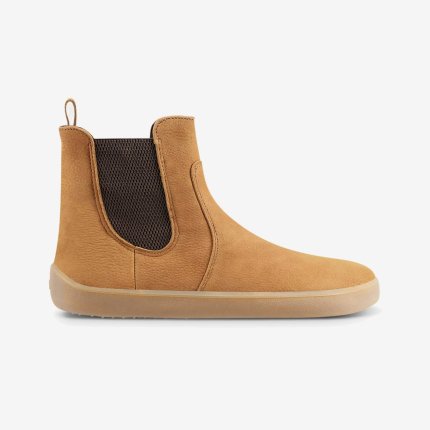
Barefoot Chelsea Boots

Barefoot Chelsea Boots
Barefoot Chelsea Boots
Barefoot Chelsea Boots
Barefoot Chelsea Boots
Barefoot Chelsea Boots
Barefoot Chelsea Boots
Barefoot Chelsea Boots
Synergy
Barefoot Shoes
Barefoot Shoes
Barefoot Shoes
Barefoot Shoes
Rebound High Top
Barefoot Sneakers
ArcticEdge
Winter
Winter Barefoot Boots
Winter Barefoot Boots
Winter Barefoot Boots
Winter Barefoot Boots
Rebound Thermo
UrbanEdge
Atlas
PolarStride
Snowfox Woman
Winter Barefoot Boots
Glam
Allure
You have seen 39 of 39 products
Customer reviews on Trustpilot
A higher cut gives your ankle more coverage on cold or uneven days, without making the shoe stiff. Above the ankle, still flexible, still wide across the toes.
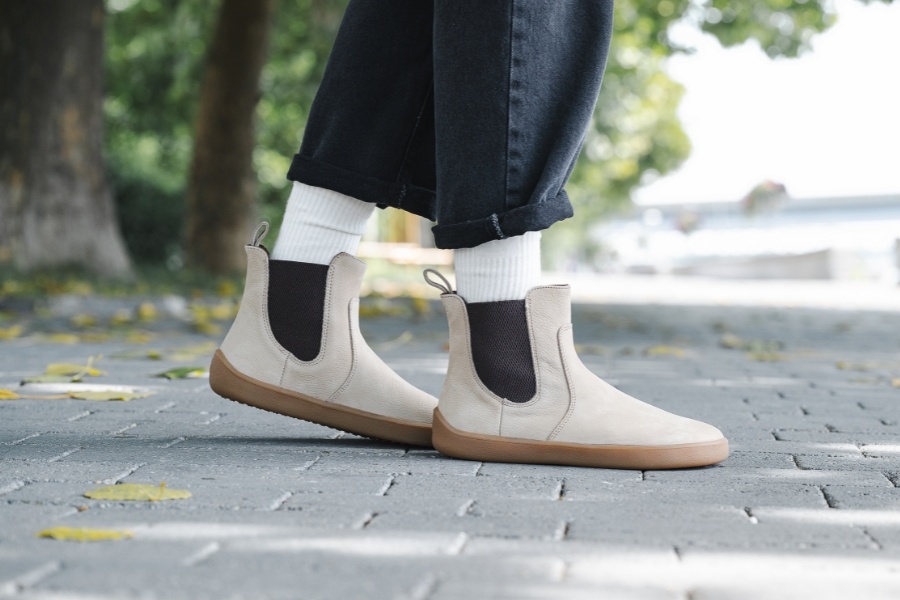
Coverage, not restriction
A low shoe leaves your ankle exposed to wind, rain and the splash from a wet sidewalk. A higher cut keeps all three out and stops grit getting in, which matters on a gravel path as much as on a city street. What a barefoot ankle boot does not do is brace your foot. The sole stays flexible, the toe box stays wide, and the materials stay soft around the ankle. Covered rather than held — the difference from a supportive hiking boot.
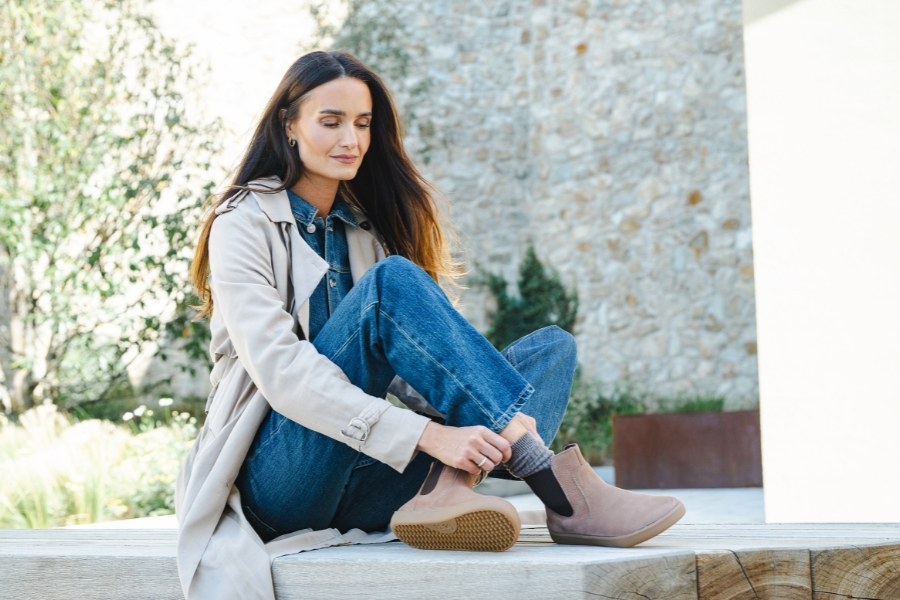
Ankle boots or high-top sneakers?
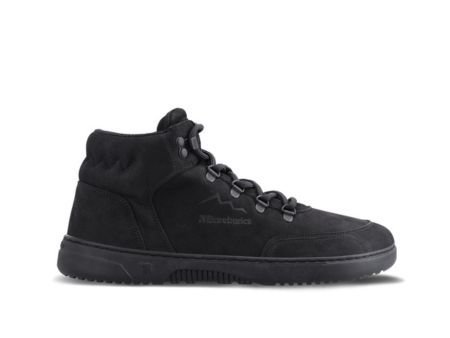
Both live here and they suit different days. High-top sneakers keep a casual look and work with jeans and everyday outfits; Rebound High Top is the light textile version and Barebarics UrbanEdge adds a waterproof membrane and insulation for real winter weather. Ankle boots lean dressier and more protective, usually in leather, and pair better with coats, dresses and tailored outfits. Entice Neo and Nevada Neo cover that end. For a pull-on design, see Chelsea boots; for taller shafts, tall boots.
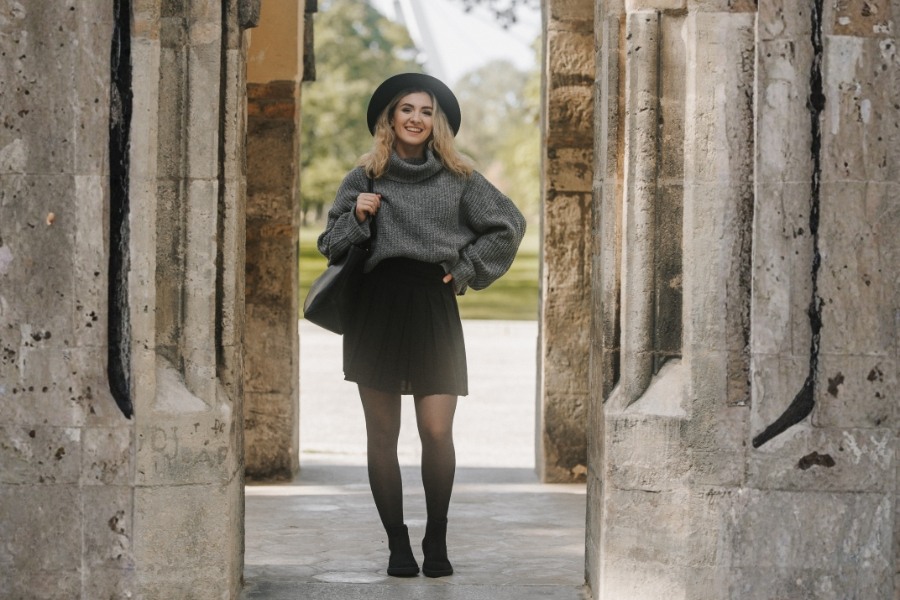
The transitional pair
Cool mornings, mild afternoons and unpredictable rain are exactly what this category is for — warmer than a sneaker, lighter than a winter boot. It carries you from early fall until the first real frost, and back again in spring. See fall shoes and spring shoes for the rest of those seasons.
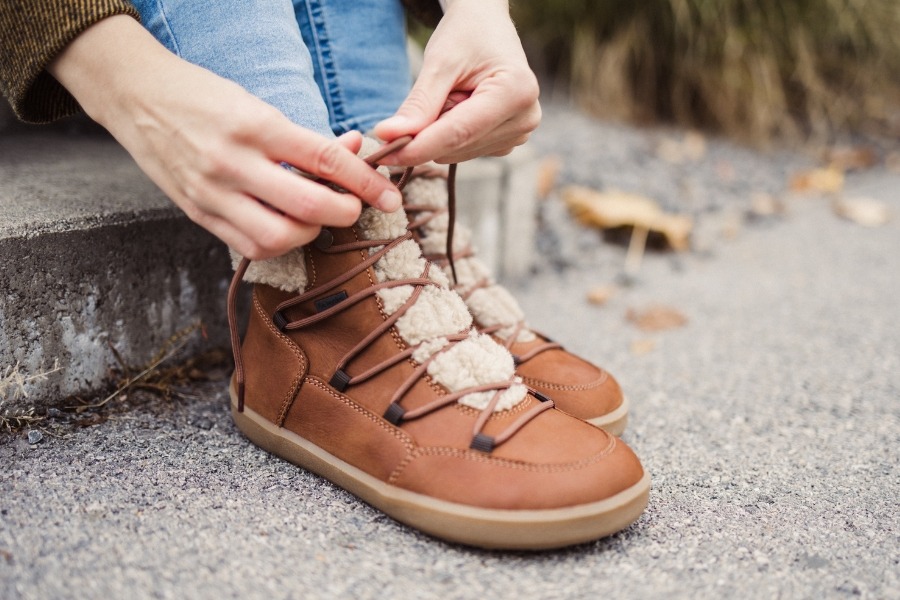
Do ankle boots restrict ankle movement?
+ -No. The higher cut is for protection from weather and debris, not for support. The materials stay soft and the sole stays flexible, so your ankle moves freely — which is the difference from a stiff hiking boot built to limit movement.
Are high tops warmer than low-cut shoes?
+ -Generally yes, since less of your foot and ankle is exposed. How warm a specific pair is depends on the lining and the material: a textile high-top sneaker is only slightly warmer, while an insulated ankle boot is a proper cold-weather shoe. Check the model page for insulation and membrane details.
What size should I order?
+ -Measure your foot rather than relying on your usual US size, and leave room at the front if you will wear thicker socks in cold weather. Your toes should not touch the front and your heel should sit securely without lifting. When trying them on, check the fit at the toes, over the instep and around the ankle opening.
Can I wear them in the rain?
+ -Models with a treated upper handle light rain and wet sidewalks, and some come with a membrane for wetter conditions. Reapply a water-repellent spray a few times a season. After a soaking, let them dry at room temperature rather than near a heat source.