 DE / USD

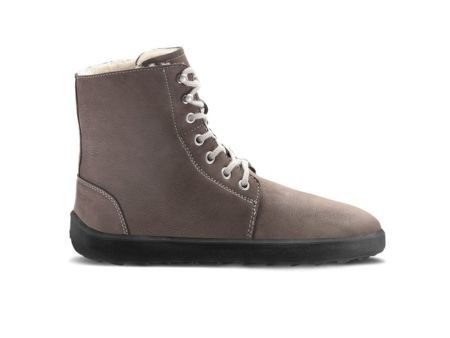
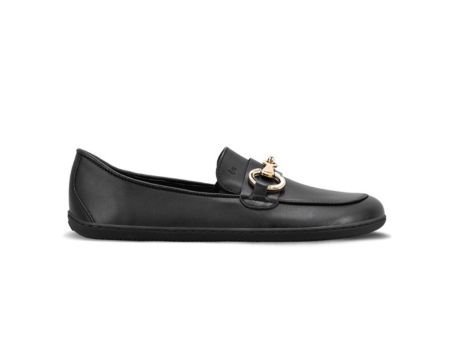
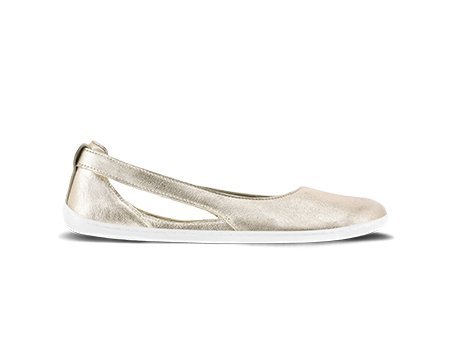
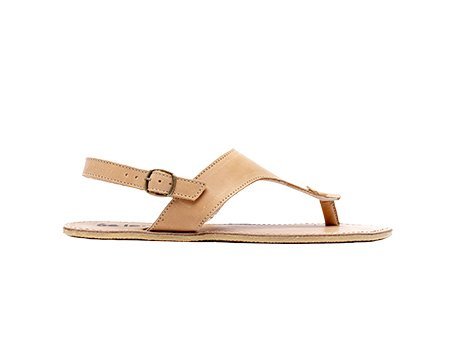
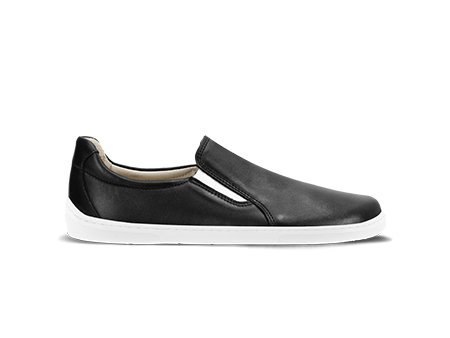
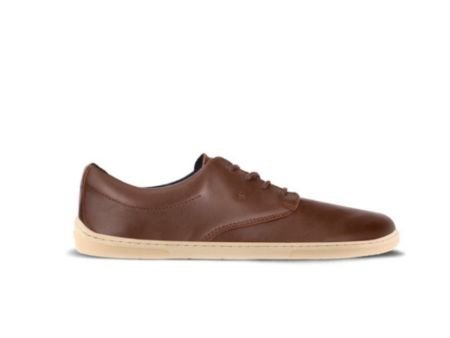
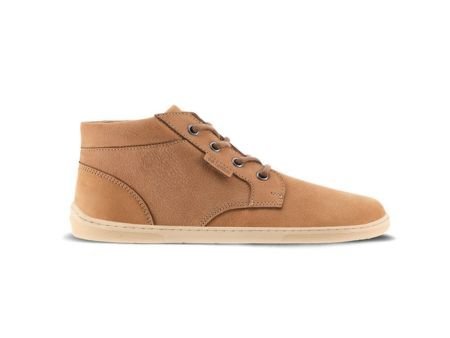
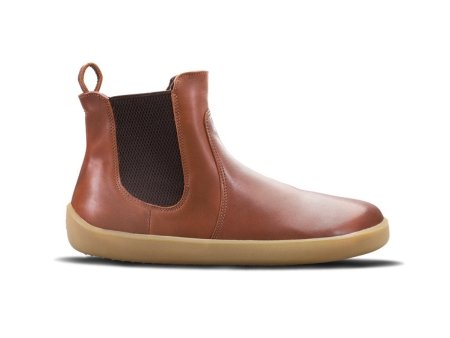
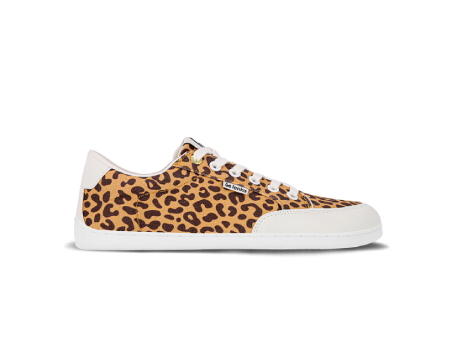
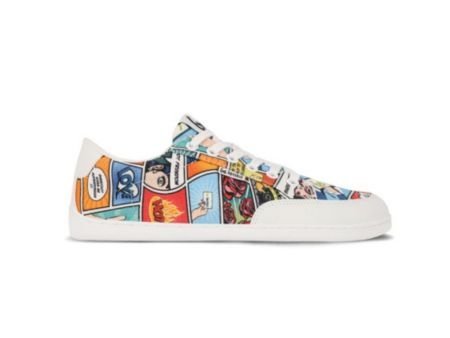
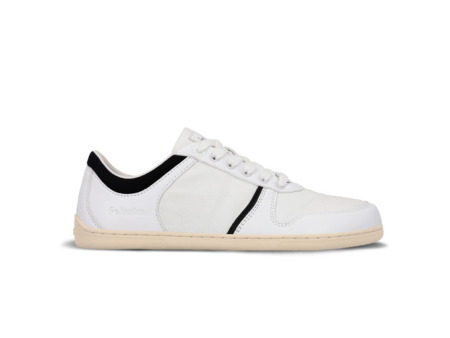
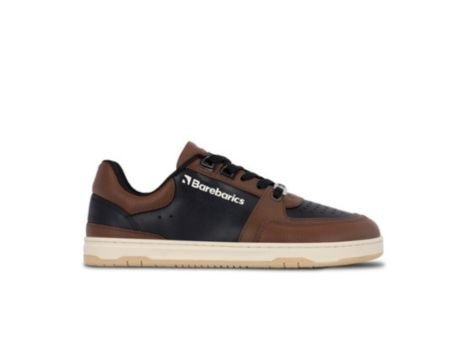
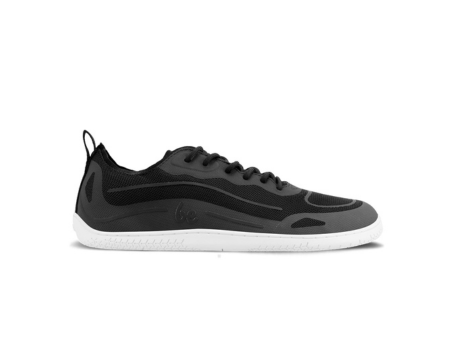
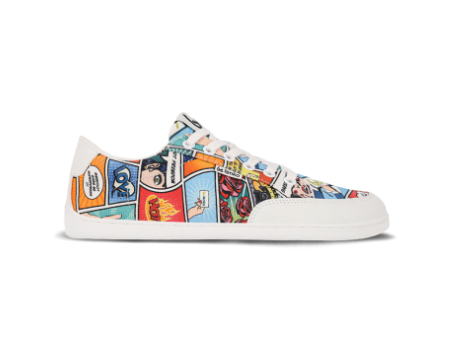
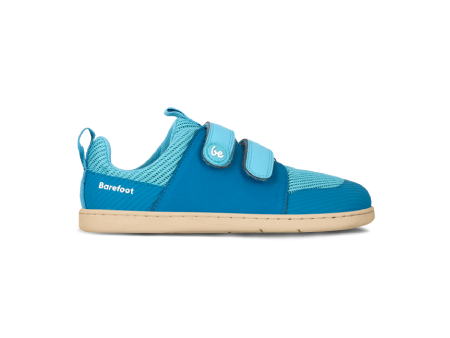
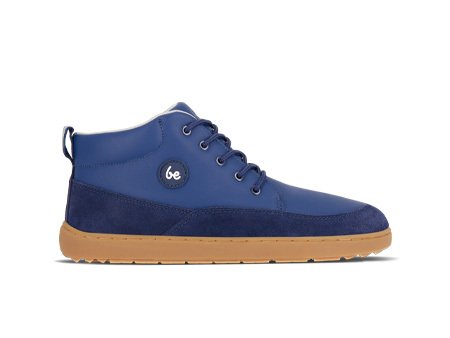
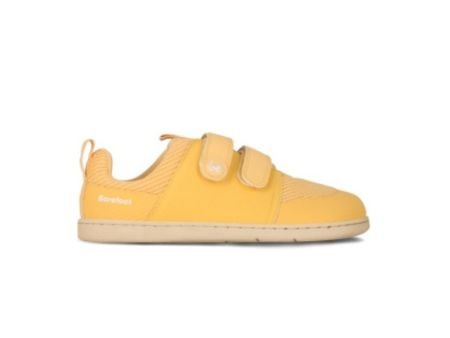
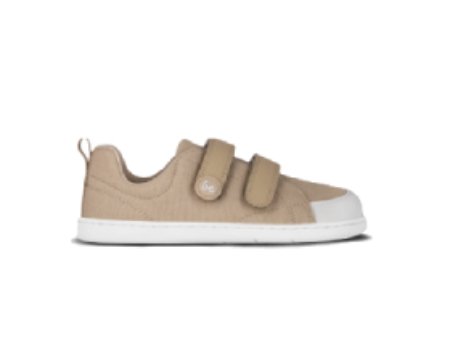
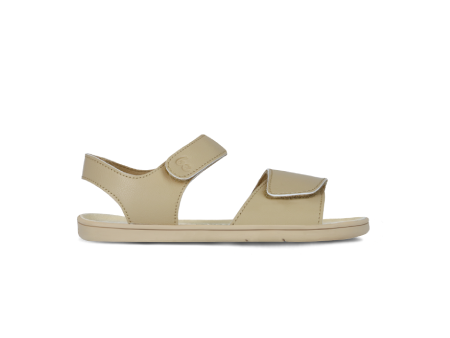


Men's Spring Barefoot Shoes (78)

Zing



Rebound
Wave
Cityscape
Barefoot Shoes
Synergy
Barefoot Shoes
Barefoot Shoes
Barefoot Shoes
Barefoot Shoes
Zing - Vegan
Barefoot Sneakers
Echo
Core
Cellestia
Barefoot Sneakers
Velore
Customer reviews on Trustpilot
Mild afternoons, cold mornings, wet sidewalks. Lighter than winter boots but still closed and water-repellent, with room for your toes and a sole that bends.
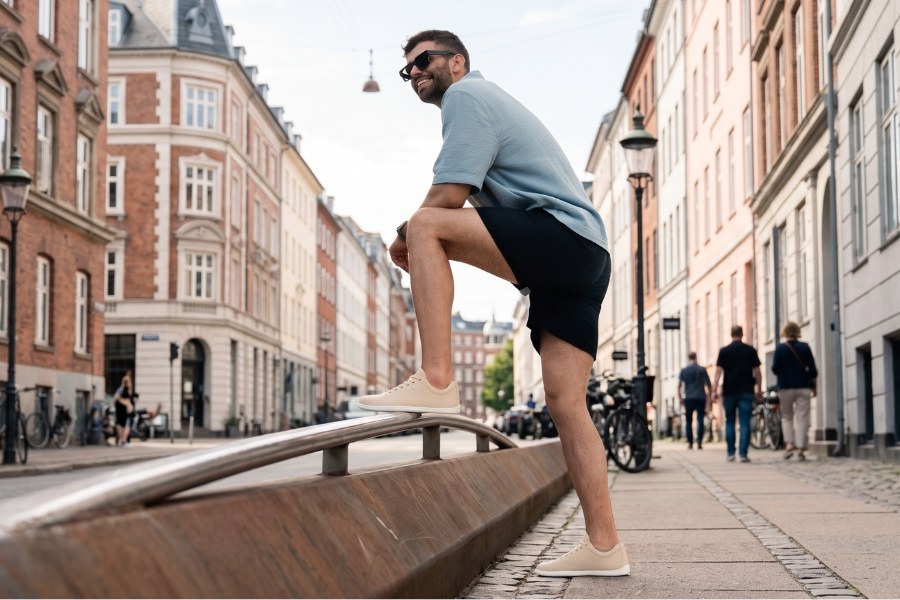
Weather that changes by the hour
Spring rarely gives you one kind of day. A cold morning turns into a mild afternoon, a dry week ends in three days of rain, and the ground stays wet long after the air warms up.
That is the job of the transitional pair: light enough for the sun, closed and treated enough for the puddles. Look for a breathable upper that still blocks wind, a water-repellent finish for wet ground, and enough tread for soft footing. Insulation is what you drop — a winter boot in April is simply too warm.
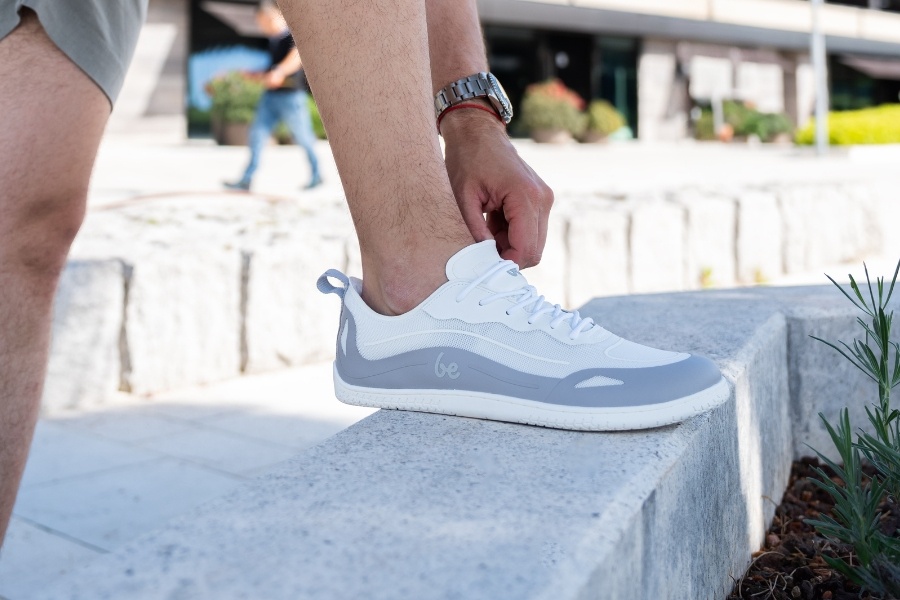
What works in spring
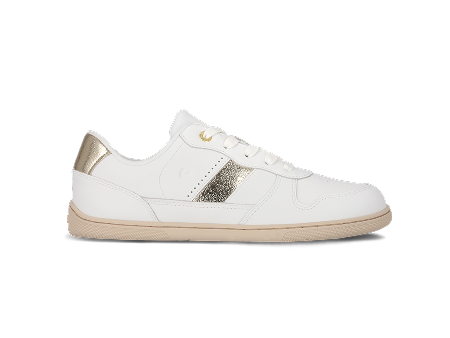
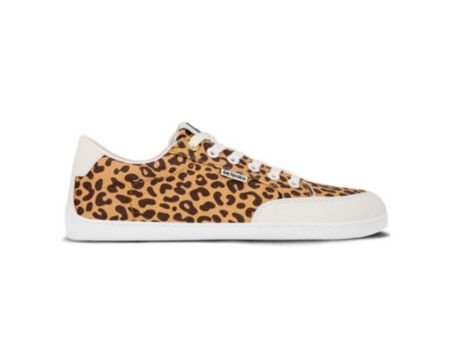
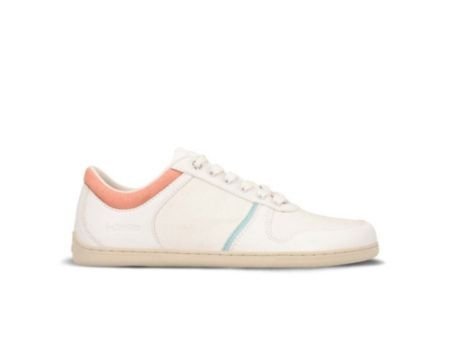
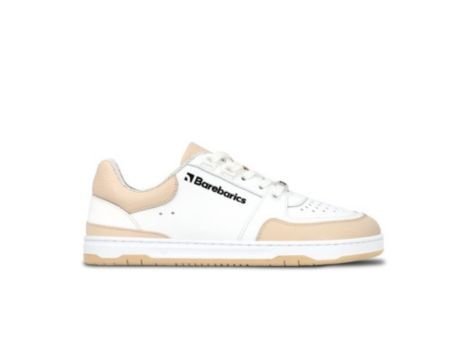
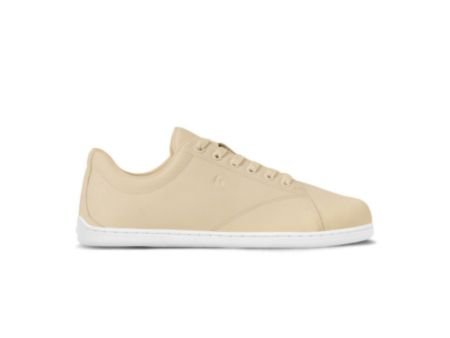
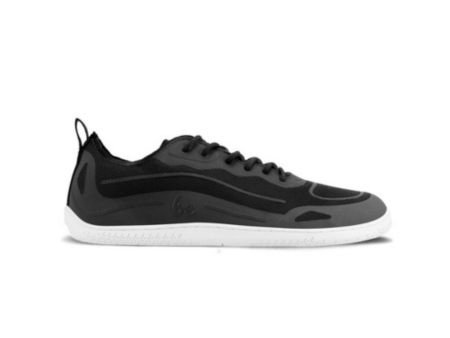
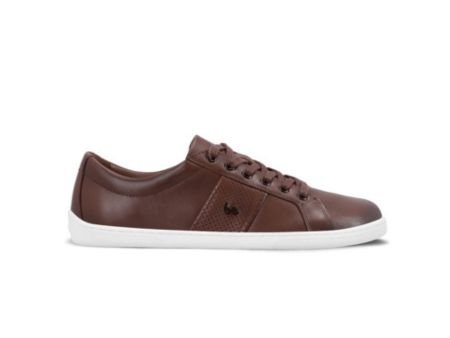
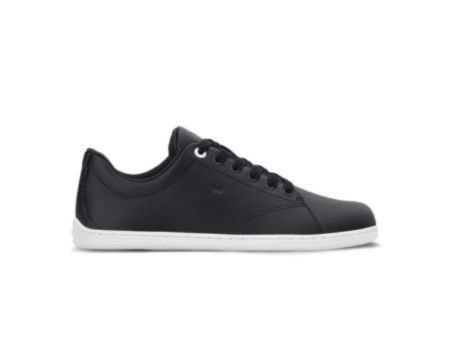
Lightweight sneakers are the default, and Rebound, Echo and Core cover most spring days. For rain and muddy paths, Trailwalker 2.0 or Trailtech handle wet ground without feeling heavy.
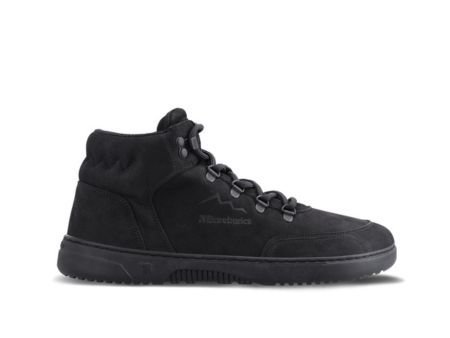
When mornings are still cold, ankle boots and high tops keep your ankles covered. As the weather settles, summer shoes and sandals take over.
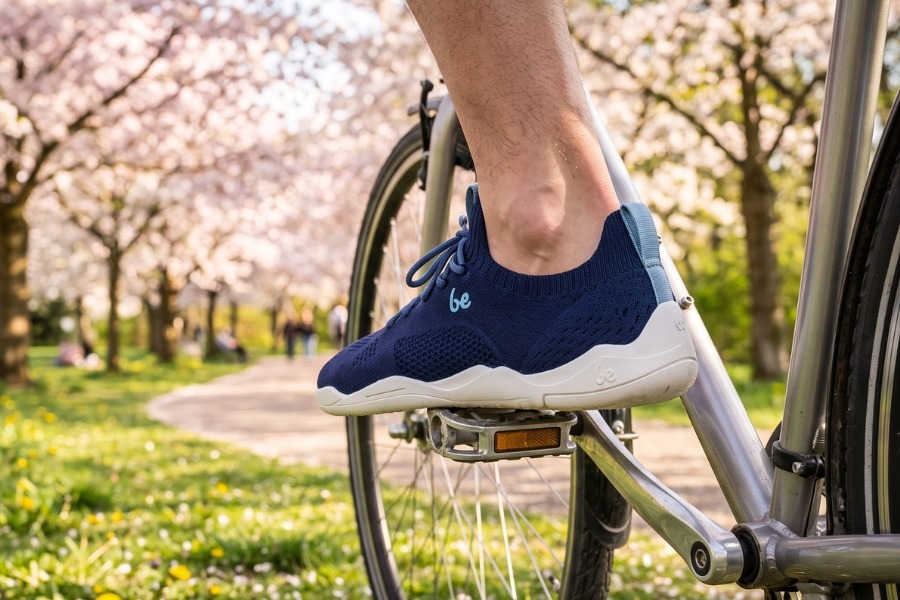
The easiest season to switch
Spring is the best time to start wearing barefoot shoes. The ground is dry enough for longer walks, the weather gets you outside, and you are not asking your feet to adapt in the middle of winter when every walk is short and cold.
Start with an hour or two a day, alternate with your usual shoes and build up over a few weeks. By summer your feet will be ready for sandals rather than surprised by them.
What temperatures are spring barefoot shoes good for?
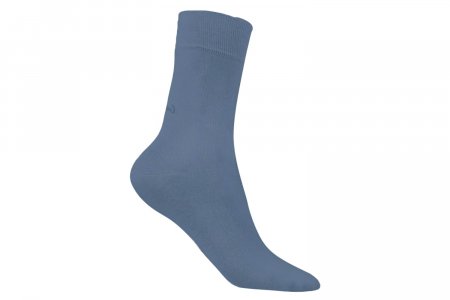
+ -Roughly 40 to 70 °F (5–20 °C), though it depends on the model, your socks and how much you are moving. Thin socks are enough on mild days; on cold mornings a wool or merino sock makes the same shoe feel noticeably warmer.
Are they water resistant?
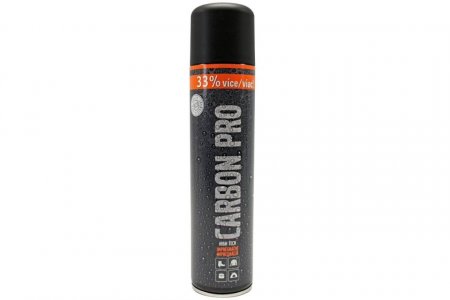
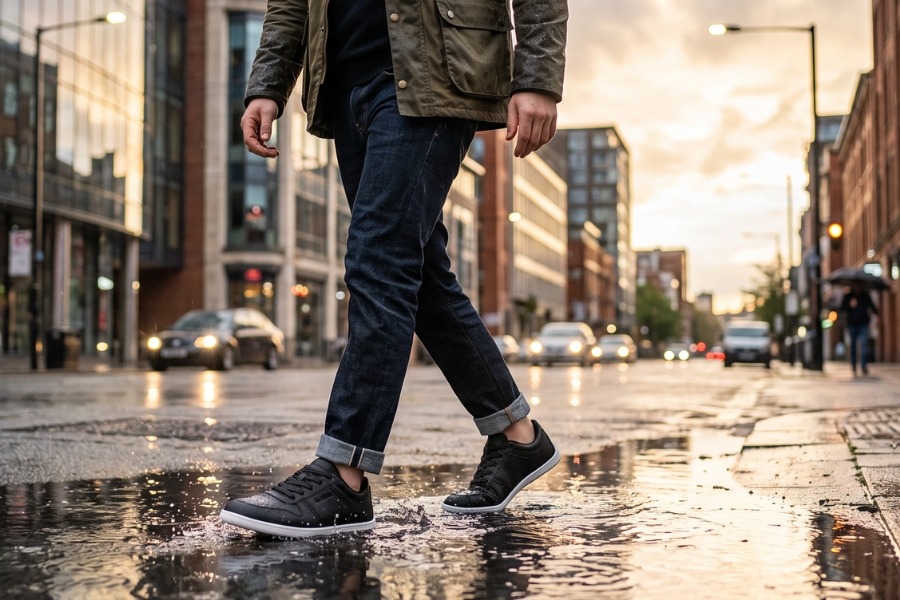
+ -Most have a water-repellent finish that handles light rain, wet grass and damp sidewalks. For longer time in the rain, reapply a water-repellent spray two or three times a season and always after a real soaking. For consistently wet conditions, choose a model with a membrane.
What is the difference between spring and winter models?
+ -Insulation and weight. Spring models are lighter, with little or no insulation and often just a thin textile lining. Winter models have a warm lining or thermal insulation and are built for temperatures below freezing — too warm for spring in most places.
Is spring a good time to start with barefoot shoes?
+ -It is the easiest season. The ground is walkable, the weather encourages longer walks, and you can build up gradually. Begin with an hour or two a day alongside your usual shoes and increase over a few weeks.