 DE / USD

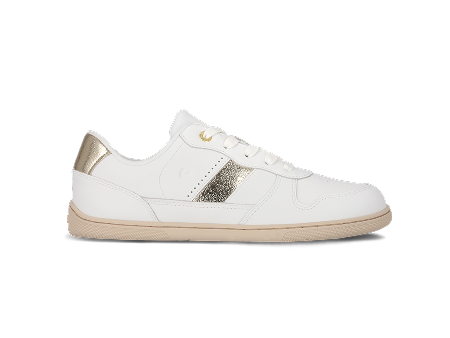
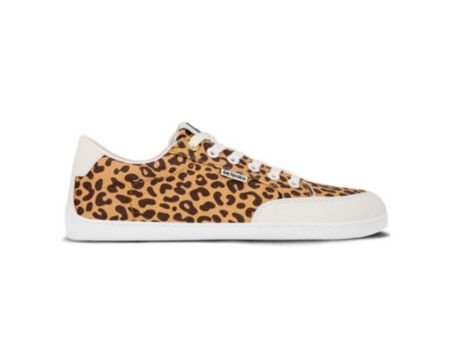
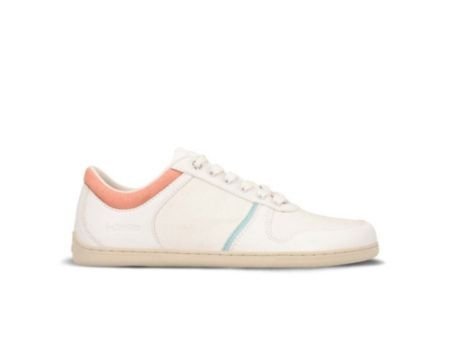
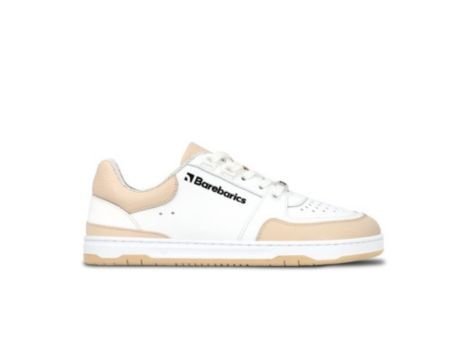
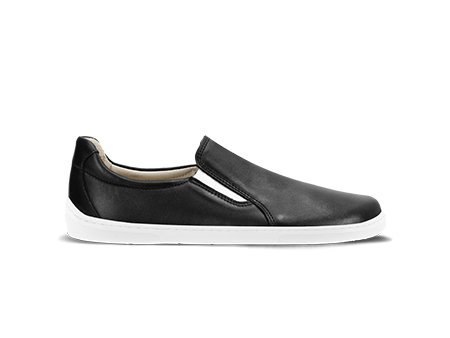
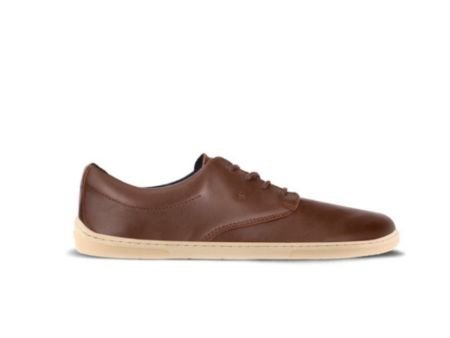
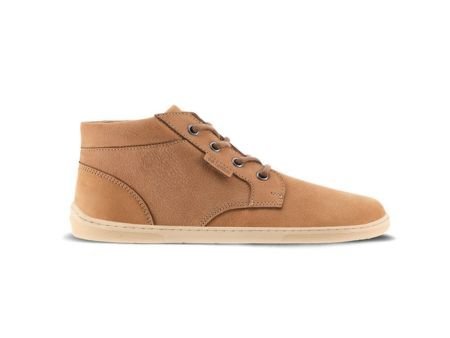
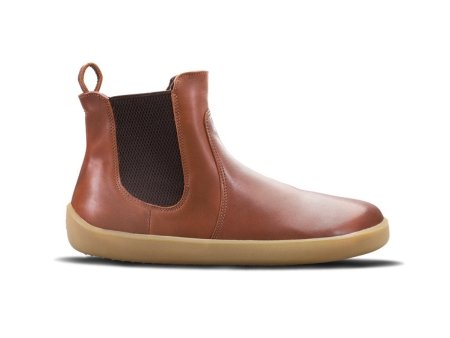
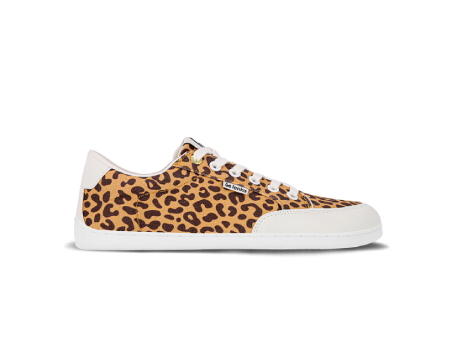
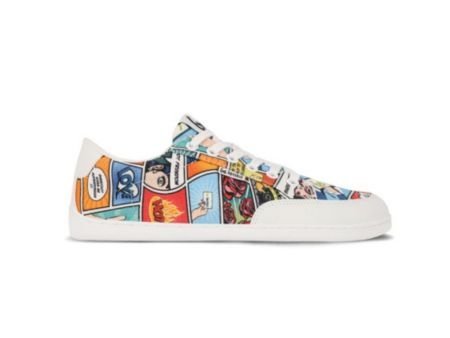
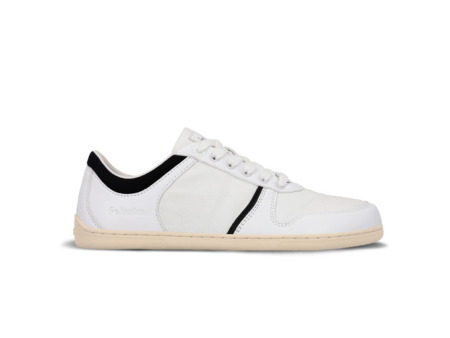
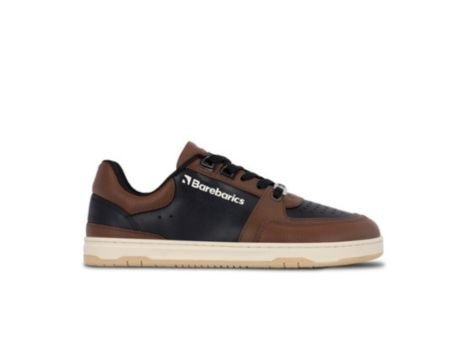
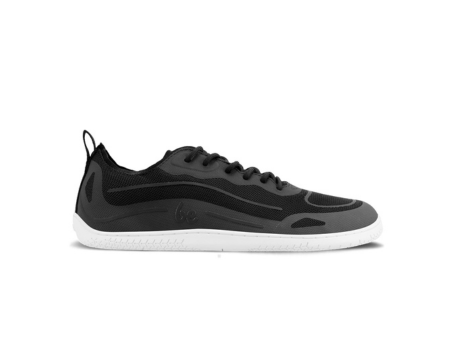
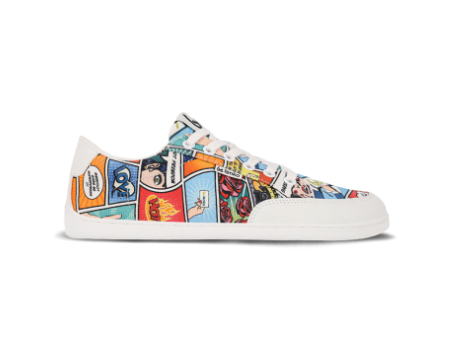
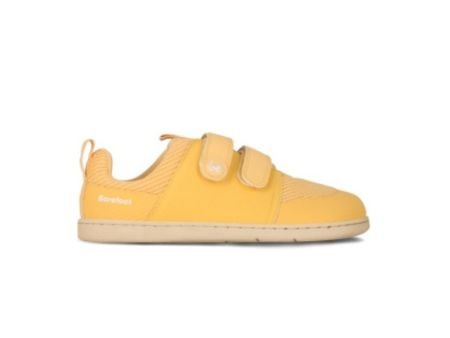
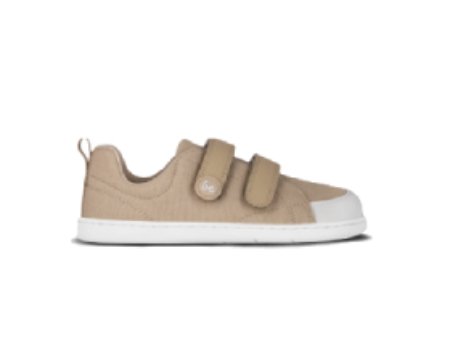
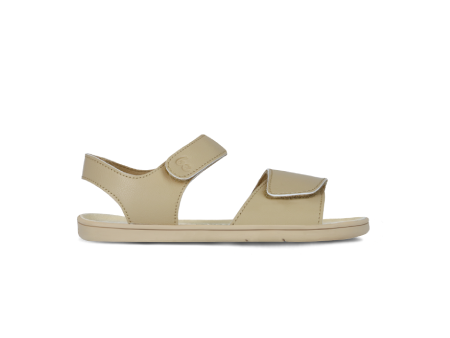
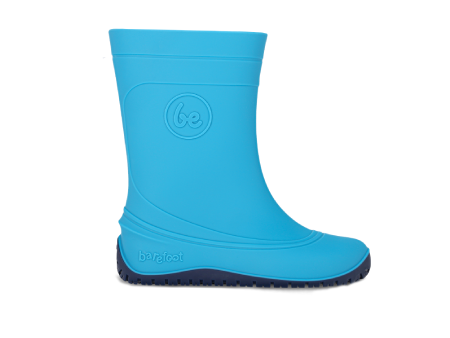
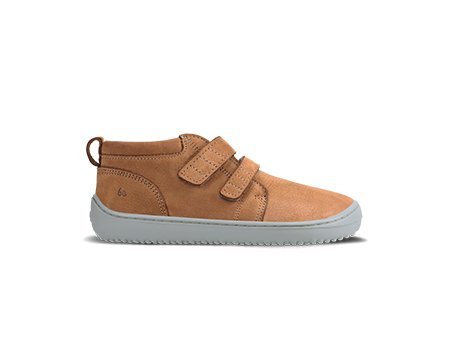
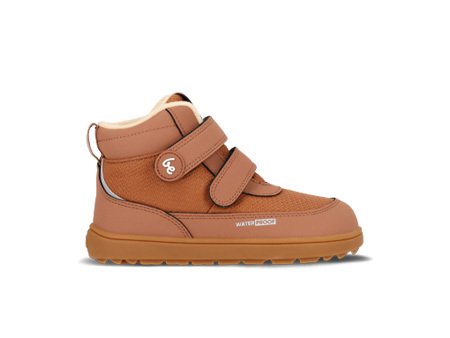
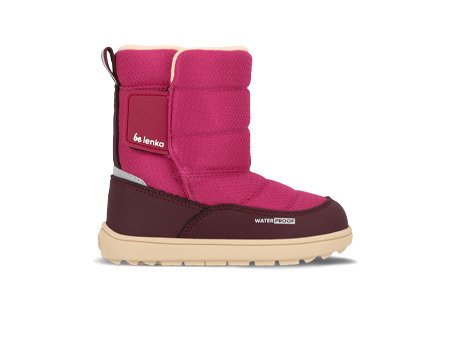


Women's Barefoot Sneakers (101)
Zing




Rebound
Wave
Revive
Barefoot Sneakers
Barefoot Sneakers
Zing - Vegan
Barefoot Sneakers
Barefoot Sneakers
Echo
Barefoot Sneakers
Core
Cellestia
Barefoot Sneakers
Customer reviews on Trustpilot
The easiest way into barefoot shoes. A familiar sneaker look, room for your toes and a sole that bends with every step — light enough to wear from the school run to an evening walk.
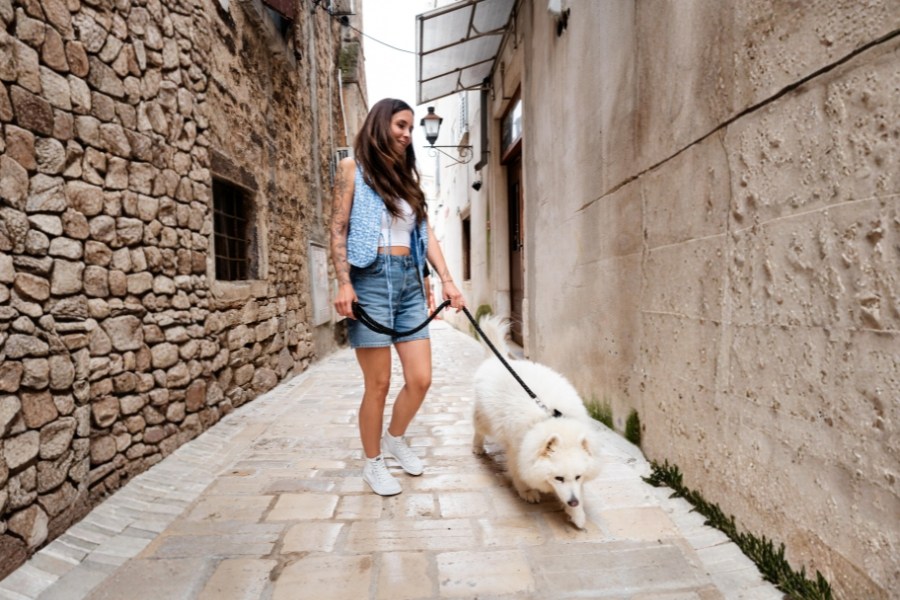
Why start with sneakers
Nothing about a sneaker asks you to change how you dress. It goes with jeans, with dresses, with leggings and with a work outfit on a casual Friday. That makes it the lowest-risk way to find out whether a wide toe box and a flexible sole suit you, because you can wear it for an hour a day without rearranging your wardrobe.
The difference shows up quickly. Your toes spread instead of being funneled toward a point, the sole follows the ground rather than flattening it, and your heel sits level with your forefoot. Most women notice it first as less tightness across the front of the foot by late afternoon.
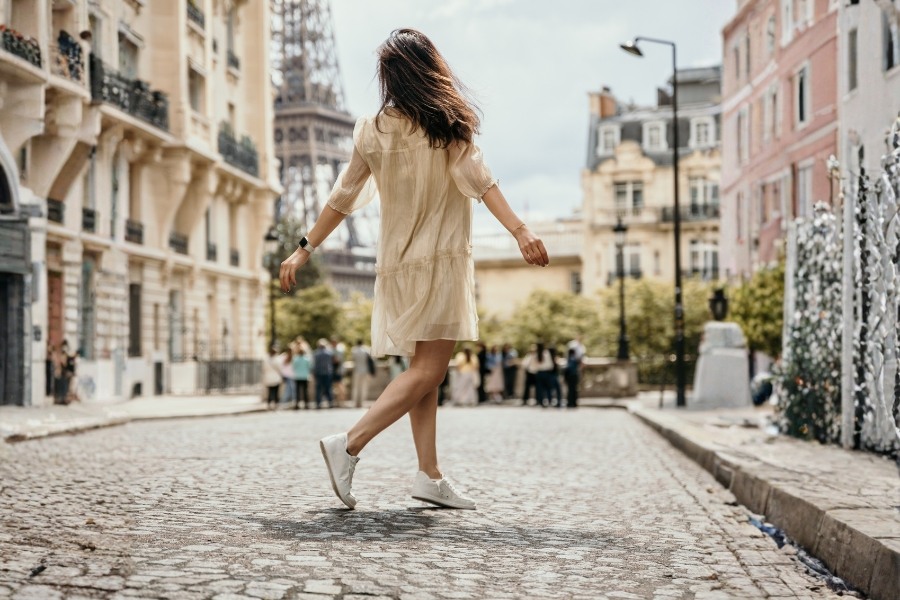
Light, breathable, easy to style
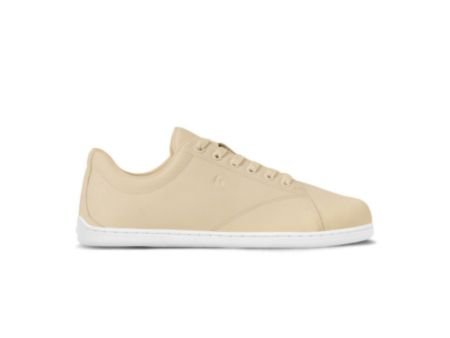
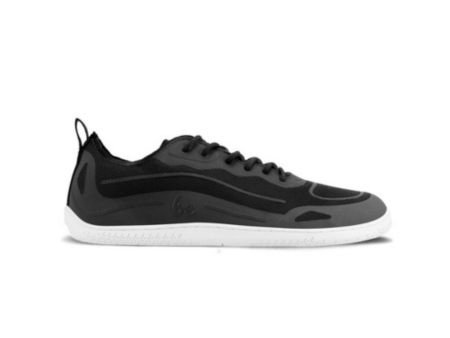
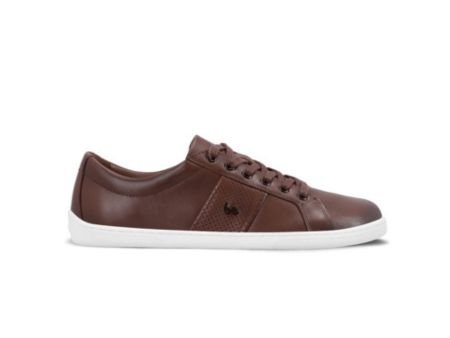
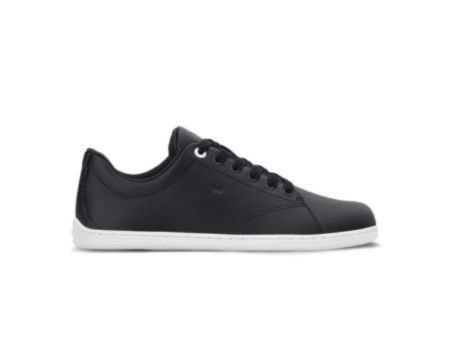
Be Lenka sneakers are built light. Knit, canvas and mesh uppers breathe well and need no breaking in, and clean shapes in neutral colors are simple to combine. White sneakers are the safest first choice — they read as tidy rather than sporty and go with almost everything.
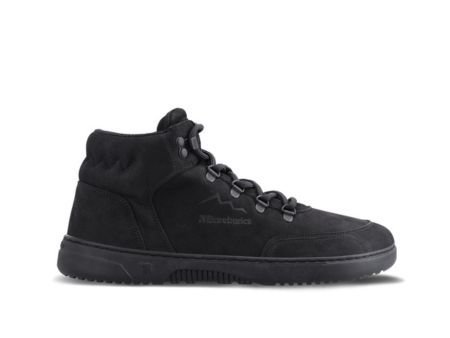
Rebound is the everyday canvas model most women start with, Echo and Core cover the minimalist end, and Vaporo and Velocity are lighter and more breathable for warm weather and active days. For a bolder, more street-styled silhouette, see Barebarics sneakers for women.
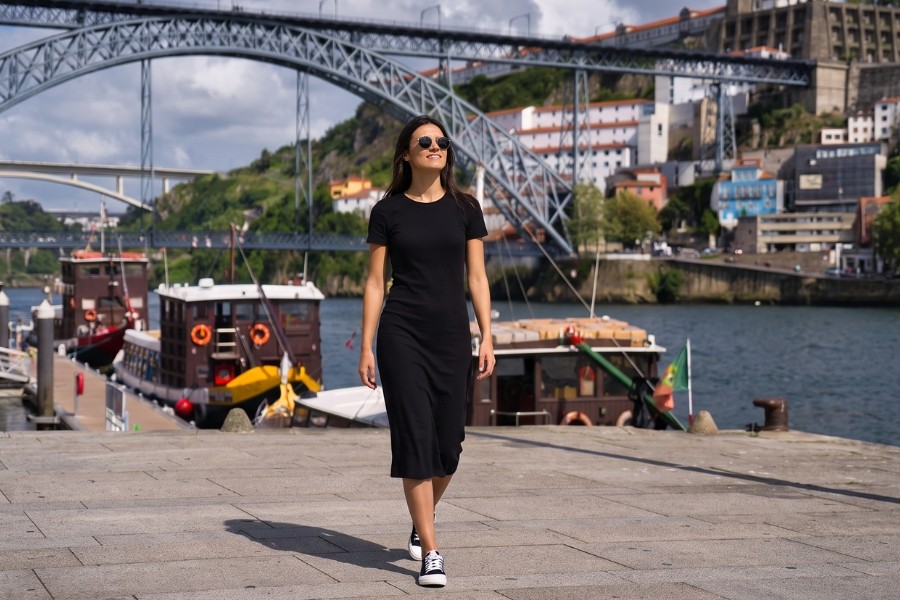
Made for days that do not sit still
School run, errands, a walk that turns into five miles because the weather is good. Light weight matters more than people expect over that kind of day, and so does room at the front — feet swell as the hours add up, and a shoe that fit exactly at nine can feel tight by four. For rain and cooler days, see fall shoes and ankle boots and high tops. For the gym, training shoes have a firmer, flatter sole.
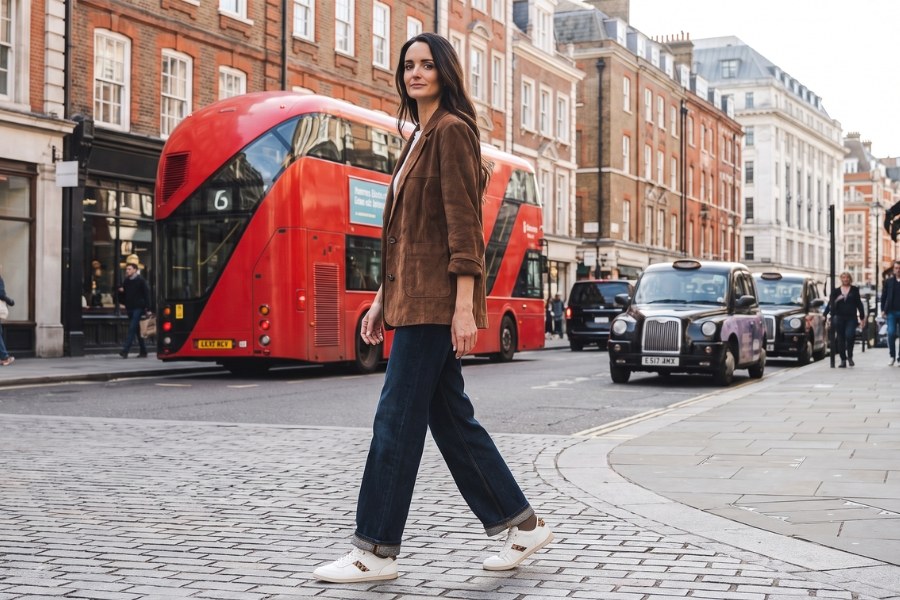
Are barefoot sneakers good for walking all day?
+ -They are made for it, once your feet have adapted. Room at the toes, a flexible sole and a level heel mean your foot keeps working naturally rather than being held in one shape, and most women find their feet feel less tired by evening. If barefoot shoes are new to you, build up over a few weeks rather than starting with a full day of walking.
Do barefoot sneakers work for narrow heels?
+ -Many women have a wide forefoot and a narrow heel, a combination conventional lasts handle badly. Barefoot sneakers give room where it is needed and hold at the heel through the lacing and the shape of the collar. If your heel tends to slip, lace to the top eyelet and check the width measurements as well as the length on the size chart.
Can I wear them without socks?
+ -You can, though a thin sock is the better everyday choice — it absorbs moisture and protects the inside of the shoe while adding very little bulk. Avoid thick cushioned sport socks, which take up the room your toes need. Let the pair air out after a long day instead of putting it straight into a closet.
Are barefoot sneakers suitable for running?
+ -For short, easy runs, yes, especially once your feet are used to minimalist footwear. Running loads the foot and calf far more than walking, so build up over months rather than weeks. For longer distances, many women keep a dedicated running shoe and use barefoot sneakers for walking and everyday wear.