 DE / USD

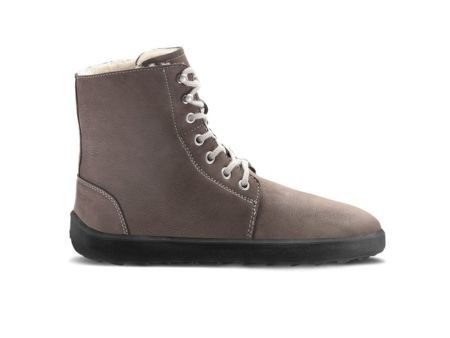
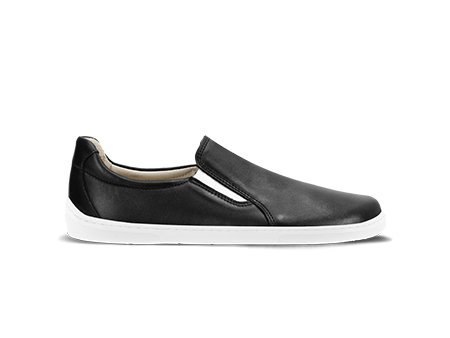
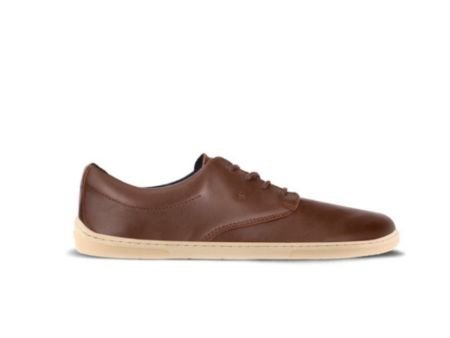
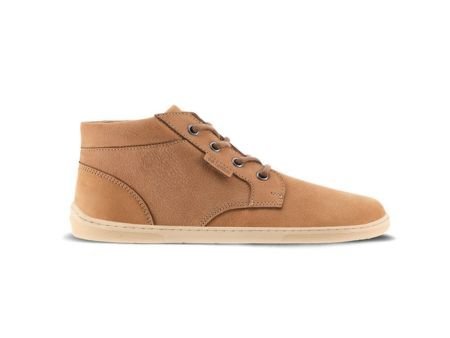
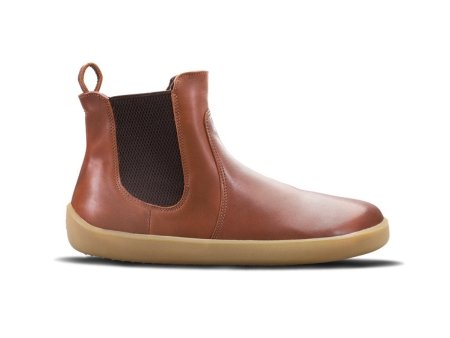
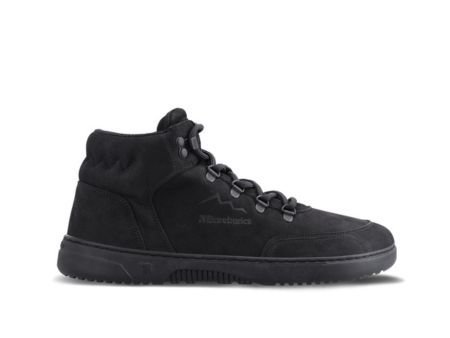


Women's Barefoot Winter Boots (40)

Entice


Barefoot Chelsea Boots

Barefoot Chelsea Boots
Barefoot Chelsea Boots
Barefoot Chelsea Boots
Barefoot Chelsea Boots
Barefoot Chelsea Boots
Barefoot Chelsea Boots
Barefoot Chelsea Boots
Synergy
Barefoot Shoes
Barefoot Shoes
Barefoot Shoes
Barefoot Shoes
Evon
ArcticEdge
Zing Frost
Winter
Winter Barefoot Boots
Winter Barefoot Boots
Winter Barefoot Boots
Winter Barefoot Boots
Rebound Thermo
UrbanEdge
Atlas
PolarStride
Snowfox Woman
Winter Barefoot Boots
Glam
You have seen 40 of 40 products
Customer reviews on Trustpilot
Cold mornings and salted sidewalks. Warm linings and grippy outsoles, with a toe box roomy enough that your toes can move — which is part of what keeps them warm.
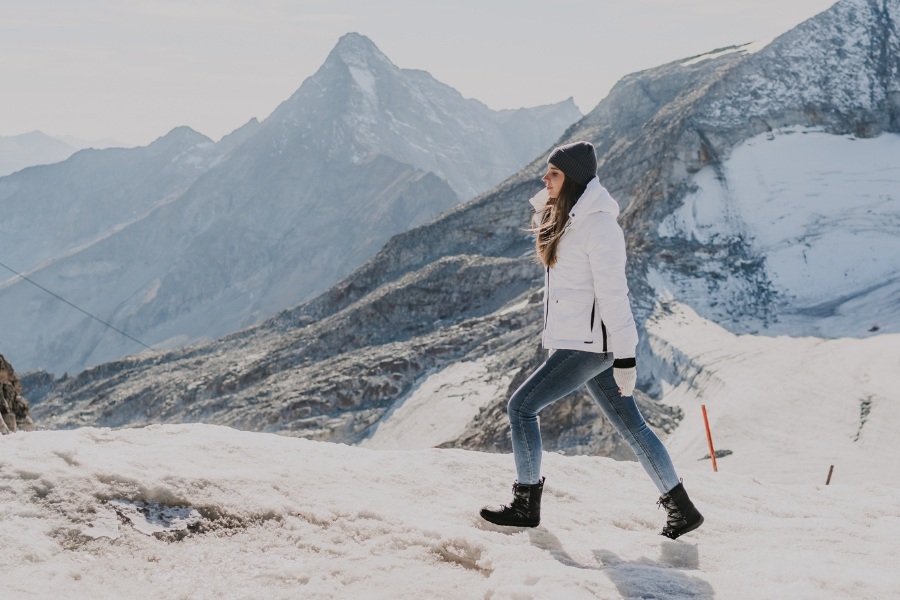
Warmth starts with room
A boot that compresses your foot restricts circulation, and restricted circulation is why feet get cold inside otherwise warm footwear. A wide toe box lets your toes spread and stay active, and it leaves space for a proper wool sock without the boot becoming tight.
Add an insulating lining, a closed upper that blocks wind and a flexible sole that keeps your step natural, and you have a boot for a real winter. Zero drop matters here too: on an icy sidewalk, a level foot is a steadier foot.
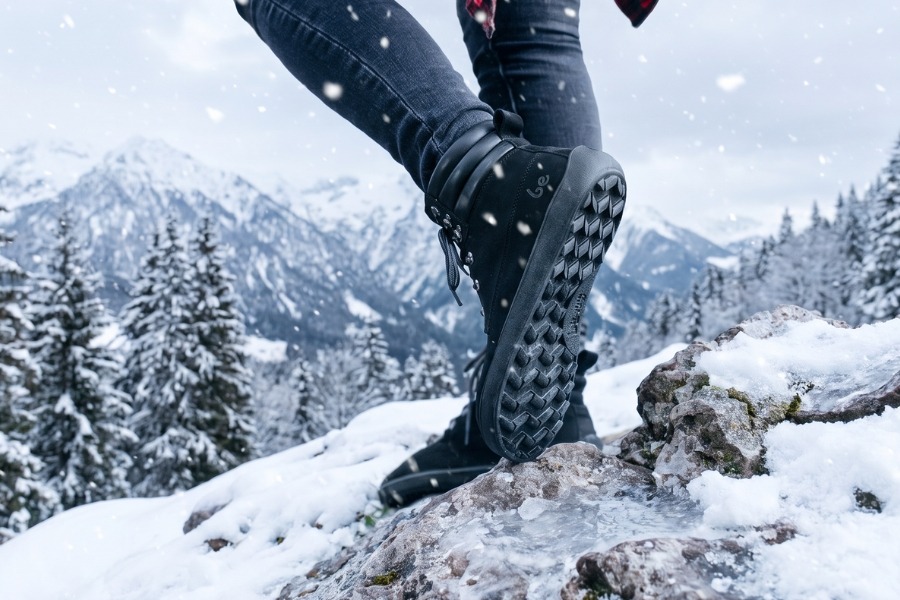
The city winter pair
Most winter days are not deep snow — they are cold air, wet sidewalks and slush at the crossings. That is where this category sits: warmer than an ankle boot, lighter than a snow boot, and easy to wear with a coat.
ArcticEdge is the model to look at if you want the highest thermal comfort; it uses PrimaLoft insulation and was tested down to -22 °F (-30 °C). For deep snow and long time outdoors, see snow boots. For a dressier silhouette, tall boots and Chelsea boots.
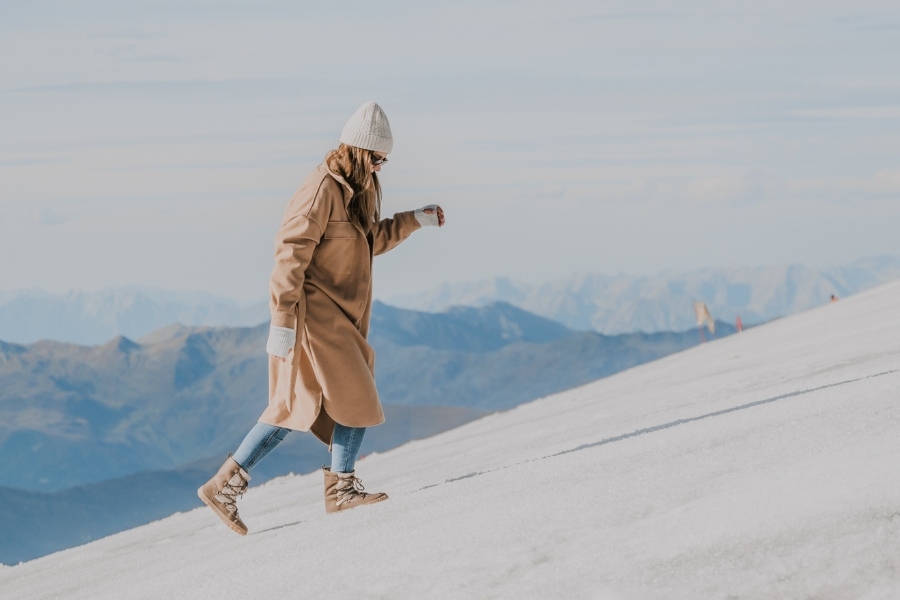
Road salt is the real enemy
Brush salt off the same day rather than letting it dry into leather or textile — it draws moisture out of the material and leaves marks that are much harder to remove later. Let boots dry naturally at room temperature, away from radiators, and reapply a water-repellent spray two or three times through the season. See shoe care.
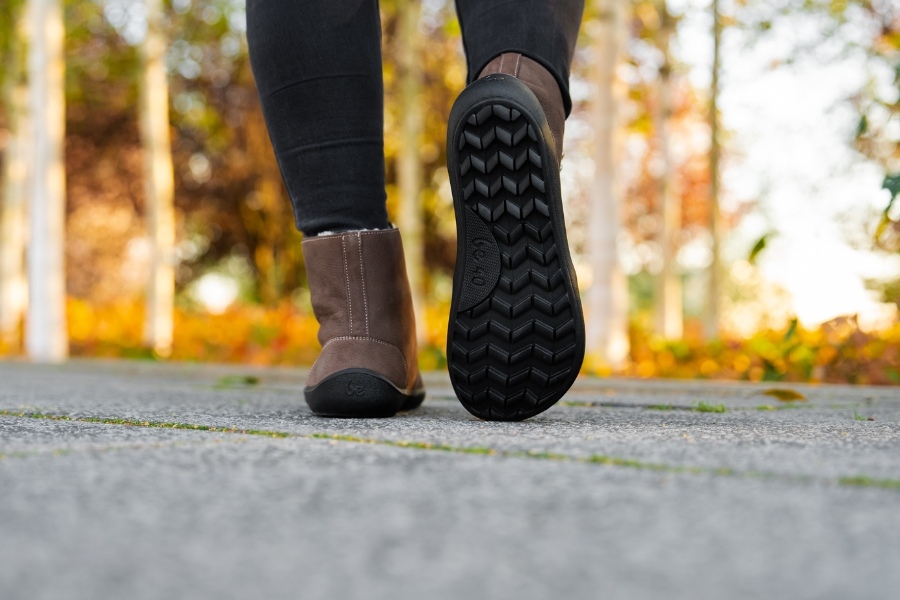
Will my feet get cold in barefoot winter boots?
+ -Not with the right pair. Winter models are built for cold days with quality materials, considered insulation and construction that holds a comfortable temperature. Your foot also has enough room that it is not compressed and can keep its natural circulation — which does more for warmth than most people expect.
How cold can they handle?
+ -They are designed for ordinary cold days, winter walks and getting around town in low temperatures. How warm they feel depends on the model, your socks, how long you are outside and how much you are moving. ArcticEdge was tested and held up in extreme conditions down to -22 °F (-30 °C).
Should I size up for winter boots?
+ -Measure your foot and compare with the size chart rather than automatically going up. What matters is leaving room for a thicker sock without the boot becoming tight — your toes should not touch the front and your heel should sit securely without lifting. If you are between sizes and plan to wear wool socks, take the larger one.
What is the difference between winter boots and snow boots?
+ -Snow boots have a higher cut, a warmer lining and a more aggressive outsole for deep snow and hard frost. Winter boots are more versatile: good for the city, everyday wear and milder cold, and easier to pair with a work outfit.