 DE / USD

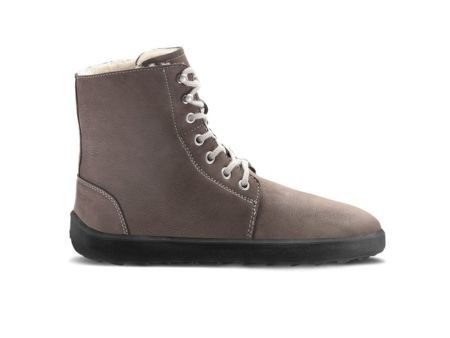
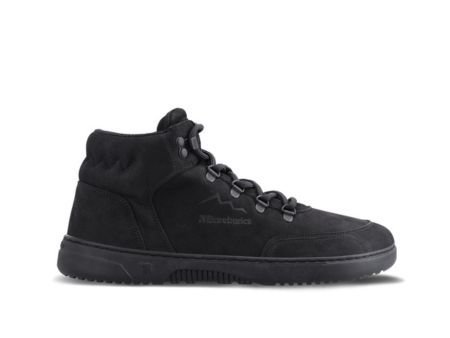
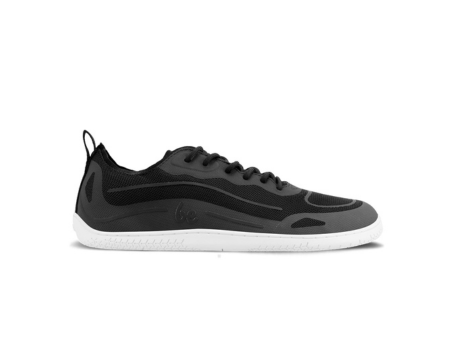
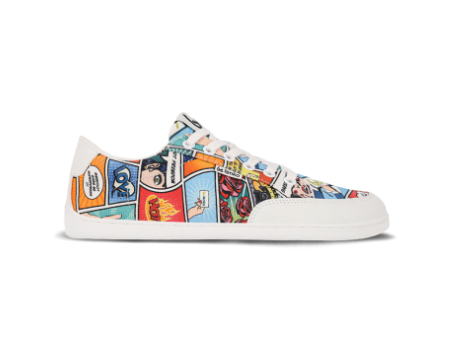
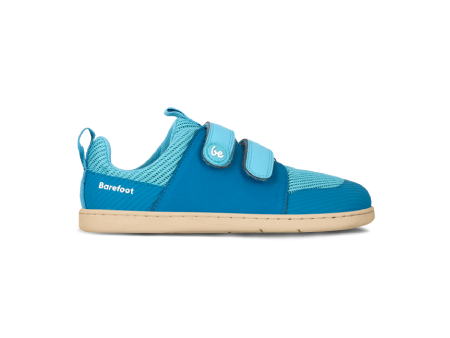
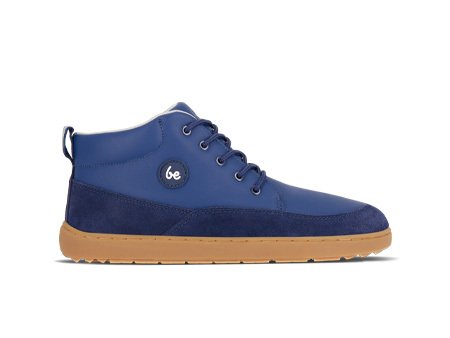
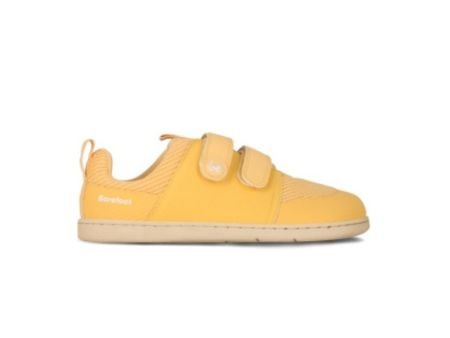
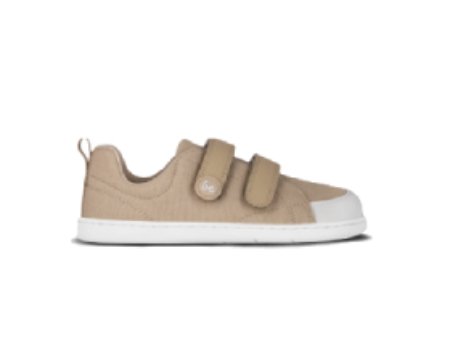
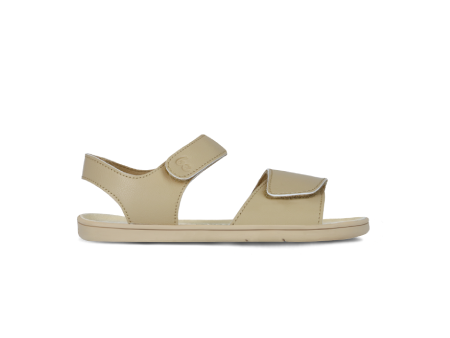
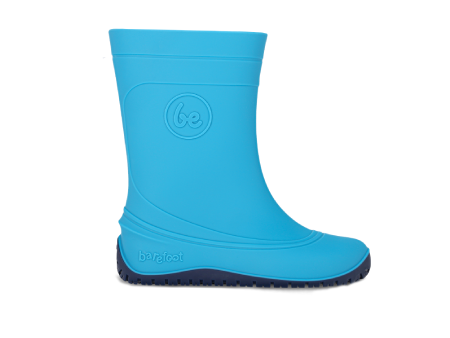
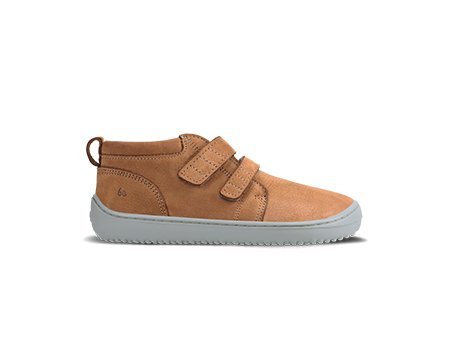
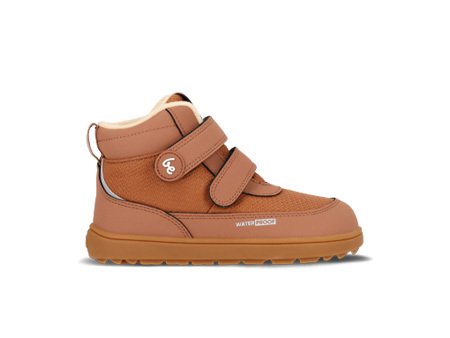
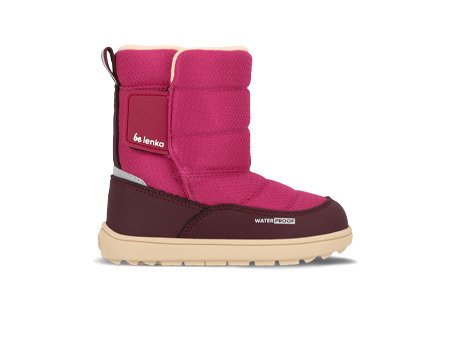


Kids' Barefoot Snow Boots (11)
Snowfox Kids



Ailo Kids
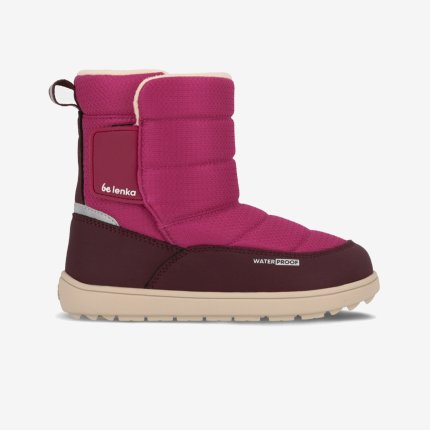
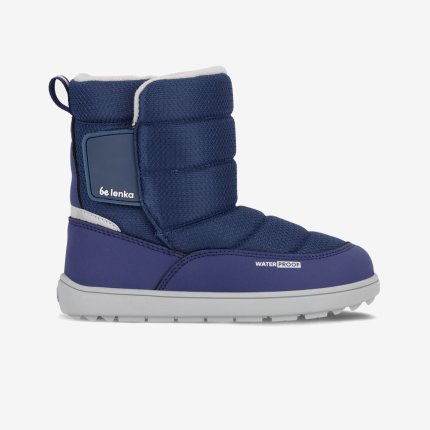
Kids barefoot snow boots
Kids barefoot snow boots
Ailo Junior
Kids barefoot snow boots
Ailo Preschool
Kids barefoot snow boots
Kids barefoot snow boots
You have seen 11 of 11 products
Customer reviews on Trustpilot
Deep snow, freezing mornings, long walks to school. Warm linings, waterproof uppers and a higher cut to keep snow out, with room at the toes to help feet stay warm.
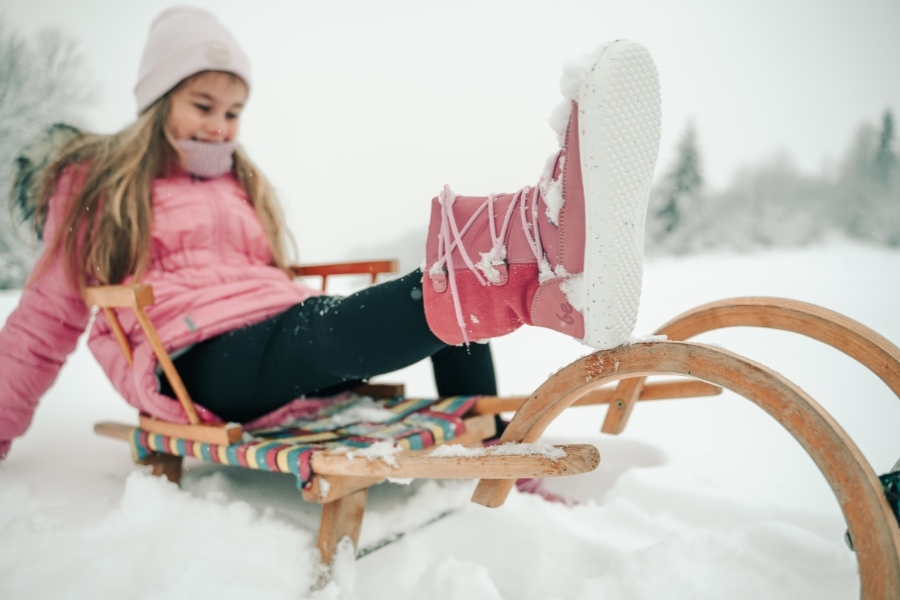
Warm because there is room
A boot that squeezes a foot restricts circulation, and restricted circulation is why children come home with cold toes from boots that are supposed to be warm. A wide toe box lets toes move and stay active, and leaves space for a proper wool sock without the boot becoming tight.
Add a warm fleece lining, a waterproof upper and a higher cut that keeps snow out around the ankle, and you have a boot for real winter play rather than a short walk to the car.
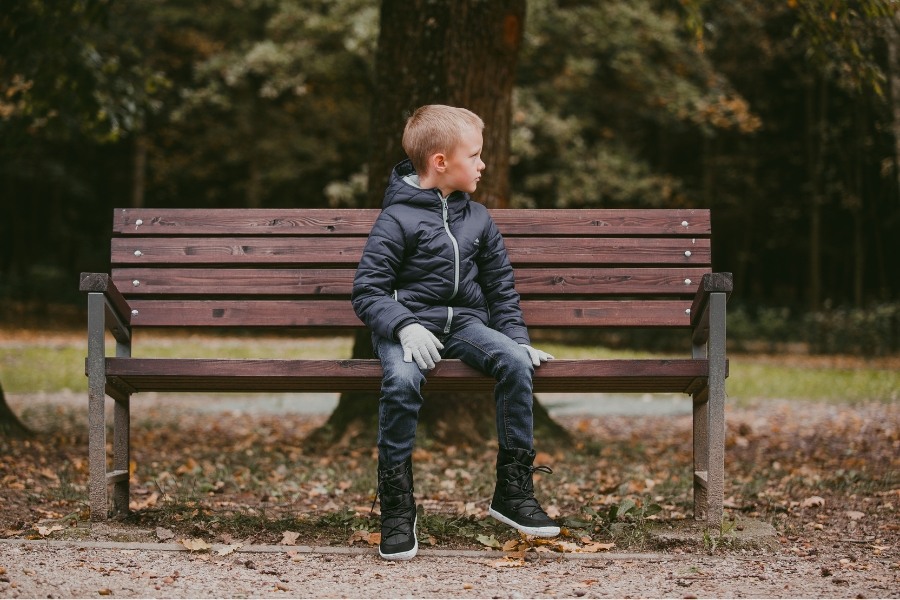
Light enough to play in
Conventional snow boots are heavy and stiff, and children move differently in them — slower, flat-footed, tiring sooner. Barefoot snow boots keep the insulation and drop the bulk: a lighter build, a flexible sole and a foot that can still bend, grip and run.
Snowfox Kids and Ailo cover the size range. For cold days without deep snow, see winter shoes; for wet rather than frozen ground, rain boots.
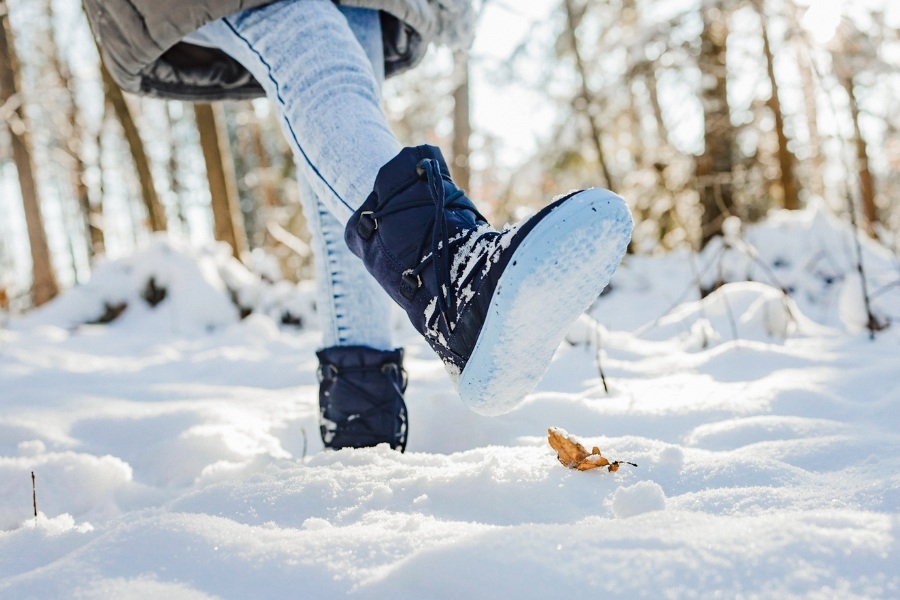
Getting them on and dried
A wide opening and a pull tab matter more than you would think when a child is already in a snowsuit. After wearing, brush off snow and road salt the same day, and let the boots dry at room temperature away from radiators. Take out removable insoles to dry separately.
How cold can kids’ snow boots handle?
+ -Models with a warm fleece lining stay comfortable down to around -4 °F (-20 °C). Real warmth also depends on how long your child is outside, how much they are moving and which socks they wear — wool or merino holds warmth far better than thin cotton.
Are they waterproof?
+ -Yes. The upper is water-repellent textile backed by a waterproof membrane, and the higher cut helps keep snow out around the ankle. Reapply a water-repellent spray two or three times a season, and let the boots dry naturally after every wear.
Should I size up for thick socks?
+ -Leave the normal growing room and check that a winter sock still fits without crowding the toes. That usually works without going up an extra size, since the toe box is already wide. A boot that is much too large is harder to walk in and lets cold air circulate.
What is the difference between snow boots and winter shoes?
+ -Snow boots have a higher cut, a warmer lining and a more aggressive sole for deep snow and hard frost. Winter shoes are lighter and more versatile — better for frosty mornings, city winters and the school run when there is no snow to wade through.