 DE / USD

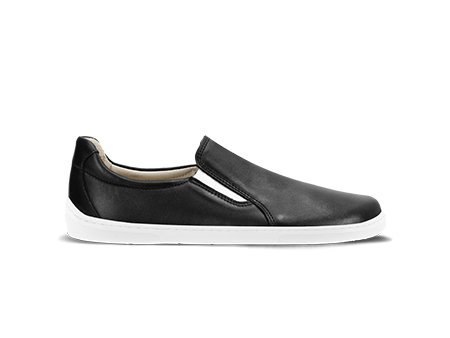
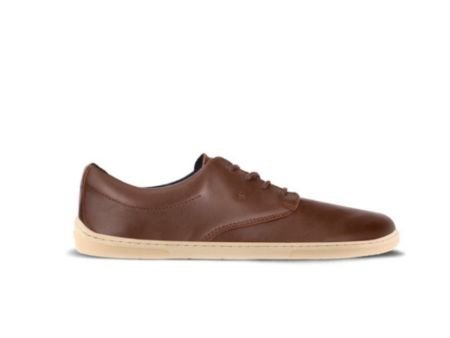
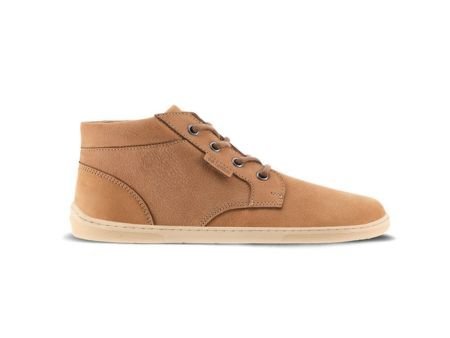
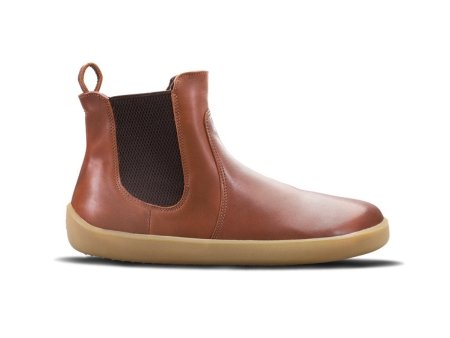


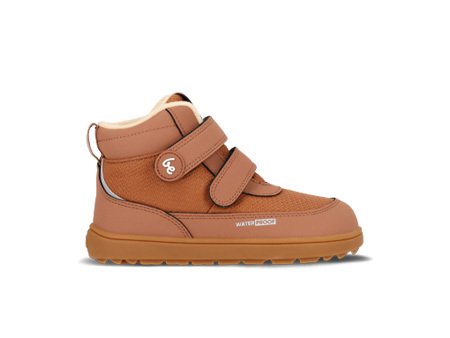
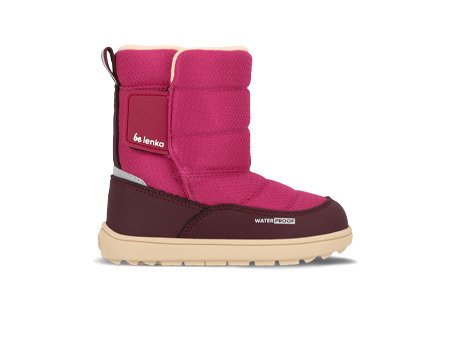
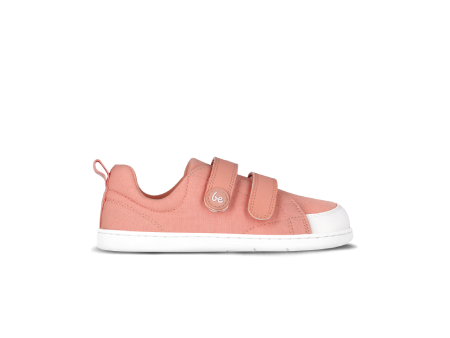


Shoe care (2)


You have seen 2 of 2 products
Customer reviews on Trustpilot
The right care makes barefoot shoes last. Here you will find cleaners, waterproofing sprays and leather wax that keep your footwear clean, protected and ready for any weather, even after hundreds of miles.
Care is mostly routine, not effort
Most of what shortens a shoe’s life is avoidable: road salt left on leather over a weekend, a wet pair dried on a radiator, dirt worked into the seams until it stays there. None of that takes long to prevent. The basic routine is short. Let shoes dry naturally at room temperature, away from radiators and direct sun. Brush off dirt once it is dry rather than while it is wet. Clean when they look like they need it, and reapply protection a few times a season.
What to use on which material
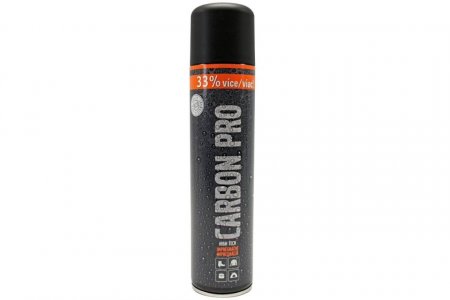
Leather wants a cleaner suited to smooth leather, then a wax or conditioner a few times a season to keep the material nourished and supple. Without it, leather dries out and cracks at the flex points. Finish with a water-repellent spray before wet weather. Textile and synthetic uppers are best cleaned with a foam made for the purpose, worked gently with a sponge or a soft brush — never scrubbed, and never in a washing machine. A crepe brush handles dry cleaning of textile and nubuck panels. Membrane models need a spray that is safe for membranes, so the breathability is not sealed off. Check the label before applying anything to a waterproof pair.
Seasonal protection
Before winter, treat every pair you plan to wear — boots, snow boots and winter shoes alike — and repeat two or three times through the season, plus after any real soaking. Road salt is the hardest thing on winter footwear: brush it off the same day rather than letting it dry into the material. Before spring and fall rain, a water-repellent spray on sneakers and transitional models makes the difference between a damp commute and a wet one. Summer needs the least: airing out after wearing, and an occasional clean for textile uppers.
A few habits that add years
Rotate between two pairs when you can — shoes that get a day to dry out last noticeably longer than a pair worn daily. Never dry footwear on a radiator, in a car in the sun or with a hair dryer; heat hardens leather and weakens adhesives. Loosen the laces and open the shoe when you take it off, so the inside dries properly. And store pairs somewhere dry rather than in a sealed bag at the back of a closet. See also barefoot accessories and barefoot insoles.
How do I clean leather barefoot shoes?
+ -Let them dry first, then brush off dry dirt. Use a cleaner or foam intended for smooth leather, applied with a sponge or soft cloth rather than a stiff brush, and wipe off any residue. Once dry, apply a leather wax or conditioner to nourish the material, and finish with a water-repellent spray if you will wear them in wet weather. Never dry leather near a heat source — that is what causes cracking at the flex points.
How often should I waterproof my shoes?
+ -Two or three times a season for regular wear, and always after a real soaking or after cleaning. Before winter, treat every pair you plan to wear in snow and slush. If water stops beading on the surface and starts soaking in, that is the signal to reapply regardless of when you last did it.
Can I put barefoot shoes in the washing machine?
+ -No. A washing machine damages adhesives, deforms the sole and can ruin a membrane, whatever the material. Clean textile and synthetic uppers by hand with a cleaning foam and a soft brush or sponge, and let them air dry at room temperature. The same applies to the dryer — heat is what destroys shoes fastest.
How do I get road salt off winter boots?
+ -Wipe or brush it off the same day, while it is still fresh, using a damp cloth and plain water. Salt that dries into leather or textile draws moisture out of the material and leaves white marks that are much harder to remove later. Once the boots are dry, clean and re-treat them as usual.
How do I dry wet shoes properly?
+ -At room temperature, away from radiators, heaters, direct sun and hair dryers. Loosen the laces, open the shoe up and, if they are very wet, stuff them loosely with paper and change it once. Drying takes longer this way, which is exactly why having a second pair to rotate with helps so much.