 DE / USD

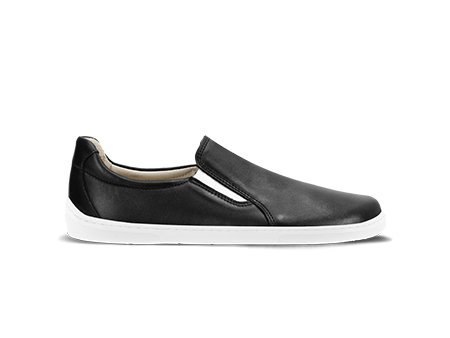
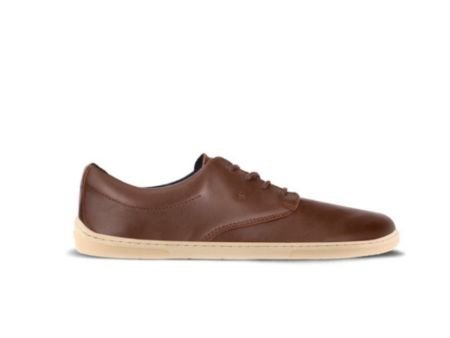
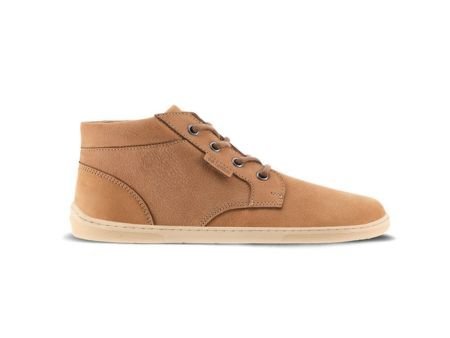
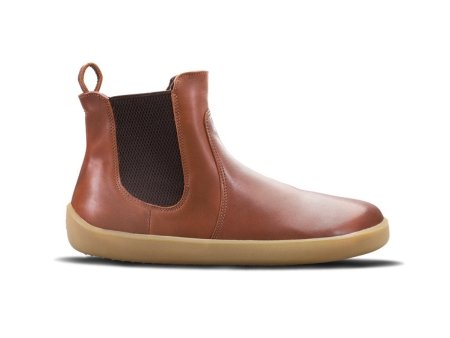
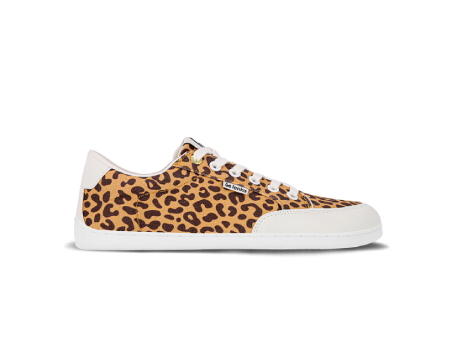
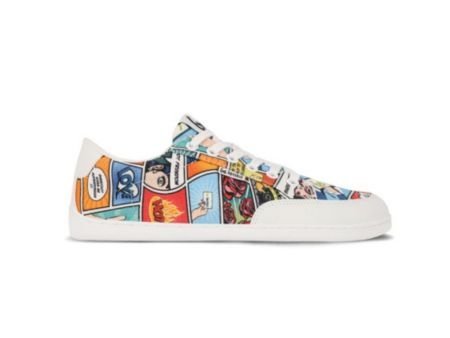
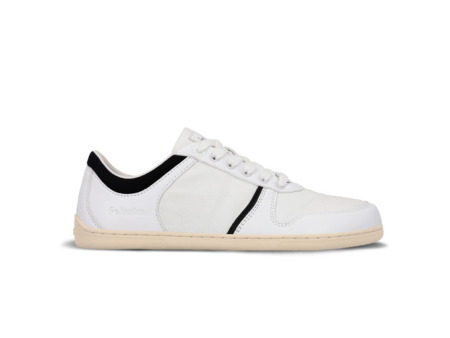
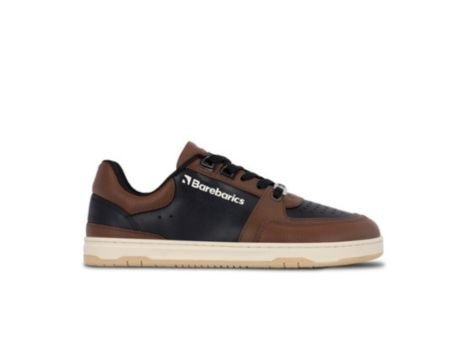
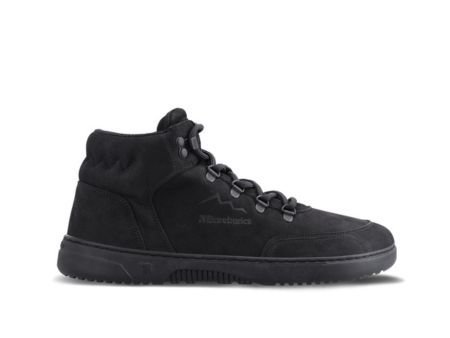
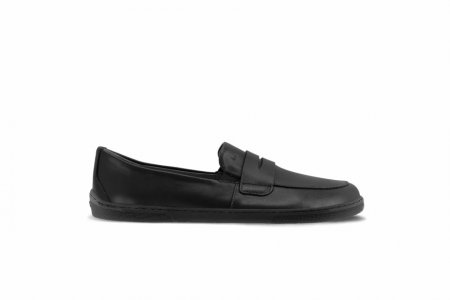
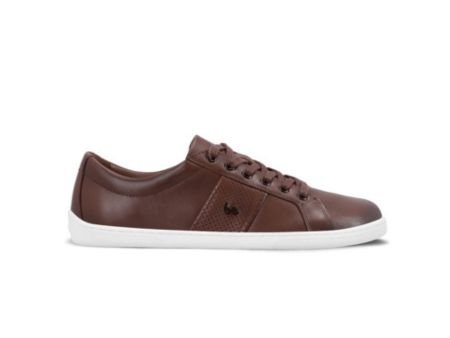
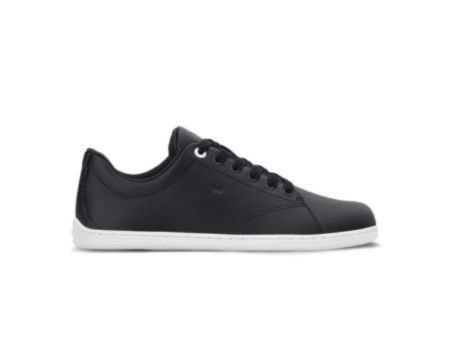
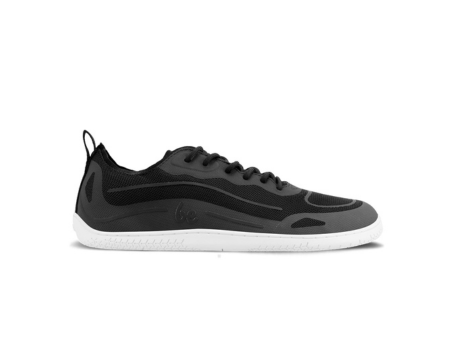
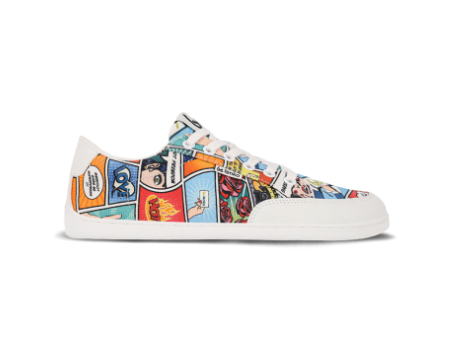
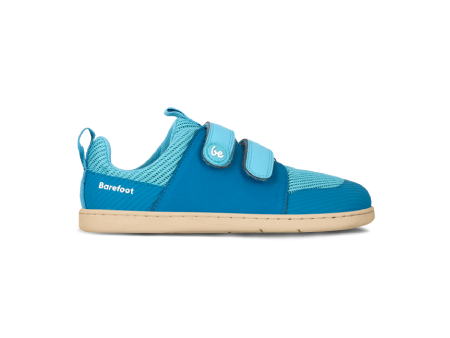
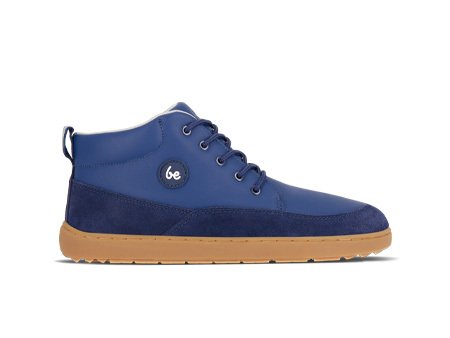
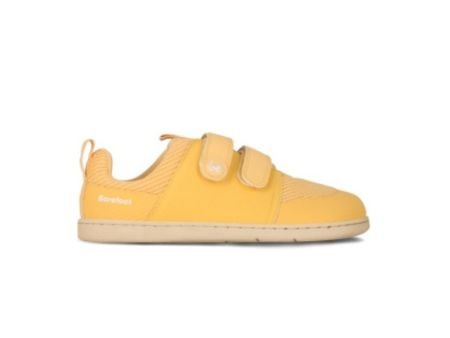
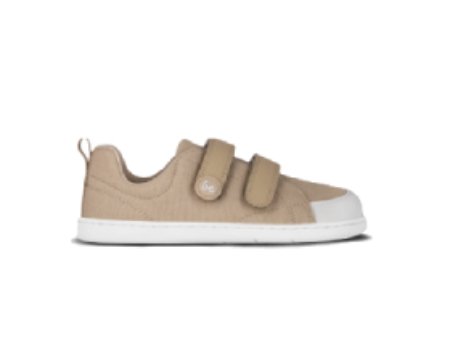
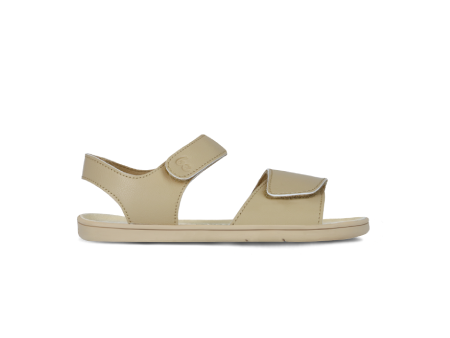


Men's Barefoot Sneakers (91)

Zing



Rebound
Wave
Revive
Barefoot Sneakers
Barefoot Sneakers
Zing - Vegan
Barefoot Sneakers
Echo
Core
Cellestia
Barefoot Sneakers
Aerra
Velore
Customer reviews on Trustpilot
The easiest first barefoot pair. A familiar sneaker look with a wide toe box, a flexible sole and no raised heel — light enough for the commute and the weekend.
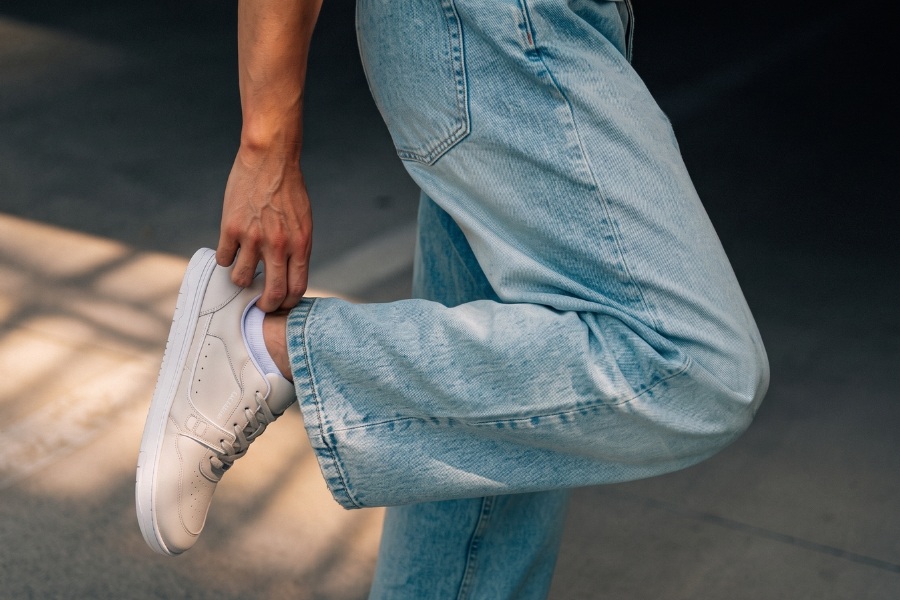
Why sneakers first
Nothing about a sneaker asks you to change how you dress or where you wear it. Jeans, chinos, shorts, a casual office — it fits all of them. That makes it the lowest-risk way to find out whether a wide toe box and a thin sole suit you, because you can wear one for an hour a day without rethinking your closet.
The difference shows up fast. Toes spread instead of being funneled together, the sole follows the ground rather than flattening it, and the heel sits level with the forefoot. Most men notice it first as less pressure across the front of the foot late in the day.

The models to know
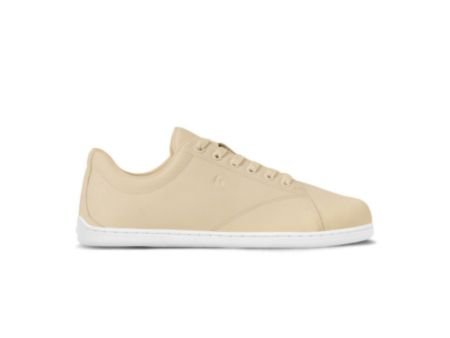
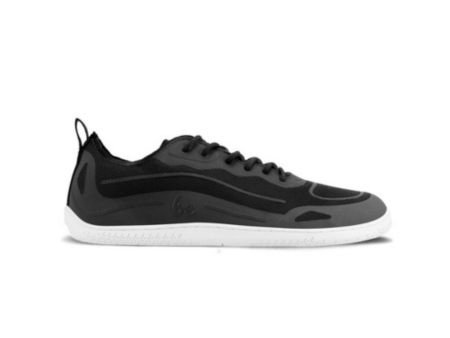
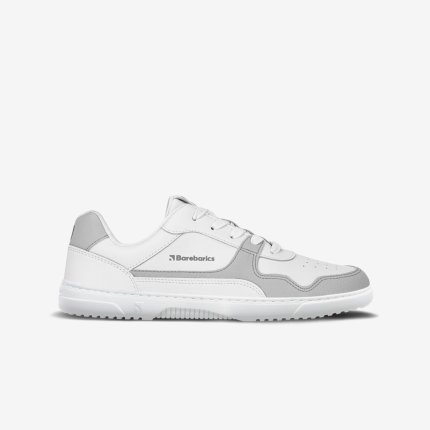
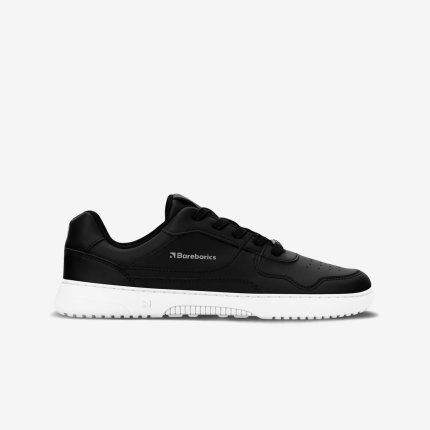
Rebound is the canvas everyday model most men start with. Echo and Core cover the clean minimalist end, Cityscape leans slightly more urban, and Champ 3.0 and Futura bring a sportier look. Vaporo and Velocity are the lightest and most breathable for warm weather and active days.
If you want a bolder street silhouette, see Barebarics sneakers for men. For the gym, training shoes have a firmer, flatter sole.
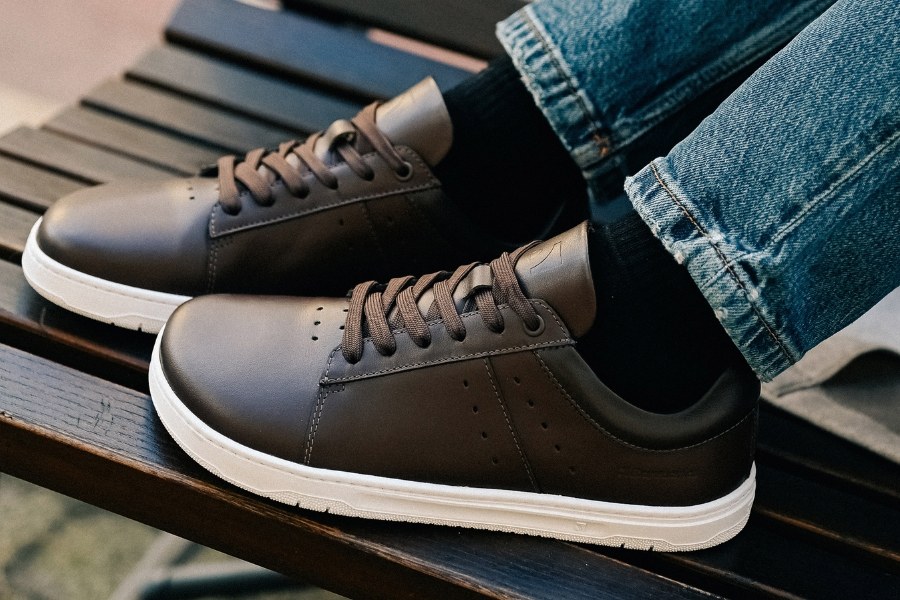
Breathability matters more than most men expect
Feet sweat, and a closed shoe worn daily is where that becomes a problem. Knit, canvas and mesh uppers move air far better than a sealed synthetic, and a roomier fit means less skin contact and less friction. Rotating between two pairs so each gets a day to dry out does more for freshness than anything you can spray into a shoe.
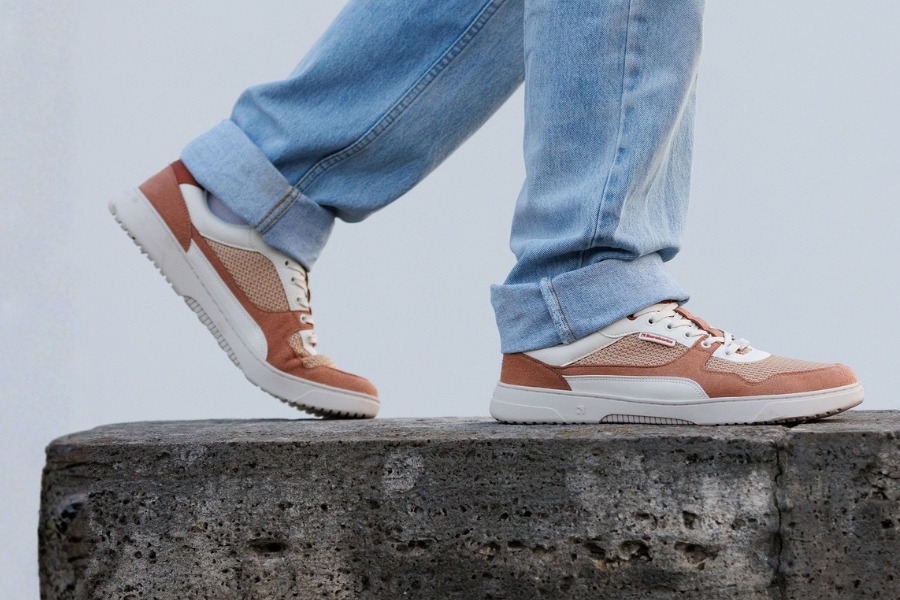
Wide feet, narrow heels and everything between
The wide toe box is the headline, but the heel matters too. If your heel tends to slip, lace to the top eyelet and check the width numbers as well as the length on the size chart. A shoe that fits at the heel and leaves room at the front is what you are aiming for.
Are barefoot sneakers good for walking all day?
+ -They are made for it, once your feet have adapted. Room at the toes, a flexible sole and a level heel mean your foot keeps working naturally rather than being held in one shape, and most men find their feet feel less tired by evening. If barefoot shoes are new to you, build up over a few weeks rather than starting with a full day.
Can I run in barefoot sneakers?
+ -For short, easy runs, yes, especially once your feet are used to minimalist footwear. Running loads the foot and calf far more than walking, so build up over months rather than weeks. Many men keep a dedicated running shoe for longer distances and use barefoot sneakers for everything else.
Are they good for wide feet?
+ -Very. The toe box is shaped around the natural spread of the toes rather than tapering to a point, so you get width where you need it instead of buying a longer shoe to find it. Check both length and width against the size chart for the model.
Can I wear them without socks?
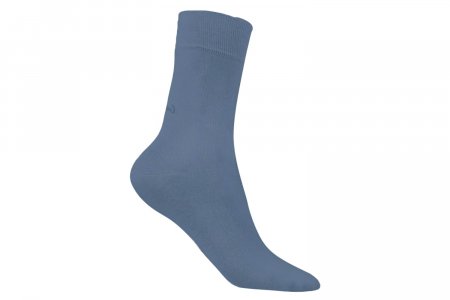
+ -You can, though a thin sock is the better everyday choice — it absorbs moisture and protects the inside of the shoe while adding very little bulk. Avoid thick cushioned sport socks, which take up the room your toes need. Let the pair air out after a long day.