 DE / USD

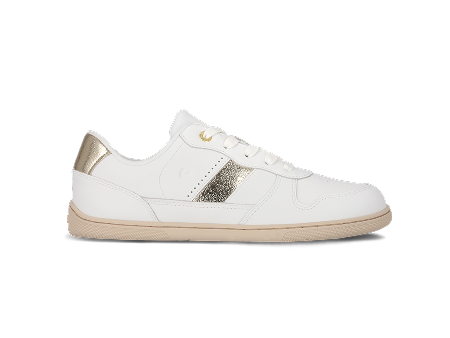
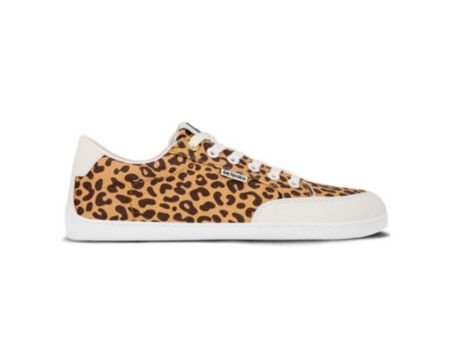
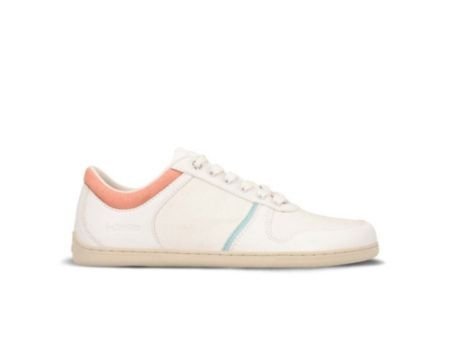
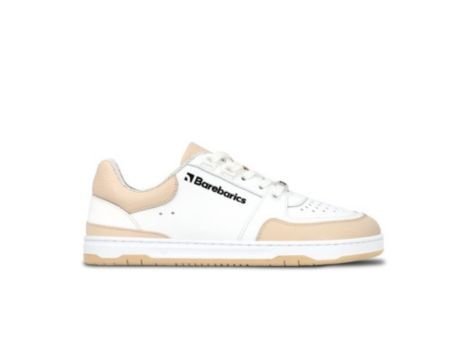
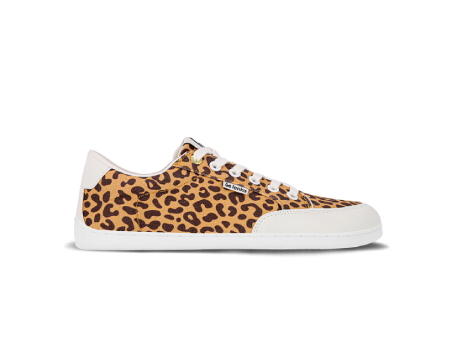
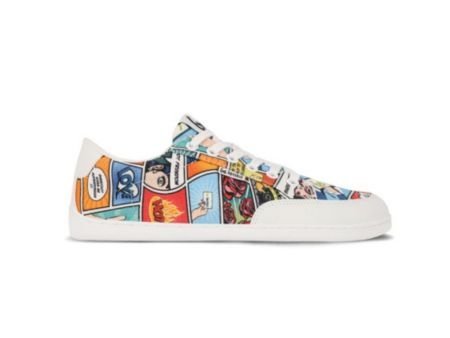
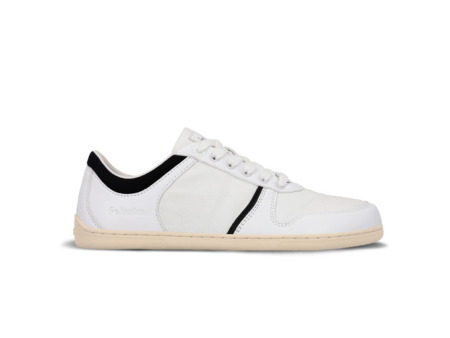
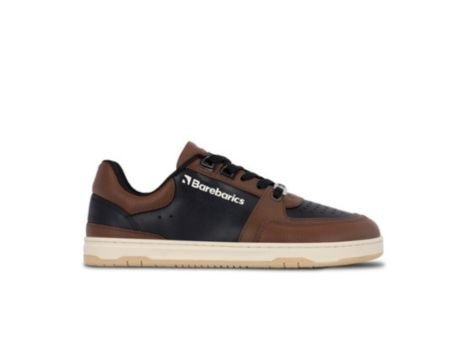
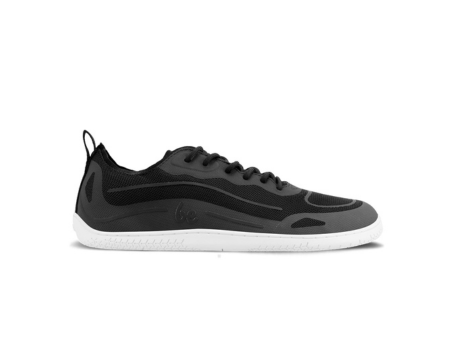
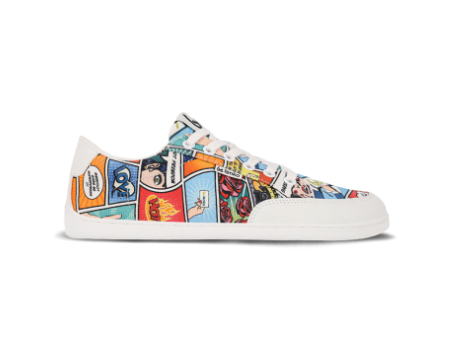
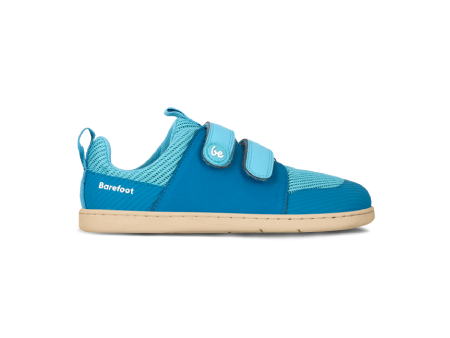
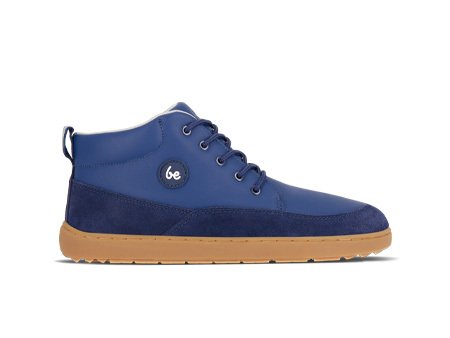
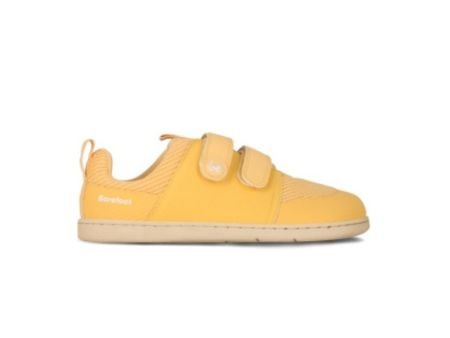
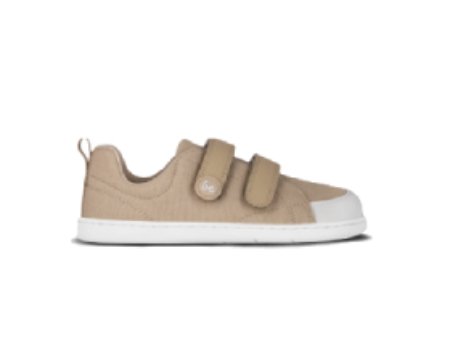
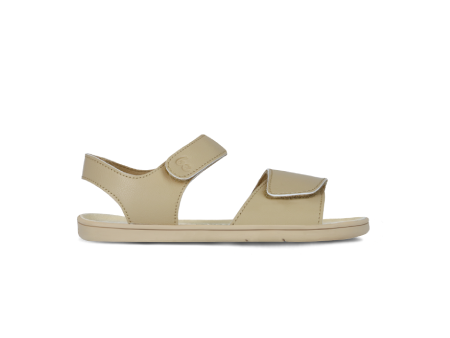
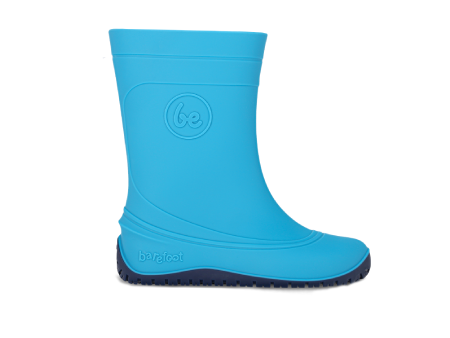
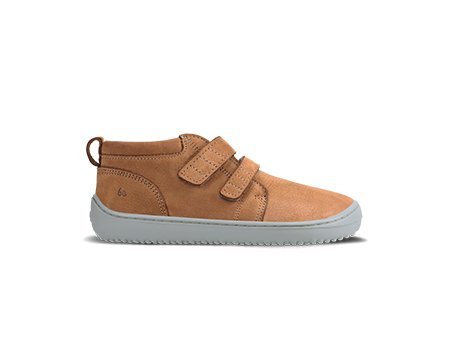
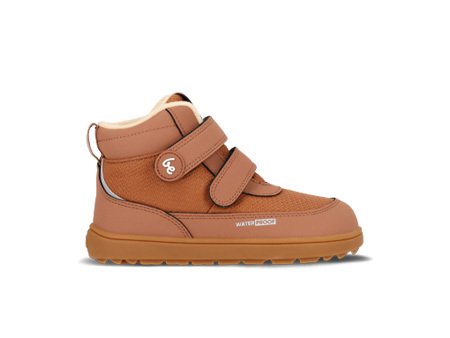
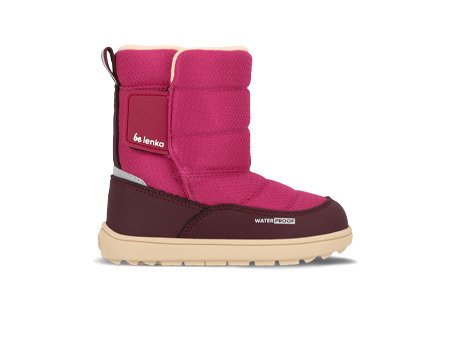


Kids' Barefoot Sneakers (66)
Scoot Kids



Luppo Kids
Canvi Kids
Glade Kids
Bounty Kids
Tinkee Kids
Energise Kids
Scoot Junior
Energise Preschool
Canvi Preschool
Glade Preschool
Kids Barefoot Sneakers
Kids Barefoot Sneakers
Kids Barefoot Sneakers
Bounty Junior
Customer reviews on Trustpilot
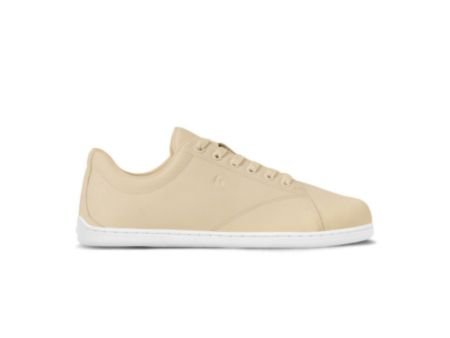
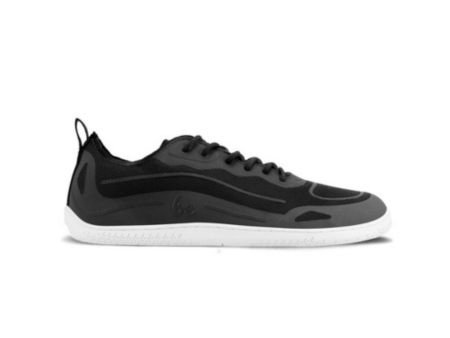
The everyday pair for school, playground and everything after. A wide toe box for growing toes, a sole that bends with every step and a build light enough to run in.
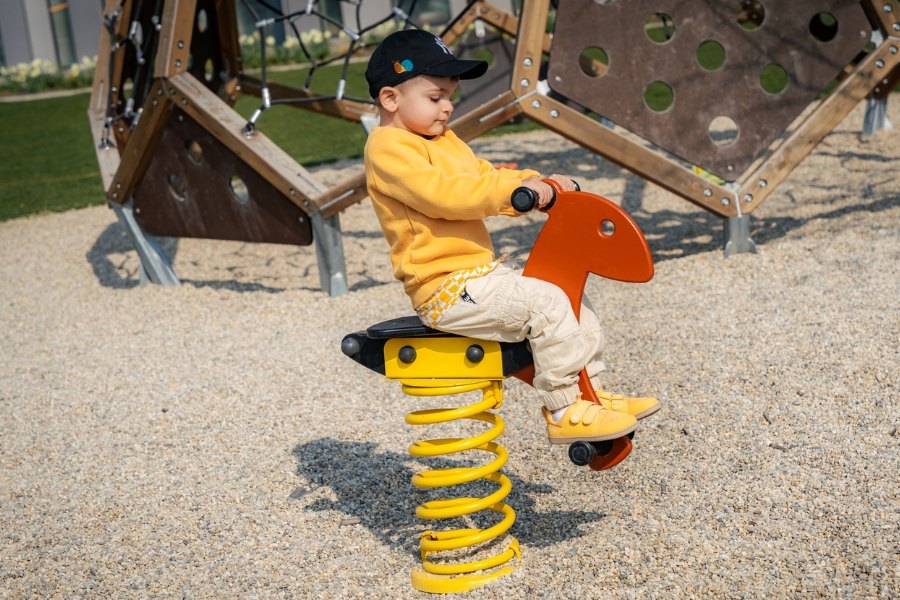
Light matters more for children than for adults
A child weighs a fraction of what an adult does, so a heavy shoe is proportionally a much bigger load. It changes how they run, how they climb and how long they last before they want to be carried.
Barefoot sneakers are built light and flexible. The sole bends where the foot bends, so pushing off a curb or a climbing frame works the way it does barefoot. The wide toe box lets toes spread and grip, which is what gives a child stability when they change direction at full speed.
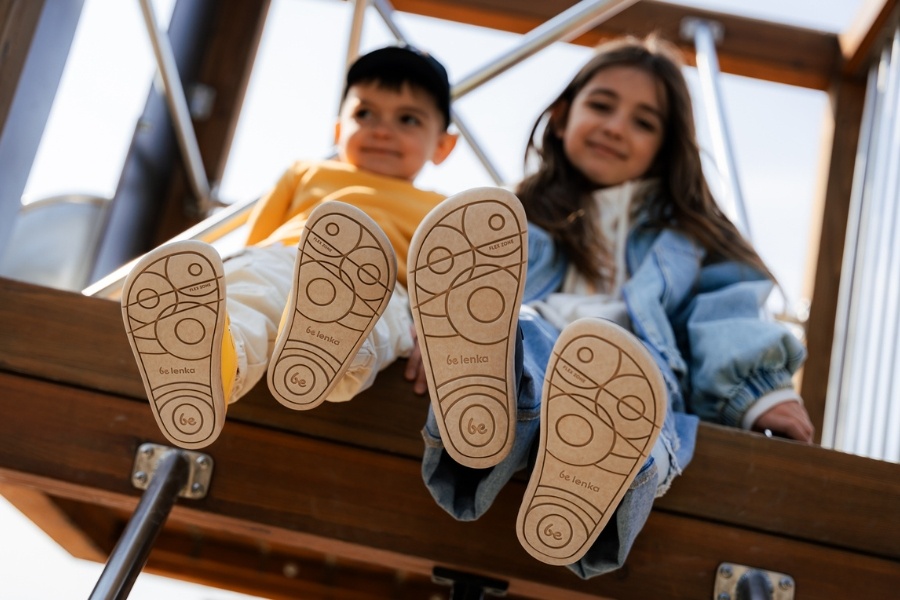
Closures they can handle
Laces are a skill, and most children learn it somewhere between five and seven. Before that, hook-and-loop straps and elastic closures mean a child can put their own shoes on — which matters every single morning.
For the fastest option, see slip-on sneakers. For school, school shoes are chosen with the whole day in mind, and sports and PE shoes cover gym class.
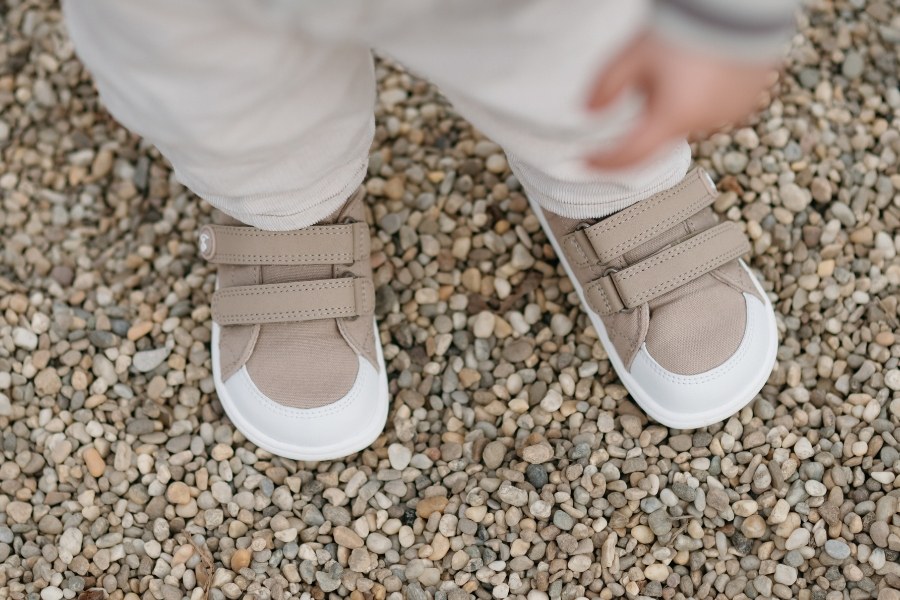
Made for a hard year
Playgrounds are hard on shoes. Toe areas scuff, seams take a beating, and soles get scraped along concrete. Materials are chosen for how they hold up to that, and every model is tested over thousands of steps before it goes on sale.
Rotating two pairs so each gets a day to dry out extends the life of both, and it means a wet morning never leaves you without options.
Are barefoot sneakers good for active kids?
+ -They are built for it. A flexible sole lets the foot push off naturally when running and climbing, a wide toe box gives a stable base when changing direction, and the light build means less to carry. Children usually adapt within days, because they have far fewer years of conventional footwear behind them.
What closure is best for my child’s age?
+ -Hook-and-loop straps or elastic closures for anyone who cannot yet tie laces — usually under five or six — since being able to manage their own shoes changes every morning. Laces work well for older children who can tie them securely and are less likely to leave them undone.
How much room should there be at the front?
+ -Roughly 0.4 to 0.5 inches (10–12 mm) beyond the longest toe. Measure both feet, use the longer one and compare with the size chart for the model. More room than that is not safer — a shoe that is much too long makes tripping more likely.
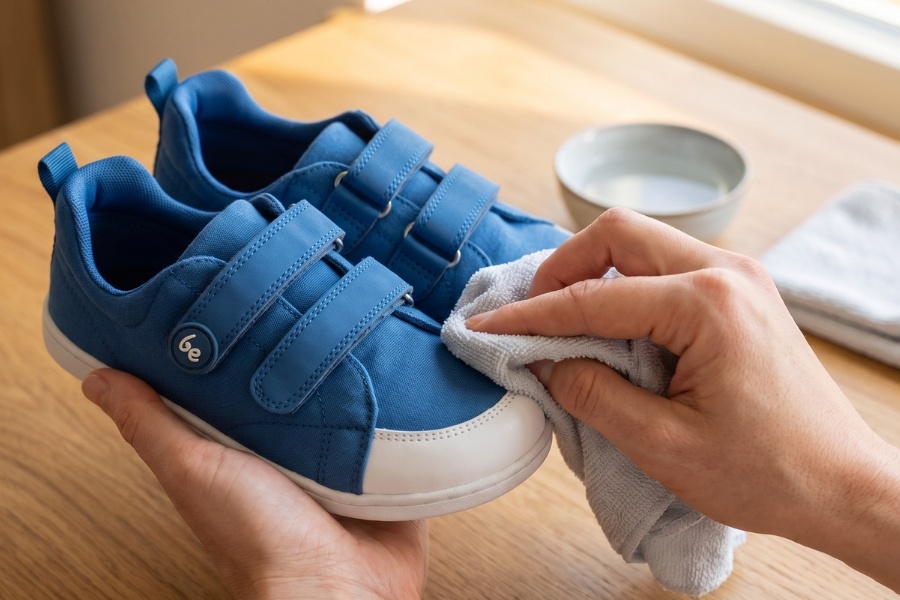
How do I clean them?
+ -Let them air out after wearing, away from direct sun, and brush off dry dirt once it is dry rather than while it is wet. For heavier soiling, use a cleaning foam made for textile footwear and work gently — no washing machine, which damages adhesives and deforms the sole.