 DE / USD

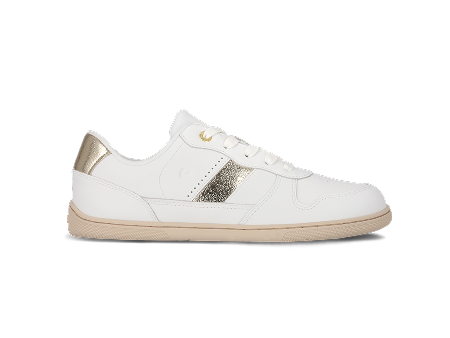
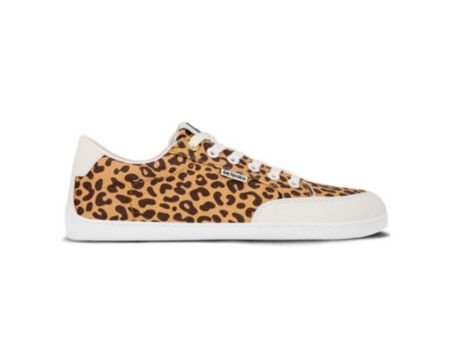
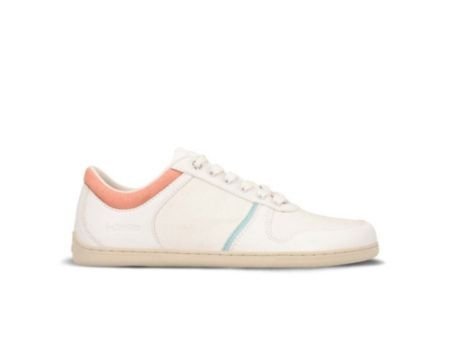
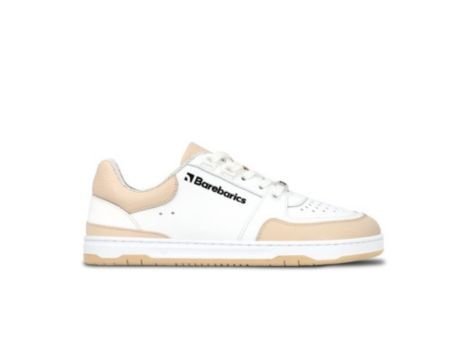
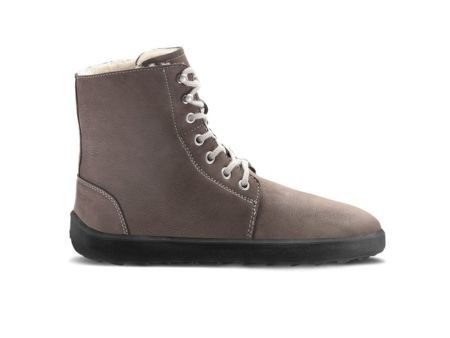
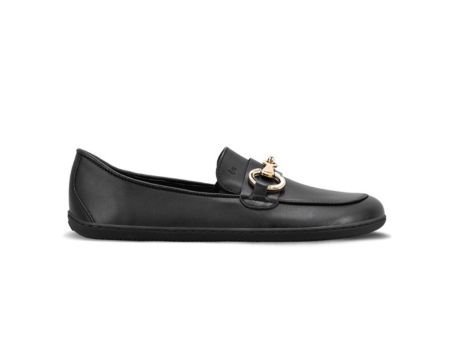
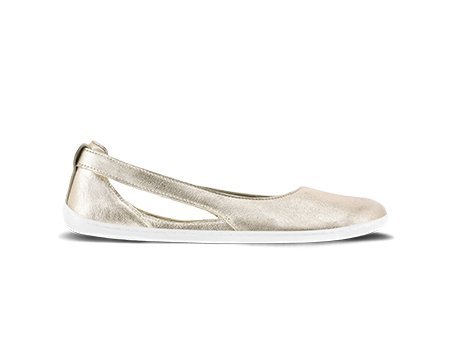
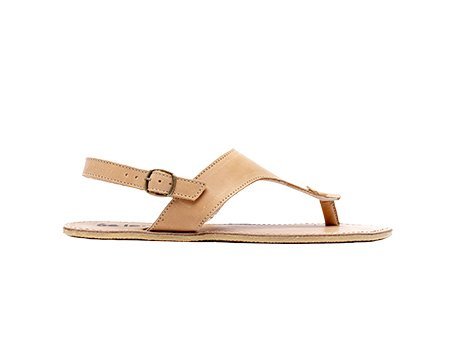
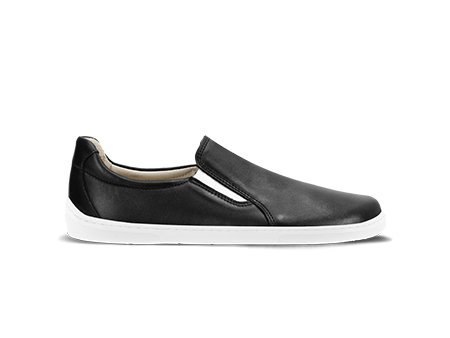
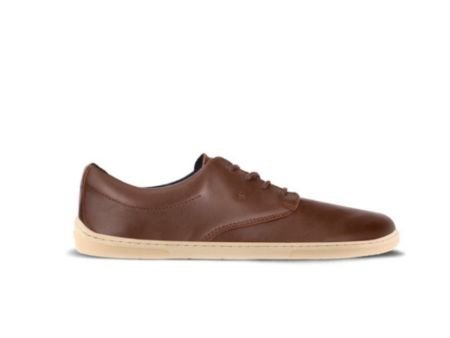
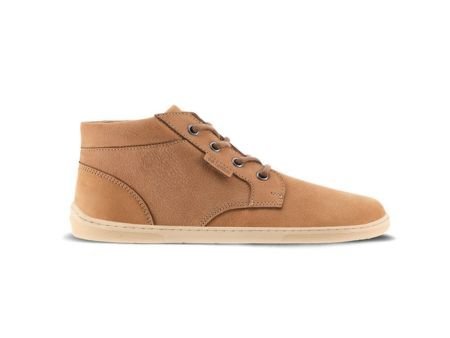
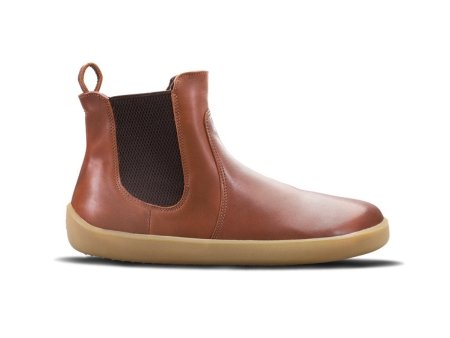
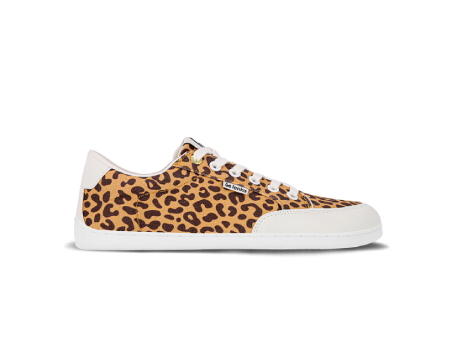
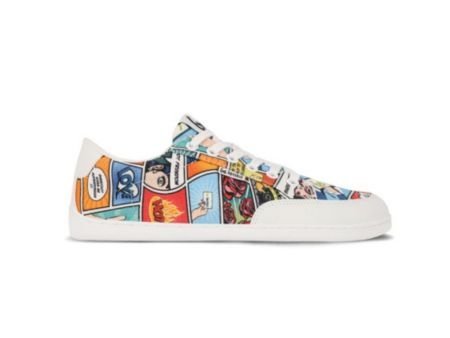
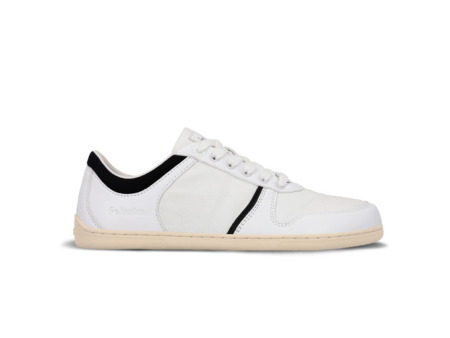
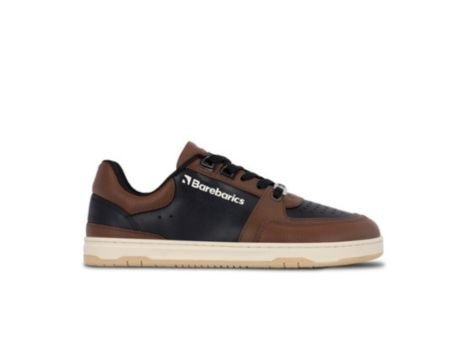
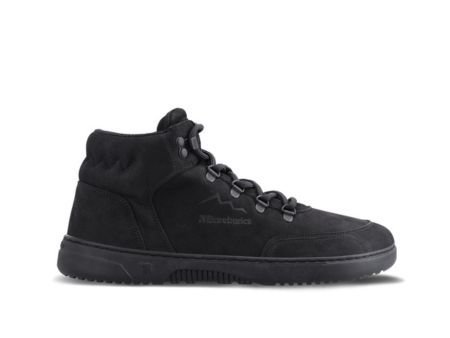
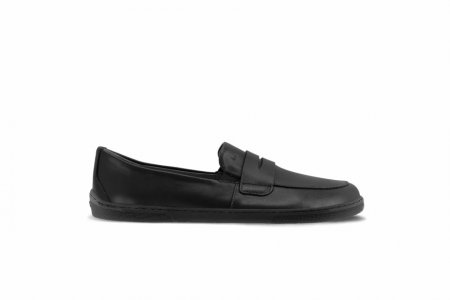
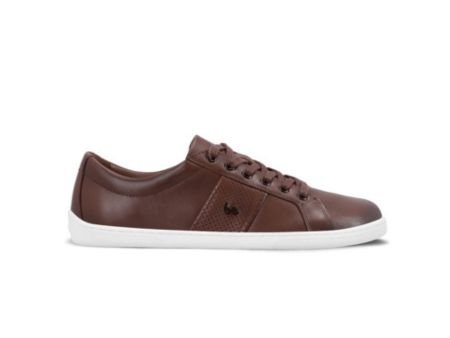
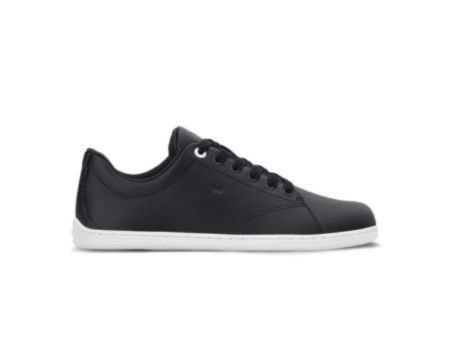
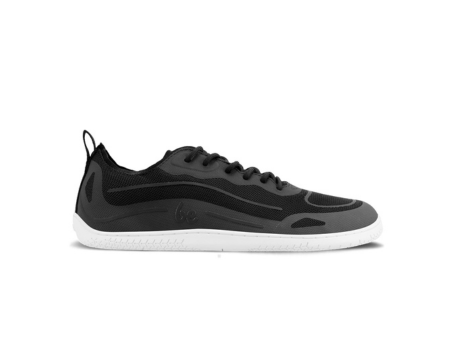
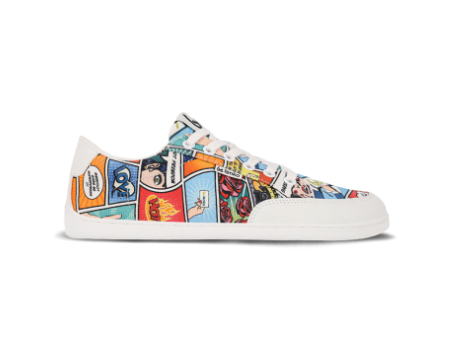
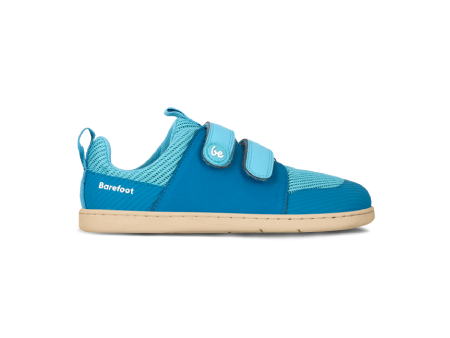
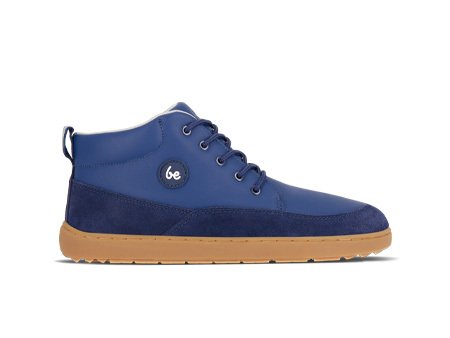
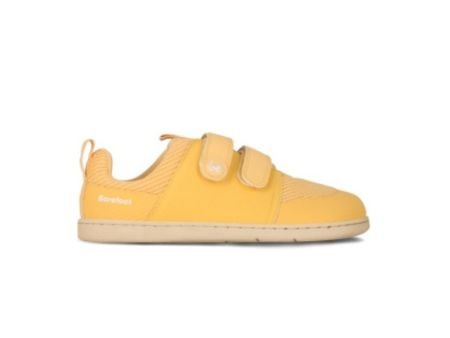
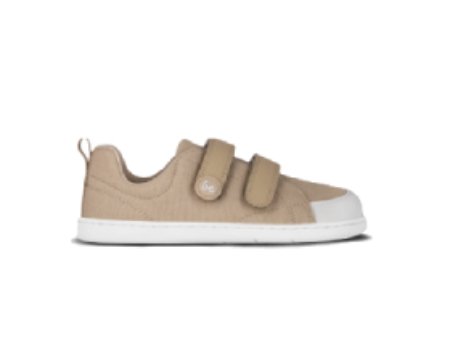
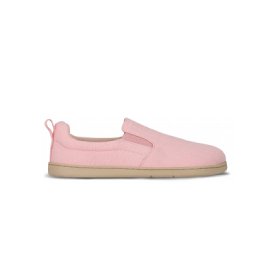
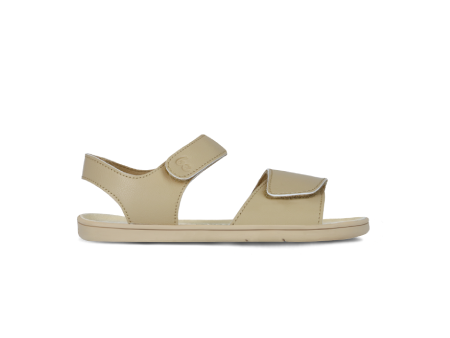
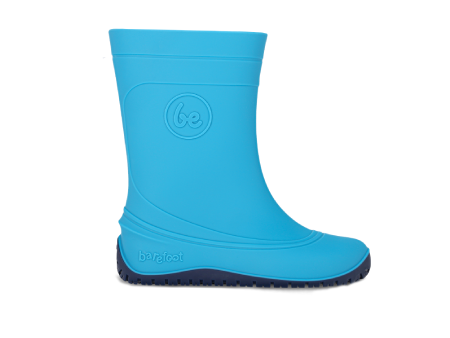
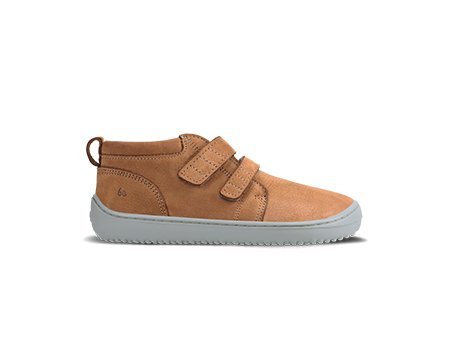
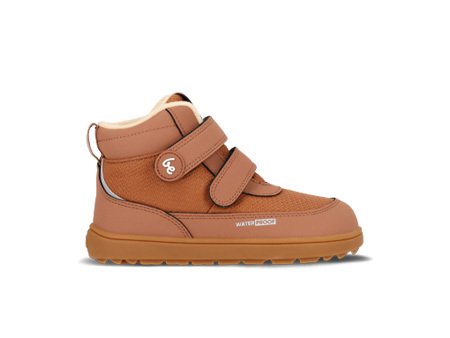
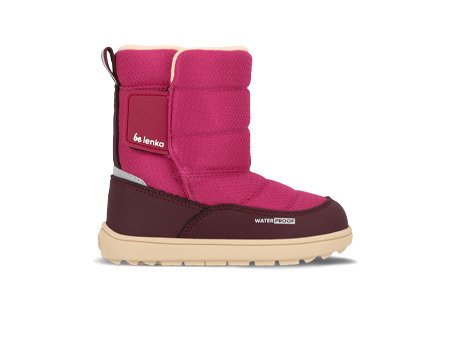


Kids' All-Year Barefoot Shoes (17)
Luppo Kids



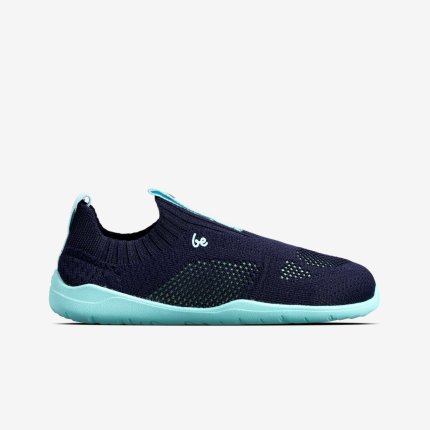
Luppo Junior
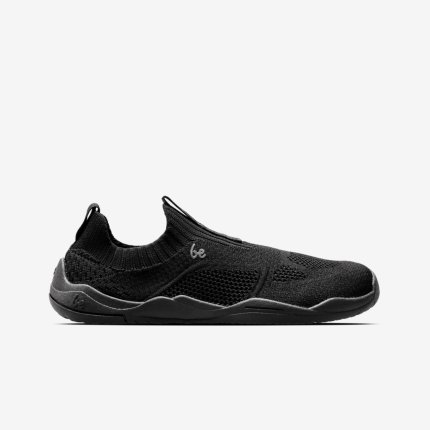
Elio Kids
Luppo Preschool
Elio Preschool
Elio Junior
You have seen 17 of 17 products
Customer reviews on Trustpilot
Models that work in most weather, so one pair covers more of the year. Closed, light, flexible and wide at the toes, from cool spring mornings to mild fall days.
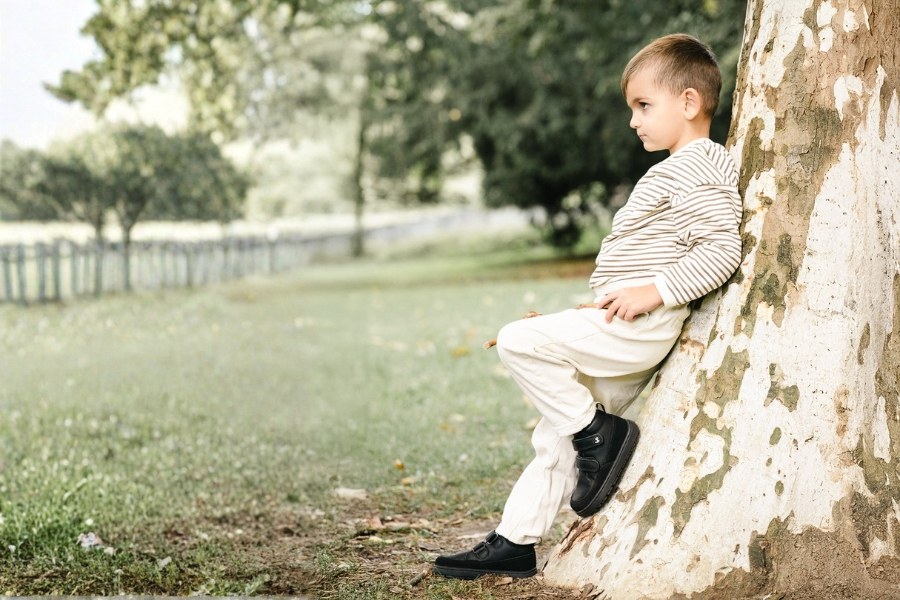
Fewer pairs, more wear out of each
Children outgrow shoes faster than they wear them out, which makes a versatile pair better value than several specialized ones. An all-year model is closed enough for cool mornings, breathable enough for warm afternoons and treated enough for a wet sidewalk.
What it will not do is deep snow or a heatwave. For those, snow boots and sandals exist. Everything between is what this category covers.
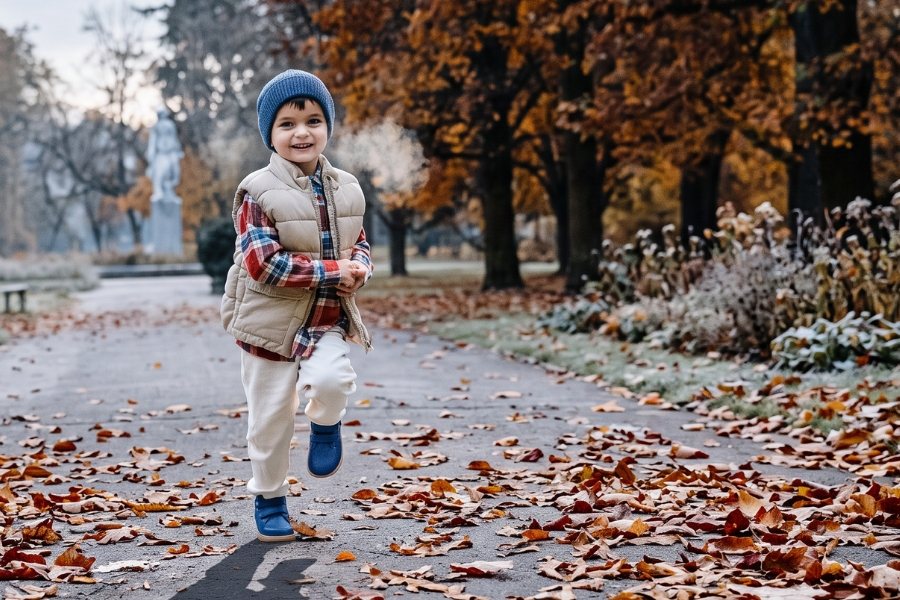
What makes a shoe work year-round
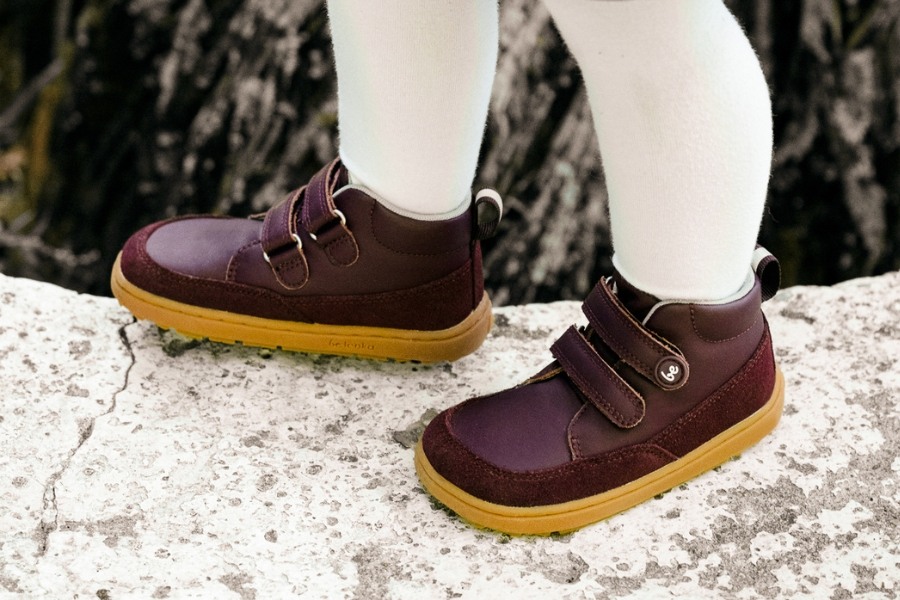
A closed upper that breathes, a water-repellent finish that handles rain without trapping heat, and a sole with enough tread for wet leaves and loose gravel. Plus the barefoot fundamentals: a wide toe box for growing toes, a flexible sole and a light build.
A closure the child can manage alone matters here too, since an all-year shoe is the one they will be putting on most mornings.
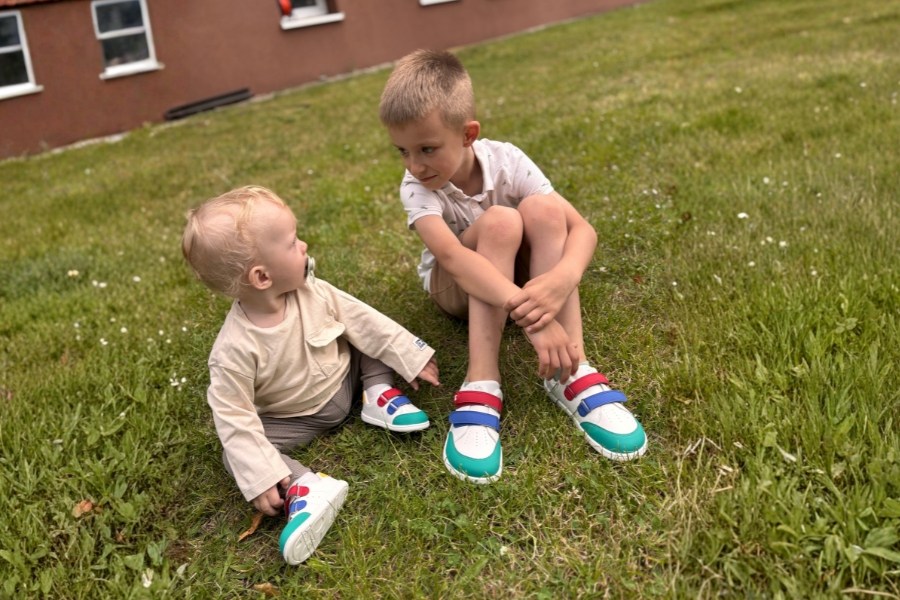
How it fits the wardrobe
Most families end up with three pairs a year: an all-year model for the bulk of it, something open for summer, and something warm for winter.
What weather do all-year shoes actually cover?
+ -Roughly 40 to 70 °F (5–20 °C), plus rain and damp ground within that range. For hard frost, snow or a heatwave, a seasonal model is the better choice.
Are they waterproof?
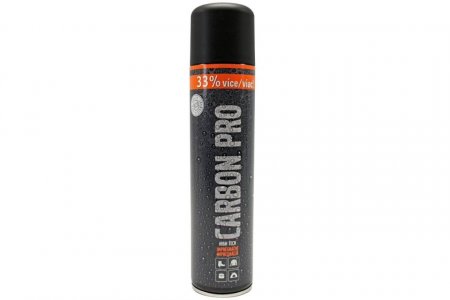
+ -Most have a water-repellent finish that handles rain and wet sidewalks rather than a full waterproof membrane. Reapply a spray two or three times a year. For puddle season, rain boots are what you want.
Can one pair really cover most of the year?
+ -For the spring, fall and mild-winter months, yes, and many families run one all-year pair plus a summer and a winter option. Rotating two pairs still helps, since shoes that get a day to dry out last considerably longer.
How do I check they still fit?
+ -Every two to three months for toddlers, every three to four for older children. Measure the longer foot and check there is still roughly 0.4 to 0.5 inches (10–12 mm) beyond the longest toe.