 DE / USD



Barefoot Boots (18)
Entice


Barefoot Chelsea Boots

Barefoot Chelsea Boots

Barefoot Chelsea Boots

Barefoot Chelsea Boots
Barefoot Chelsea Boots
Barefoot Chelsea Boots
Barefoot Chelsea Boots
Barefoot Chelsea Boots
Evon
PolarStride
Snowfox Woman
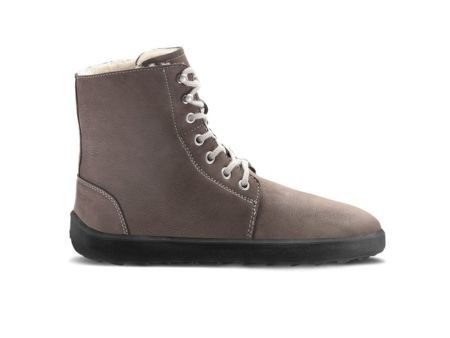
Winter Barefoot Boots
Glam
Allure
Diva
You have seen 18 of 18 products
Customer reviews on Trustpilot
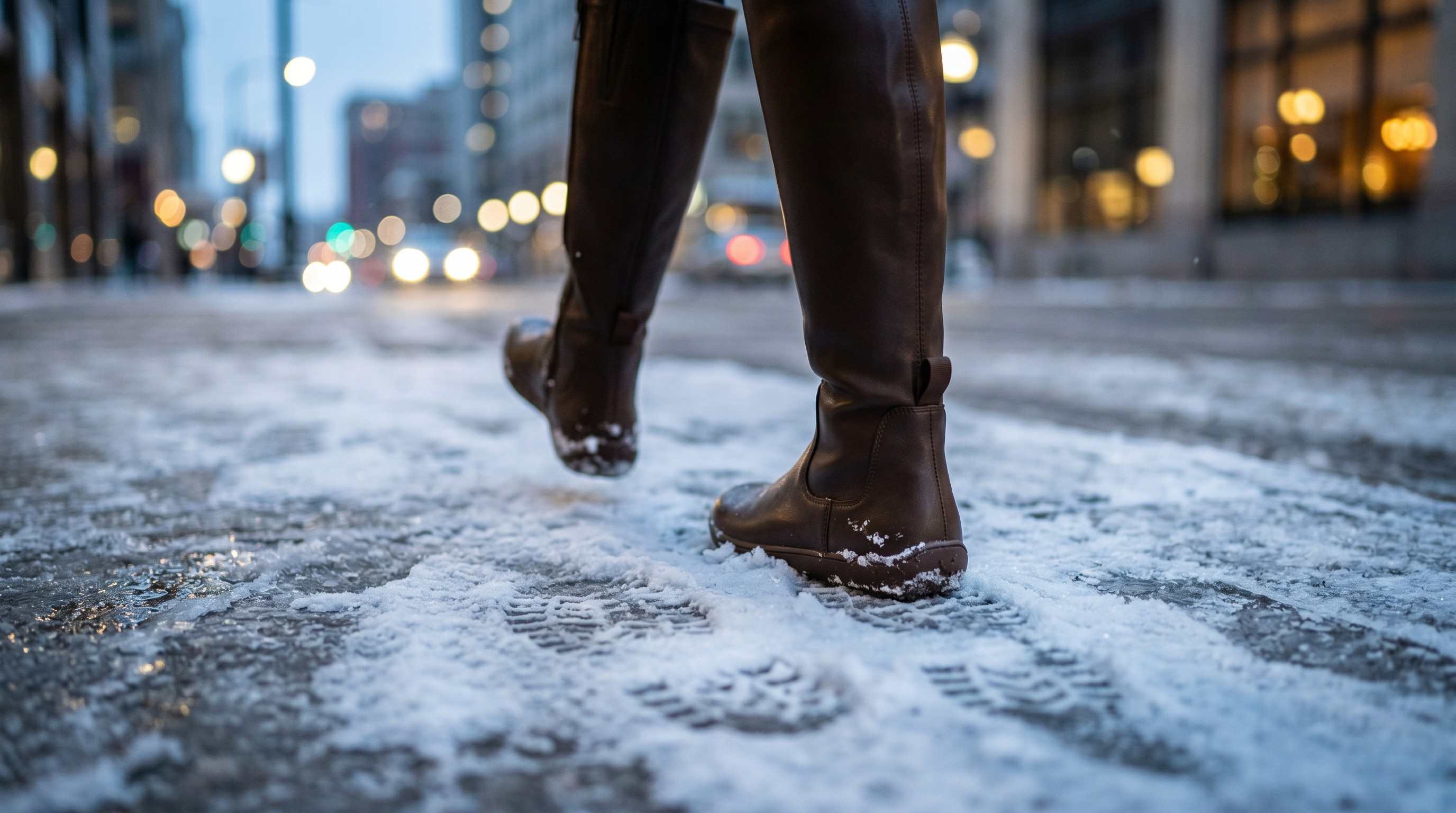
Barefoot boots are the pair you reach for when the morning starts cold and you come home across wet sidewalks. You want warmth, a sure step and room for your foot to move. That is exactly where they sit — cold-season comfort without the stiffness.
Warmth that does not cost you freedom
Winter footwear should protect you from the cold without locking your foot into an unnatural shape. In barefoot boots your toes have room at the front and can spread, which helps your body hold its balance and helps your feet stay warm — a foot that is not compressed keeps its circulation going.
A flat, flexible sole follows your movement and keeps your heel level with your toes, so your foot works freely rather than fighting the shoe. You notice it on the daily commute and on a long winter walk alike. Be Lenka builds its cold-season models on carefully chosen materials and careful construction, so they feel dependable from the first time you put them on and still look good months later.
What is the difference between barefoot boots and regular boots?
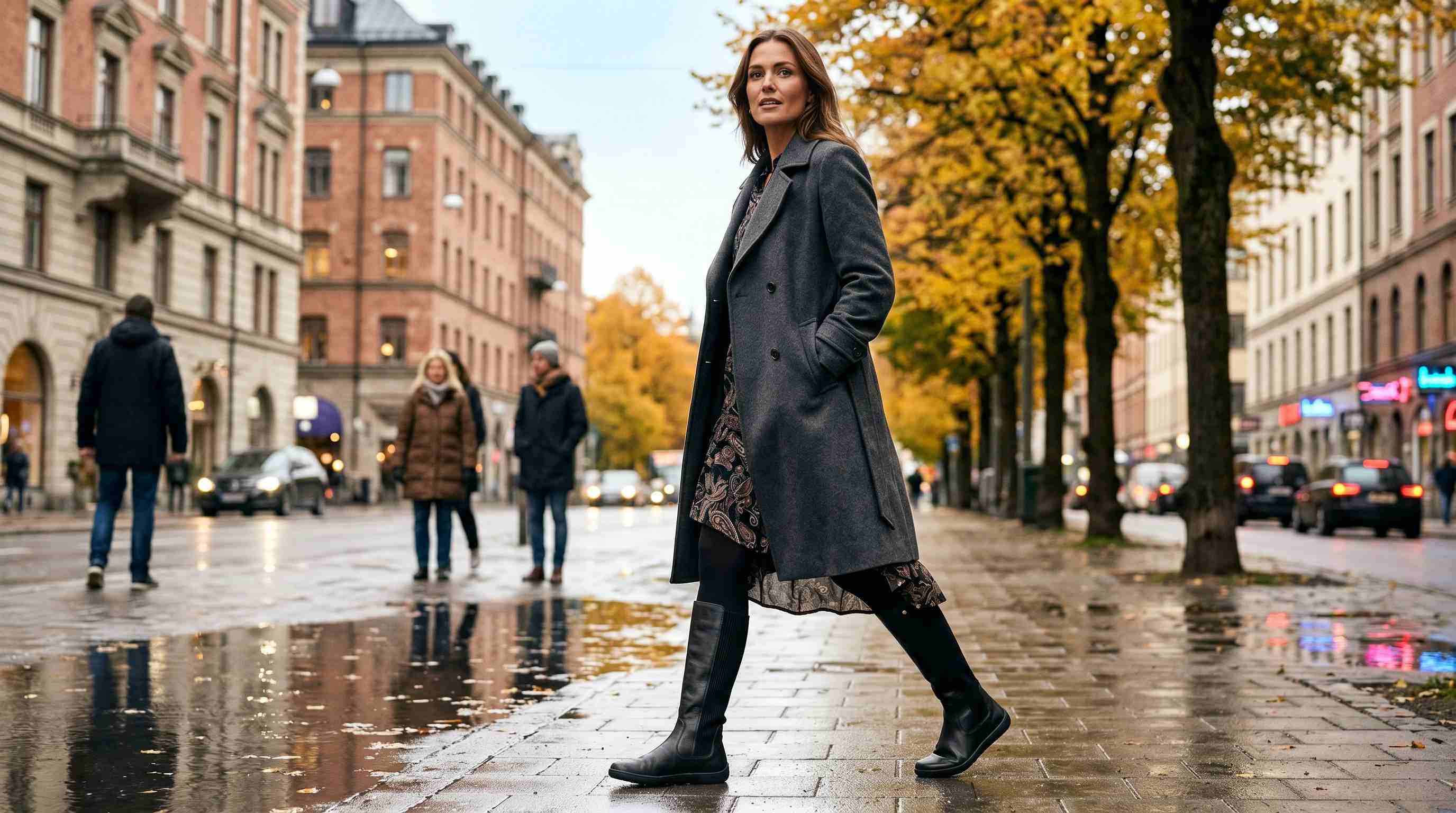
Space, flexibility, and the feel of each step. Regular boots hold the foot firmly in the shape of the shoe. Barefoot boots respect the natural shape of the foot and let it do its job. Toes are not compressed, the sole bends along with your stride, and you read the surface under you far better — which counts for a lot on a slick sidewalk.
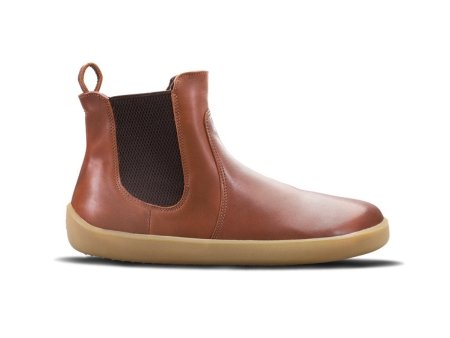
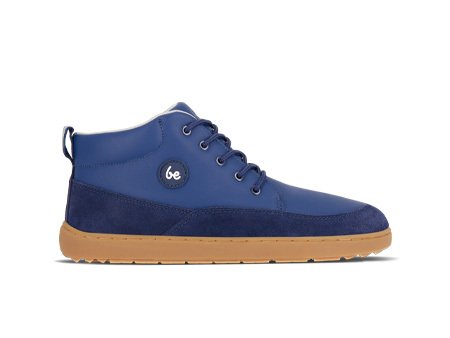
Our range covers everything from ankle-height everyday pairs like Entice Neo and Nevada Neo to taller silhouettes such as Charlotte and Sierra. For the coldest weeks, look at barefoot snow boots with insulation and a water-repellent upper, or the full winter barefoot shoes selection. If you like a pull-on design, Chelsea barefoot boots are the easiest of the lot.
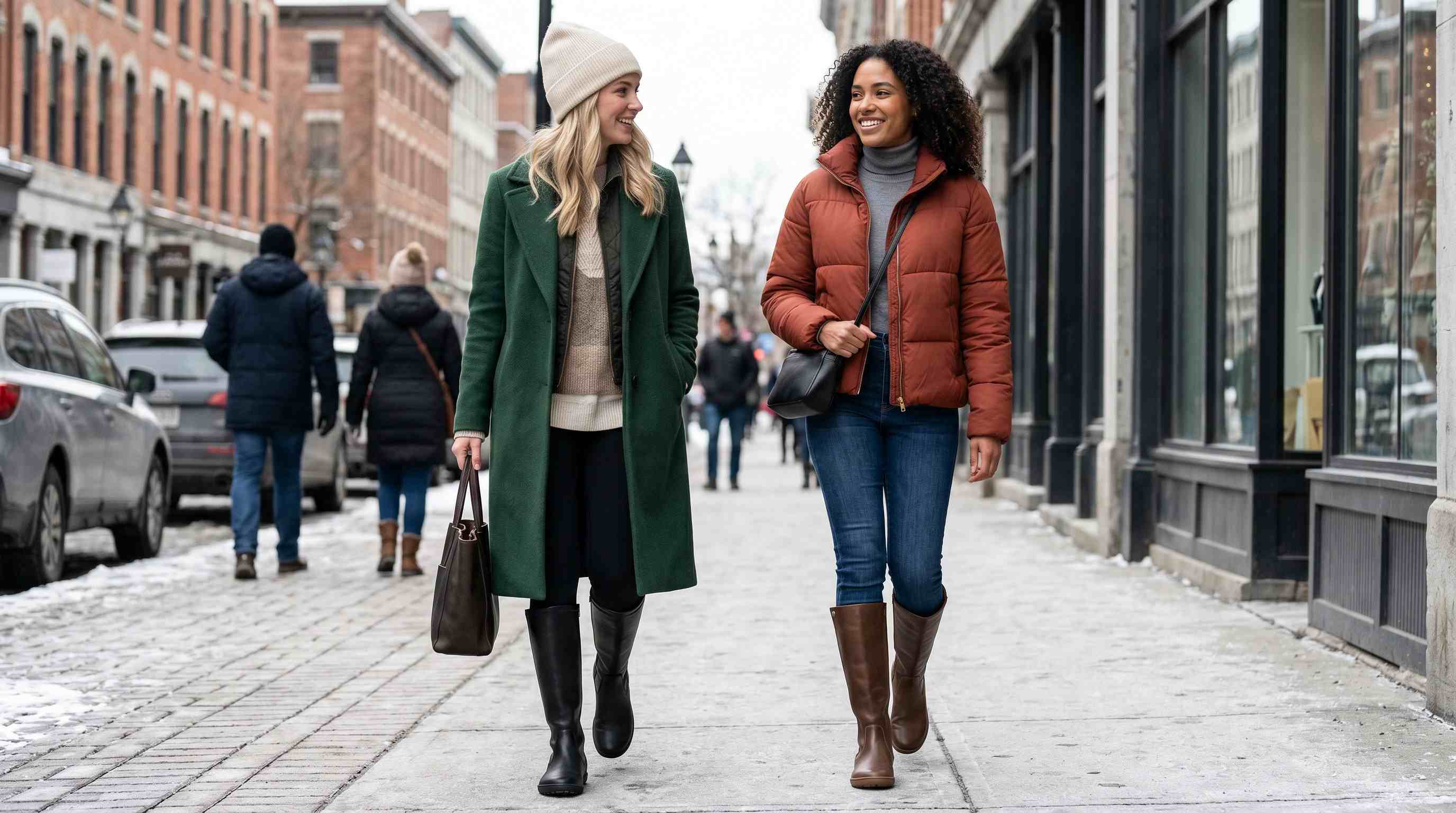
When every detail has a reason
A good boot has to do more than make a strong first impression. What matters is how it fits at hour eight, how it holds warmth and how it behaves over a whole season. Be Lenka invests continuously in research and development, including its own sole compounds, which is why barefoot boots can feel light and still keep up with a cold, busy week.
For women, women’s barefoot boots run from ankle height to tall shafts. For men, men’s ankle boots and high tops cover the everyday end of the season.
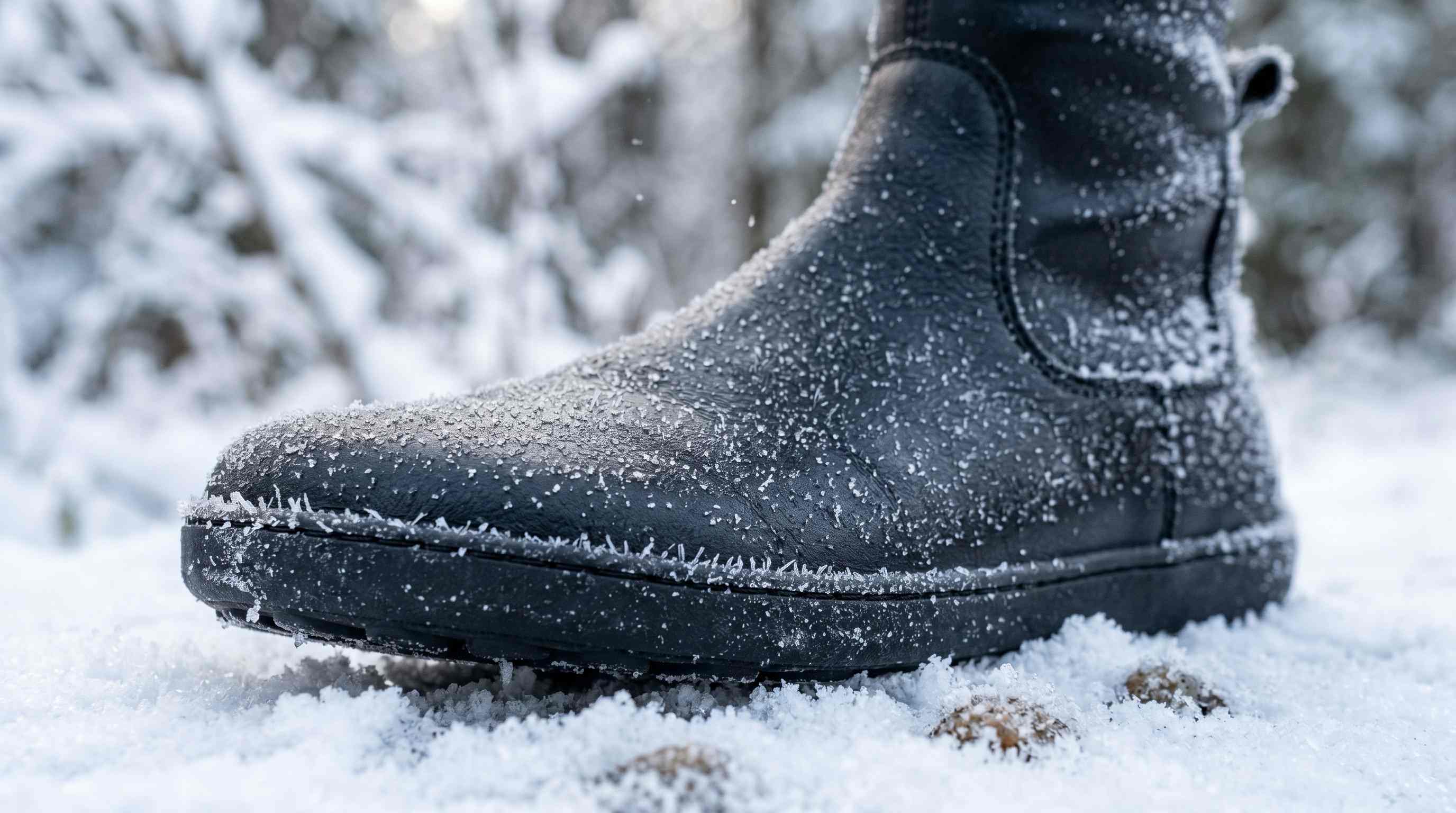
How to care for leather barefoot boots
Leather boots deserve regular attention, especially in winter. Let them dry naturally after wearing and brush off dirt and road salt gently. Once clean, apply a protector suited to the material: a water-repellent spray for all-around protection, or a natural leather wax on all-leather models to nourish the material and keep it supple.
Avoid drying boots next to a radiator so the leather keeps its flexibility. Cared for through the season, they will repay you with comfort and a sure step. And that is the whole point of winter footwear — put them on without a second thought and head out. Everything you need is in our shoe care section.
Do barefoot boots have enough room for my toes?
+ -They do — that is the point of the design. The front of the boot follows the shape of the foot, so your toes are not compressed and can spread as you walk. In winter that matters for more than comfort: a boot that is too tight restricts circulation, and cold feet usually follow. With the right size, your foot can work naturally even in a cold-weather shoe, your step is steadier and the boots stay comfortable through a long day.
How do I choose the right size in barefoot boots?
+ -Measure the length and width of your foot first, then compare both with the size chart for the model. Winter boots should not fit closely. Your foot needs room for natural movement and, on cold days, for a thicker sock as well. Your toes should not hit the front, and your heel should sit comfortably without lifting out. When trying them on, check the fit at the toes, over the instep and around the ankle.
Are barefoot boots warm enough for winter?
+ -Insulated models are made for cold days and hold warmth well, helped by the fact that your foot is not compressed and keeps its natural circulation. How warm they feel also depends on how long you are outside, how much you are moving and which socks you wear — wool or merino makes a real difference. For deep cold and snow, choose from barefoot snow boots instead.
Are barefoot boots waterproof?
+ -It depends on the model. Many have a water-repellent upper that handles rain, slush and city snow, and some come with a membrane for wetter conditions. Reapply a water-repellent spray two or three times a season and always after a real soaking, and check the specific model page for what it is built to handle.