 DE / USD

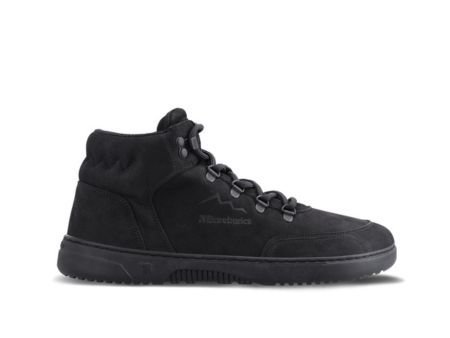
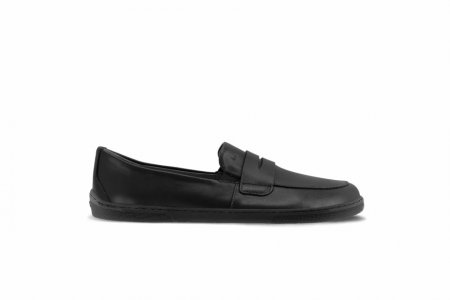
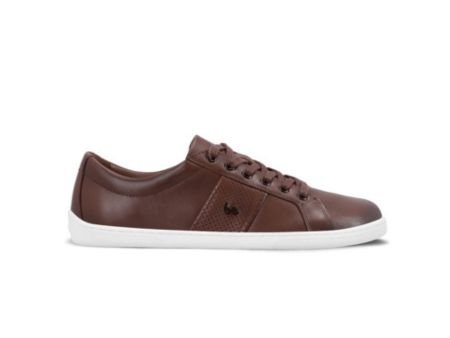
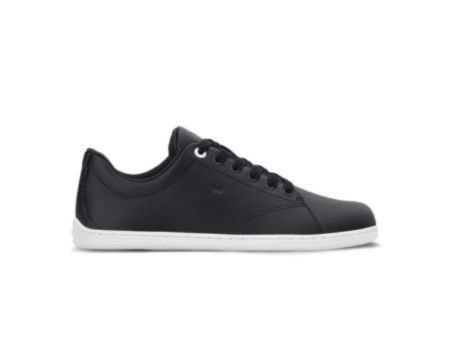
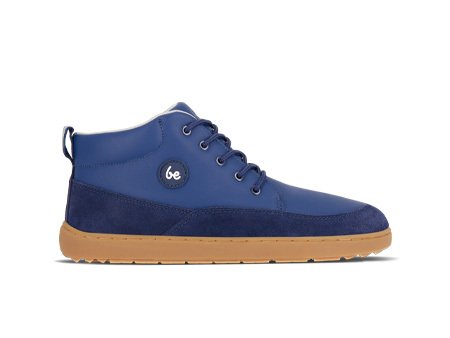


Kids' Winter Barefoot Shoes (28)

Elio Kids



Elio Preschool
Elio Junior
Zippu Kids
Kids winter barefoot boots
Kids winter barefoot boots
Kids winter barefoot boots
Zippu Junior
Kids winter barefoot boots
Kids winter barefoot boots
Kids winter barefoot boots
Zippu Preschool
Kids winter barefoot boots
Kids winter barefoot boots
Kids winter barefoot boots
Snowfox Kids
Ailo Kids
Kids barefoot snow boots
Kids barefoot snow boots
Ailo Junior
Kids barefoot snow boots
Ailo Preschool
Kids barefoot snow boots
Kids barefoot snow boots
You have seen 28 of 28 products
Customer reviews on Trustpilot
Cold-weather shoes that are not full snow boots. Warm linings and grippy soles for frosty mornings and city winters, with room at the toes so feet stay warmer.
The everyday winter pair
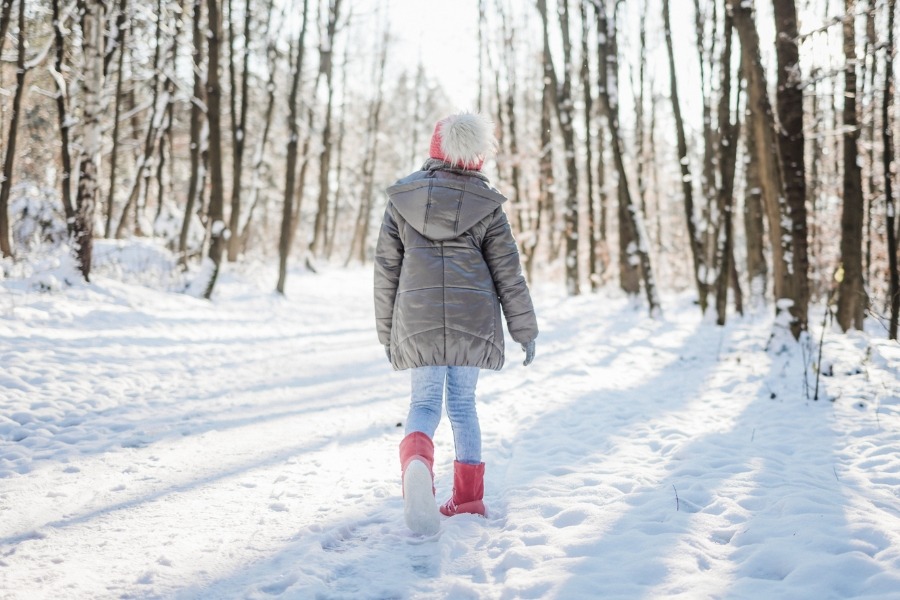
Most winter days are not deep snow. They are cold air, wet sidewalks and slush at the crossings, with a school run at each end. A full snow boot is more than that day needs, and children move better in something lighter.
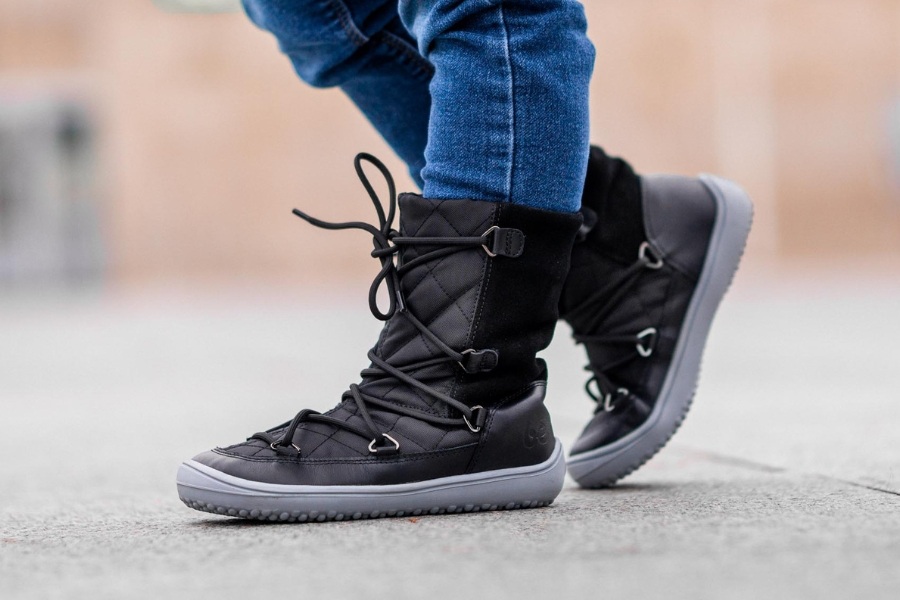
Winter barefoot shoes sit in between: a warm lining and a treated upper for the cold and wet, with a flexible sole and a wide toe box so a child can still run, climb and grip.
Warmth comes from room, not compression
A shoe that squeezes a foot restricts circulation, which is why cold toes so often come out of boots that were supposed to be warm. A wide toe box lets toes move and leaves space for a wool sock, and wool does more for warmth than an extra layer of insulation in a tight shoe.
For deep snow and long time outdoors, see snow boots. For the wet end of winter, rain boots.
Care through the salt season
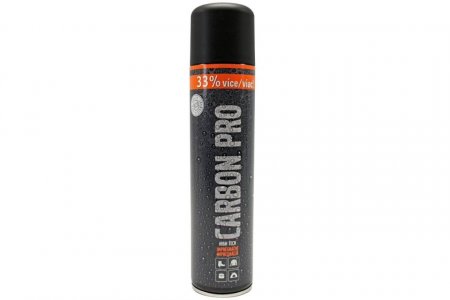
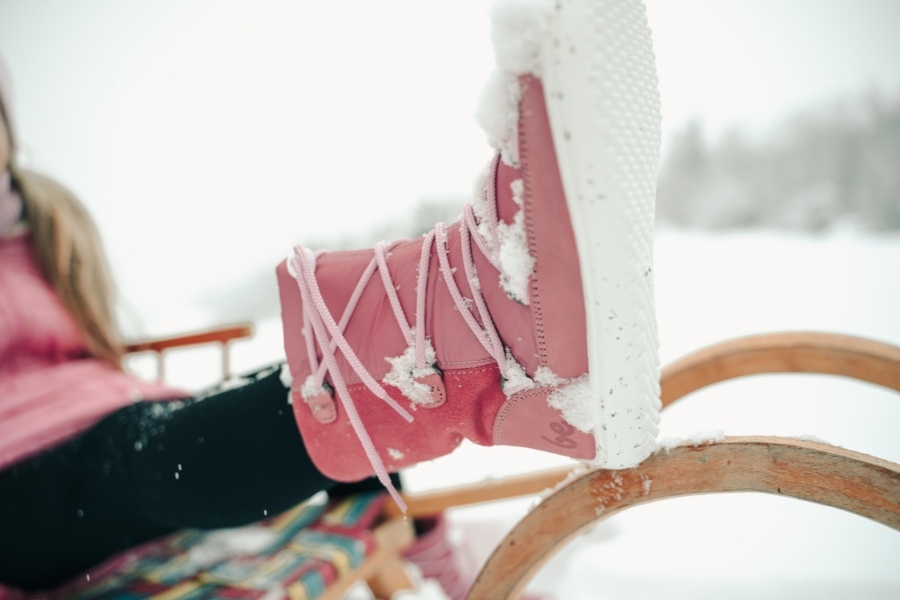
Brush road salt off the same day rather than letting it dry into the upper. Let shoes dry at room temperature away from radiators, take out removable insoles, and reapply a water-repellent spray two or three times through the season.
Are winter shoes warm enough without being snow boots?
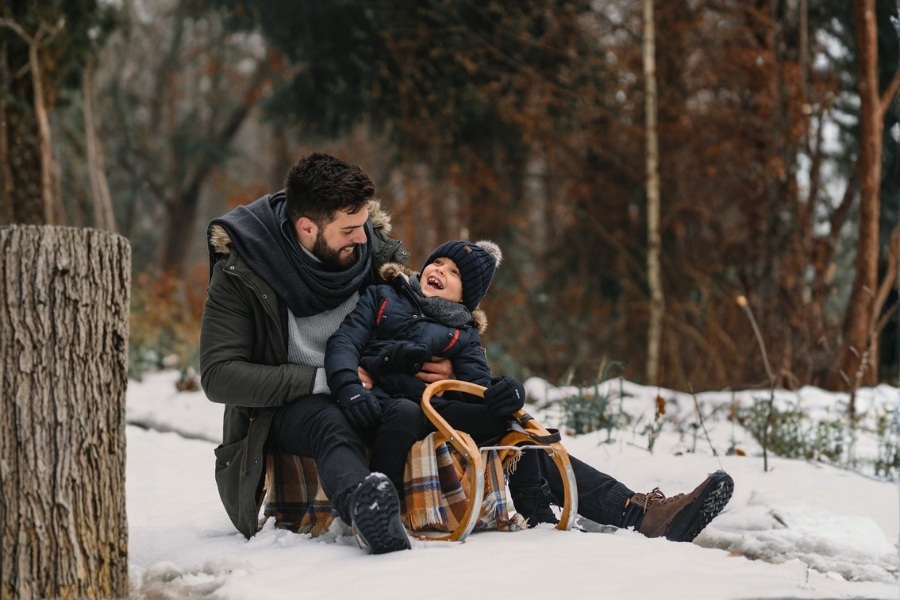
+ -For frosty mornings, city winters and the school run, yes. They have a warm lining and a treated upper, and the roomy toe box leaves space for a wool sock. For deep snow, hard frost or long periods standing outside, snow boots are the better choice.
What socks should my child wear?
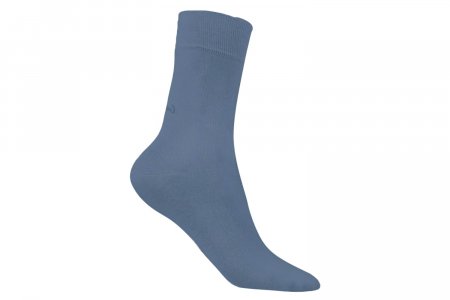
+ -Wool or merino in real cold — they hold warmth far better than cotton, even when slightly damp. The wide toe box means a thicker sock fits without crowding the toes, which is what keeps circulation going and feet warm.
Should I buy a size up for winter?
+ -No. Keep the normal growing room and check that a winter sock still fits comfortably. A shoe that is much too large lets cold air circulate and makes walking on slippery ground harder.
Are they waterproof?
+ -Most have a water-repellent upper that handles slush and wet sidewalks, and some come with a membrane. Check the specific model, reapply a water-repellent spray a few times through the season, and let them dry naturally after every wet day.