 DE / USD

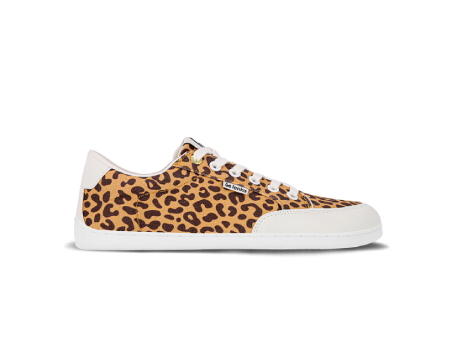
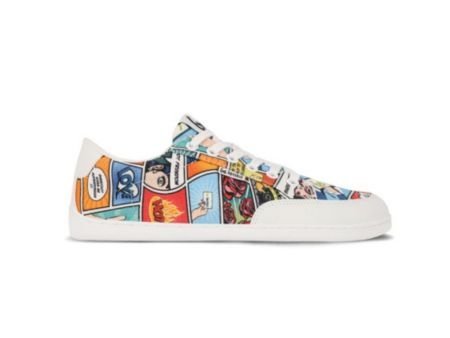
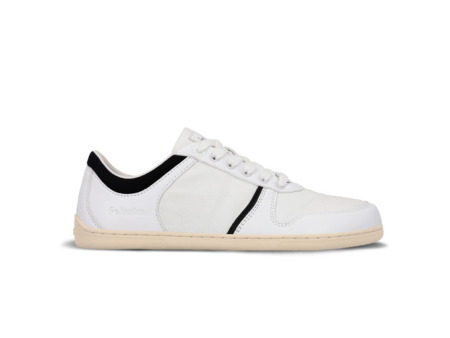
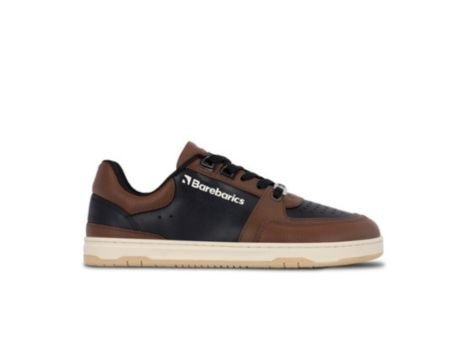
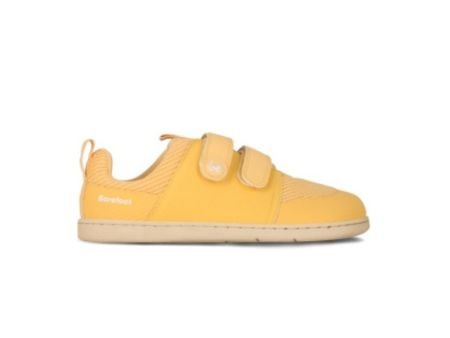
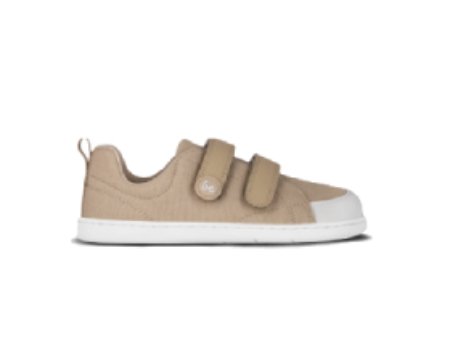
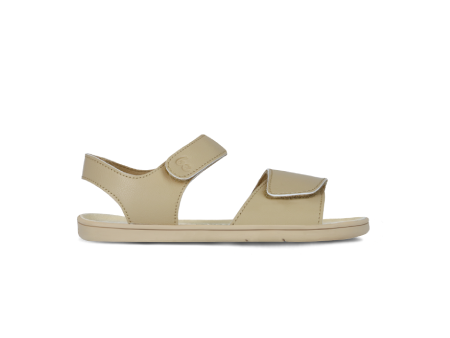
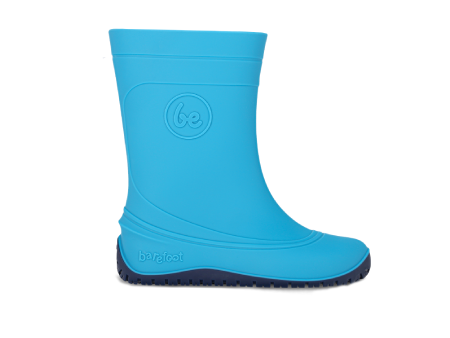
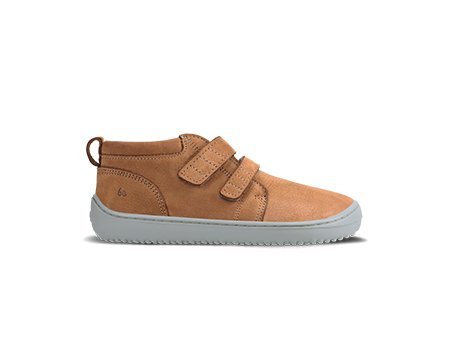
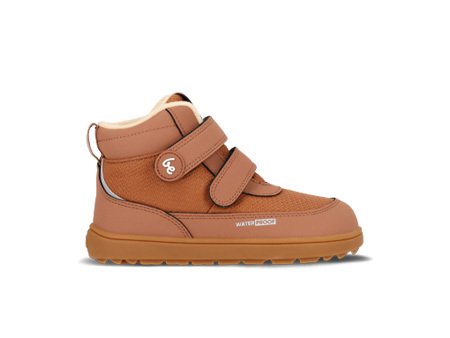
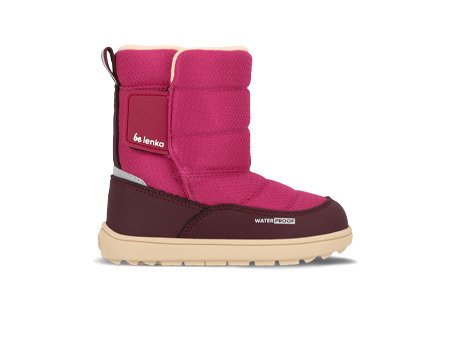


Toddler Barefoot Shoes (US 4-8) (26)
Energise Preschool


Kids barefoot sneakers

Kids barefoot sneakers
Canvi Preschool
Glade Preschool
Kids Barefoot Sneakers
Kids Barefoot Sneakers
Kids Barefoot Sneakers
Zest Preschool
Luppo Preschool
Elio Preschool
Kids Barefoot Shoes
Kids Barefoot Shoes
Ailo Preschool
You have seen 26 of 26 products
Customer reviews on Trustpilot
First steps need space, not support. A toddler foot is soft, wide and still forming, and it learns balance by feeling the ground. Soft uppers, thin flexible soles, US sizes 4 to 8.
What a toddler foot is actually doing
Learning. Every step is an experiment in balance, and the information comes through the sole of the foot. Toes grip, the arch works, the ankle corrects — dozens of small adjustments a minute, all of them driven by feeling the ground.
A stiff sole, a narrow toe box or a raised heel interrupts that. A thin, flexible sole and a wide toe box leave it intact. This is also why bare feet indoors are the best option of all at this age, and why shoes are for protection outdoors rather than for support.
What to look for in a first shoe
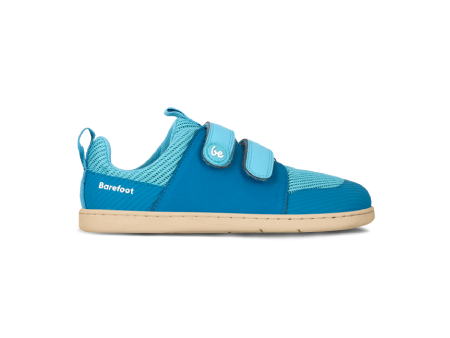
Soft, light and flexible enough to twist in your hands. Wide at the front so toes can spread. An opening wide enough to get a wriggling foot into without a fight, and a closure that holds it there — hook-and-loop straps are the practical answer.
Avoid anything with arch support, a firm heel counter or a thick sole. A healthy toddler foot does not need to be held; it needs to be allowed.
Sizing at this age
Toddler feet grow fast and unevenly. Measure both feet, use the longer one, and add roughly 0.4 to 0.5 inches (10–12 mm) beyond the longest toe. Then check again every two months — at this stage that is not an exaggeration.
Too much room is its own problem. A shoe significantly too long makes tripping more likely for a child who is still perfecting walking.
Where to go next
For everyday wear, see sneakers and slip-on sneakers. For summer, sandals; for puddles, rain boots. When they outgrow this range, little kid (US 8.5–2) is next.
Do toddlers need shoes with arch support?
+ -A healthy toddler foot develops its arch through movement — gripping, balancing and pushing off — and a supported arch does less of that work. Shoes at this age are for protecting the foot outdoors, not for shaping it. If a doctor or pediatric podiatrist has recommended specific support for your child, follow that advice.
When should my child start wearing shoes?
+ -Once they are walking outdoors and the ground calls for protection. Indoors and on safe surfaces, bare feet are ideal at this age. Many children go straight from barefoot to a soft, flexible first shoe without any intermediate stage.
How often do toddler feet grow?
+ -Fast, and in bursts. Check the fit every two months or so by measuring and looking at where the longest toe sits. Children this age will not tell you a shoe has become too small — they curl their toes or start pulling the shoes off.
How should a toddler shoe fit?
+ -Roughly 0.4 to 0.5 inches (10–12 mm) beyond the longest toe, wide enough that toes are not touching the sides, and secure enough at the heel that the shoe stays on. Much more room than that is not safer — it makes tripping more likely while they are still mastering walking.