 DE / USD

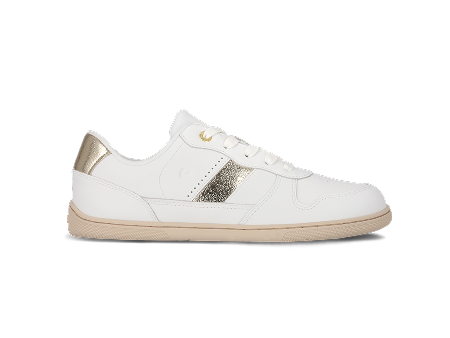
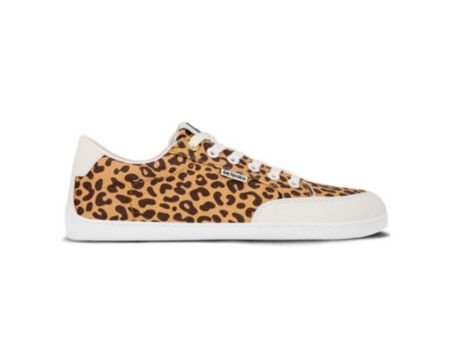
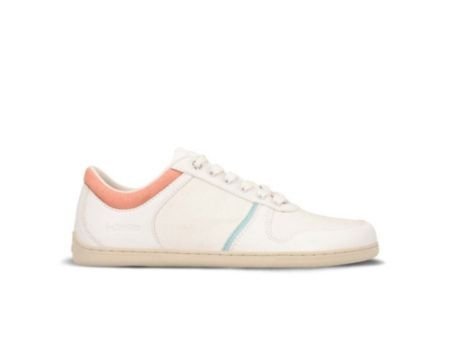
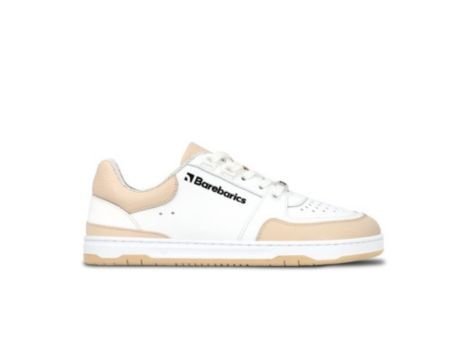
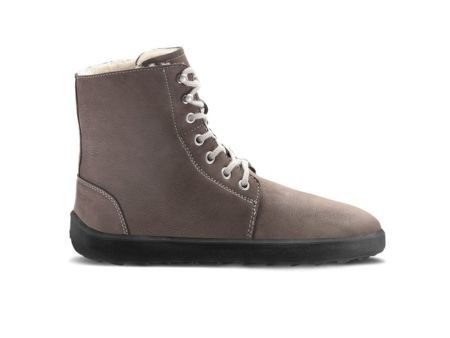
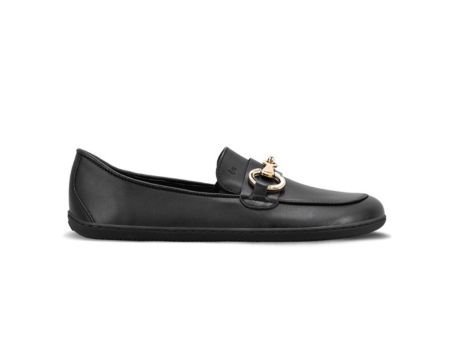
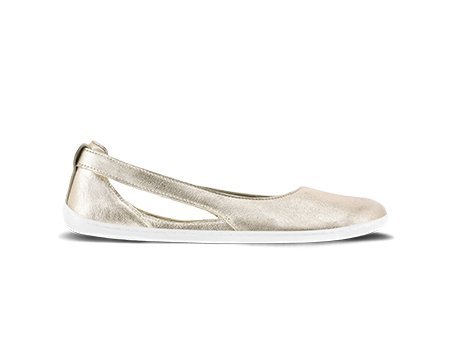
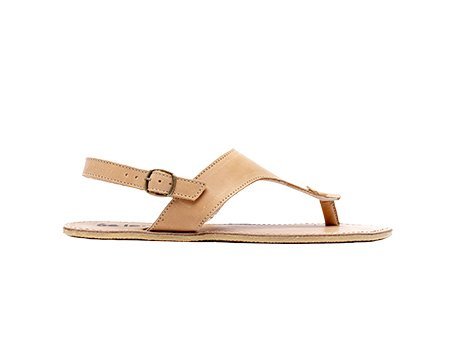
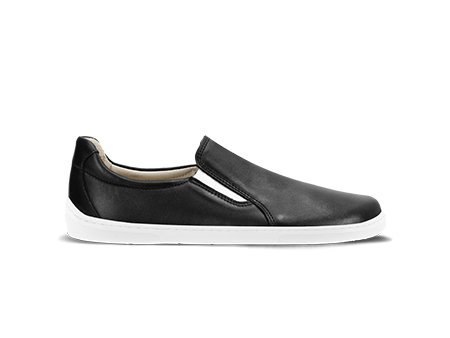
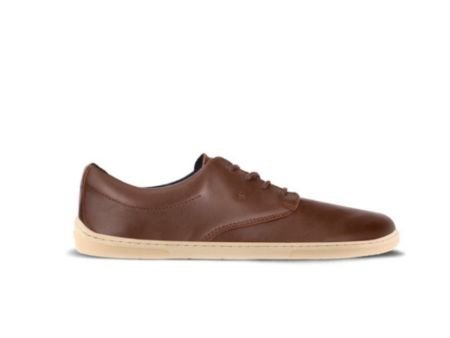
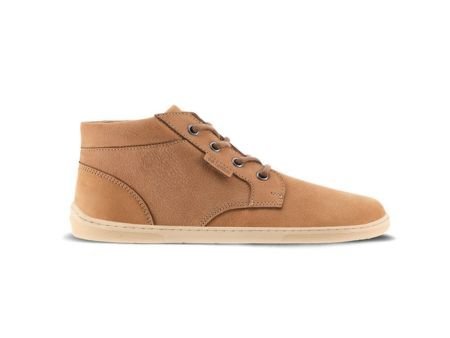
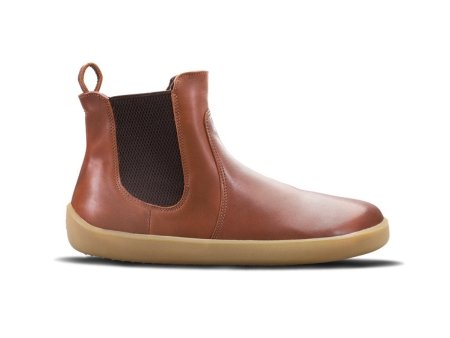
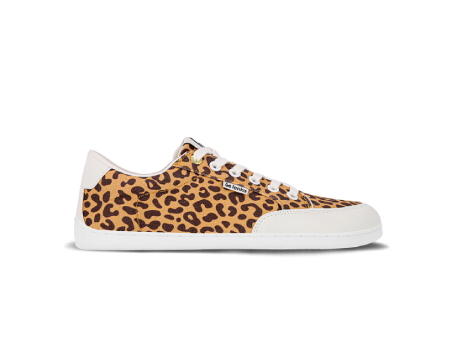
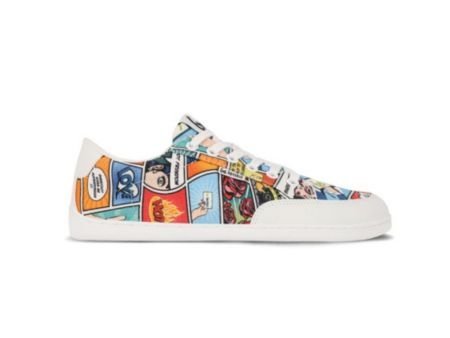
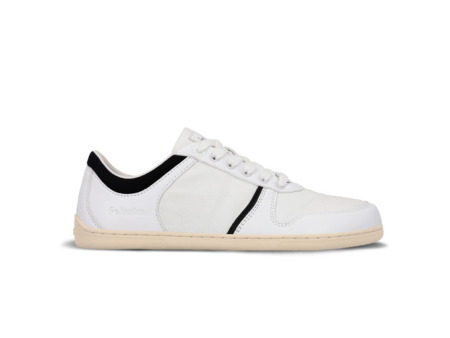
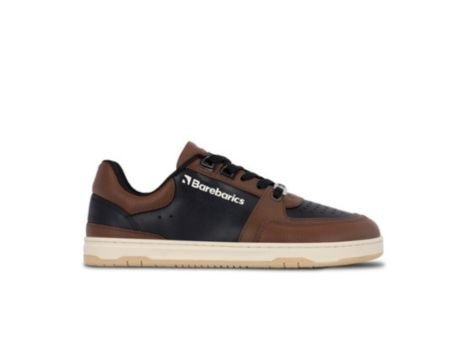
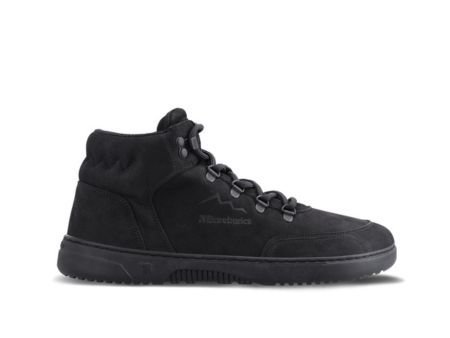
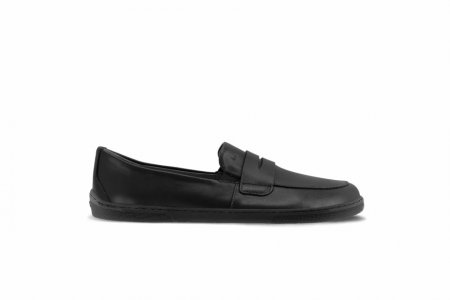
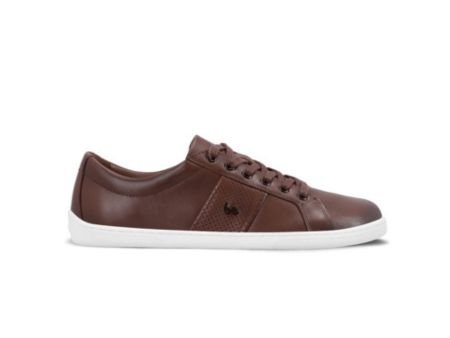
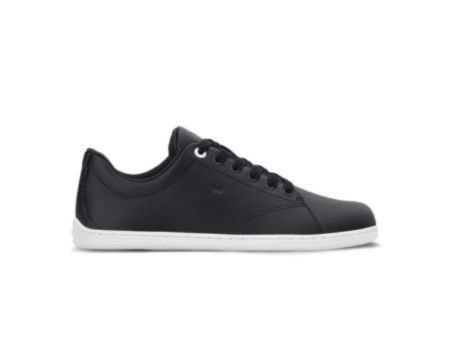
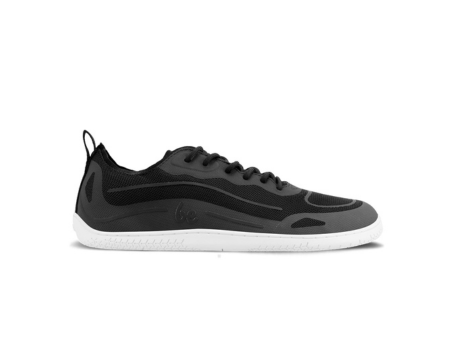
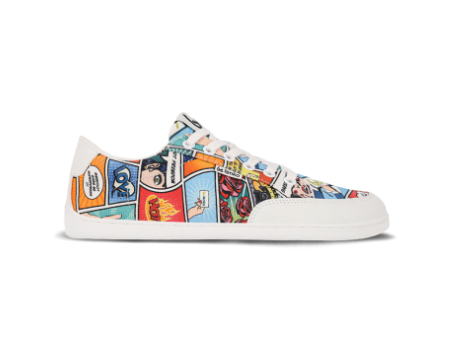
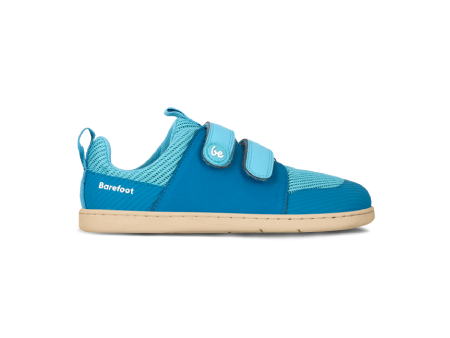
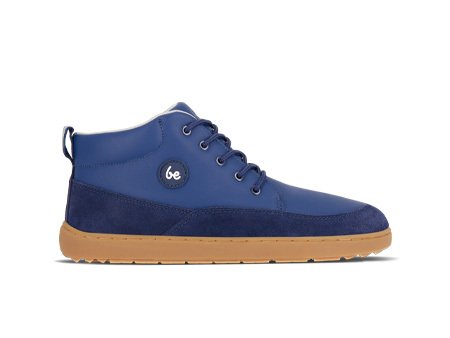
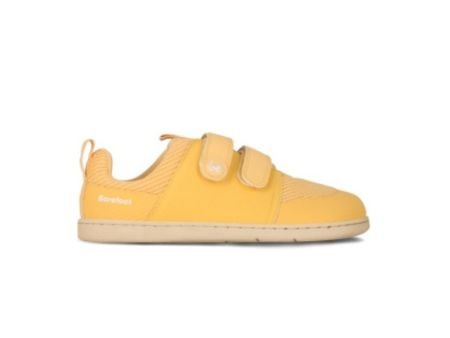
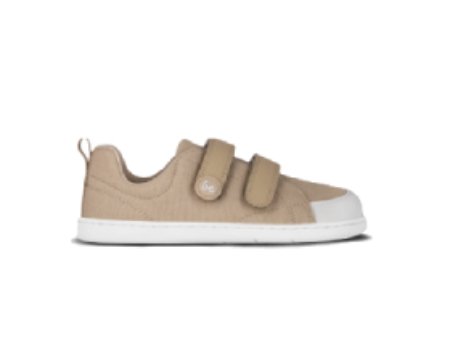
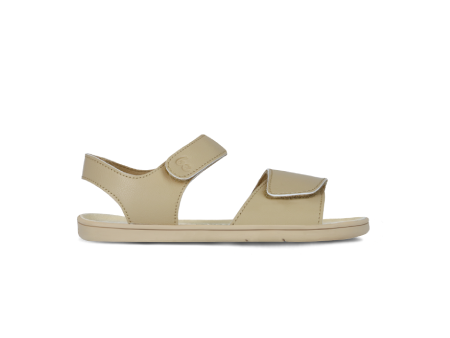
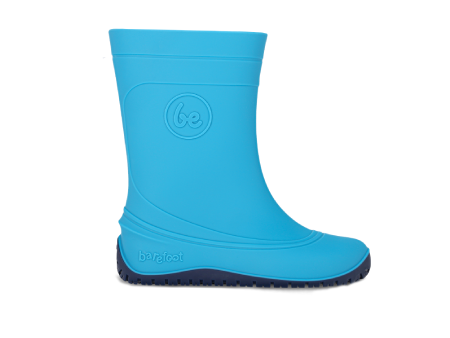
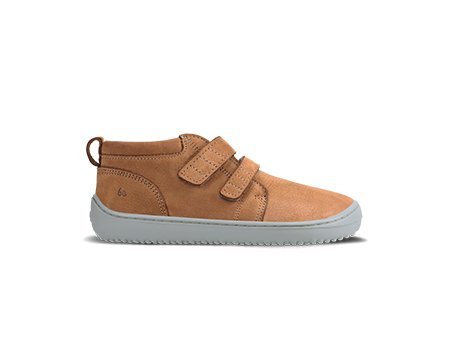
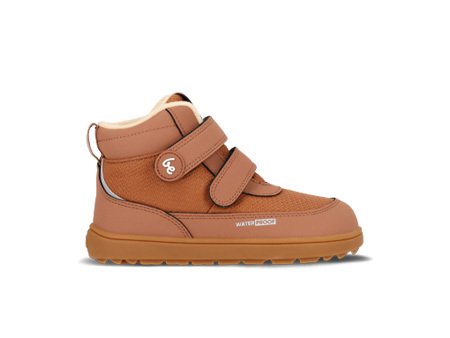
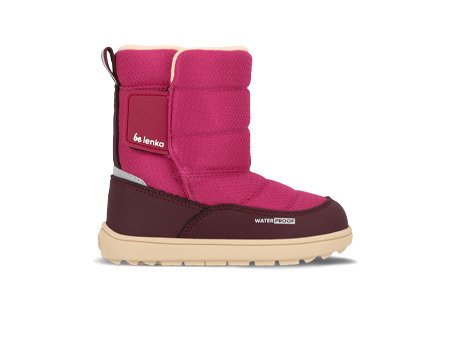
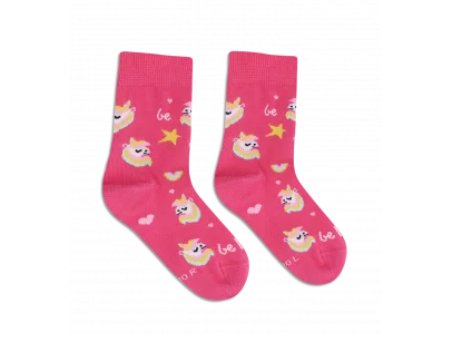
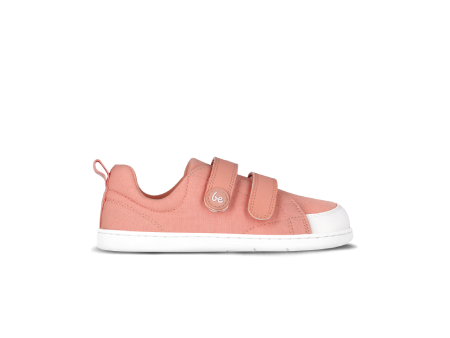


Big Kid Barefoot Shoes (US 2.5-6.5) (24)

Scoot Junior



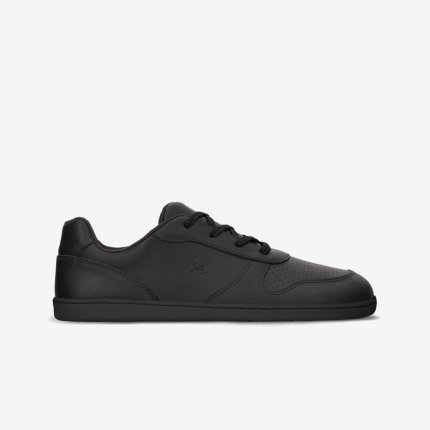
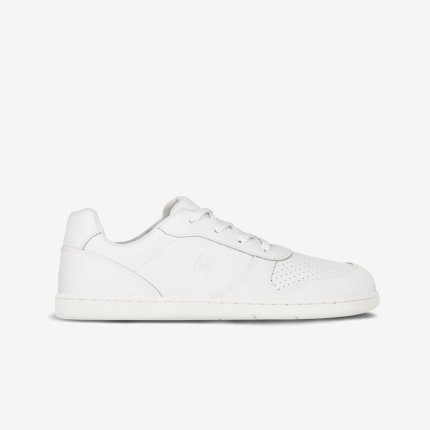
Bounty Junior
Luppo Junior
Miami Junior
Elio Junior
Zippu Junior
Ailo Junior
You have seen 24 of 24 products
Customer reviews on Trustpilot
At this age they pick their own shoes. These look like what their friends wear and keep the wide toe box and flexible sole that growing feet still need. US sizes 2.5 to 6.5.
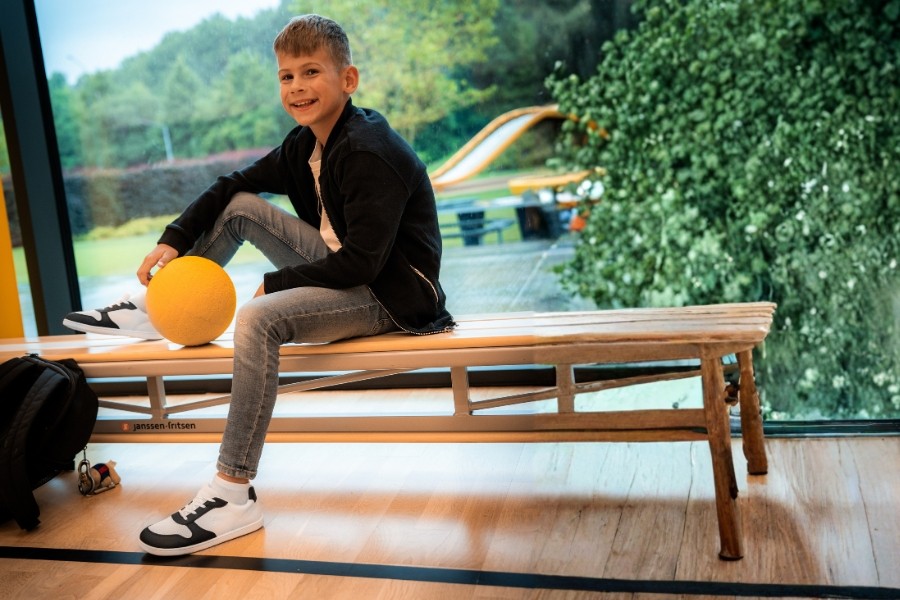
They have opinions now, and that is fine
Somewhere around eight or nine, footwear becomes a social object. A shoe your child will not wear does nothing for their feet, however well it is designed — which is why the look matters as much as the fit at this age.
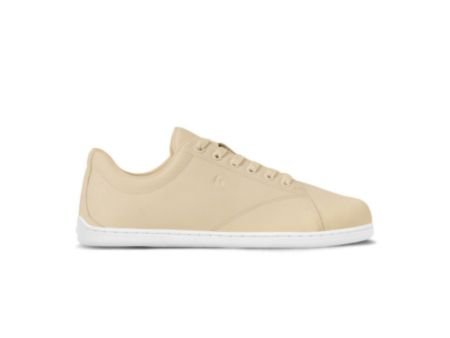
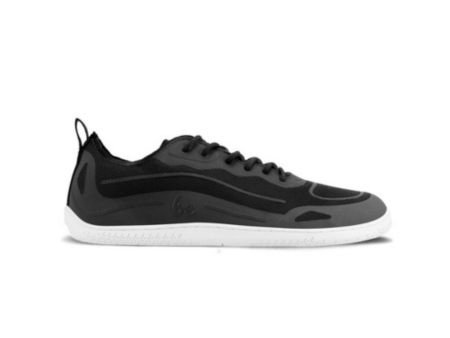
Models in this range are made to pass that test. Clean sneaker silhouettes, colors they will choose themselves, and nothing that announces itself as a special shoe. The barefoot construction is underneath, where it belongs.
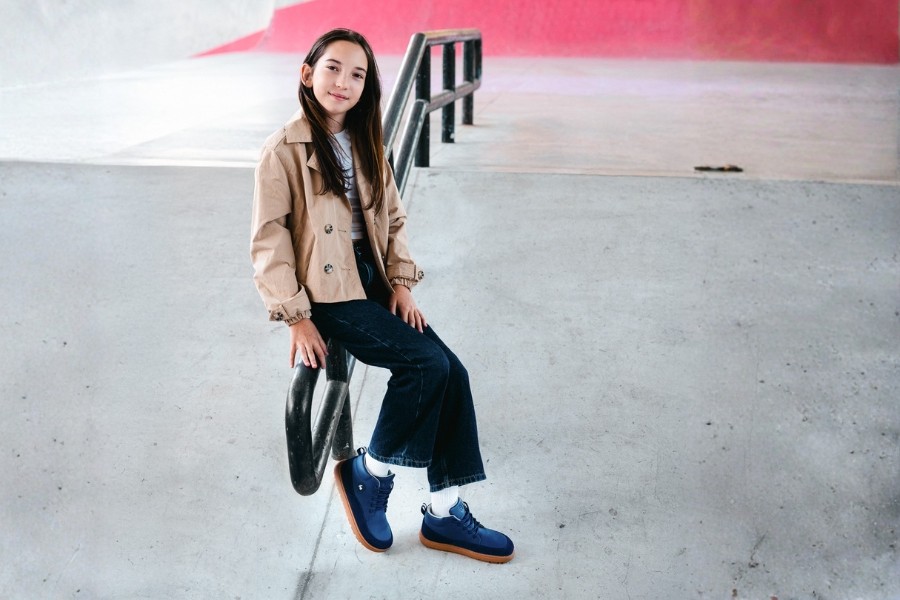
Feet are still developing
Growth continues into the mid-to-late teens, and the bones of the foot do not finish hardening until then. Room at the front, a flexible sole and a level heel matter just as much now as they did at four — and this is the age when narrow, cushioned shoes start being worn for long hours, at school and at practice.
If your child is playing sports, see sports and PE shoes. For the school day, school shoes. For everyday, sneakers and everyday shoes.
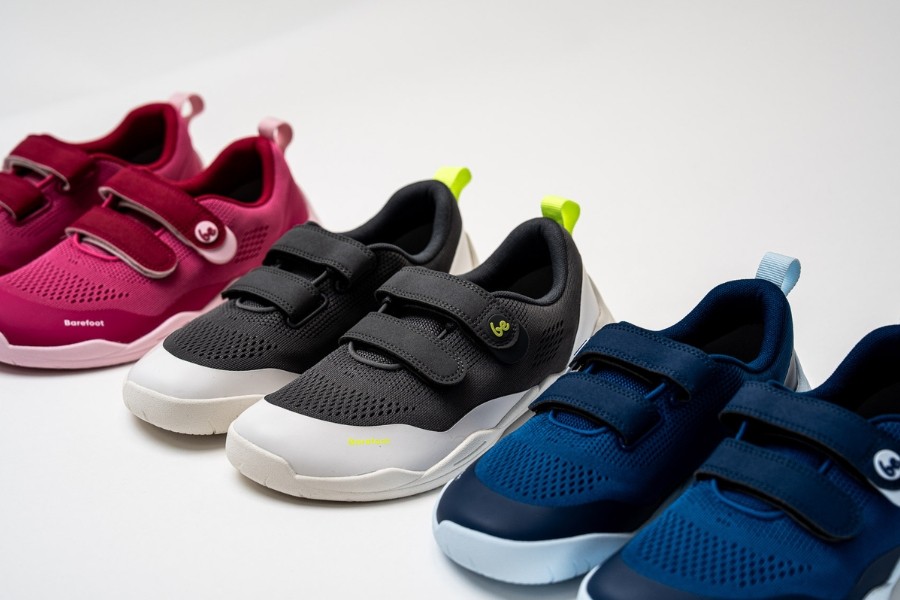
Sizing into adult ranges
Toward the top of this range, feet are approaching adult sizes, and some children move into the smallest adult sizes before they leave school. If US 7.5 is getting tight, check the women’s and men’s ranges, where the same models often continue in larger sizes.
Measure rather than assume, since the changeover point varies and children’s and adult sizing are not the same scale.
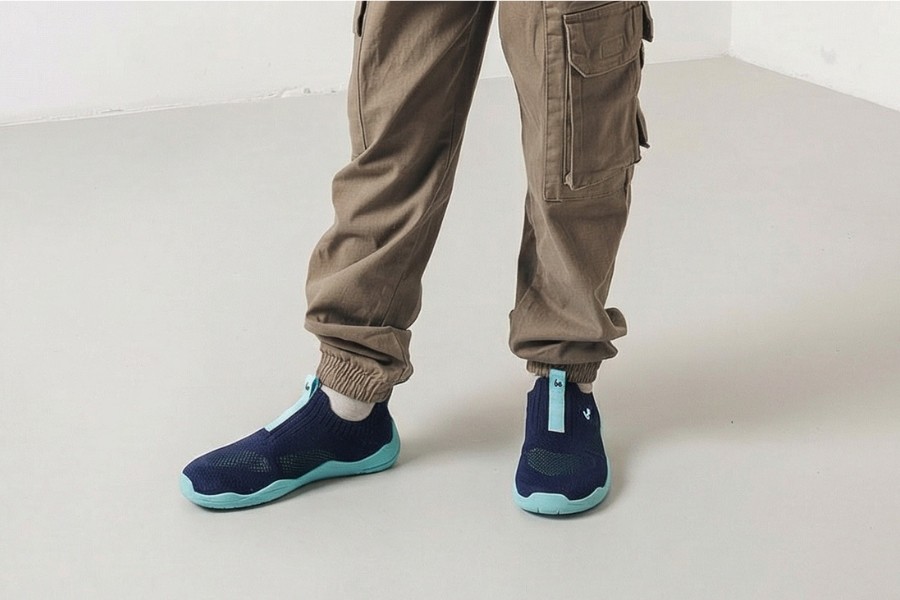
At what age do kids move into adult sizes?
+ -It varies widely — some children reach the smallest adult sizes by eleven or twelve, others not until their mid-teens. Measure rather than going by age, and if US 7.5 is getting tight, check the women’s and men’s ranges for the same or similar models in larger sizes.
Do older kids still need barefoot shoes?
+ -Feet keep developing into the late teens, and this is the age when children start wearing the same pair for long school days and sports practice. Room at the front, a flexible sole and a level heel matter as much now as earlier — arguably more, given the hours involved.
What if my child refuses to wear them?
+ -Let them choose the model. At this age the deciding factor is usually how the shoe looks next to what their friends are wearing, and the range includes plenty of styles that pass that test. A shoe they pick themselves is a shoe that gets worn.
How often should I check the fit?
+ -Every three to four months, and more often during a growth spurt. Older children are better at telling you when shoes feel tight, but not reliably — check where the longest toe sits rather than asking.