 DE / USD

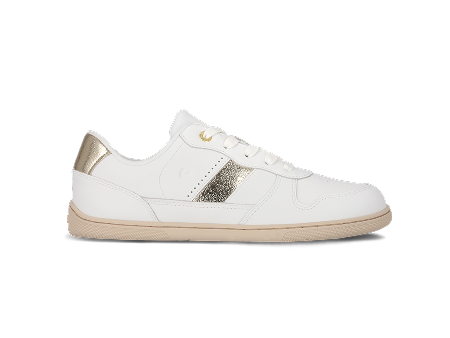
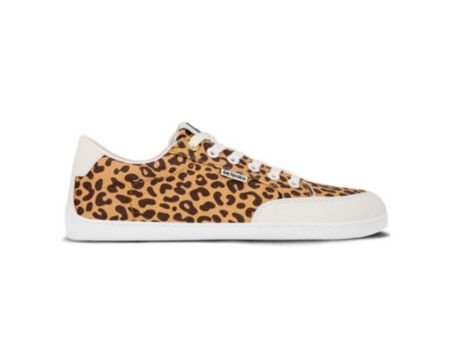
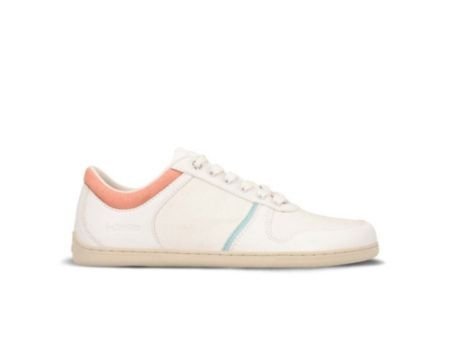
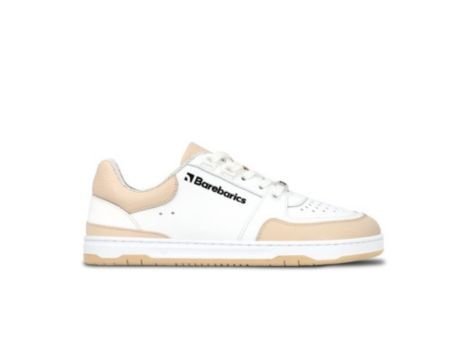
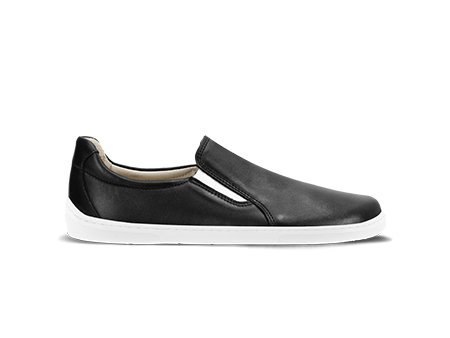
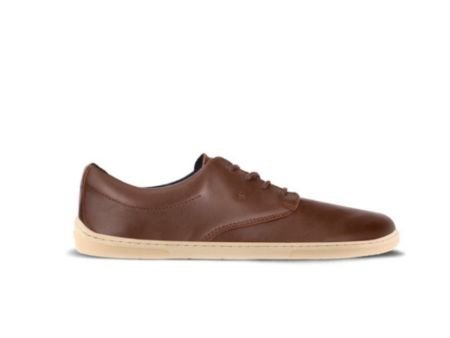
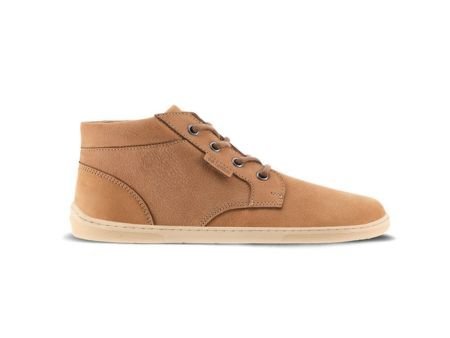
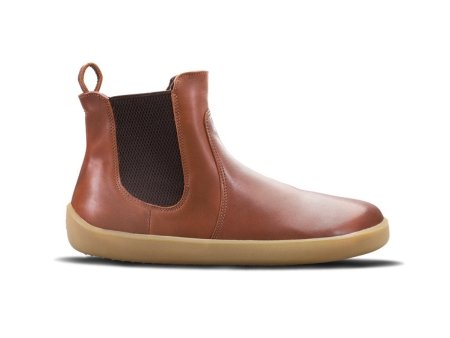
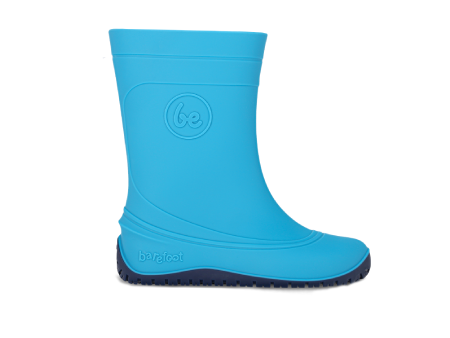
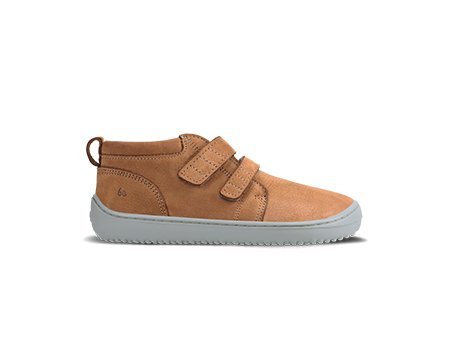
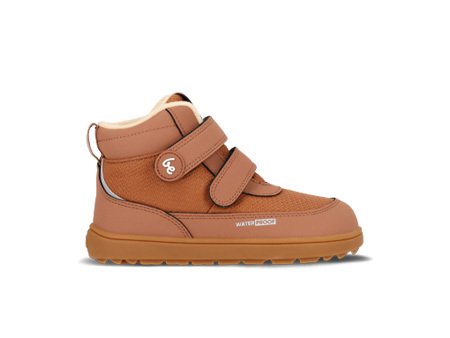
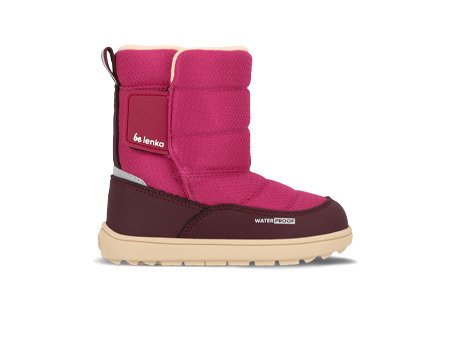


Women's Fall Barefoot Shoes (70)
Entice


Barefoot Chelsea Boots

Barefoot Chelsea Boots

Barefoot Chelsea Boots

Barefoot Chelsea Boots
Barefoot Chelsea Boots
Barefoot Chelsea Boots
Barefoot Chelsea Boots
Barefoot Chelsea Boots
Cityscape
Barefoot Shoes
Synergy
Barefoot Shoes
Barefoot Shoes
Barefoot Shoes
Barefoot Shoes
Evon
Trailair
Trailtech
Rebound High Top
Barefoot Sneakers
ArcticEdge
Zing Frost
Winter
Winter Barefoot Boots
Winter Barefoot Boots
Winter Barefoot Boots
Rebound Thermo
UrbanEdge
Atlas
York
Barefoot Boots
Customer reviews on Trustpilot
Forty degrees at eight, raining by five. Fall barefoot shoes handle the in-between season: water-repellent uppers, grip for wet leaves and room for your toes the whole time.
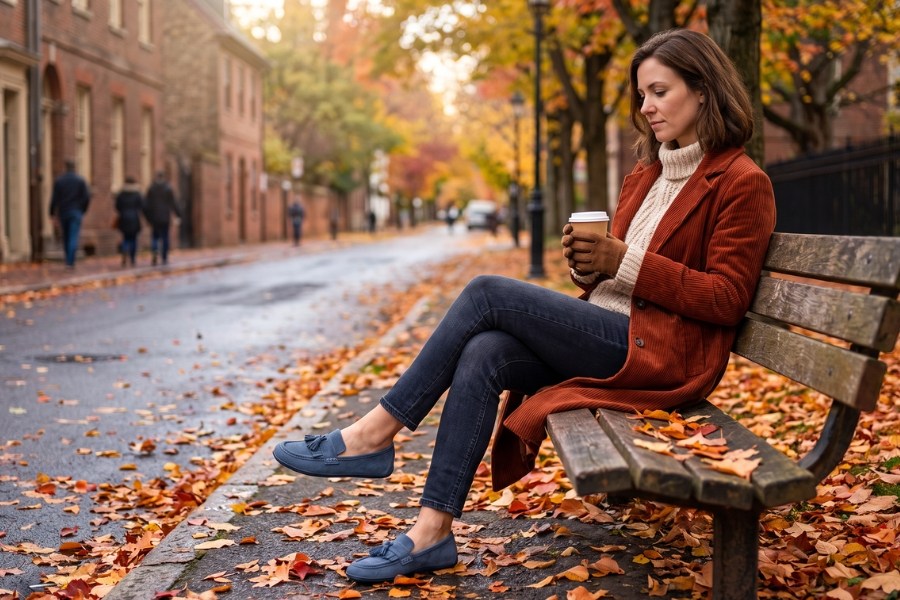
What to wear when the season cannot make up its mind
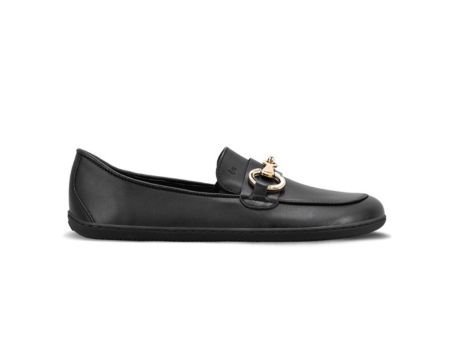
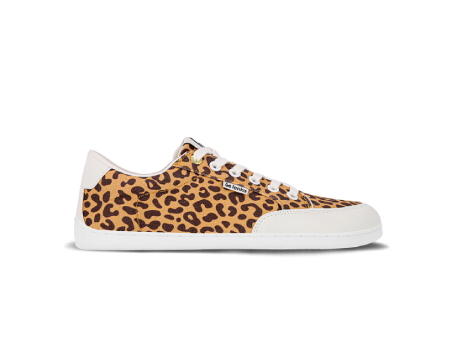
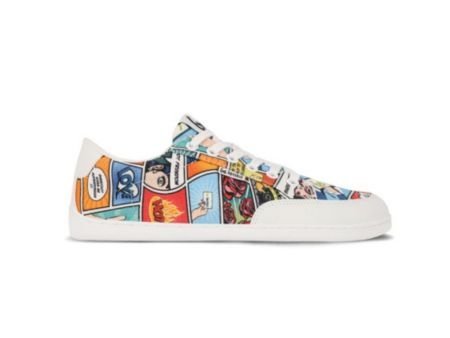
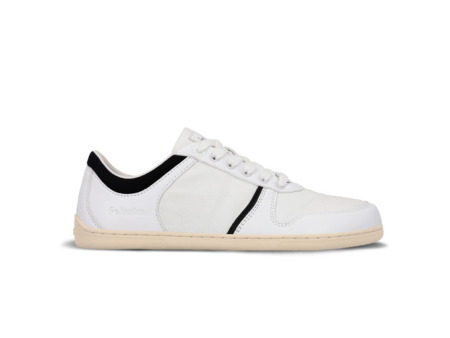
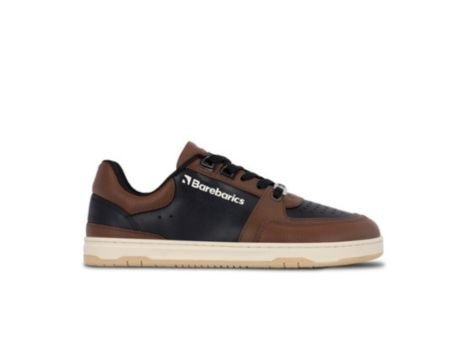
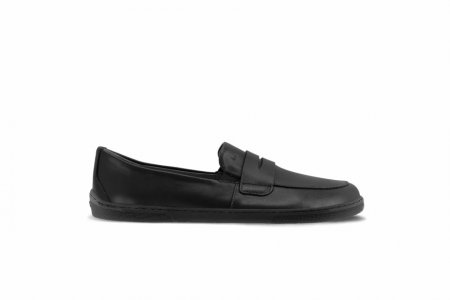
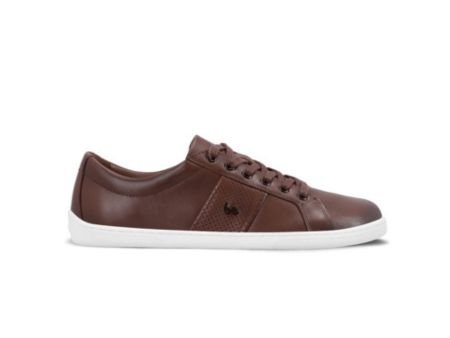
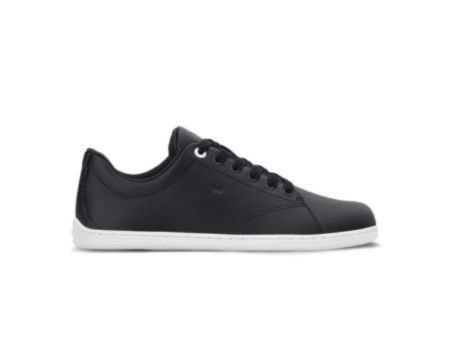
On warmer days in September and early October, sneakers, lighter leather models and loafers are the practical choice for work, town and daily wear.
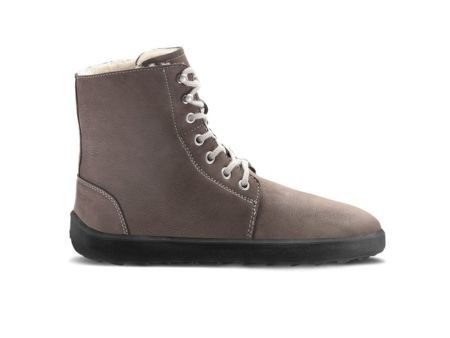
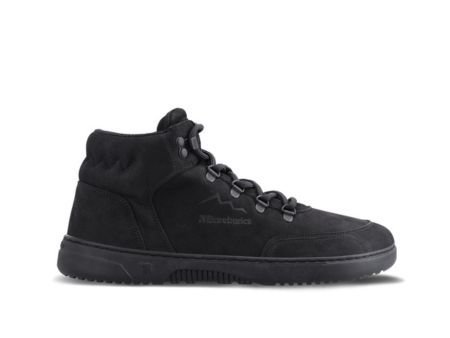
When it turns colder, ankle-height models take over and protect better against cold and damp — see ankle boots and high tops and Chelsea boots. Entice Neo and Nevada Neo are the leather ankle models most women reach for. On rainy days, choose a water-repellent finish or a technical membrane.
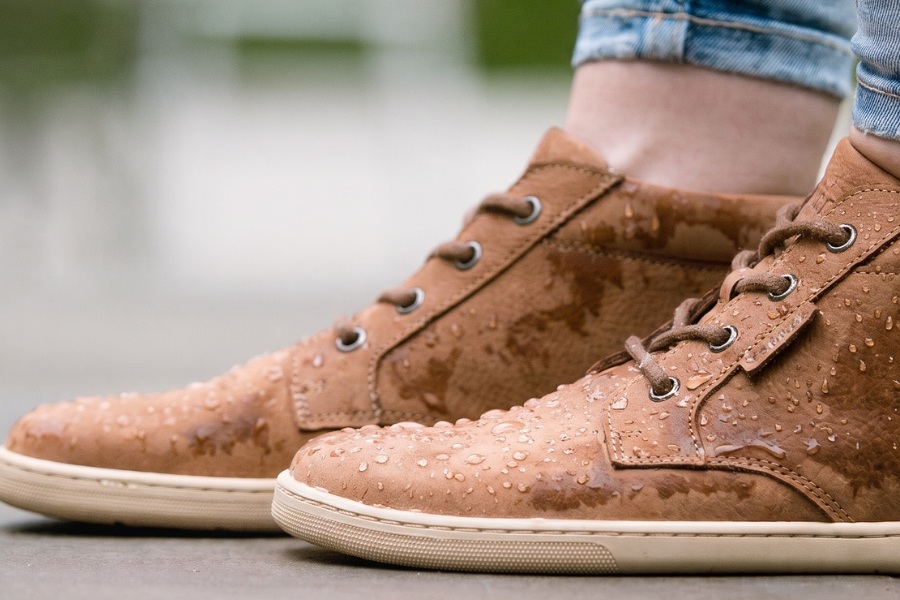
Grip matters more than you think
Wet leaves on a sidewalk are as slippery as ice, and fall is when most people notice their outsole for the first time all year. A sole compound made for grip and a tread with real pattern are worth paying attention to in this season — Be Lenka develops its own sole compounds for exactly that reason.
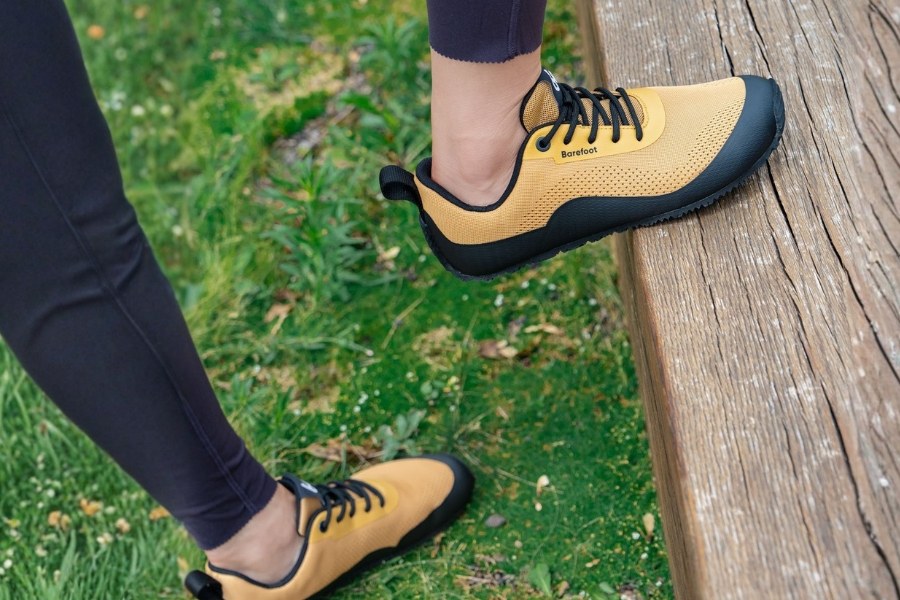
Keeping water out
Fall models come with a water-repellent finish that handles moderate rain and brief contact with wet surfaces. For longer time in the rain or wet grass, reapply a water repellent two or three times a season and always after a real soaking.
After a rainy walk, let your shoes dry naturally at room temperature — never on a radiator or next to direct heat, so leather keeps its properties. See shoe care for suitable products.
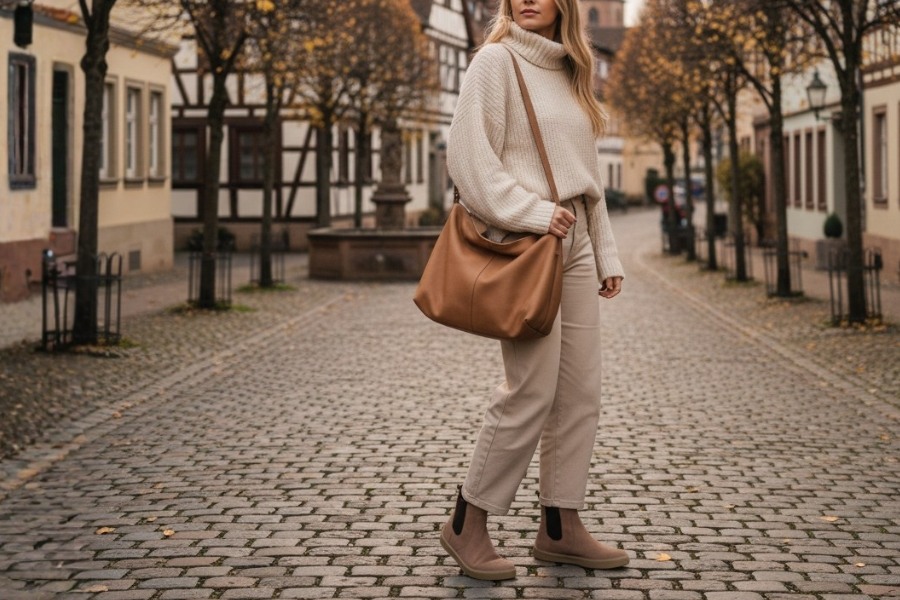
Styling for the season
Ankle boots work with jeans, coats, sweaters and dresses with tights, and black and brown are the versatile choices. Sneakers pair easily with jeans, simple dresses and skirts. For a taller, dressier silhouette on colder days, see tall boots.
What is the difference between fall and winter barefoot shoes?
+ -Fall models are lighter, less insulated and made for the transitional period, usually with a water-repellent finish and comfortable roughly between 40 and 70 °F (5–20 °C). Winter models are warmer, with thicker insulation or a fleece lining, and built for temperatures below freezing.
Are fall barefoot shoes waterproof?
+ -They have a water-repellent finish that handles moderate rain and brief contact with wet surfaces. For longer time in the rain, reapply a water repellent two or three times a season. For very wet weather, models with a technical membrane are the better choice.
What temperatures are they good for?
+ -Roughly 40 to 70 °F (5–20 °C). Real thermal comfort depends on the model, your socks and how much you are moving. On milder days thin socks are enough; on cold mornings or when standing for long periods, wool or merino makes a noticeable difference.
Which models suit beginners in barefoot footwear?
+ -Lighter fall models with a softer lining are a good starting point: ankle-height sneakers, light leather shoes or loafers. Your feet can adapt gradually to zero drop and a flexible sole. At the beginning, avoid very firm or heavy ankle boots, especially if you have always worn conventional shoes.