 DE / USD

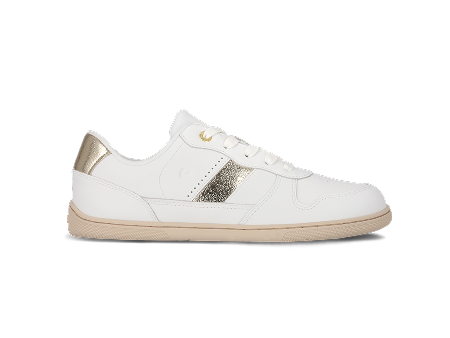
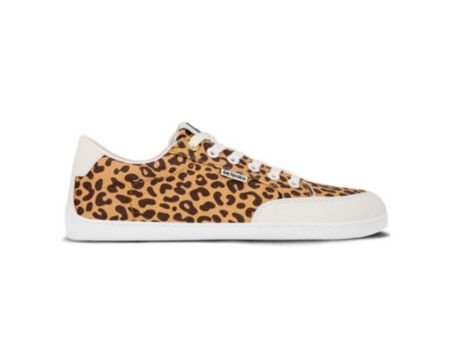
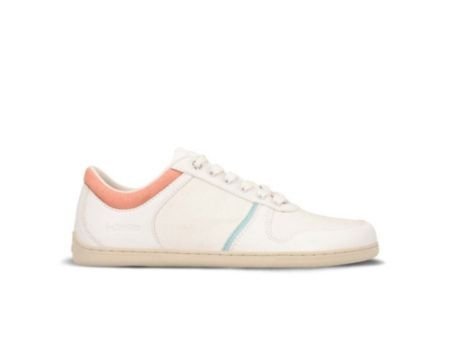
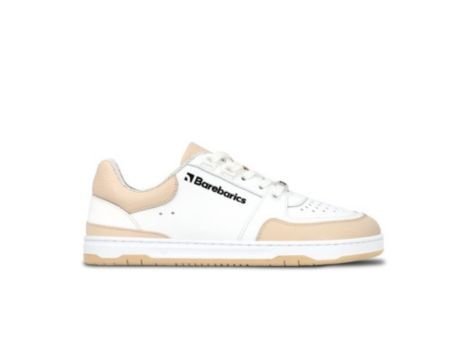
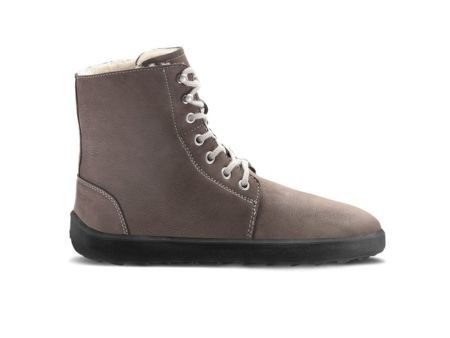
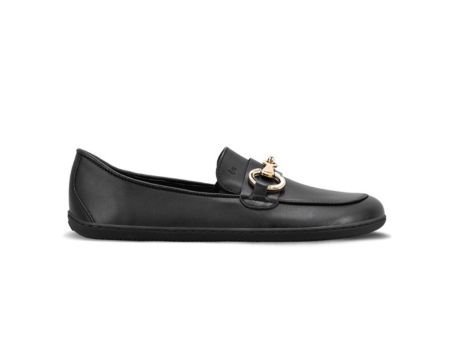
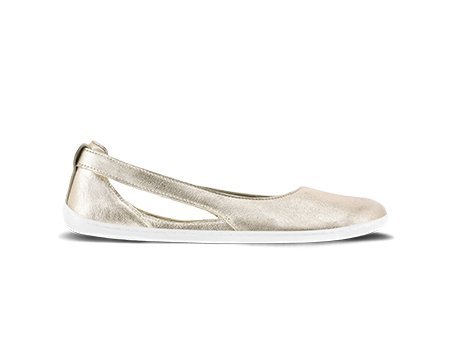
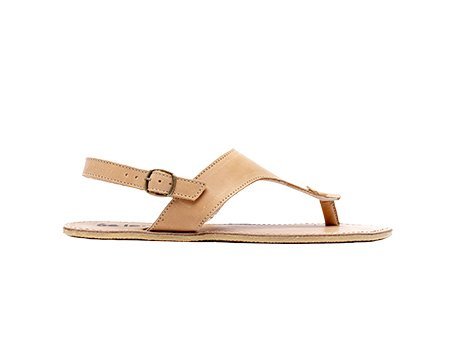
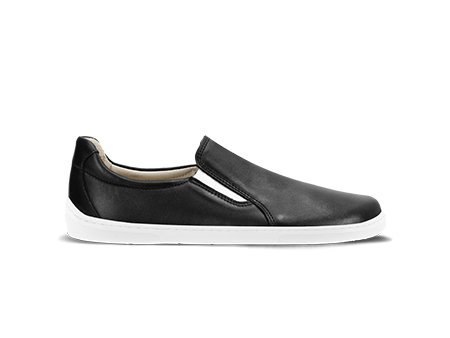
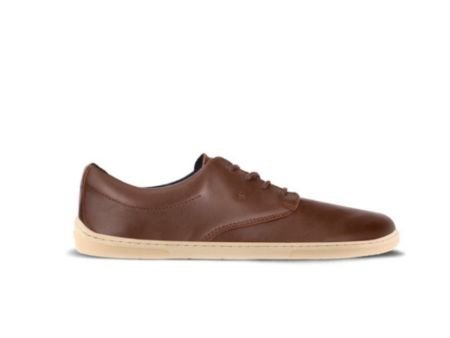
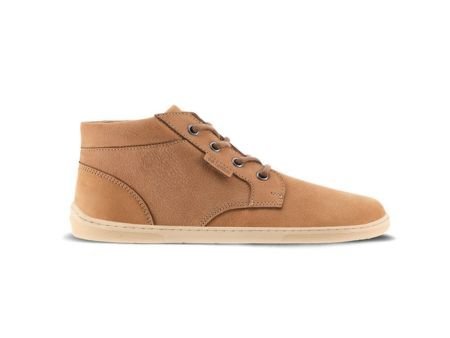
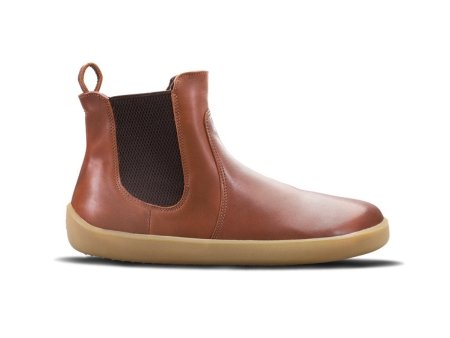
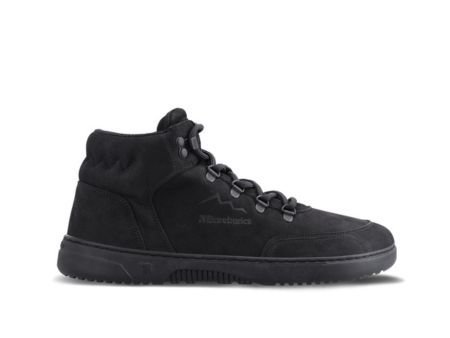
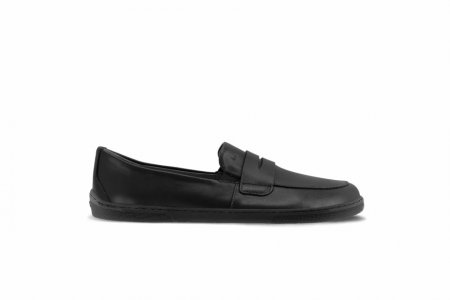
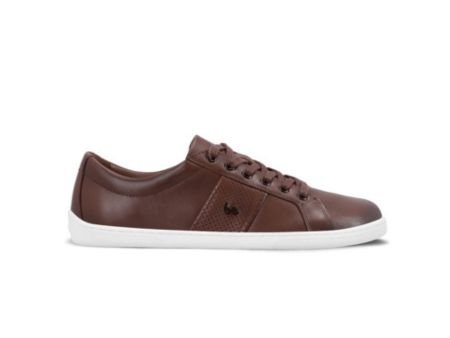
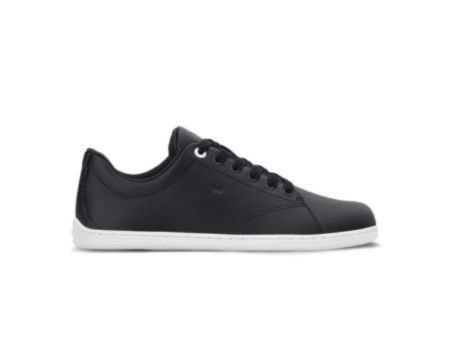
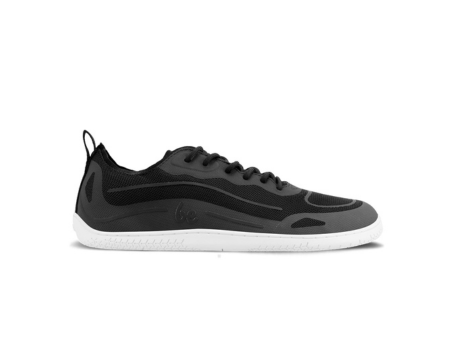
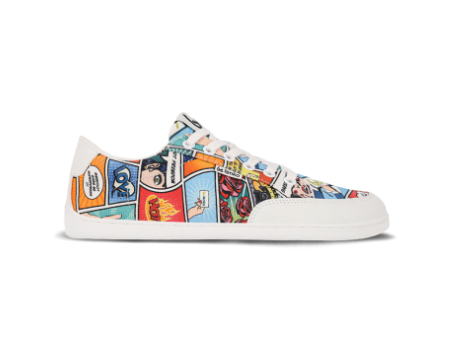
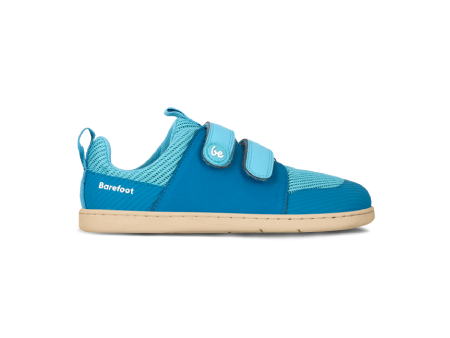
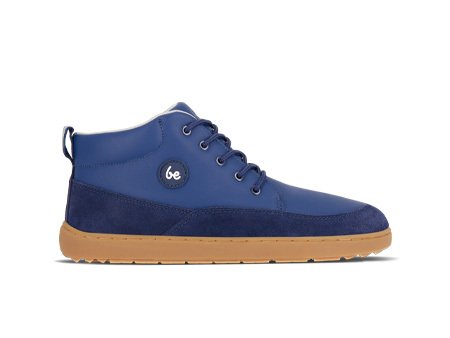
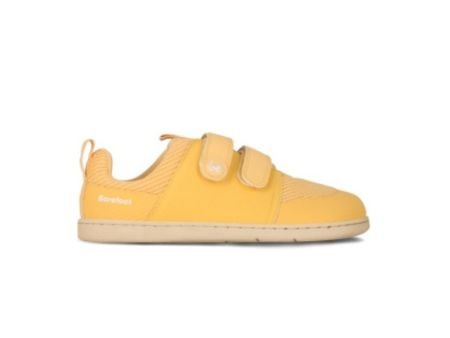
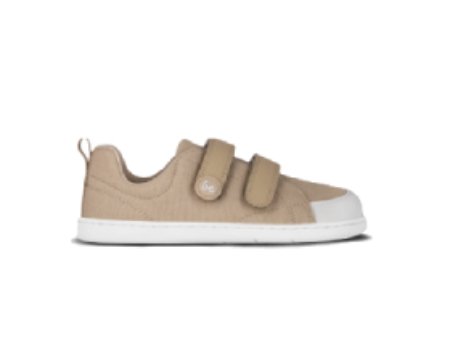
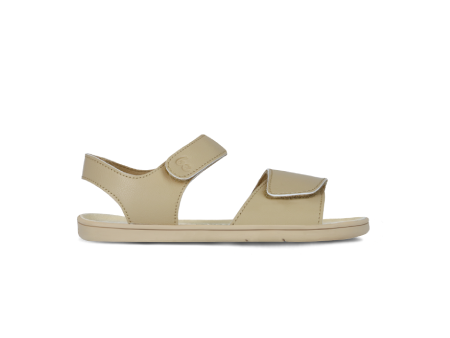


Women's Barefoot Dress Shoes (50)
Buena




Rebound

Cityscape
Barefoot Shoes
Viva
Echo
Barefoot Sneakers
Core
Cellestia
Barefoot Sneakers
Velore
Breeze
Phoenix
Elite
Swift
Rosaluna
Sophie
Customer reviews on Trustpilot
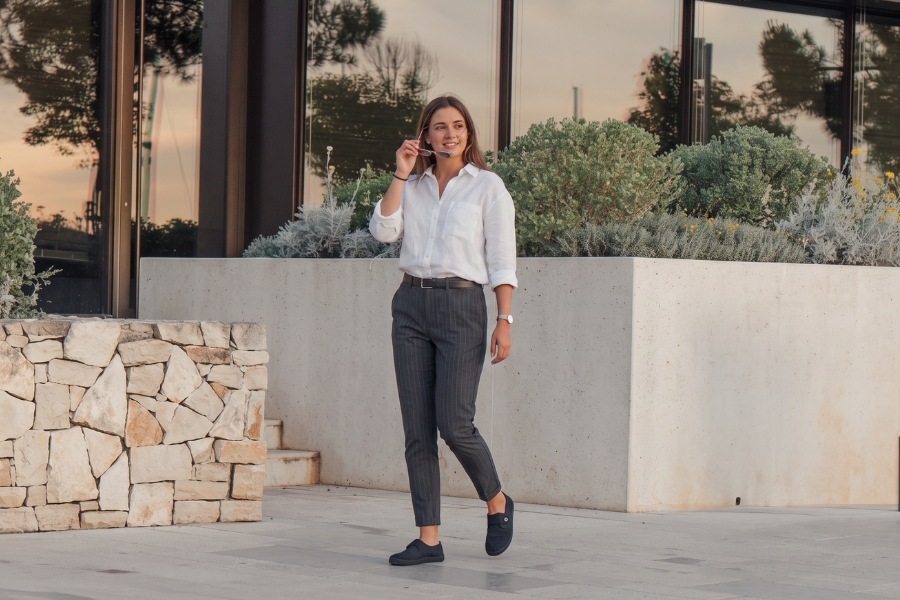
Dress shoes usually make you choose: look good or feel good. These do not. A wide toe box, a flexible sole and a level heel — polished enough for the office, comfortable from nine to six.
The dressy shoe problem
Formal women’s footwear is where the narrow last does the most damage. A pointed toe, a stiff sole and even a modest heel add up to pressure across the front of the foot, and the smarter the occasion, the longer you are standing in them.
Barefoot dress shoes change what is underneath and keep what you can see. The toe box follows the natural shape of your toes, the sole bends as you walk, and your heel stays level with your forefoot so your weight is not pushed forward. Quality leather softens to the shape of your foot over the first few weeks and looks better for it.

For work, meetings and occasions
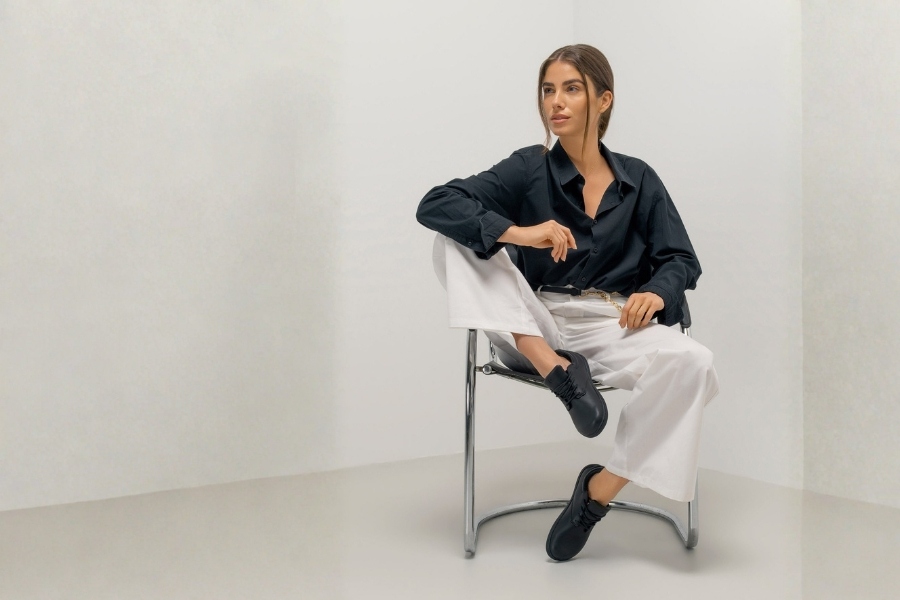
Black, brown and navy with clean lines suit an office, a client meeting, a conference or a dinner. They pair naturally with tailored pants, skirts and dresses, and they hold up through the parts of a day nobody plans for: the standing, the walking between buildings, the long reception. For a slip-on alternative, see loafers; for a flat, ballet flats. More options for the workday are in work and office shoes, and for weddings, wedding barefoot shoes.
Wide feet finally get a formal option
If dressy shoes have always been where your feet suffer most, this is the category worth trying first. A toe box shaped around the spread of the toes means fewer pressure points across the ball of the foot and along the big-toe joint — the two places conventional formal shoes press hardest.
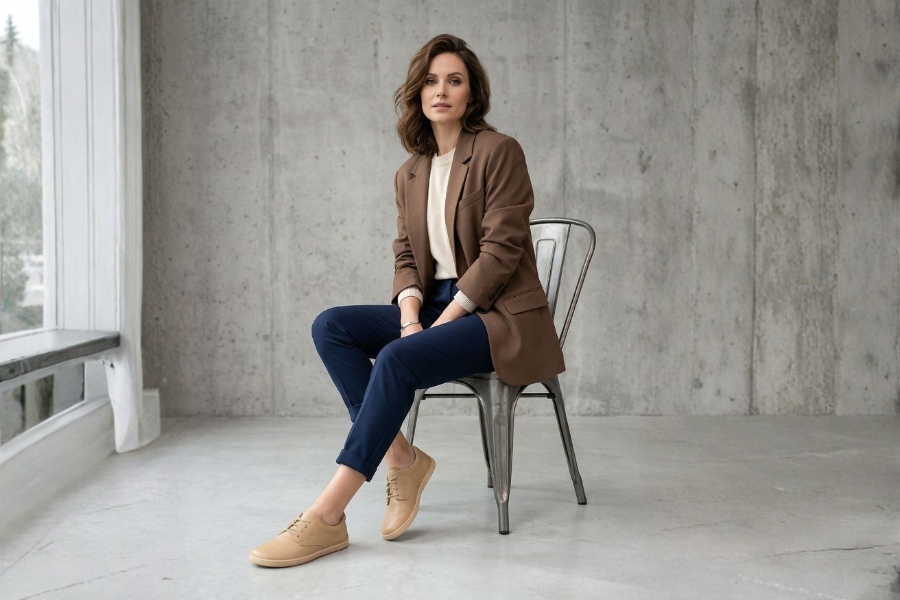
Can barefoot dress shoes really look formal?
+ -Yes. The silhouette, the leather and the finishing are what read as formal, and none of those are compromised. What changes is the last and the sole: wider at the toes, flexible underfoot, level from heel to toe. Next to a conventional dress shoe the toe box is visibly rounder, which is simply the shape of a foot.
Are they comfortable for a full day of meetings?
+ -That is what they are built for. Soft leather, a roomy toe box and a flexible sole keep them comfortable through long hours of sitting, standing and walking. If barefoot shoes are new to you, extend your wear gradually rather than starting with a twelve-hour day.
Are barefoot dress shoes waterproof?
+ -Quality leather handles brief contact with water, such as light rain or a walk from the parking lot. They are not built for a full day in wet conditions. Regular treatment with a water-repellent spray or leather wax improves protection and keeps the leather looking good.
Will they work if I usually wear a low heel?
+ -They will, with a transition period. Calf muscles adapt to a raised heel over years, so going flat can feel different at first, particularly if you have worn heels daily. Alternate between your usual shoes and a flat pair for the first few weeks and let your calves lengthen gradually.