 DE / USD

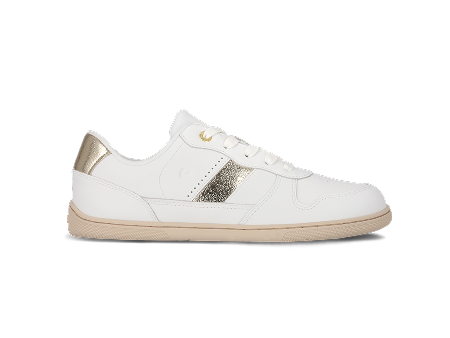
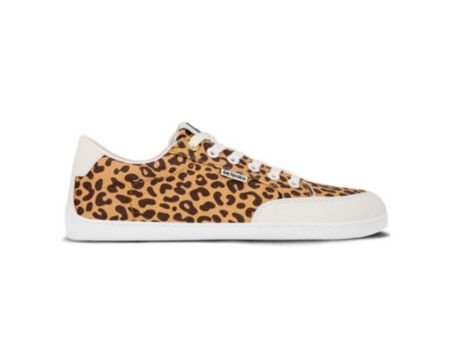
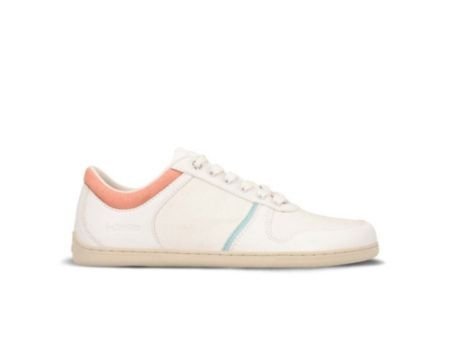
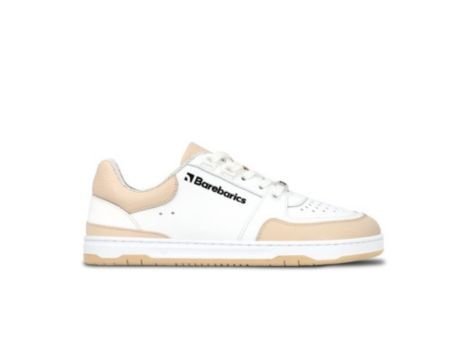
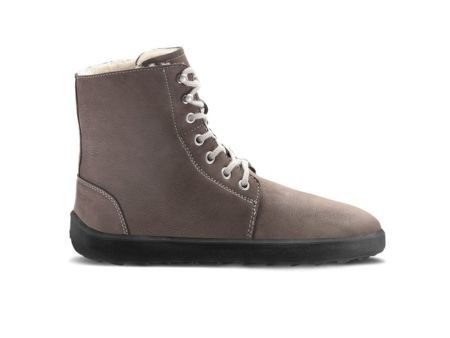
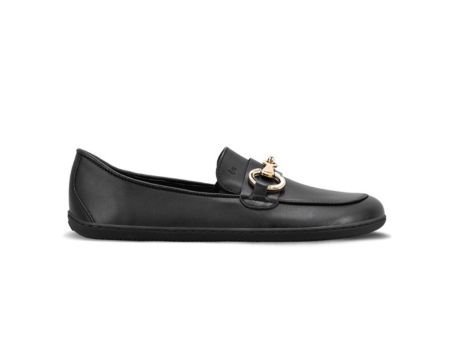
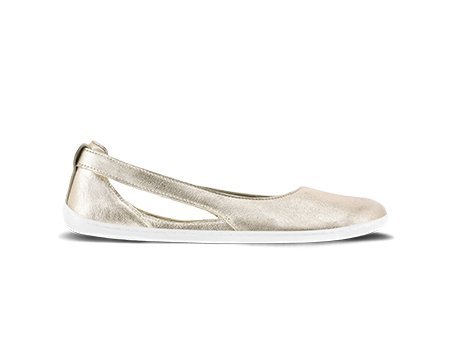
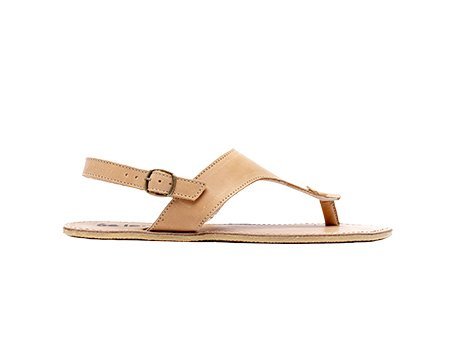
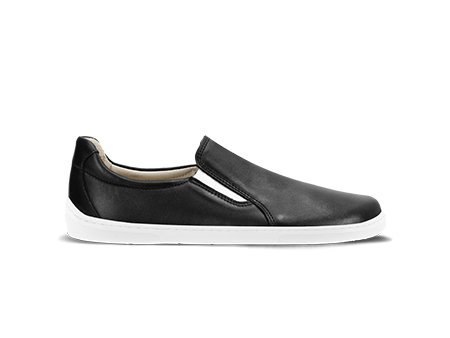
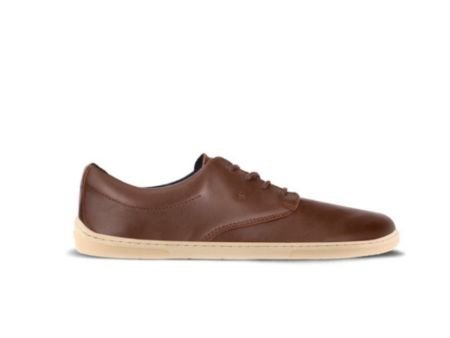
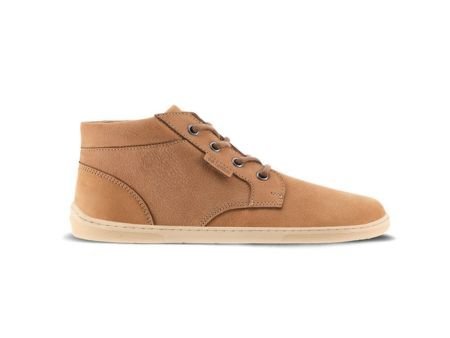
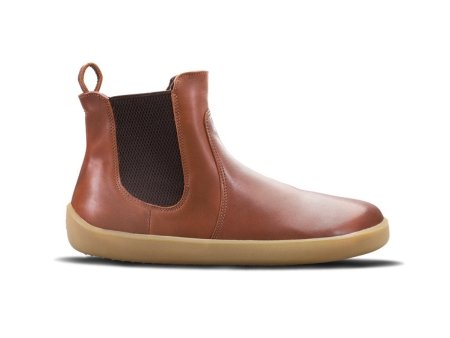
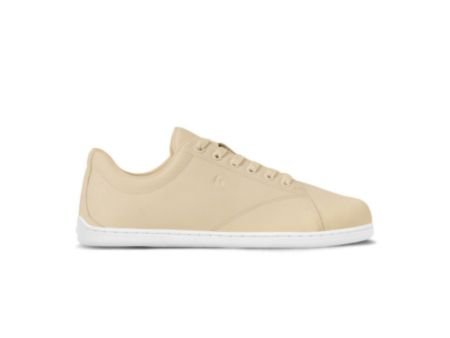
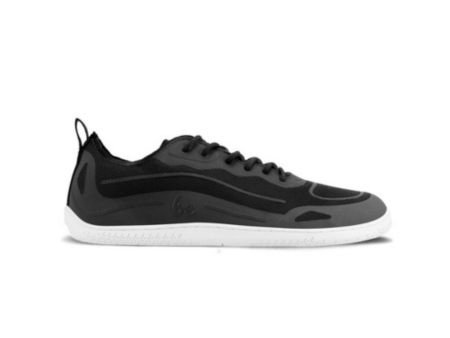
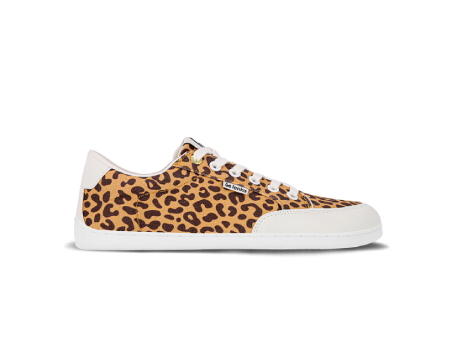
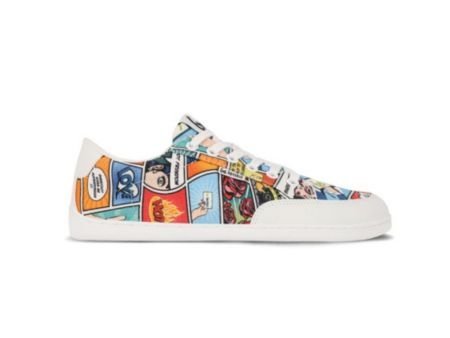
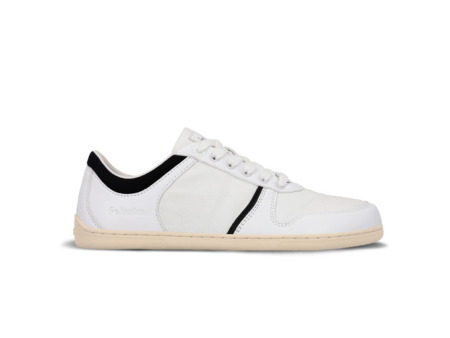
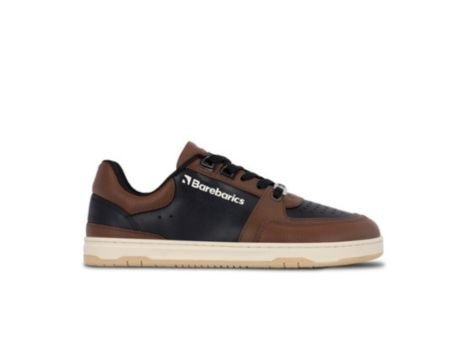
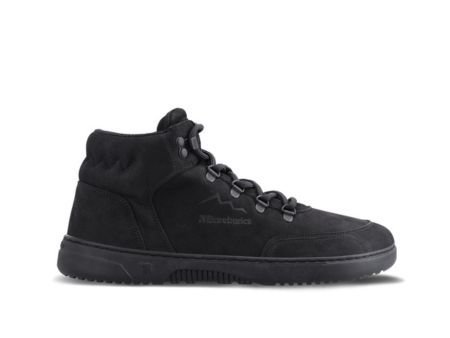
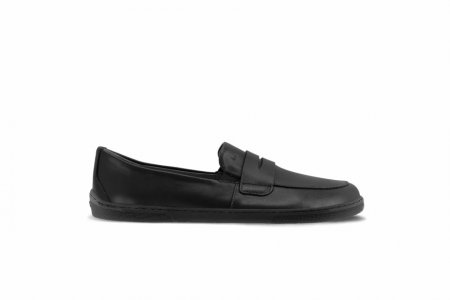
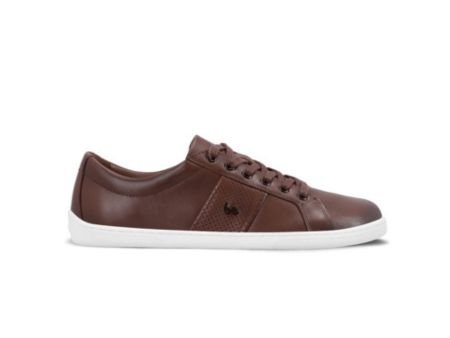
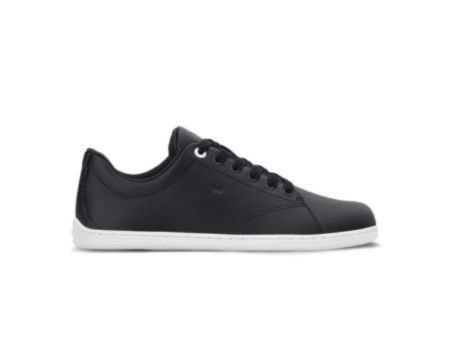
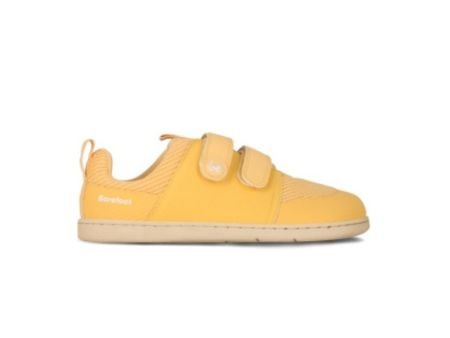
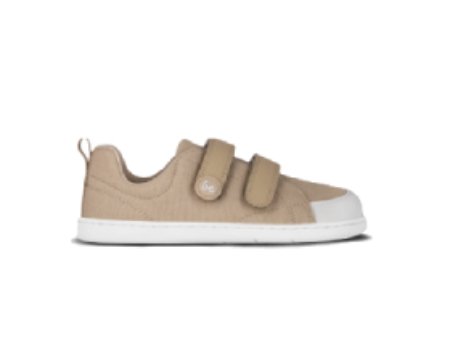
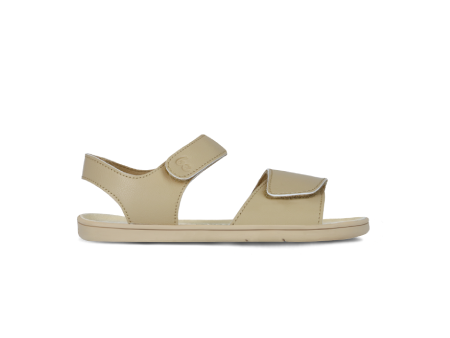
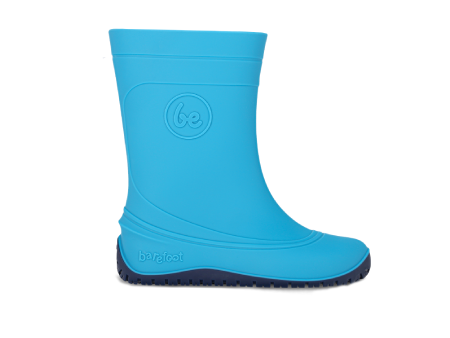
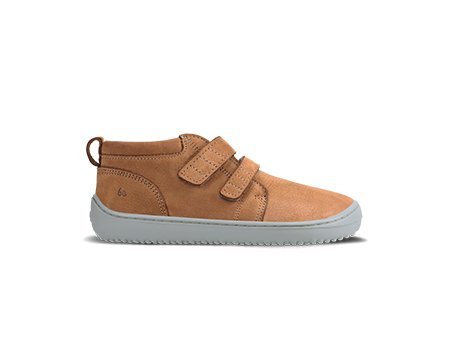
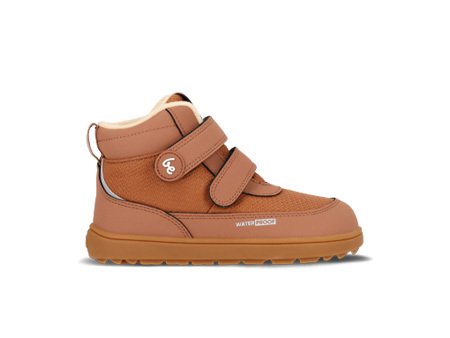
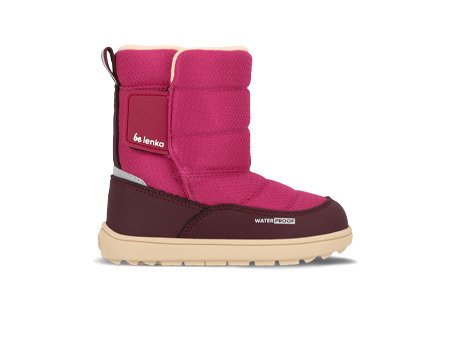


Little Kid Barefoot Shoes (US 8.5-2) (47)

Scoot Kids



Luppo Kids
Canvi Kids
Glade Kids
Bounty Kids
Tinkee Kids
Energise Kids
Zest Kids
Miami Kids
Elio Kids
Zippu Kids
Snowfox Kids
Ailo Kids
You have seen 47 of 47 products
Customer reviews on Trustpilot
Feet grow fast at this age and get used hard. Roomy toe boxes with space to grow into, flexible soles and materials that survive a year of playgrounds. US sizes 8.5 to 2.
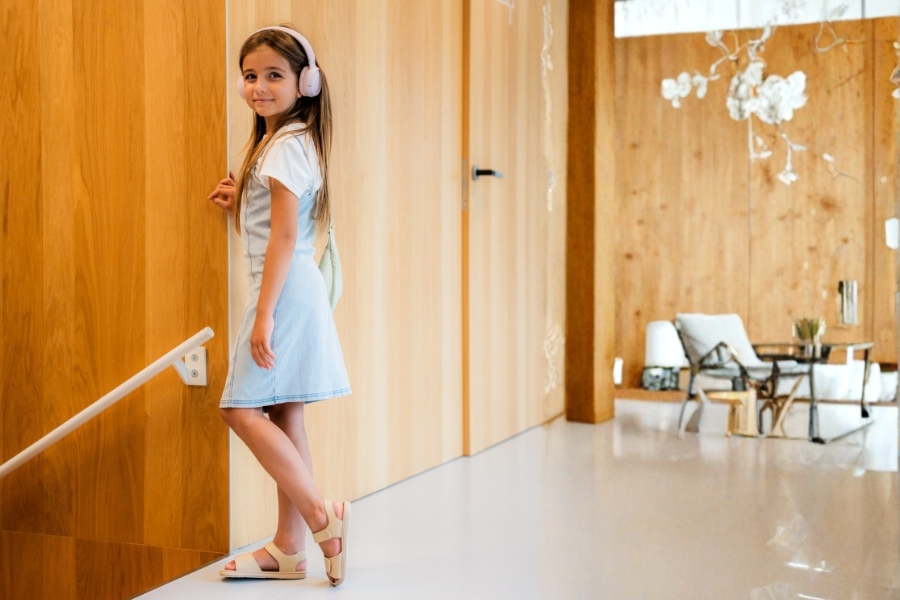
The hardest years for a pair of shoes
Between preschool and early elementary, children are running, climbing, scuffing and dragging their feet through everything. Shoes at this age take more punishment than at any other, and they are outgrown before they are worn out — usually.
That puts the emphasis on two things: durability where it gets hit (toes, seams, sole edges) and a fit that still works three months after you bought it.
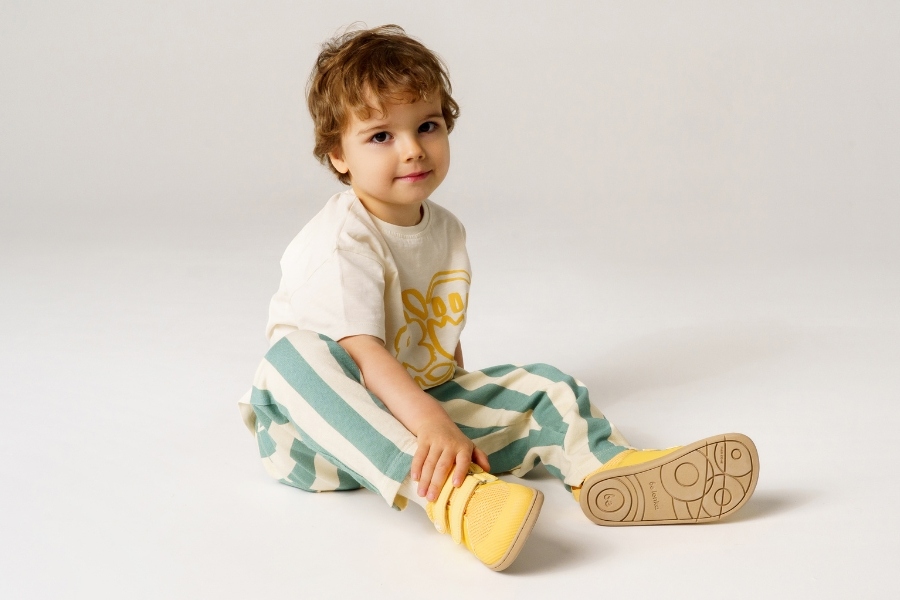
Independence matters now
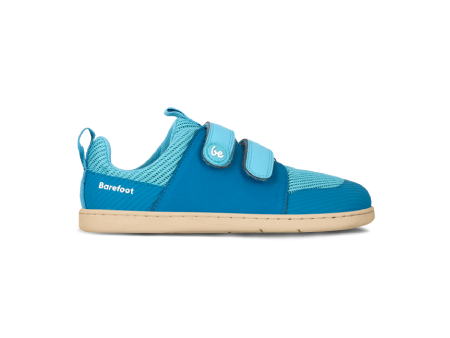
This is the age when a child wants to do it themselves and cannot yet tie laces. Hook-and-loop straps and elastic closures are what make that possible, and they make mornings measurably faster.
For the easiest option, see slip-on sneakers. For preschool routines, preschool shoes and slippers; for the start of school, school shoes.
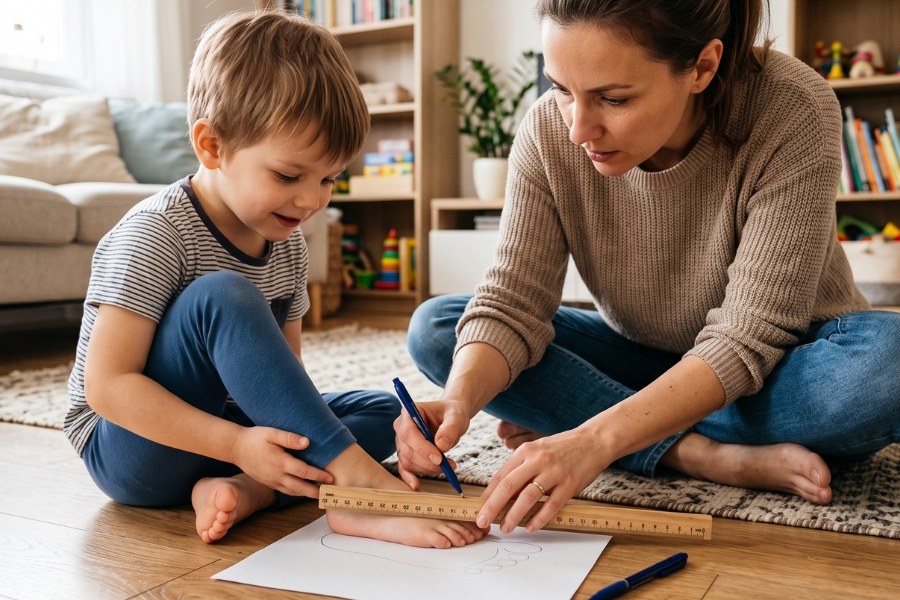
Sizing and growth
Measure both feet, use the longer one, and leave roughly 0.4 to 0.5 inches (10–12 mm) beyond the longest toe. Check every three to four months — growth slows a little compared with toddlerhood, but not by much.
Two pairs in rotation last considerably longer than one worn daily, and at this age that difference can be a whole extra season out of each pair.
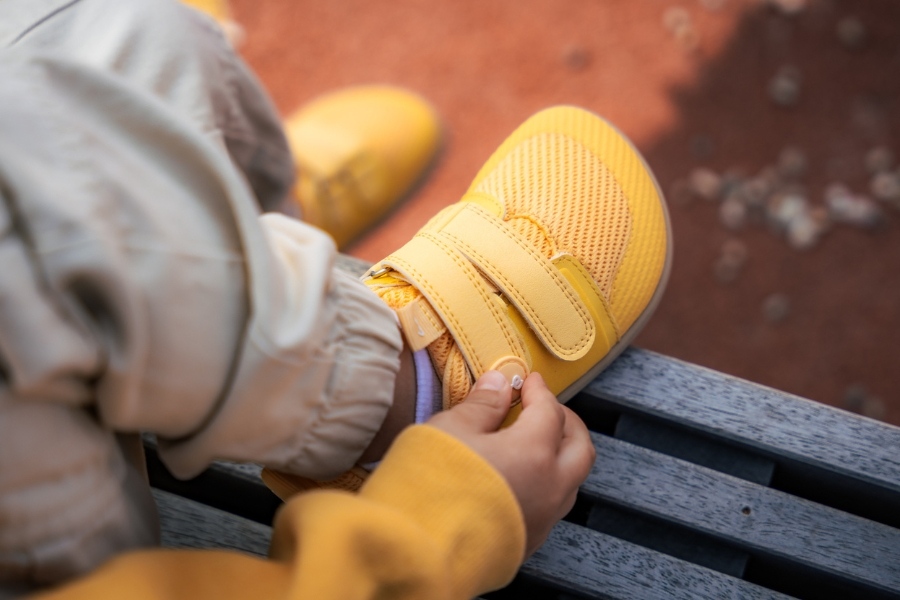
Where to go next
For everyday wear, sneakers and everyday shoes. For the seasons, sandals, rain boots and snow boots. Smaller sizes are in toddler (US 4–8); larger ones in big kid (US 2.5–6.5).
How often will my child outgrow shoes at this age?
+ -Usually two to three sizes a year, though it comes in bursts rather than steadily. Check the fit every three to four months by measuring and looking at where the longest toe sits.
Should I buy a size up to get more wear out of them?
+ -Beyond the normal growing room, no. A shoe that is much too long changes how a child walks and makes tripping more likely, and it will not fit correctly when they finally grow into it either, because the widest part of the foot will be in the wrong place.
Are barefoot shoes durable enough for this age?
+ -They are built for it — materials and construction are chosen for how they handle scuffing, repeated wetting and hard play, and every model is tested over thousands of steps before release. Rotating two pairs is the single best thing you can do for durability.
Can I pass shoes down to a younger sibling?
+ -It is better not to. A sole molds to the gait of the child who wore it, and the tread wears unevenly, so a hand-me-down is not a neutral starting point for a different foot. A pair that was barely worn is worth checking carefully before passing on.