 DE / USD

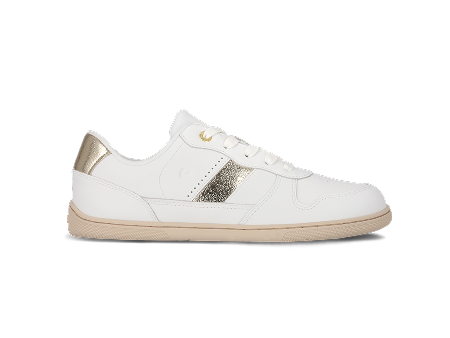
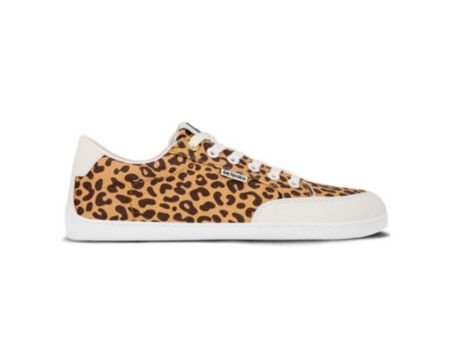
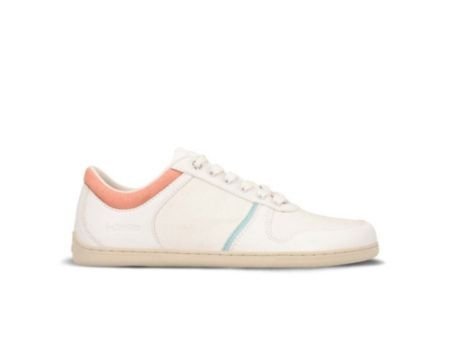
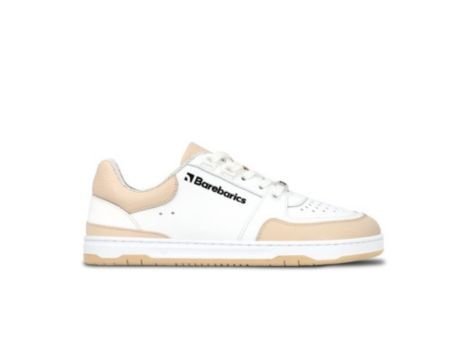
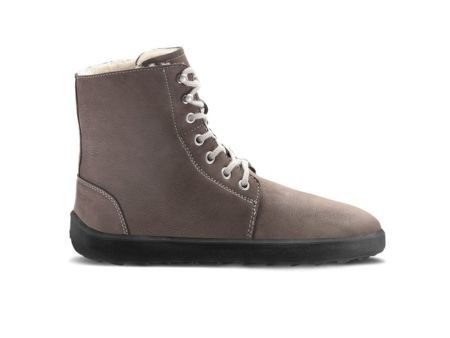
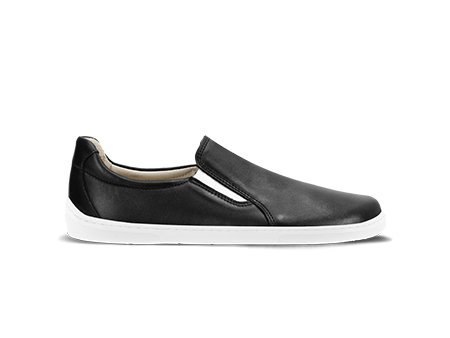
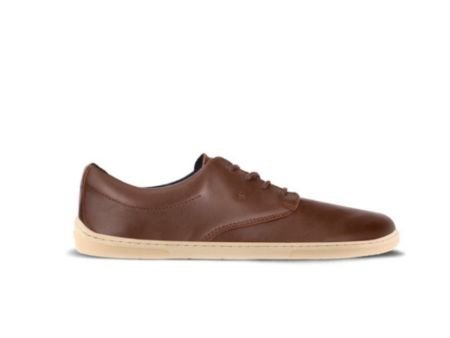
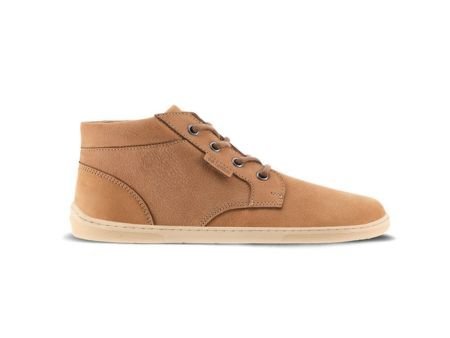
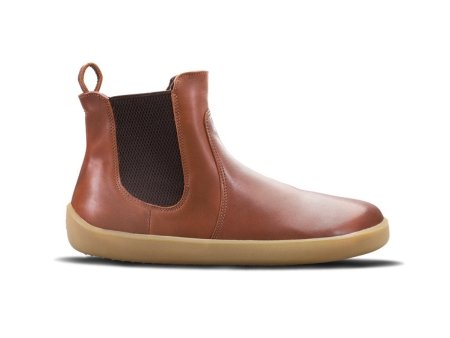
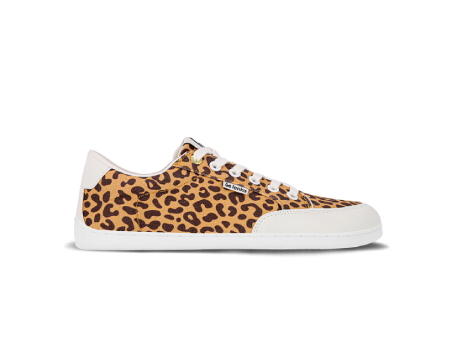
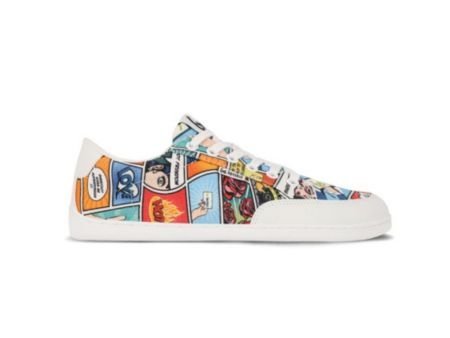
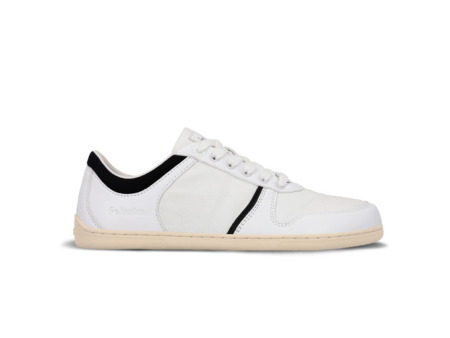
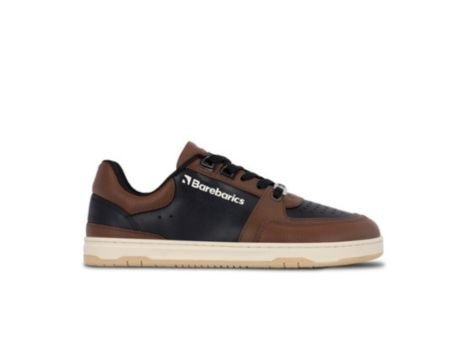
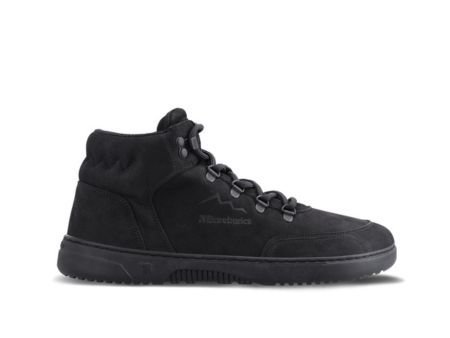
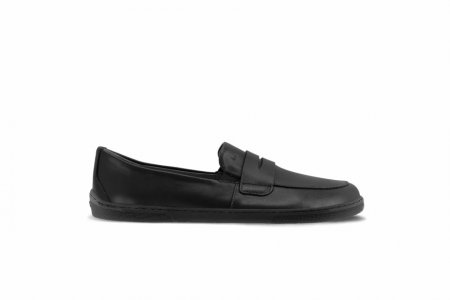
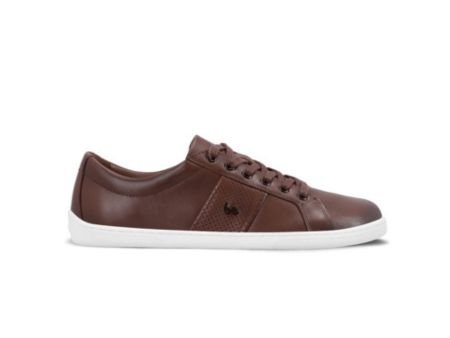
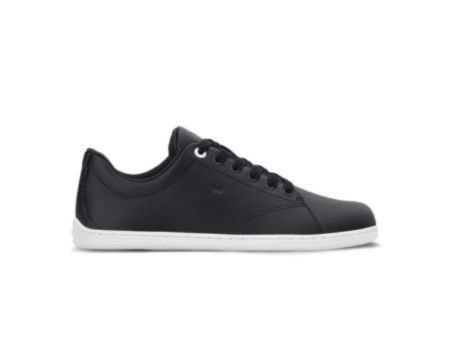
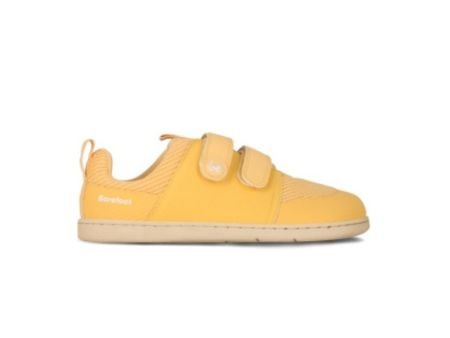
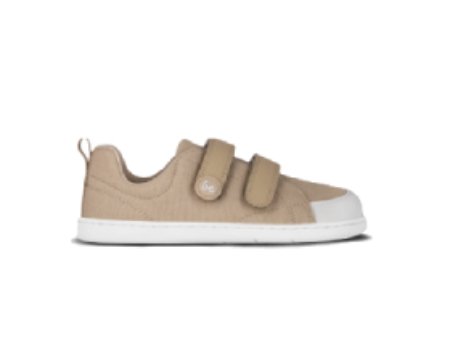
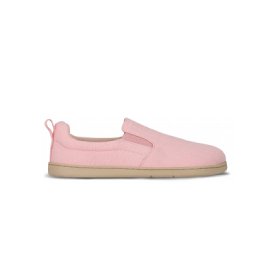
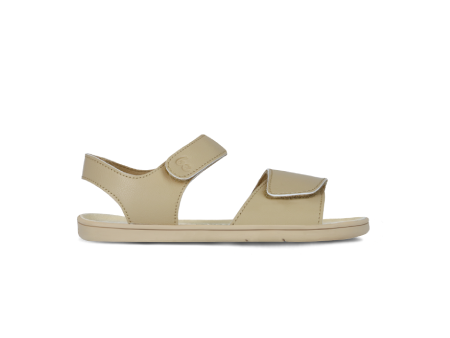


Kids' Fall Barefoot Shoes (40)

Scoot Kids




Canvi Kids
Energise Kids
Scoot Junior
Energise Preschool
Kids barefoot sneakers
Kids barefoot sneakers
Canvi Preschool
Elio Kids
Elio Preschool
Kids Barefoot Shoes
Kids Barefoot Shoes
Elio Junior
You have seen 40 of 40 products
Leaf piles, puddle jumps and mornings that start at forty degrees. Water-repellent uppers, grip for wet leaves and room for toes that are still growing.
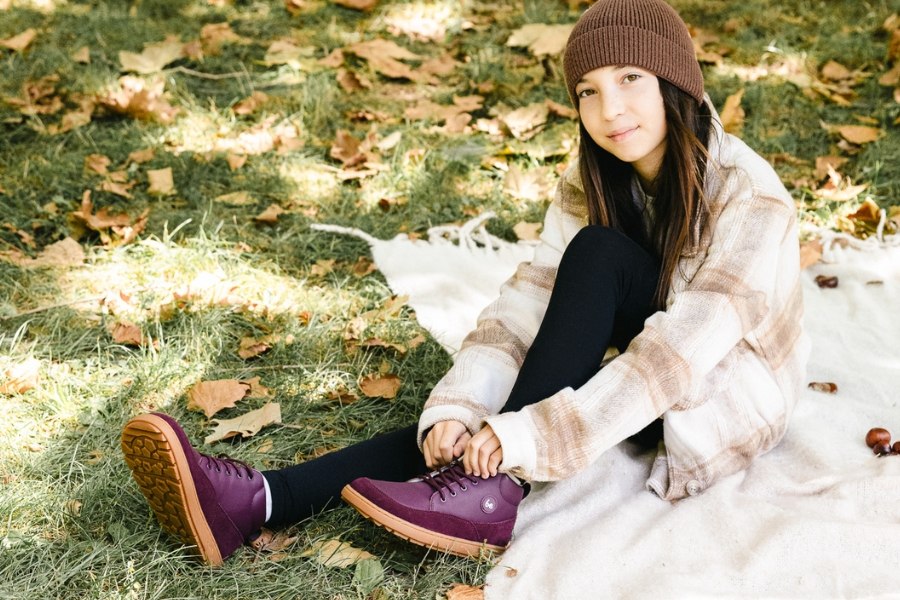
The season that changes by lunchtime
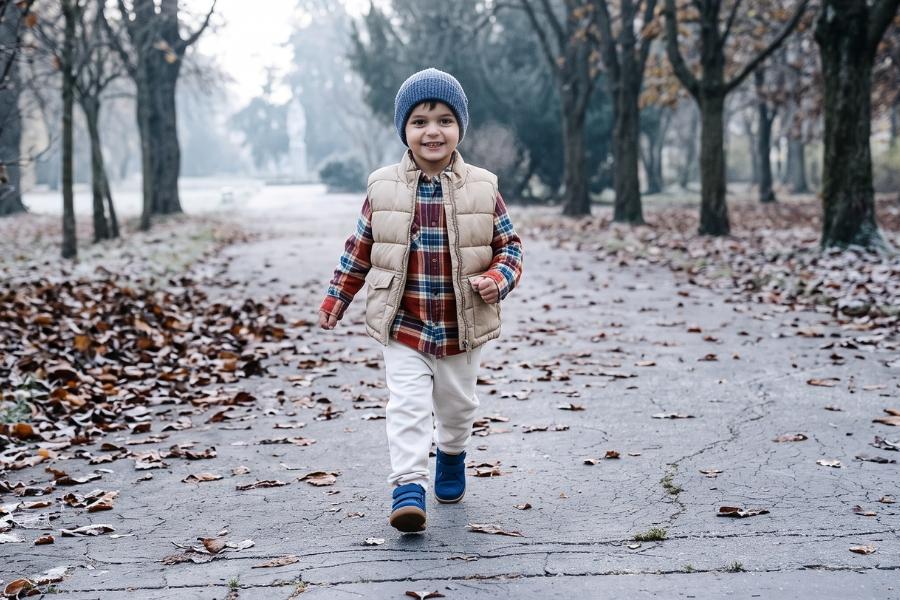
A fall morning at 40 °F turns into a 65 °F afternoon and then rains at pickup. The shoe that handles all three is closed, water-repellent, light enough not to overheat and grippy enough for wet leaves.
Wet leaves deserve a mention of their own — they are as slippery as ice, and fall is when a worn-smooth sole becomes a genuine problem. Check the tread on last year’s pair before the season starts.
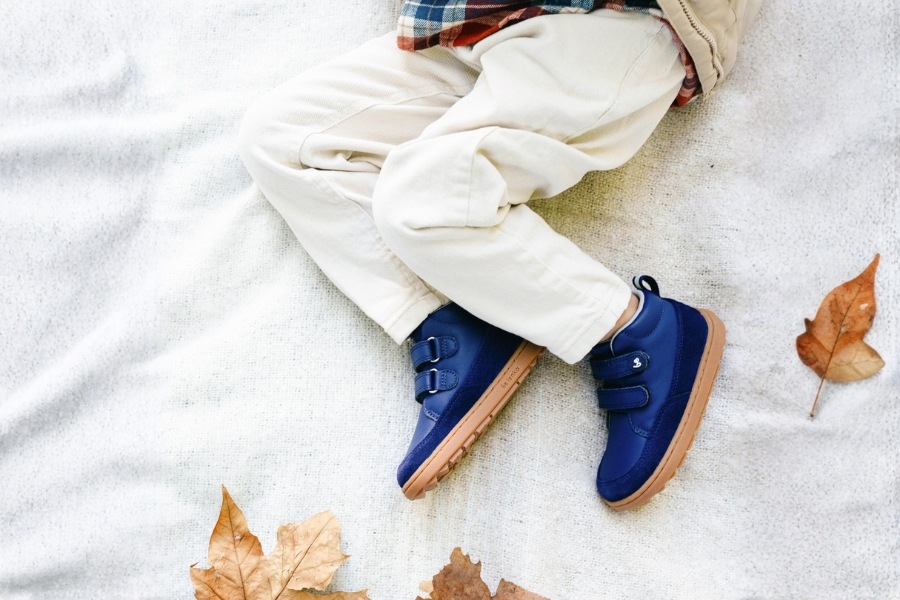
Back-to-school timing
Late August to mid-September is when the size range is fullest, and it is also when you want the shoes — before the first cold rainy morning rather than after it. Feet often grow over the summer, so measure before you order rather than assuming last spring’s size still applies.
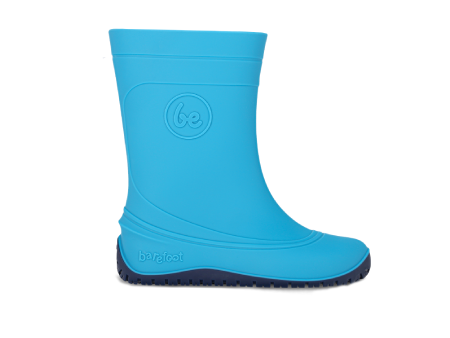
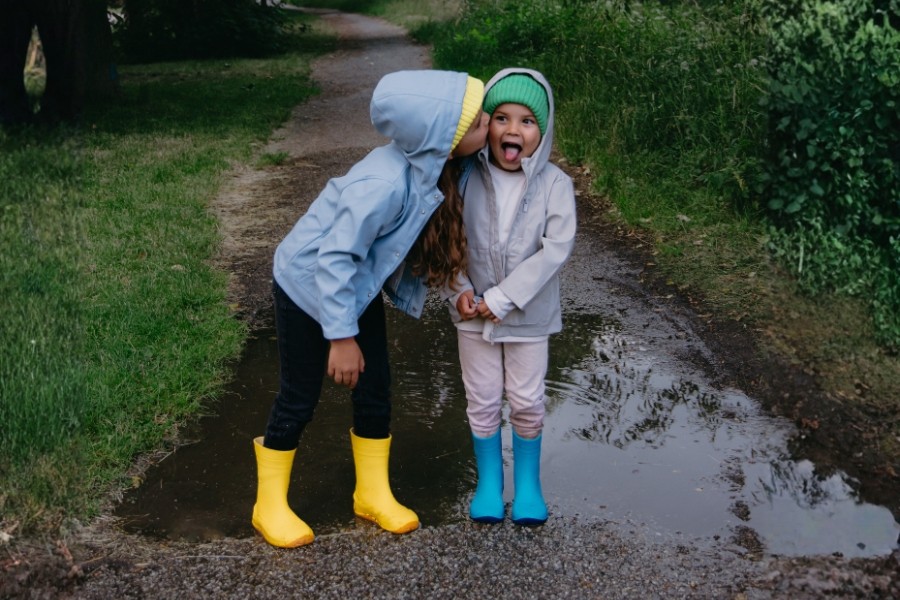
For wet days, rain boots handle what a closed shoe cannot. For the school day itself, see school shoes. When frost arrives, winter shoes and snow boots take over.
Keeping them dry
Reapply a water-repellent spray two or three times through the season and after any real soaking. Let shoes dry at room temperature, away from radiators, and take out removable insoles to dry separately. Two pairs in rotation solve most of the problem on their own.
What temperatures are fall shoes good for?
+ -Roughly 40 to 70 °F (5–20 °C). On cold mornings a thicker sock covers the gap; by afternoon the same shoe is comfortable. For frost and snow, an insulated model is the right choice.
Are they waterproof?
+ -They have a water-repellent finish that handles rain, damp ground and wet leaves rather than a full waterproof membrane. For deliberate puddle jumping, rain boots are what you want.
When should I buy fall shoes?
+ -Late August to mid-September, when the size range is complete and before the weather turns. Measure first — feet often grow over summer, and last spring’s size is rarely still right.
Can last year’s pair be handed down?
+ -It is better not to. A sole that has molded to one child’s gait is not a neutral starting point for another, and the tread is usually worn where that child pushed off hardest. If a pair is barely worn, check the sole carefully before passing it on.