 DE / USD

 Return Status
 Order Status
 FAQ



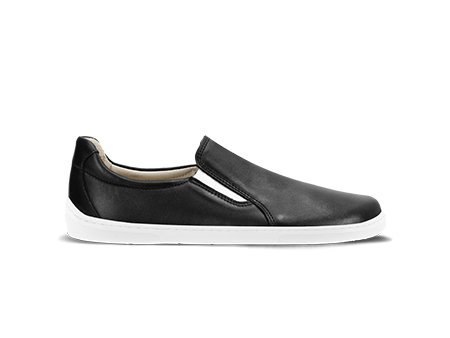
Kids' Barefoot Slip-On Sneakers (11)
Luppo Kids



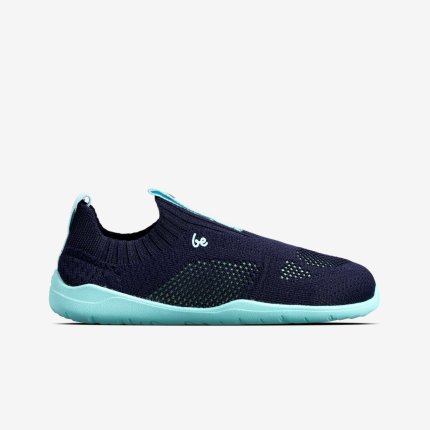
Luppo Junior
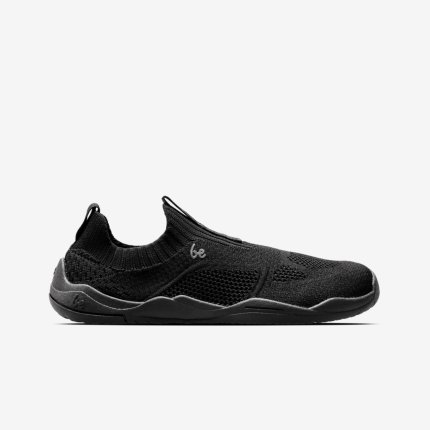
Luppo Preschool
Aura Preschool
You have seen 11 of 11 products
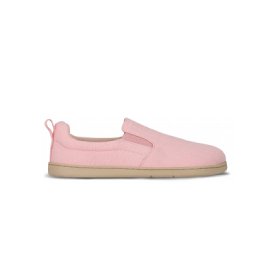
Mornings are faster when they can do it themselves. Stretchy openings, no laces, and a heel shaped to stay on. Underneath, room for growing toes and a sole that bends.
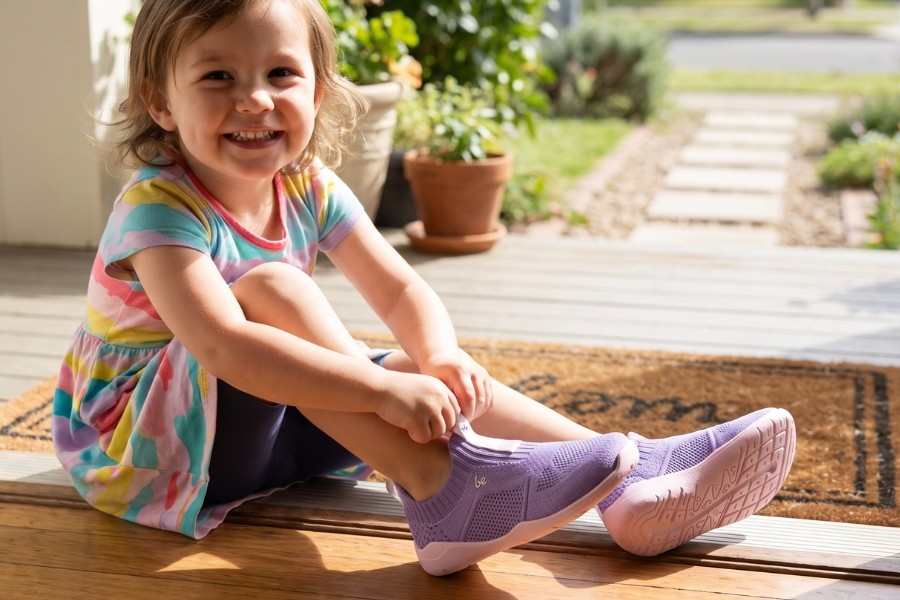
Independence is the real feature
A child who can put their own shoes on is a child who is ready before you are. No laces to tie, no straps to line up, nothing to ask for help with. For preschoolers especially, that is worth as much as anything else about the shoe.
It also means shoes actually get worn. A pair that is easy to get into is the pair that ends up on their feet, rather than the one they carry to the car.
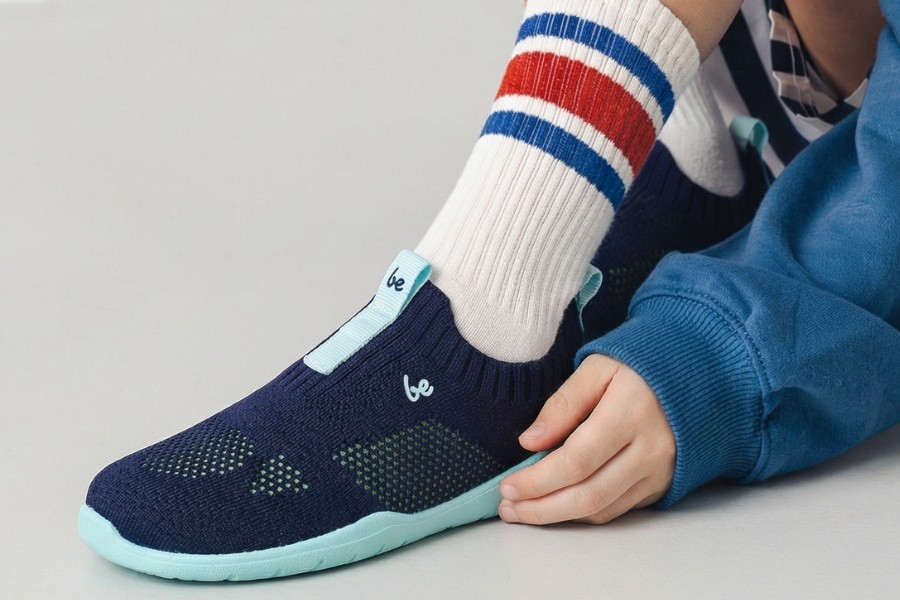
Staying on a moving foot
The trade-off with any slip-on is that there is nothing to tighten, so the shape has to do the work. A stretchy opening that pulls snug, a shaped heel and a fit that is secure through the midfoot are what keep the shoe on when a child breaks into a run.
That makes sizing more important here than in a strapped shoe. There should be growing room at the front, but the heel needs to stay put — if the shoe slips off while walking, it is too big rather than too loose.
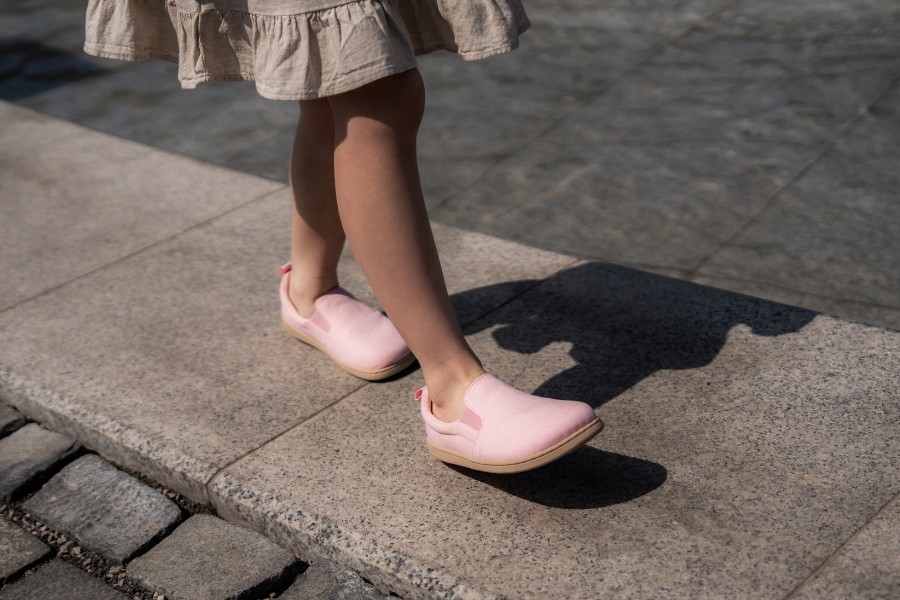
Where they work best
Mild weather, preschool, the playground, travel days and anywhere a child is in and out of shoes repeatedly. For a more adjustable fit, sneakers with straps or laces hold more securely on very active days. For school, see school shoes.
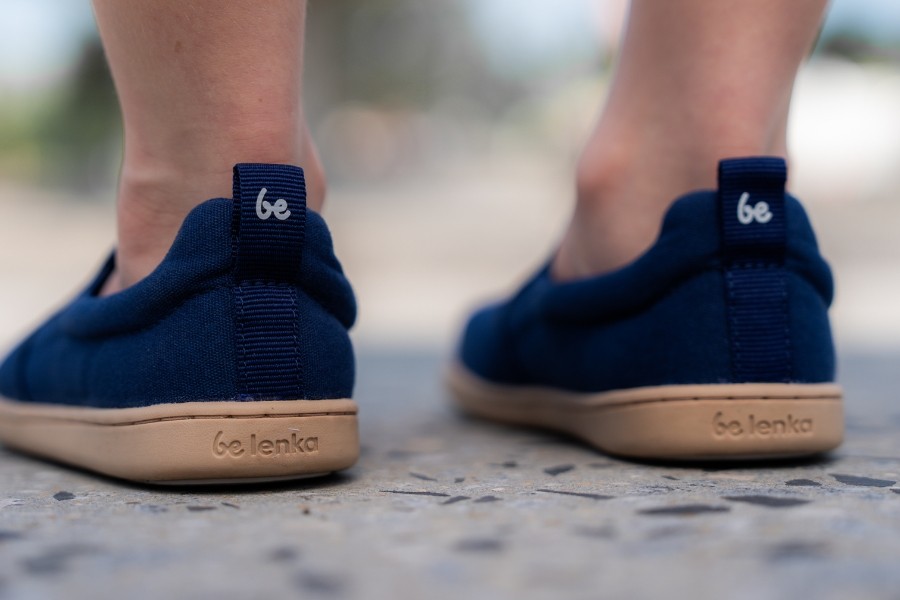
Do slip-on shoes stay on active kids?
+ -They do when the size is right. A stretchy opening and a shaped heel hold the shoe against the foot, and most children run and climb in them without trouble. If the shoe comes off during normal walking, it is too large — go down a size rather than accepting the slip.
Are they suitable for a full day at preschool?
+ -Yes, and they are one of the most practical options for it, because a child can manage them alone during the constant in-and-out of a preschool day. Check what your preschool requires for indoor footwear, since some ask for a separate pair.
What age are slip-ons best for?
+ -They are most useful from about two to six, when children want to dress themselves but cannot yet tie laces. Older children often keep wearing them for convenience, especially for travel and casual days.
How should they fit?
+ -Growing room at the front — roughly 0.4 to 0.5 inches (10–12 mm) beyond the longest toe — with the heel sitting securely and not lifting out as they walk. That balance is the whole trick with slip-ons: room where the foot grows, snug where the shoe has to hold.