 DE / USD

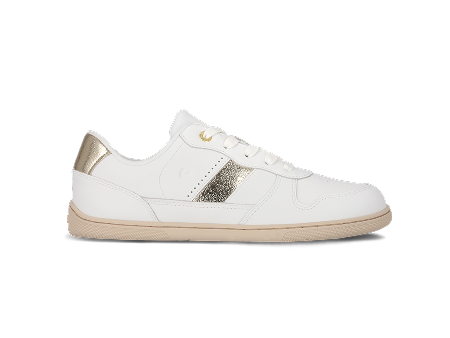
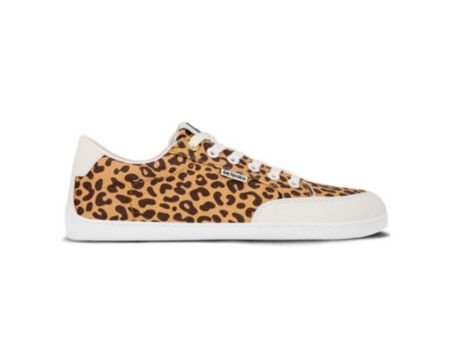
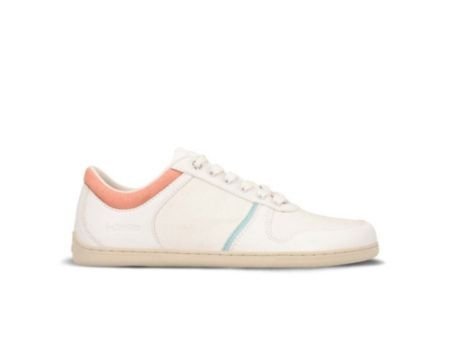
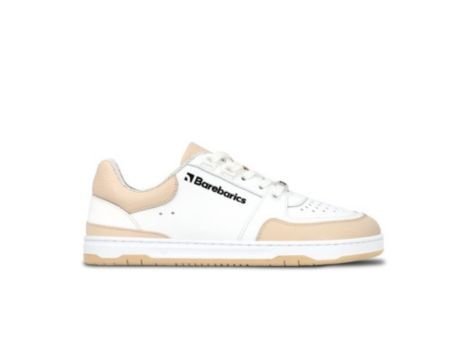
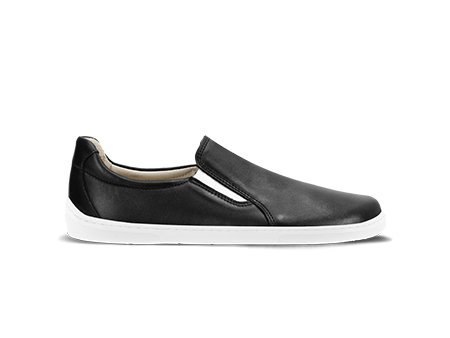
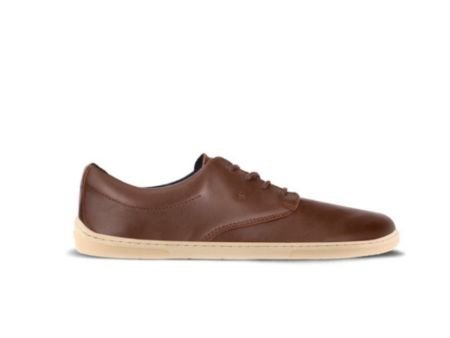
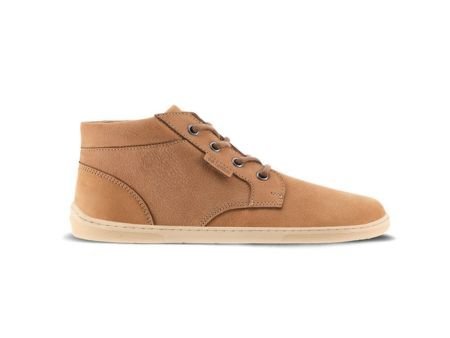
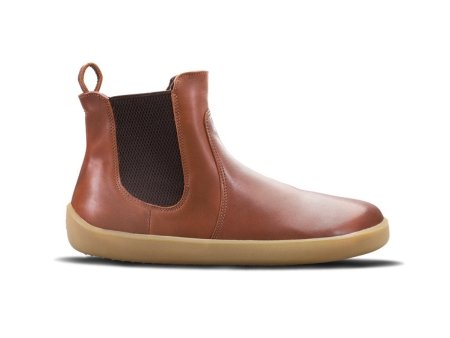
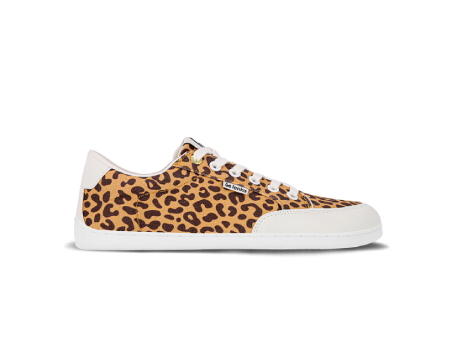
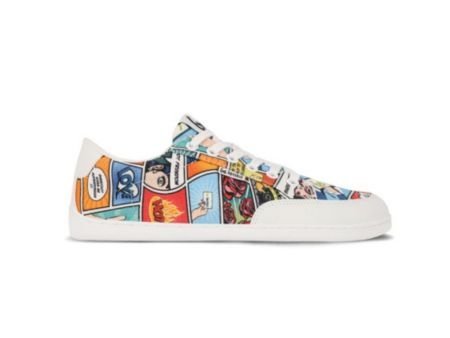
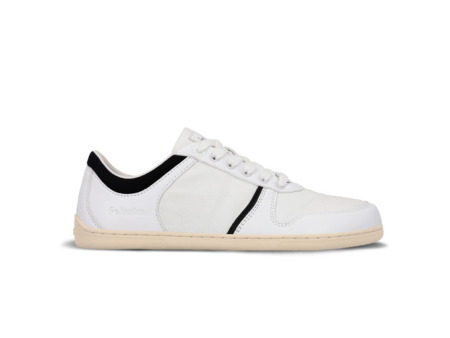
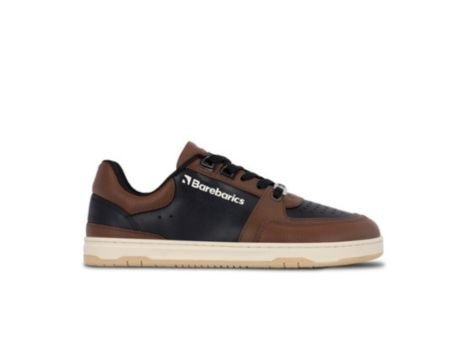
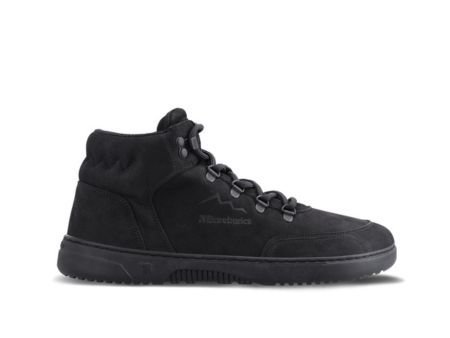
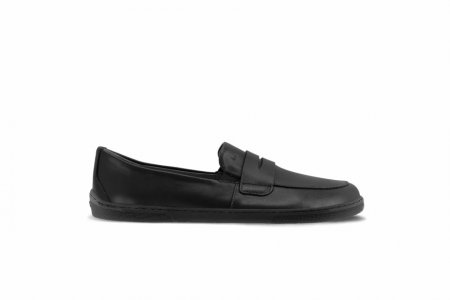
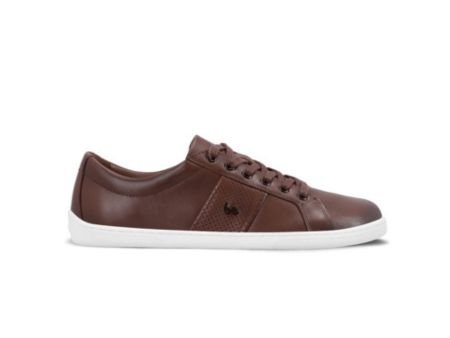
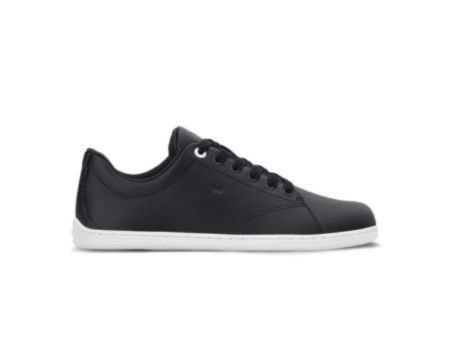
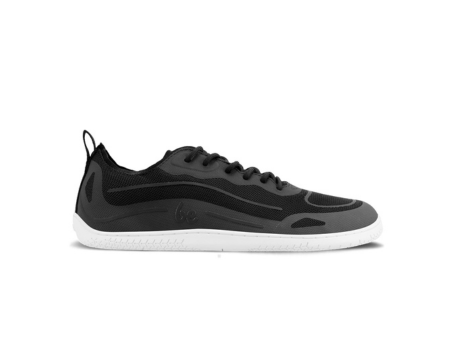
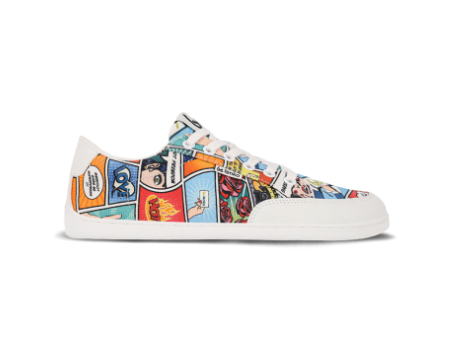
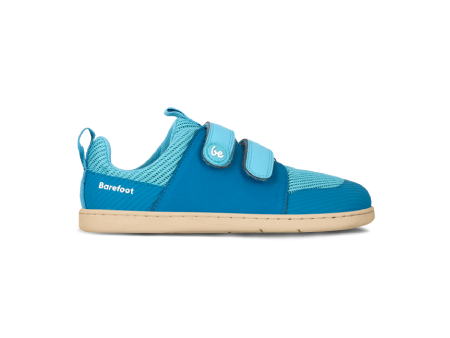
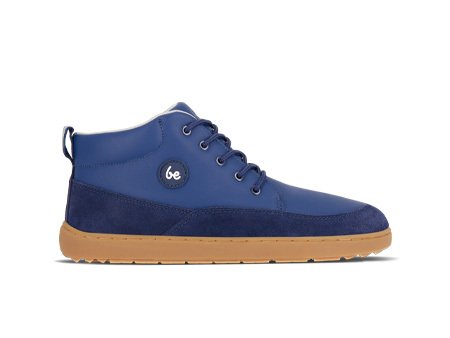
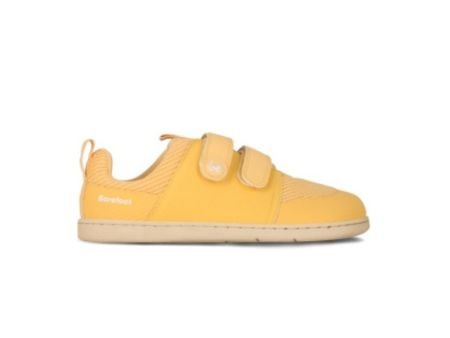
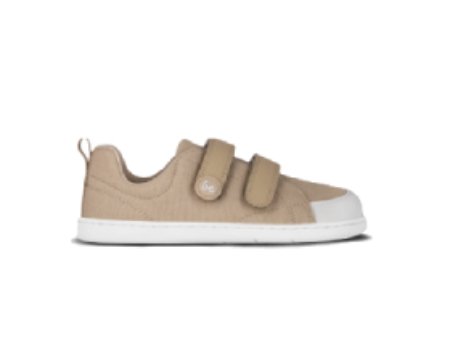
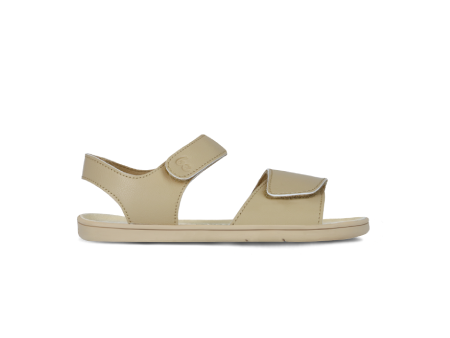
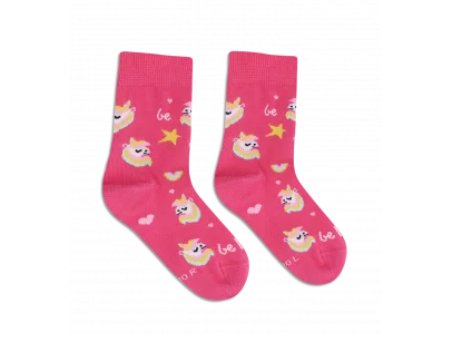
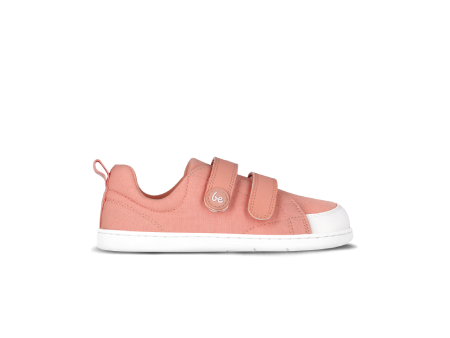


Kids' Barefoot Sports and Gym Shoes (9)
Luppo Kids



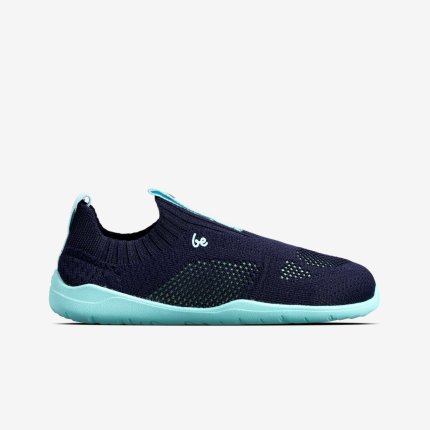
Luppo Junior
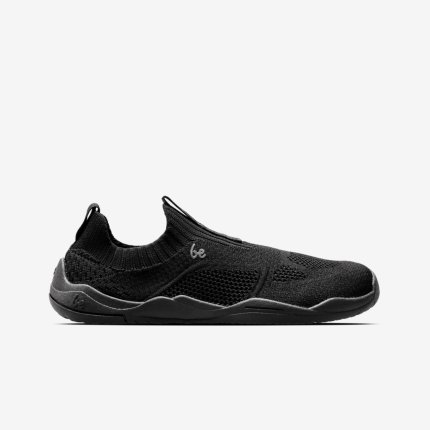
Luppo Preschool
You have seen 9 of 9 products
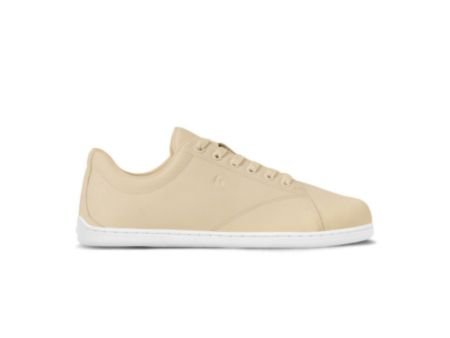
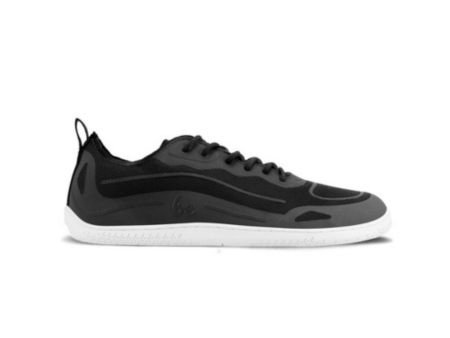
PE class, practice and the game in the yard. Light, grippy and flexible, with a wide toe box that gives young feet a stable base when they change direction.
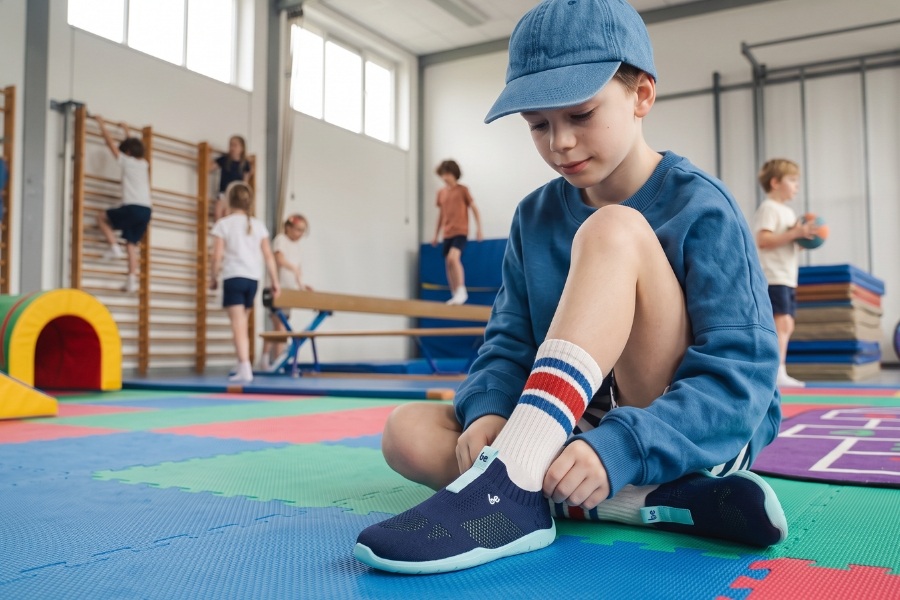
Why a thin sole helps young athletes
Children learn movement by feeling it. A thin, flexible sole lets them sense the floor and adjust — landing, pivoting, pushing off — which is how balance and coordination develop in the first place. A thick cushioned sole muffles that feedback at exactly the age it is most useful.
The wide toe box does the rest. Toes that can spread and grip give a wider base of support, and a wider base is what keeps a child steady when they stop, turn and sprint again.
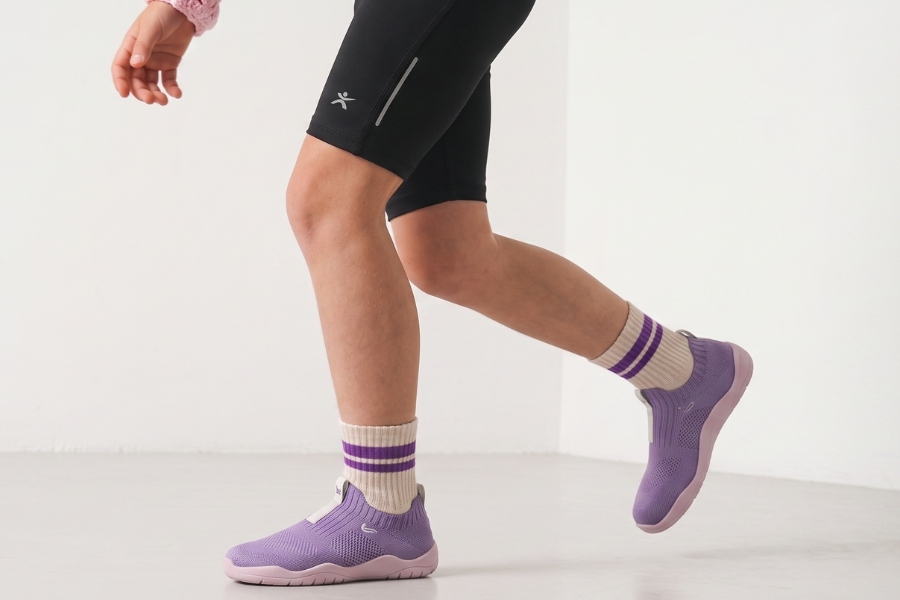
What PE class usually requires
Most schools ask for a non-marking sole and a shoe that stays on securely. A light build and a closure the child can manage alone are worth having too, since PE shoes get changed in a hurry with twenty other children doing the same thing.
Label the pair and keep it in the gym bag. For the rest of the school day, see school shoes; for everyday wear, everyday shoes.
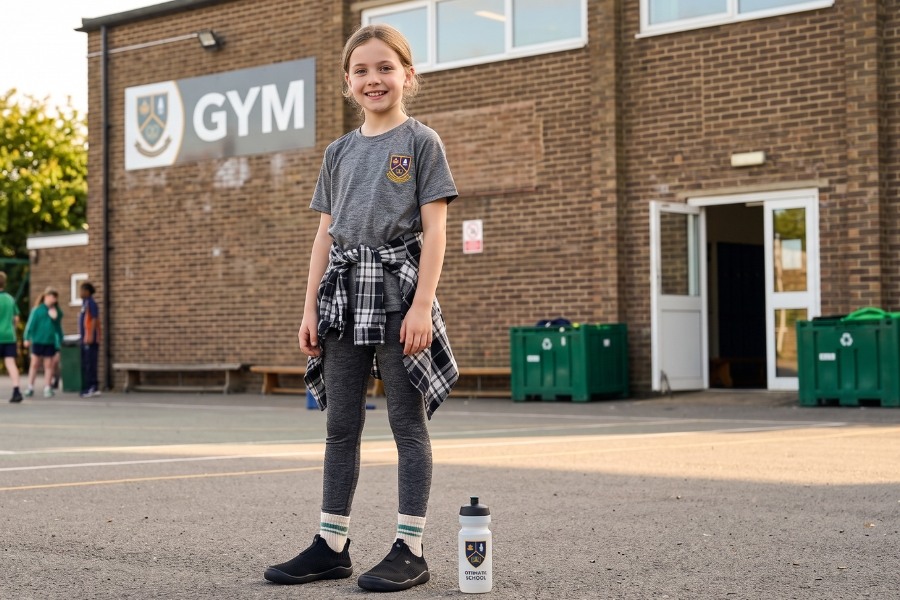
Indoor courts and outdoor yards
Indoor models need grip on a gym floor and a sole that does not leave marks. Outdoor play asks for more tread and a tougher upper. If your child does both, a versatile light sneaker covers most of it — see kids’ sneakers.
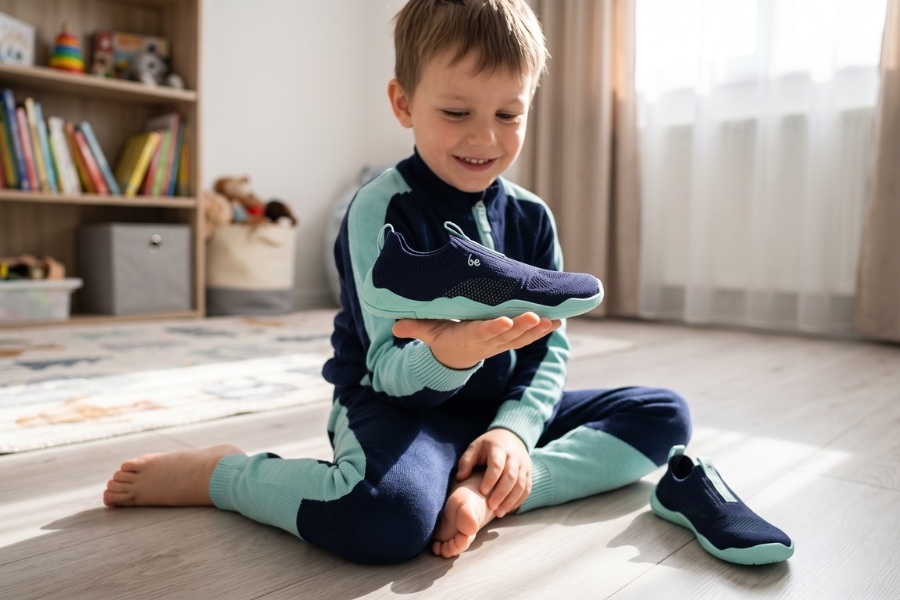
Are barefoot shoes suitable for PE and sports?
+ -They suit most of what children do in PE well: running, jumping, climbing, ball games and gymnastics-style movement all benefit from ground feel and a stable, wide base. Check your school’s requirements for a non-marking sole, which is the most common rule.
Can kids run in barefoot shoes?
+ -Children run in them naturally, and usually adapt within days — they have far fewer years of cushioned footwear behind them than adults do. For organized running or track specifically, ask the coach whether they have requirements, but for school sport a light barefoot shoe is well suited.
How should sports shoes fit?
+ -Growing room at the front — roughly 0.4 to 0.5 inches (10–12 mm) — with a secure heel that does not lift when they run. A sports shoe needs to hold more securely than a casual one, since a shoe that slips during a sprint is both slower and less safe.
Do they need a separate pair for PE?
+ -Most schools require one, usually with a non-marking sole. It is also practical: a dedicated indoor pair stays cleaner, and it means their main shoes get time to dry out between school days.