 DE / USD

 Return Status
 Order Status
 FAQ


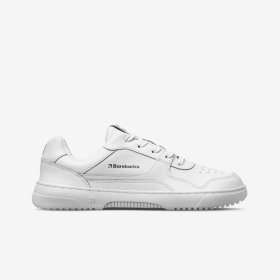
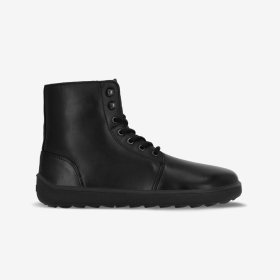

Men's Barefoot Hiking Shoes (6)

Trailair



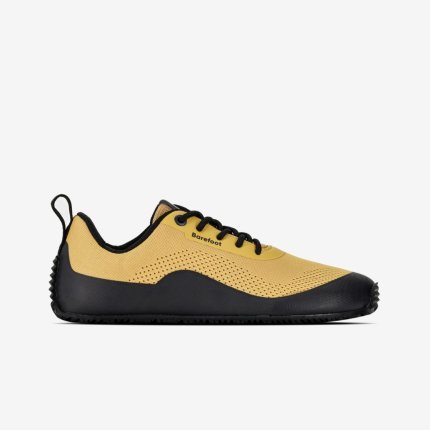
Trailtech
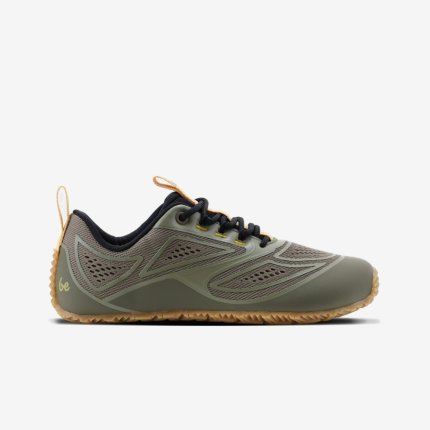
You have seen 6 of 6 products
Ground feel is not a compromise on the trail, it is the point. Grippy outsoles and protective uppers, with room in the toes for stability on the way down.
Why thin soles work on rough ground
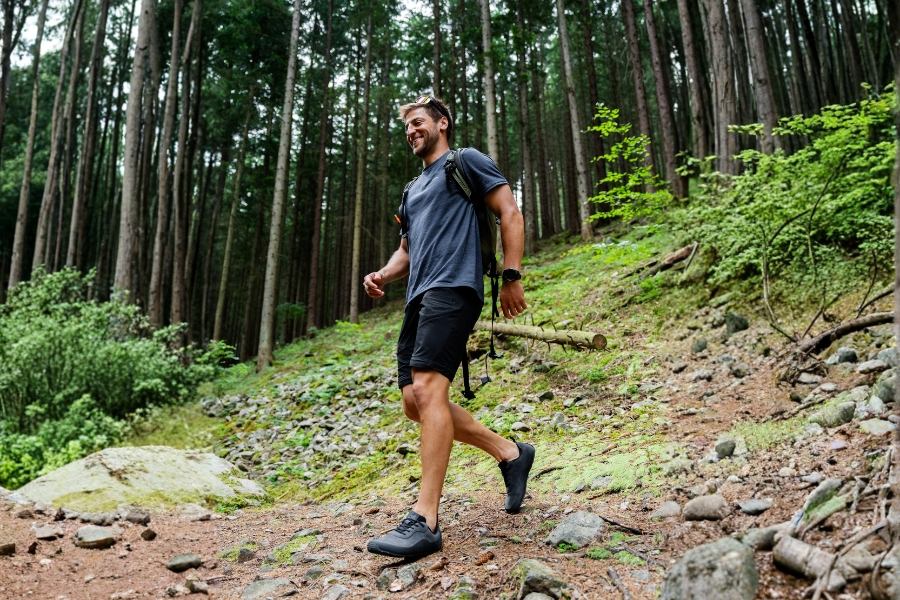
Every root, stone and change of angle is information. The thinner and more flexible the sole, the more of it reaches your foot, and the sooner your ankle reacts. On uneven ground that is worth more than cushioning, because most trail mishaps come from placing a foot badly rather than from impact.
Room at the front matters more downhill than anywhere else. On a long descent your foot slides forward, and toes with space stay comfortable instead of slamming into the end of the shoe. Zero drop keeps your posture level, which counts under a loaded pack.
Matching the shoe to the terrain
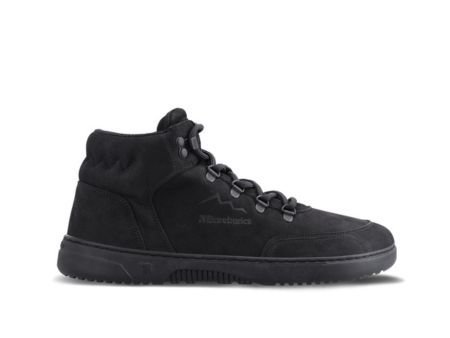
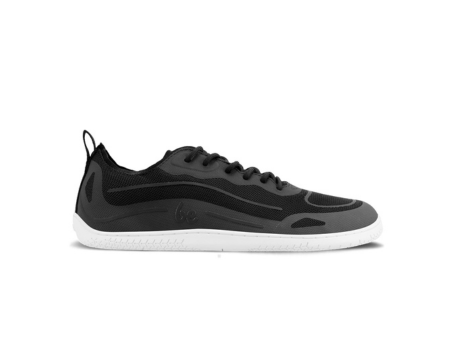
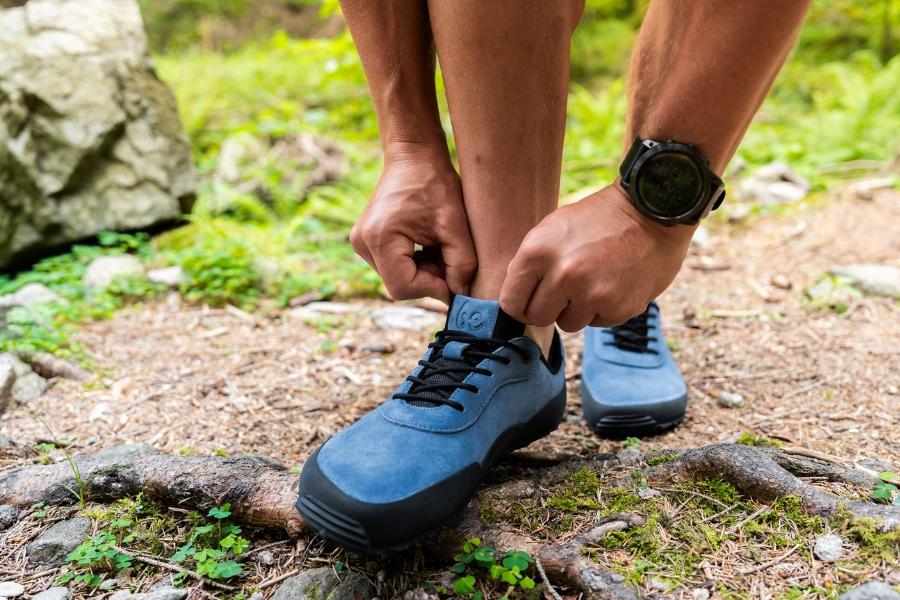
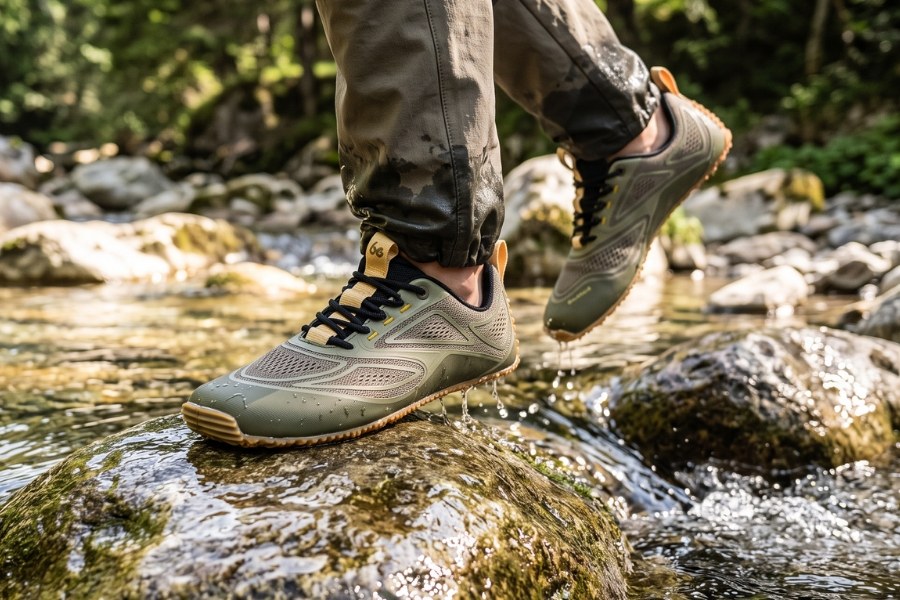
For easy paths, gravel and a few hours out, a lighter model with a moderate tread is plenty and doubles as an everyday shoe afterwards. Trailtech and Trailair cover that end, and Polaris and Synergy work well for mixed trail-and-town use.
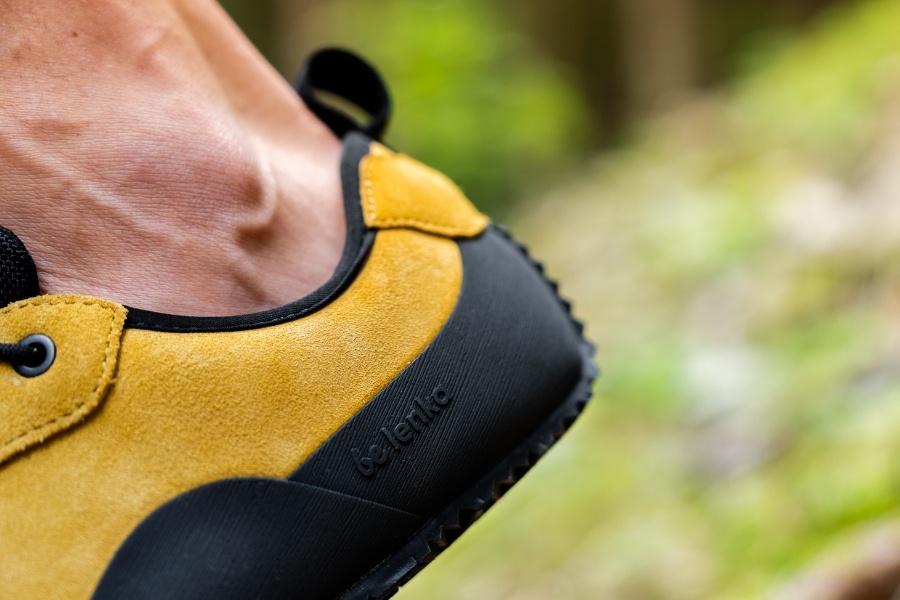
For rocky ground, steep descents and full days with weight, choose a tougher upper and a deeper tread. Trailwalker 2.0 is the all-round trail model and Ranger 2.0 brings a leather build for harder use. Be Lenka develops its own sole compounds and tests every model over thousands of steps, which is the kind of work that shows up on wet rock rather than in a product photo.
Build up before the big day
Trails ask more of your feet than sidewalks do. If barefoot shoes are new to you, do not make a full-day hike your first outing. Start with shorter walks on mixed ground, then longer ones, then add elevation and a pack. Feet, calves and ankles get stronger quickly — they just need the miles.
Are barefoot shoes good for hiking?
+ -For many hikers they are the best part of the hike. You feel the ground and adjust your footing sooner, your toes have room on long descents, and a level heel-to-toe profile keeps your posture natural under a pack. What you give up is thick cushioning, so your feet do more of the work. Build up gradually and choose an outsole suited to your terrain.
Do they protect my feet on rocky trails?
+ -Yes, within the design. A tougher upper, a reinforced toe area and a sole compound built for grip handle rock, roots and loose gravel. What you keep is ground feel — you notice the terrain more than in a cushioned boot, and most hikers find they place their feet better as a result.
Can I carry a heavy pack in barefoot hiking shoes?
+ -You can, once your feet are adapted, and a level heel-to-toe profile actually helps your posture under load. Build up to it: carry lighter loads first, and add weight and distance gradually. If you are new to both barefoot shoes and pack-carrying, do not start with a multi-day trip.
What size should I order for hiking?
+ -Go by measurement rather than your usual size, and leave extra room at the front — around 0.4 to 0.5 inches (10–12 mm) beyond your longest toe — for descents and thicker socks. The heel should sit securely without lifting. Between sizes, take the larger one and adjust the lacing.