 DE / USD

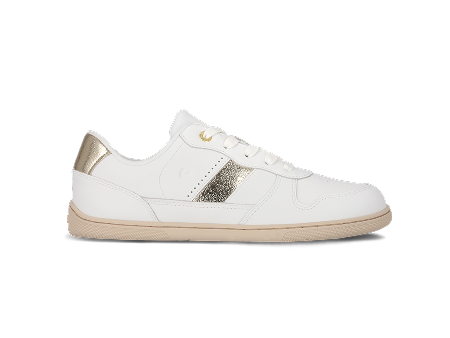
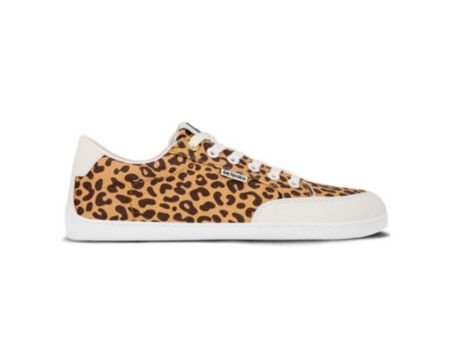
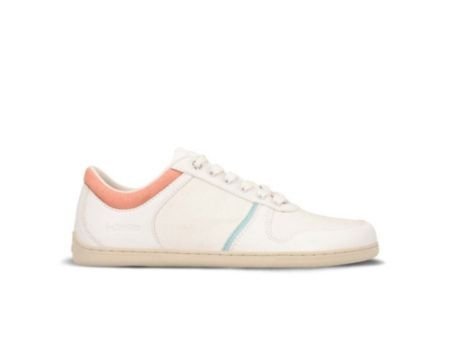
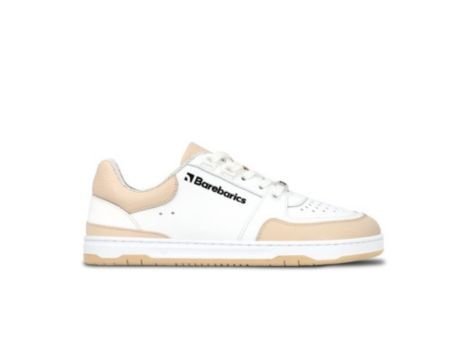
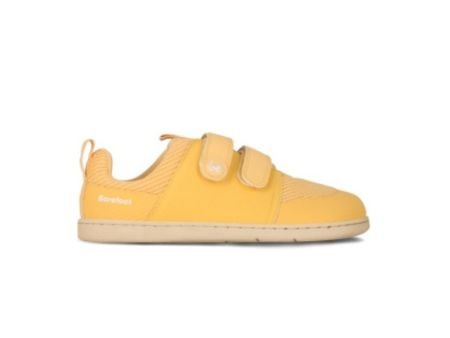
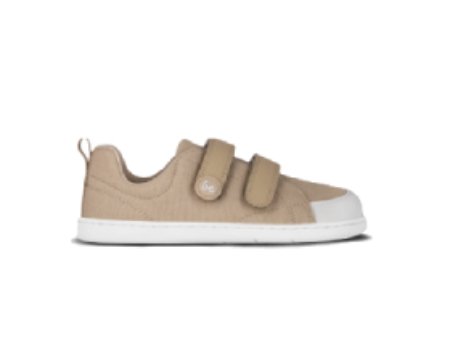
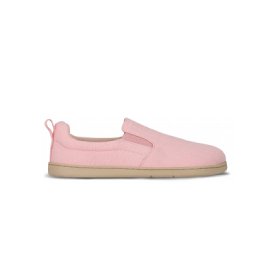
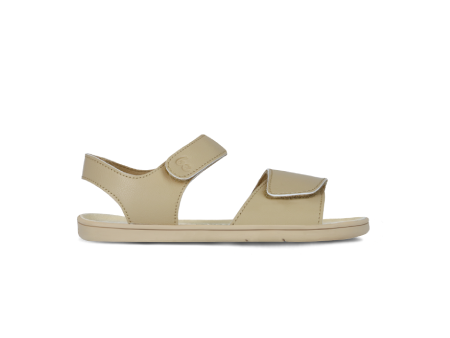
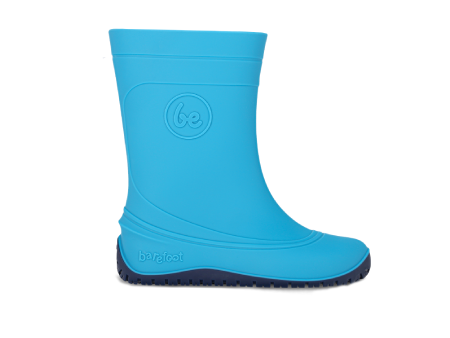
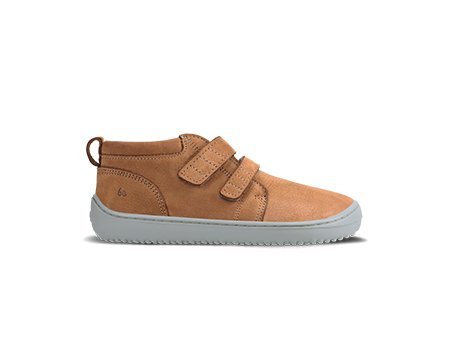
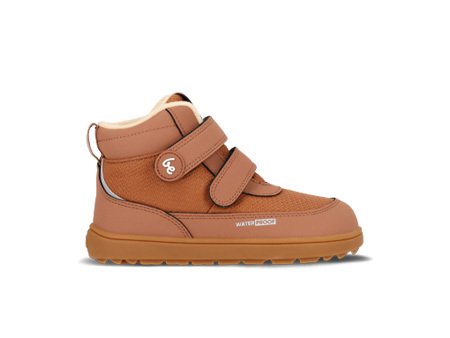
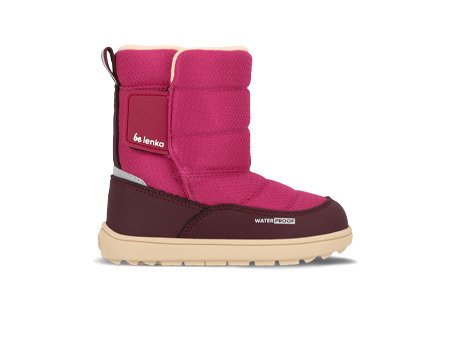


Kids' Spring Barefoot Shoes (48)

Scoot Kids



Canvi Kids
Bounty Kids
Energise Kids
Scoot Junior
Energise Preschool
Kids barefoot sneakers
Kids barefoot sneakers
Canvi Preschool
Bounty Junior
Elio Kids
Elio Preschool
Kids Barefoot Shoes
Kids Barefoot Shoes
Elio Junior
You have seen 48 of 48 products
First warm afternoons and a puddle on every corner. Lighter than winter boots, water-repellent where it counts, roomy in the toes and flexible underfoot.
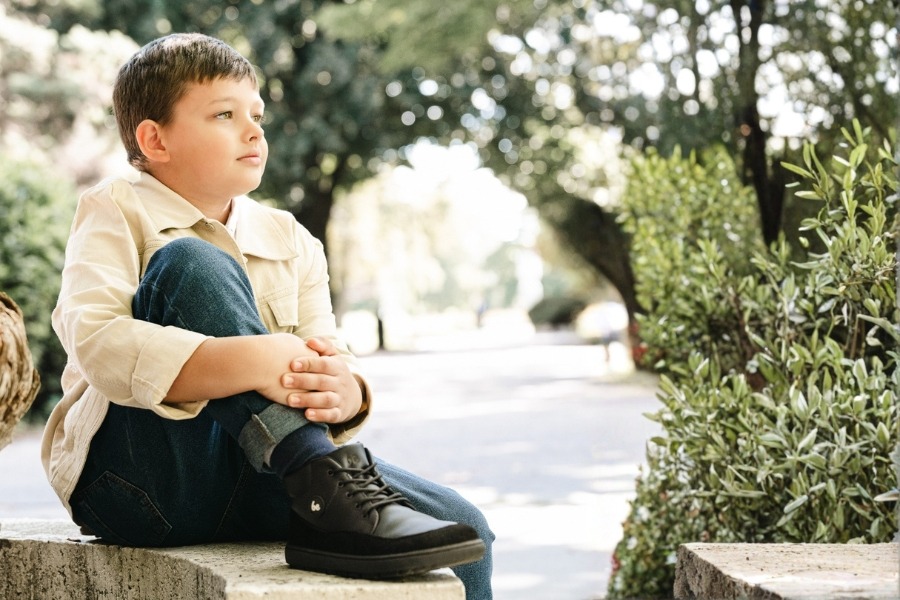
The season of wet feet
Spring is mud, melting snow, wet grass and a child who will find the one puddle on an otherwise dry street. A spring shoe has to be light enough for a warm afternoon and treated enough for all of that.
Look for a water-repellent upper, a sole with real tread for soft ground, and a closure a child can manage alone. Insulation is what comes off the list — a winter boot in April is too warm within an hour of play.
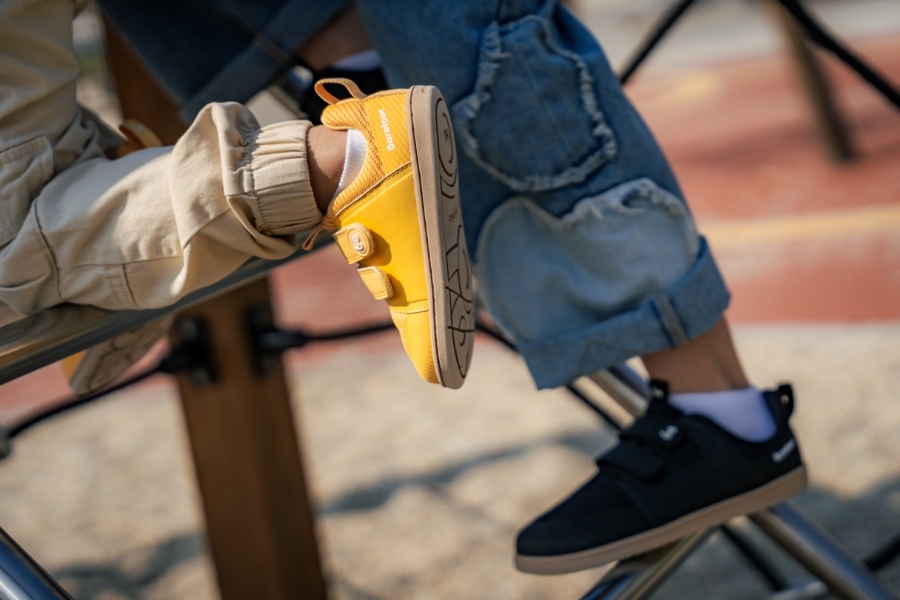
Two pairs make spring easier
An everyday closed pair for school and mild days, plus rain boots for the wettest ones, covers the season without drama. On warm days at the end of it, summer shoes and sandals start to make sense.
Rotating pairs matters more in spring than in any other season, because a soaked pair takes a full day to dry properly and there is always another wet morning coming.
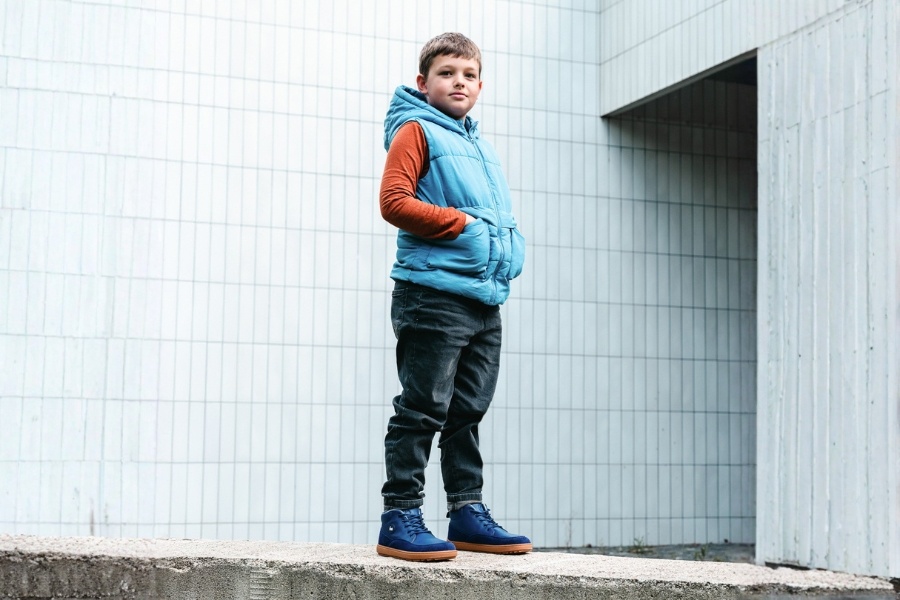
A good time to check the fit
Feet often grow over winter without anyone noticing, since thick socks mask a shoe getting snug. Spring is worth a proper measurement: both feet, the longer one, roughly 0.4 to 0.5 inches (10–12 mm) beyond the longest toe.
What temperatures are spring shoes good for?
+ -Roughly 40 to 70 °F (5–20 °C). On cold mornings a thicker sock covers the difference; by afternoon the same shoe is comfortable in the sun.
Are they waterproof?
+ -Most have a water-repellent finish that handles rain, wet grass and damp sidewalks rather than a full waterproof membrane. For puddle jumping and properly wet days, rain boots are the right tool.
How do I dry wet shoes quickly?
+ -At room temperature, away from radiators and direct heat, with the insole taken out if it is removable. Stuffing them loosely with paper and changing it once speeds things up. Heat is what ruins shoes fastest, so the shortcut is a second pair rather than a warmer spot.
How often should I check the fit in spring?
+ -Every two to three months for toddlers and three to four for older children. Spring is a good moment for a proper measurement regardless, since winter socks tend to hide a shoe that has quietly become too small.