 DE / USD

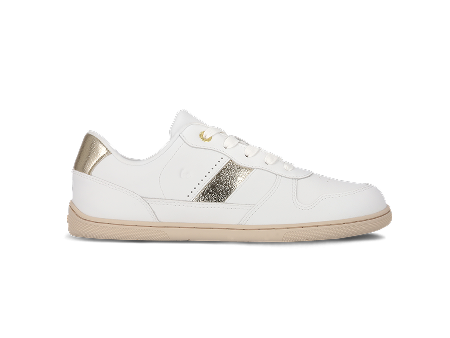
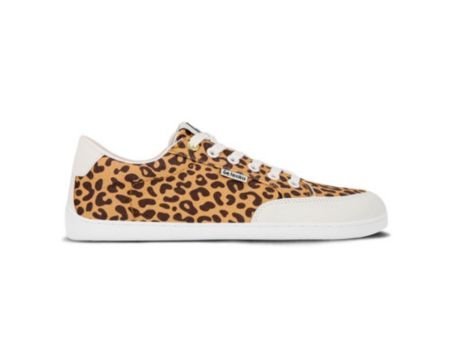
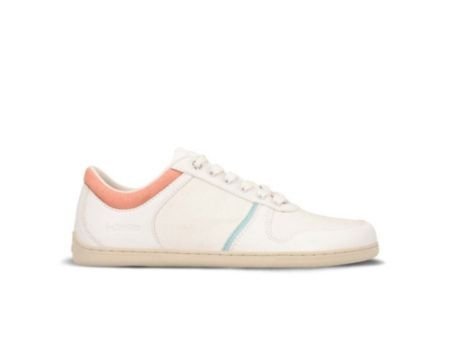
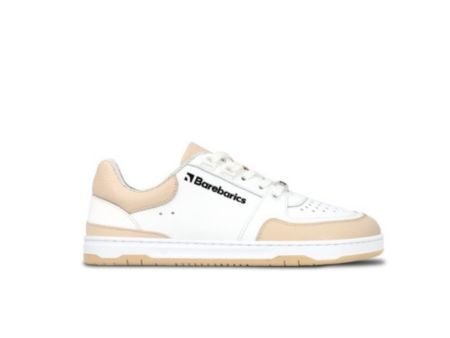
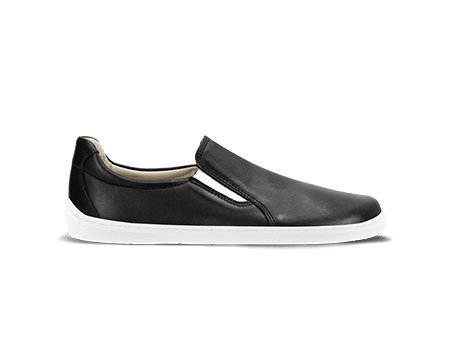
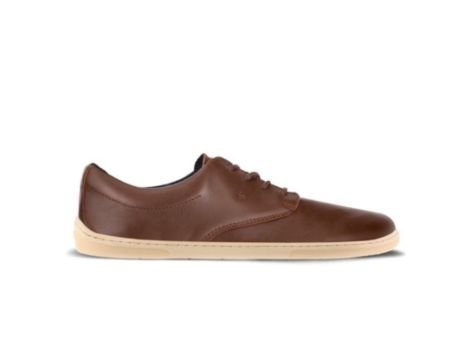
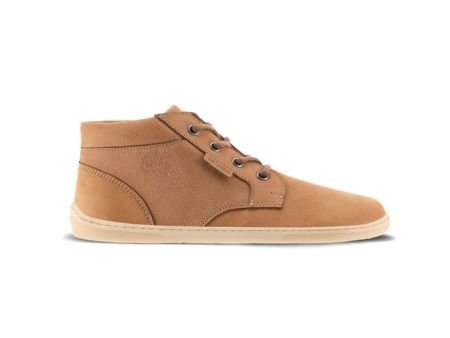
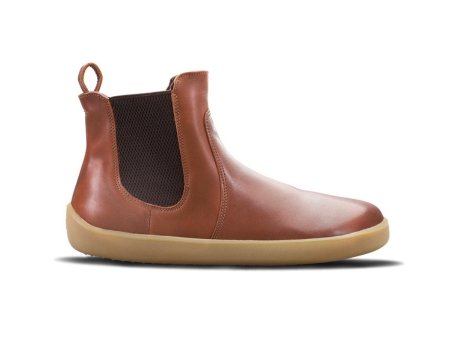
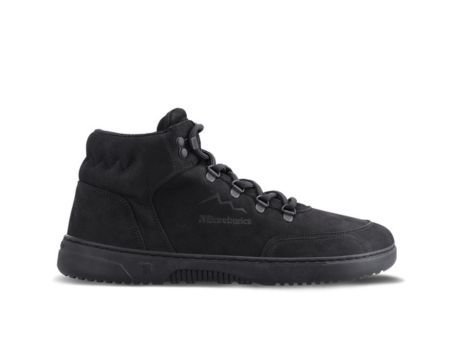
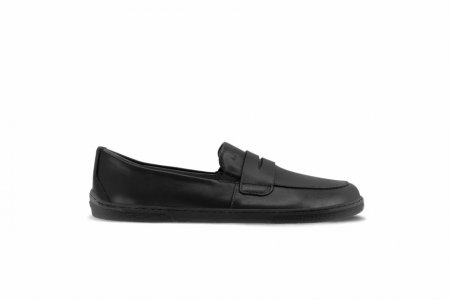
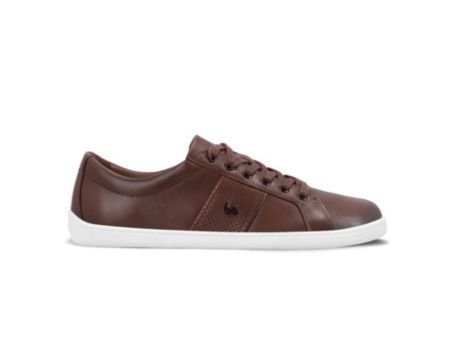
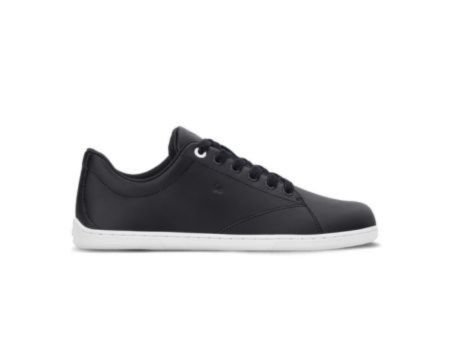
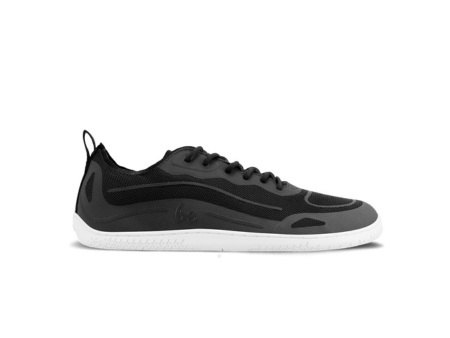
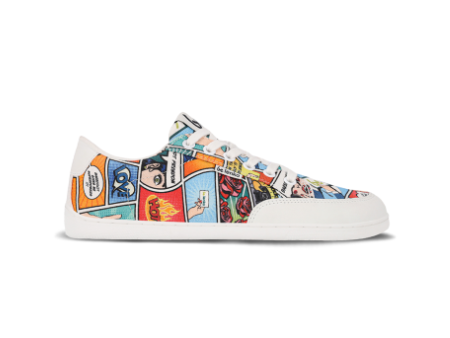
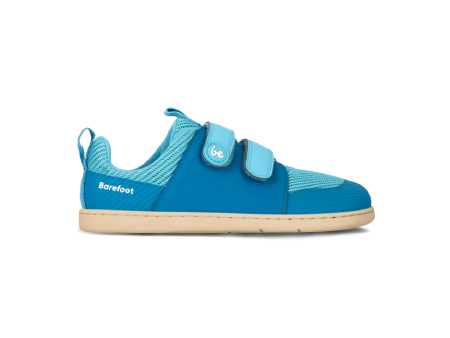
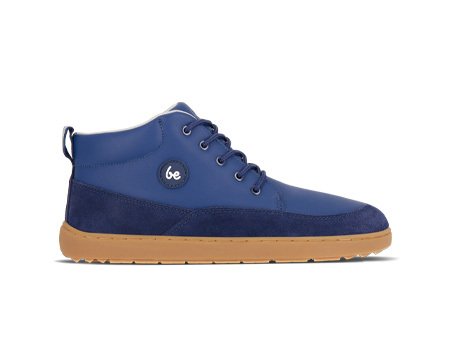
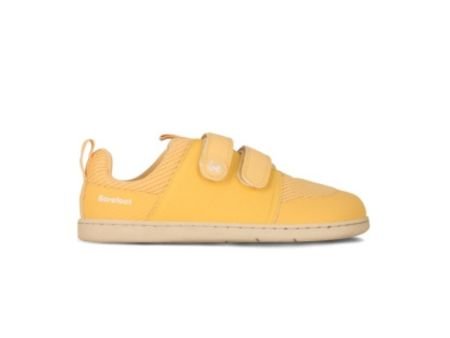
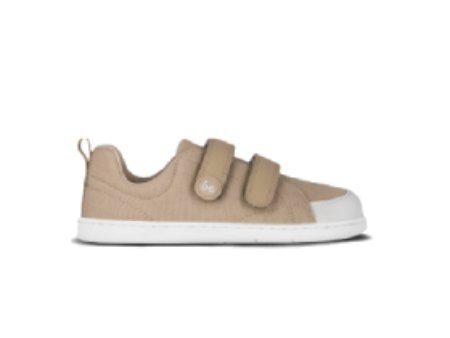
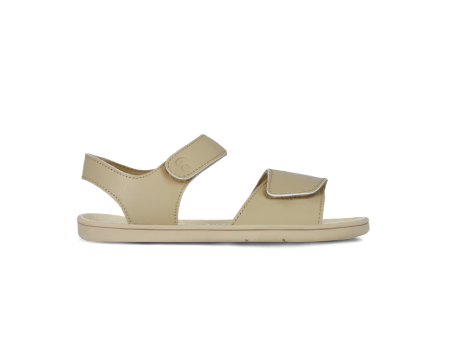
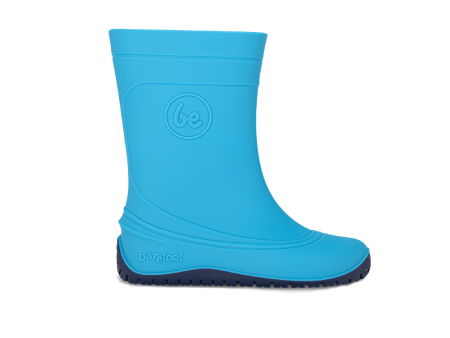
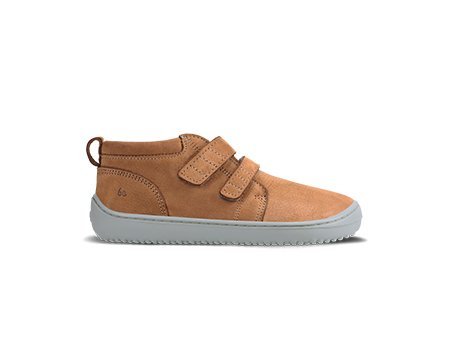
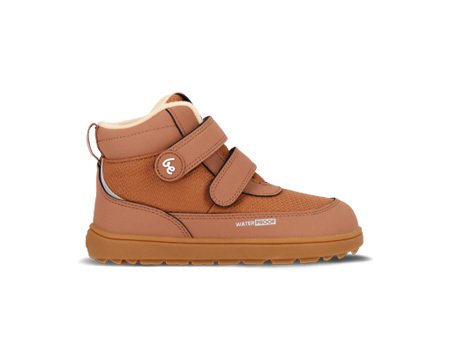
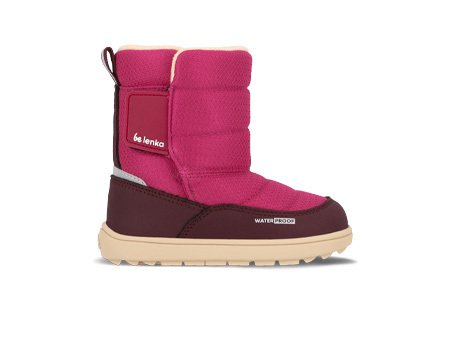


Women's Barefoot Hiking Shoes (9)
Trailair



Trailtech
You have seen 9 of 9 products
On a trail, feeling the ground is an advantage. Grippy outsoles and protective uppers, with a wide toe box for stability on descents and a sole flexible enough to follow the terrain.
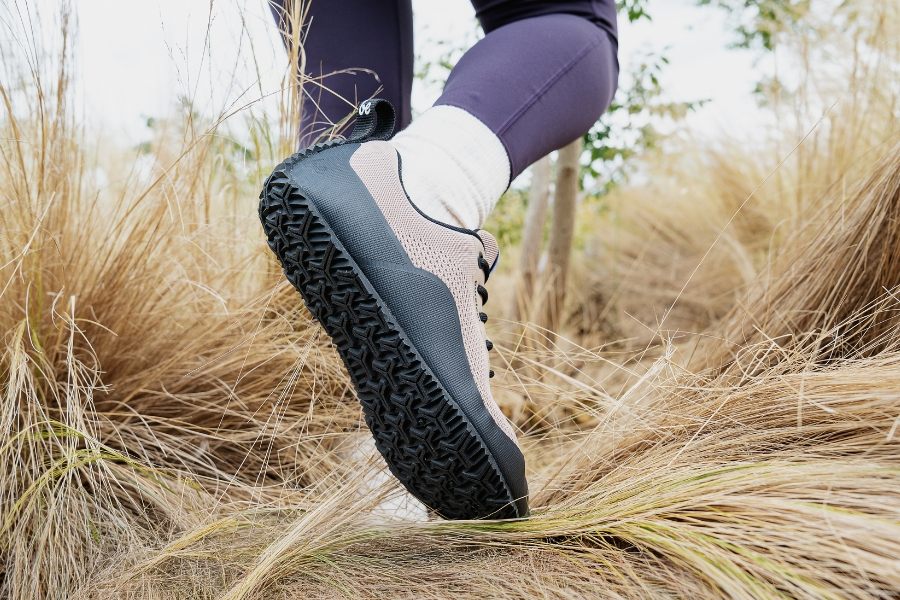
Why ground feel helps on a trail
Every root, stone and change of angle is information. The thinner and more flexible the sole, the more of it reaches your foot — and the sooner your ankle reacts. On uneven ground that is worth more than cushioning, because most trail mishaps come from placing a foot badly rather than from impact.
Room at the front matters even more downhill than it does in town. On a long descent your foot slides forward, and toes that have space stay comfortable instead of hitting the end of the shoe. Zero drop keeps your posture level, which counts when you are carrying a pack.
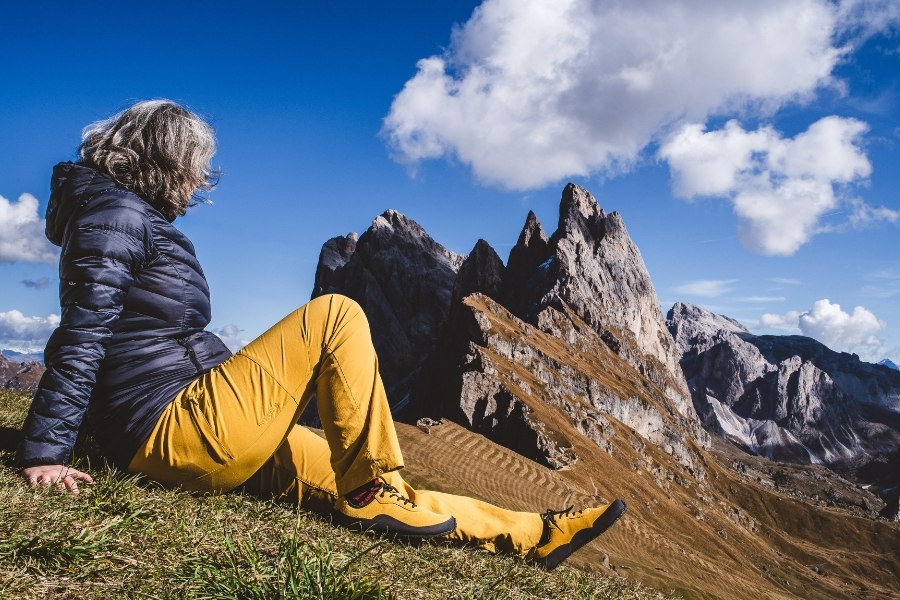
Choosing for the terrain you actually walk
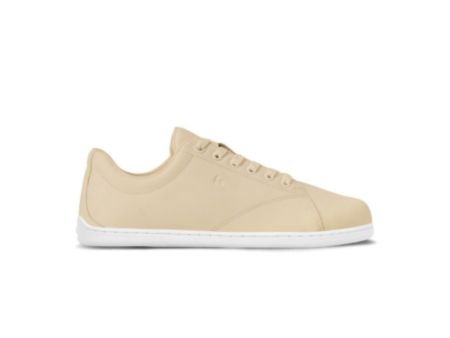
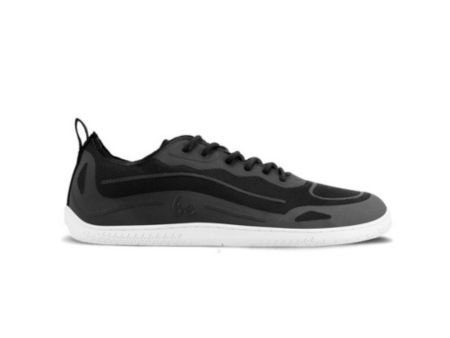
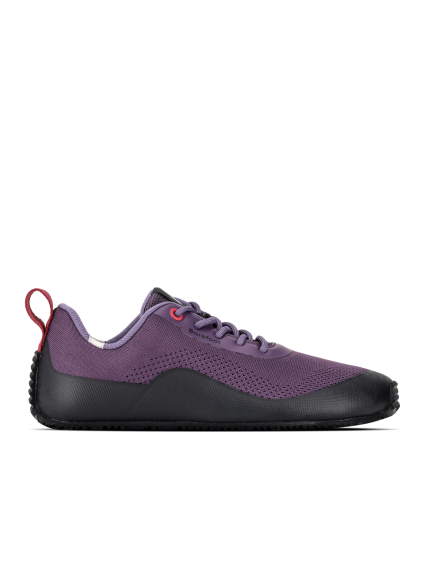
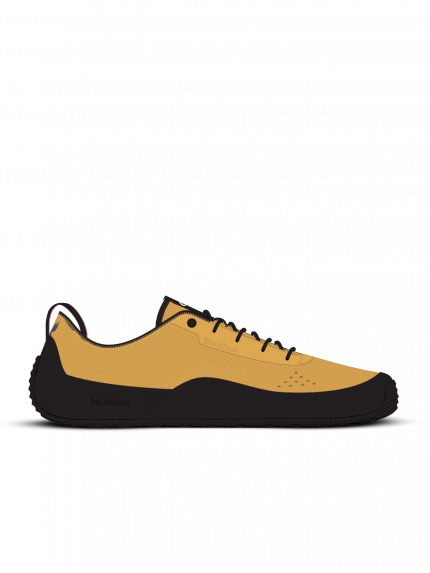
For easy paths, gravel and a few hours out, a lighter model with a moderate tread is plenty and doubles as an everyday shoe afterwards. Trailtech and Trailair cover that end.
For rocky ground, steep descents and full days, choose a tougher upper and a deeper tread — Trailwalker 2.0 is the all-round trail model and Ranger 2.0 brings a leather build for rougher use. For wet trails and cold mornings, look for a treated upper or a membrane, and see fall shoes and winter boots when the season turns.
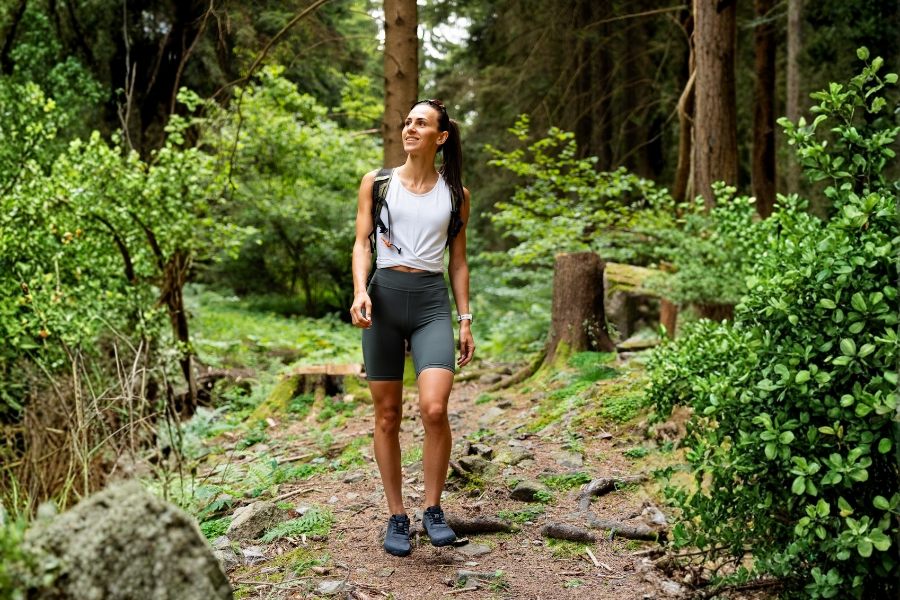
Build up before the big hike
Trails ask more of your feet than sidewalks. If barefoot shoes are new to you, do not make a full-day hike your first outing. Start with shorter walks on mixed ground, then longer ones, then add elevation and a pack. Feet, calves and ankles get stronger quickly — they just need the miles to do it.
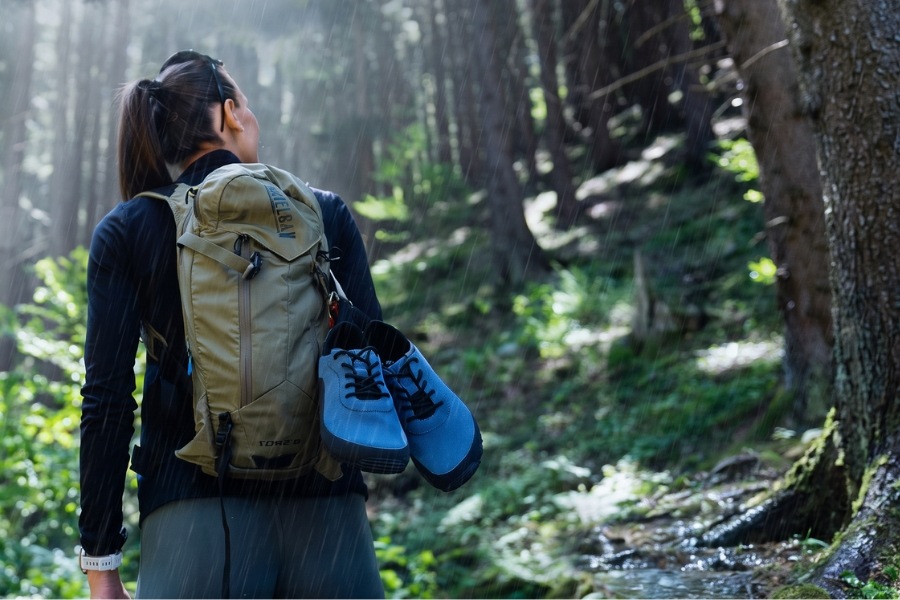
Are barefoot shoes good for hiking?
+ -For many women they are the best part of the hike. You feel the ground and adjust your footing sooner, your toes have room on long descents, and a level heel-to-toe profile keeps your posture natural under a pack. What you give up is thick cushioning, so your feet do more of the work. Build up your distance gradually and choose a model with a deep, grippy outsole for your terrain.
Do they protect my feet on rocky trails?
+ -Yes, within the design. A tougher upper, a reinforced toe area and a sole compound built for grip handle rock, roots and loose gravel. What you keep is ground feel — you will notice the terrain more than in a cushioned boot, and most hikers find they place their feet better as a result.
What size should I order for hiking?
+ -Go by measurement rather than your usual size, and leave a little extra room at the front — around 0.4 to 0.5 inches (10–12 mm) beyond your longest toe — so your foot has space on descents and with thicker socks. The heel should sit securely without lifting. Between sizes, take the larger one and adjust the lacing.
Are they waterproof?
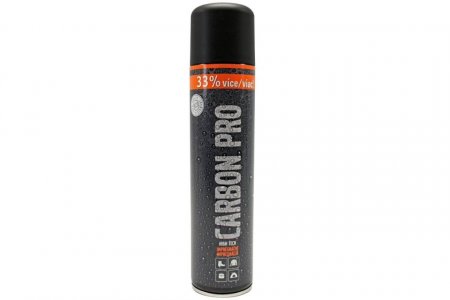
+ -Some models come with a membrane for wet ground and shallow crossings; others rely on a water-repellent upper that handles dew, light rain and damp grass. Check the specific model, reapply a water-repellent spray a few times a season, and let the shoes dry at room temperature after a wet hike.