 DE / USD

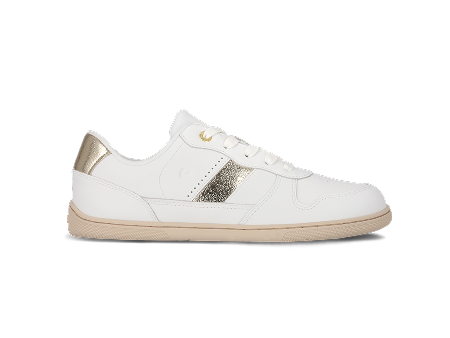
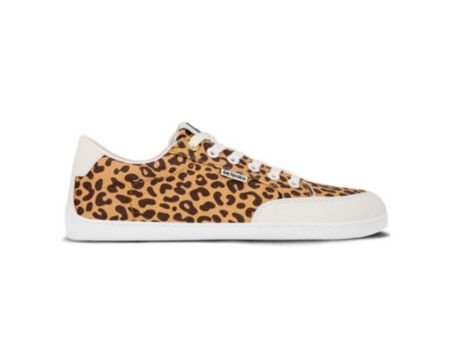
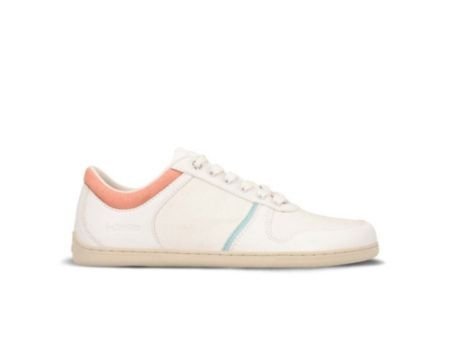
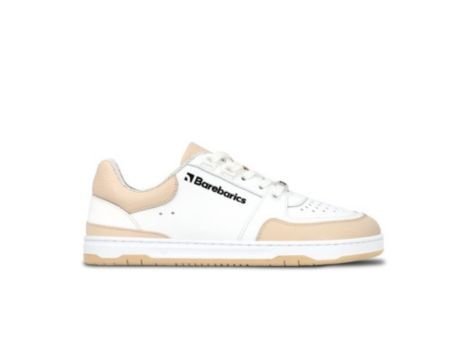
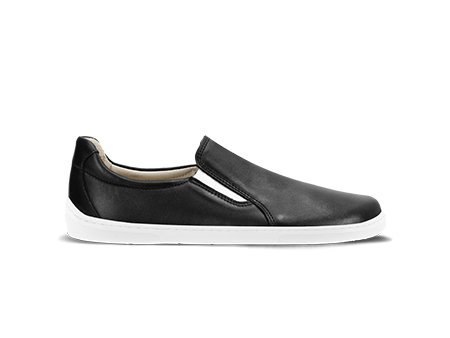
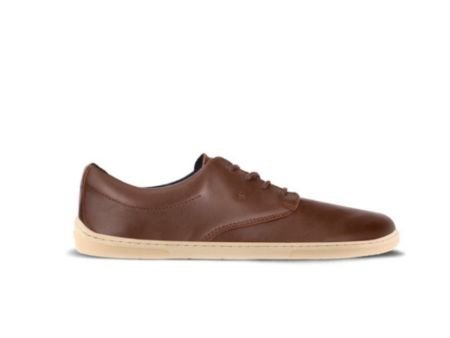
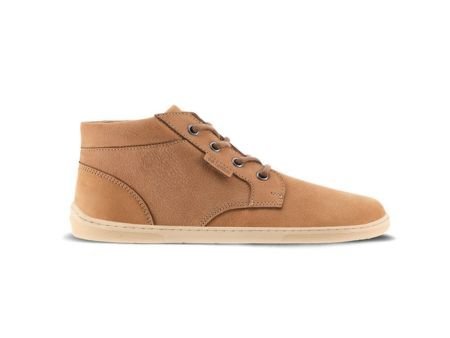
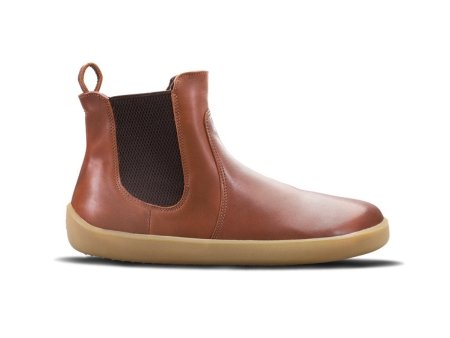
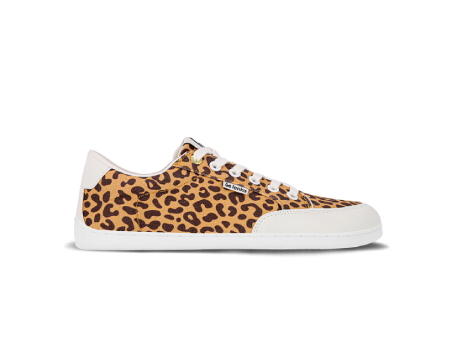
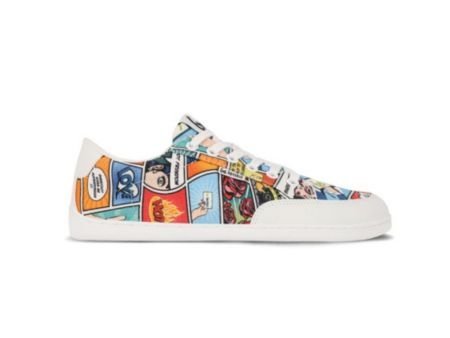
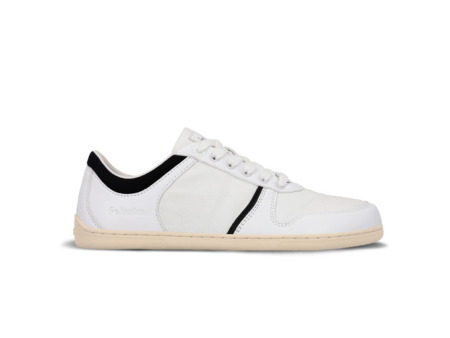
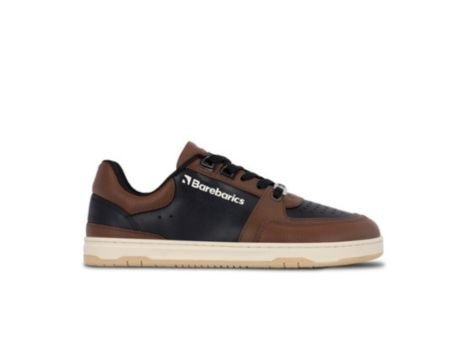
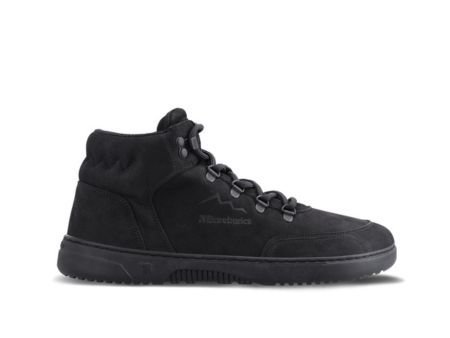
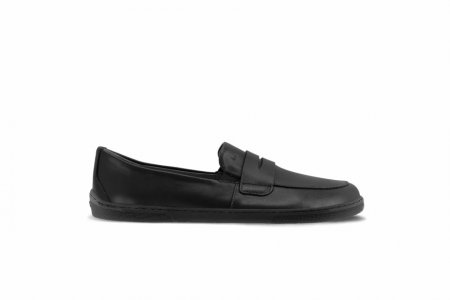
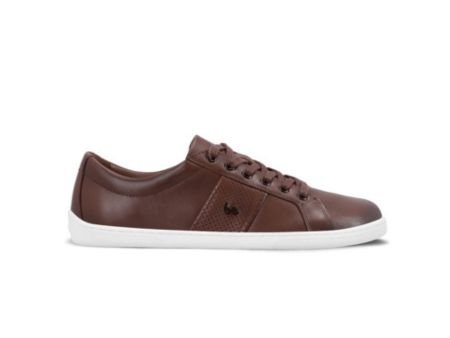
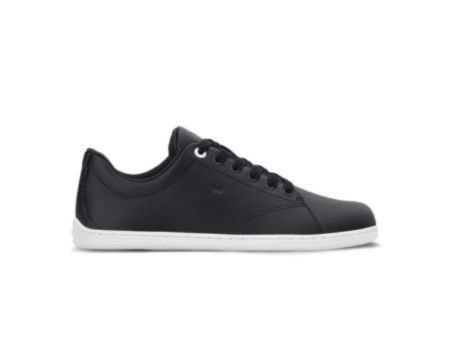
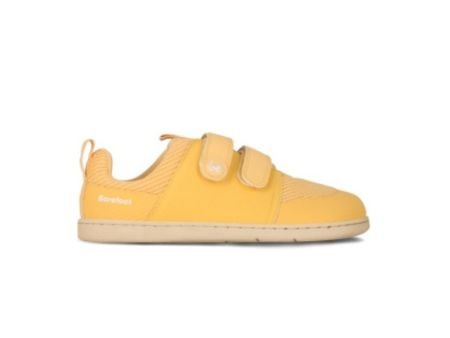
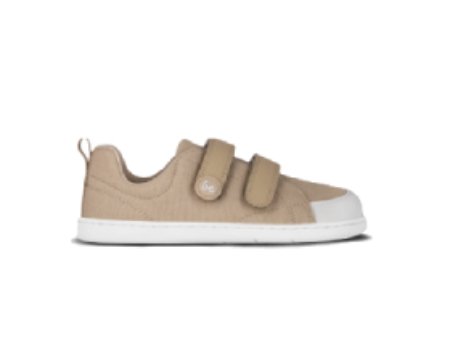


Men's Barefoot Training and Gym Shoes (24)
Velore



Trailair
Vaporo
Barefoot Sneakers
Trailtech
Velocity
Zing - Fresh
You have seen 24 of 24 products
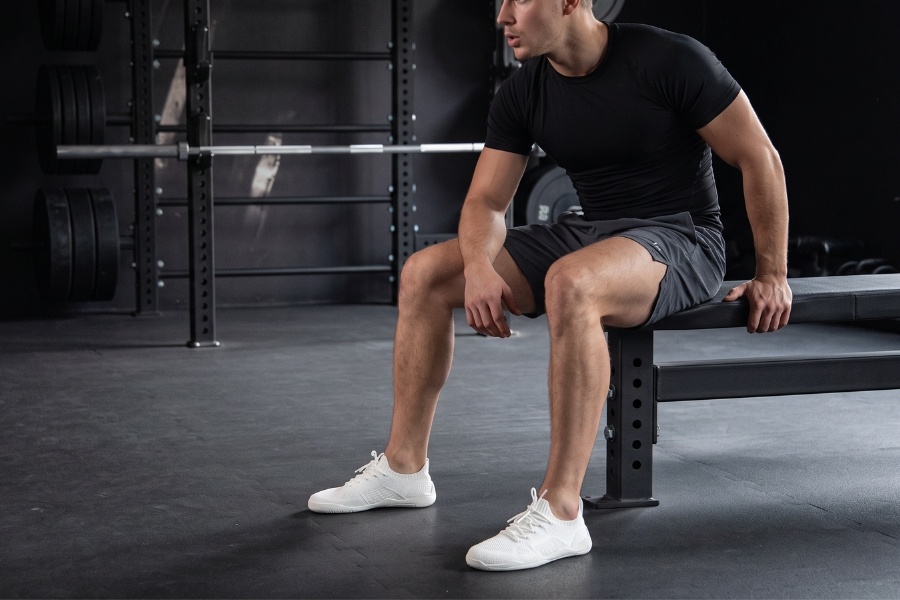
Lifting starts at the floor. A thin, flat sole keeps your base stable under load, and a wide toe box lets your foot splay and grip when you press or pull.
Why lifters train in minimalist shoes
A thick, compressible sole sits between you and the floor and absorbs force that should be going into the bar. A thin, firm, flat sole does the opposite: your foot feels exactly where your weight is, and you drive through the whole foot instead of through foam.
The wide toe box does more here than anywhere else. When your toes can splay and grip, your base of support gets wider — and a wider base is a steadier squat, deadlift and press. Zero drop keeps your ankles, knees and hips stacked the way they are when you stand barefoot, which is the position most lifting technique is taught from.
What they are good for
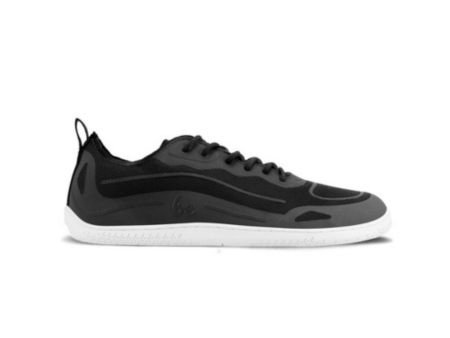
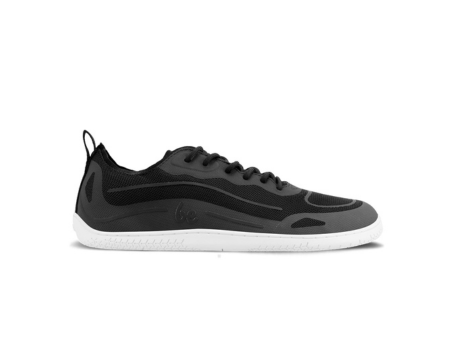
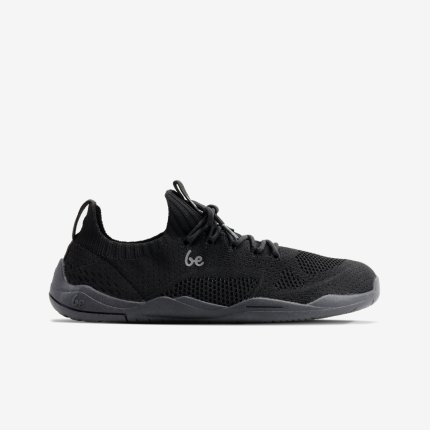
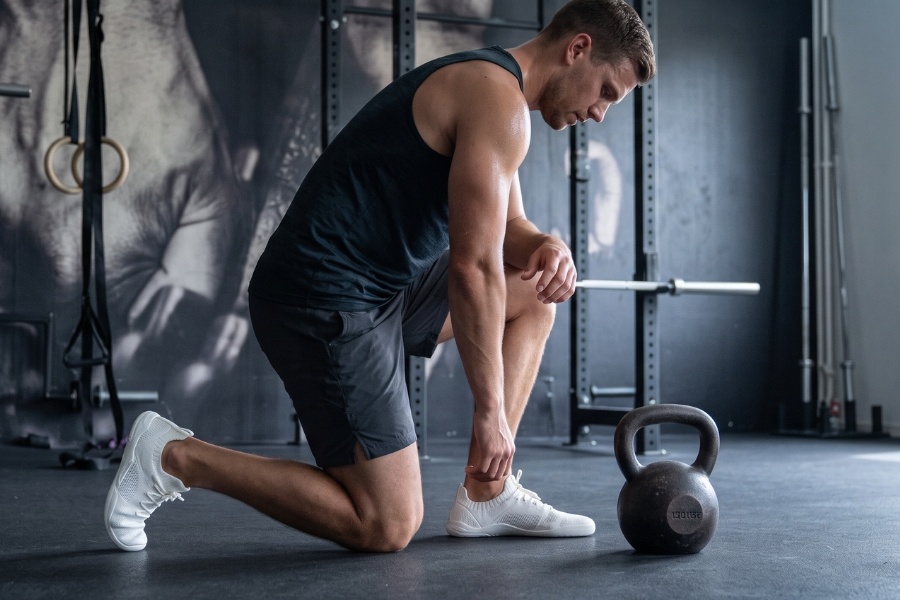
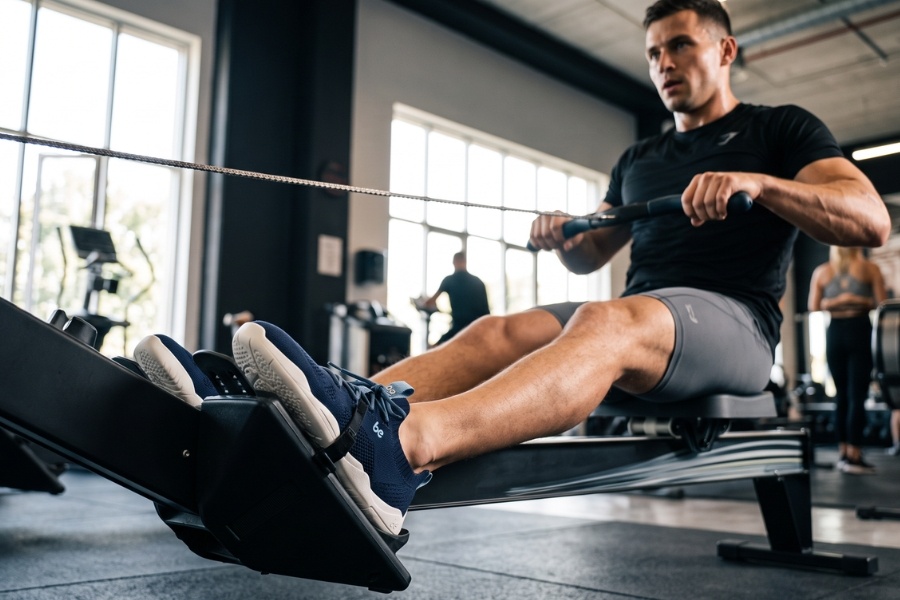
The gym first: lifting, functional training, machine and bodyweight work, carries, mobility and warm-ups. They also handle walking, easy jogging and busy days on your feet. Velocity is the light, breathable model most men train in, and lighter everyday sneakers such as Core and Echo cover general fitness use. What they are not is a cushioned running shoe. For long-distance road running, or sports with hard lateral cutting, use footwear built for that. On trails, hiking shoes give grip and protection without giving up ground feel.
Build up before you load up
If your feet have spent years in cushioned trainers, do not put a heavy squat session on them in week one. Start with warm-ups, mobility work and lighter sets, then increase as your feet and calves adapt. Barefoot-style training wakes up muscles in the foot, ankle and lower leg that have been doing less work, and they need time like any other muscle.
Some calf or arch soreness early on is normal. Sharp or persistent pain is a sign to scale back rather than push through.
What to look for
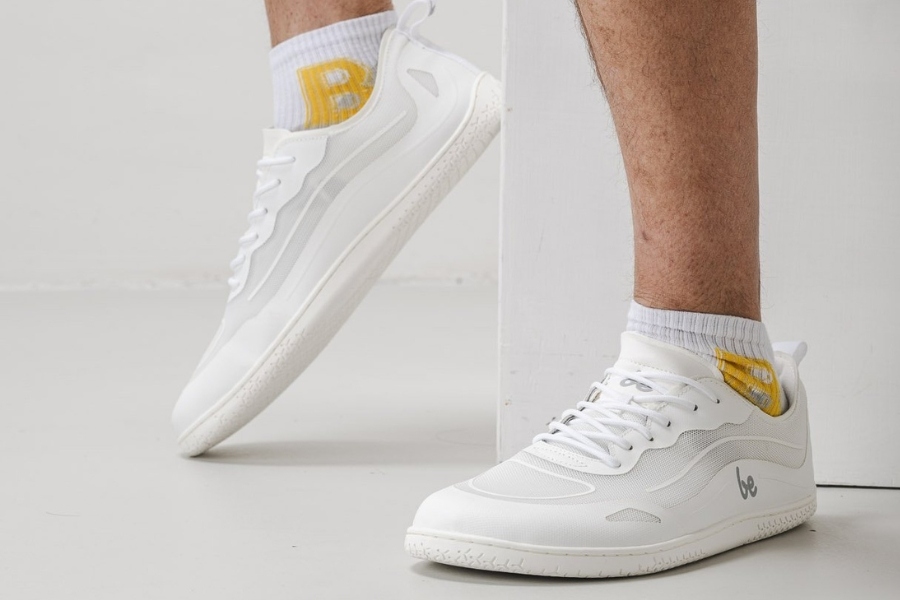
For lifting, a sole that does not compress under load matters more than flexibility. Look for a genuinely wide toe box so your toes can splay when you brace, and an upper that holds your foot in place without squeezing — a foot that slides inside the shoe is a foot that is not stable.
Are barefoot shoes good for lifting weights?
+ -They are one of the most common reasons men buy minimalist shoes. A thin, firm sole keeps you in contact with the floor rather than on top of compressible foam, so force transfers directly into the lift. A wide toe box lets your toes splay and grip, which widens your base and makes squats, deadlifts and presses feel steadier.
Can I run in barefoot training shoes?
+ -For short, easy runs and intervals, yes, especially if your feet are already used to minimalist footwear. For longer road running, build up very gradually — running loads the foot and calf far more than walking, and adaptation takes months rather than weeks.
Are they suitable for CrossFit?
+ -They suit most of it well: lifting, box work, carries, bodyweight movements and machine work all benefit from a stable, flat base and good ground feel. Repeated hard lateral movement and high-volume jumping on hard floors ask more of a shoe, and some men keep a second, more cushioned pair for those sessions.
How long does it take to adapt?
+ -Usually a few weeks for general training, longer if you are running or jumping a lot. Start with warm-ups, mobility and lighter sets and add load gradually. Mild soreness in the calves and arches means the muscles are working; sharp or lasting pain means back off.