 DE / USD

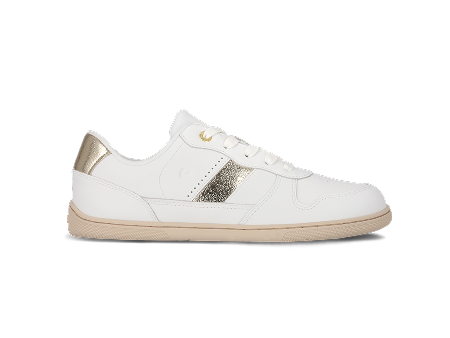
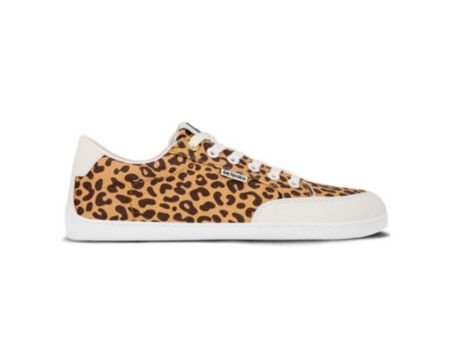
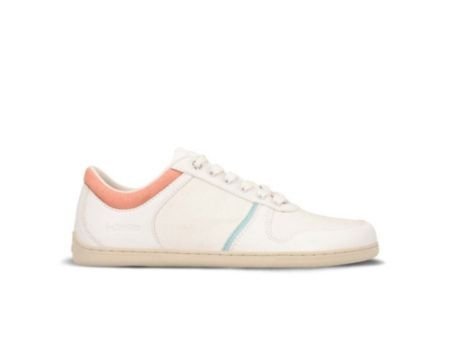
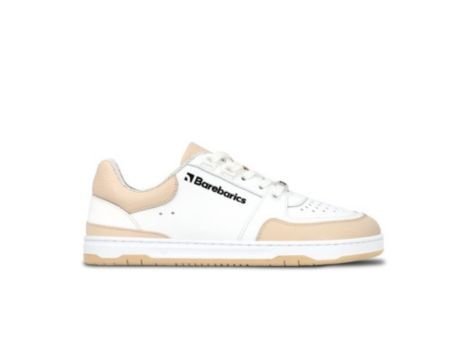
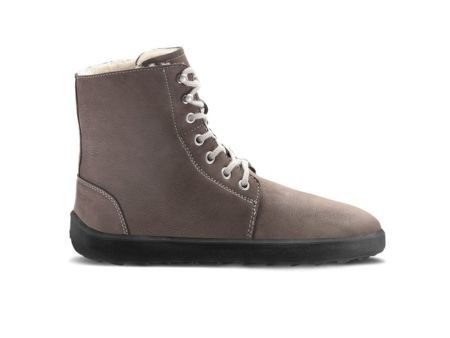
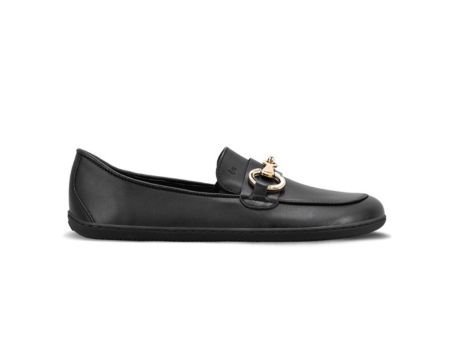
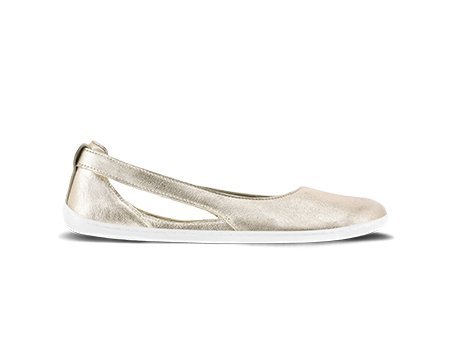
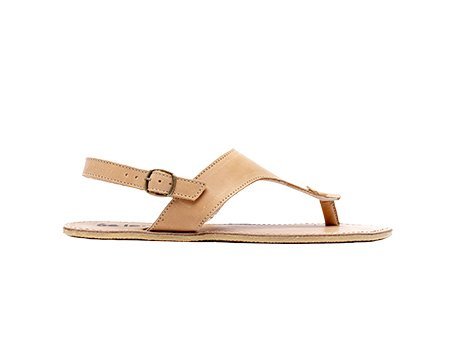
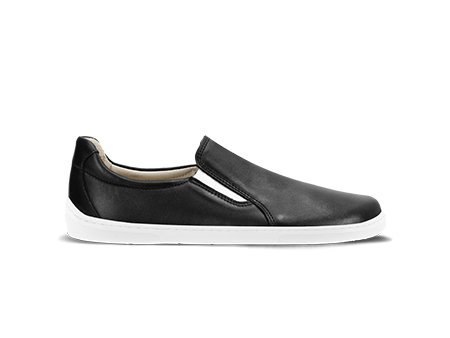
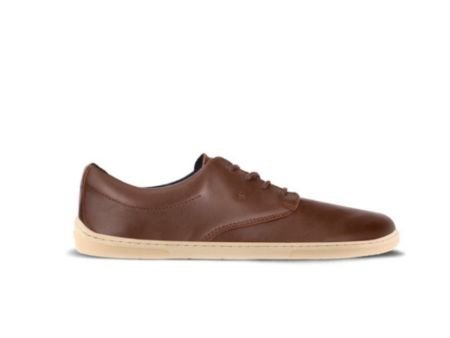
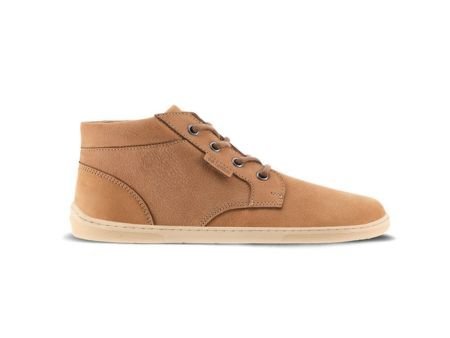
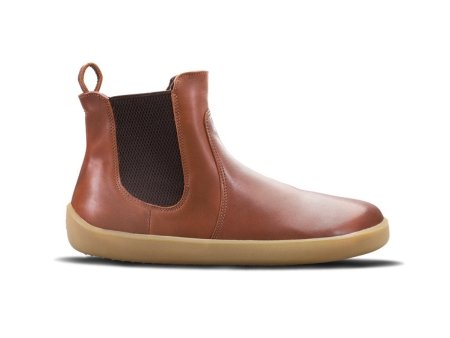
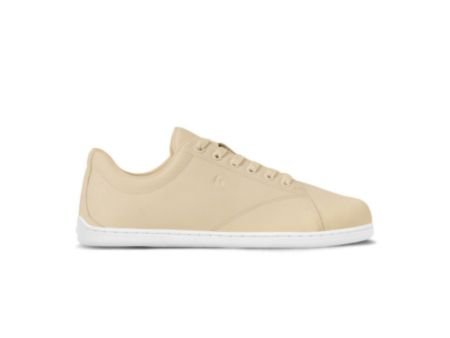
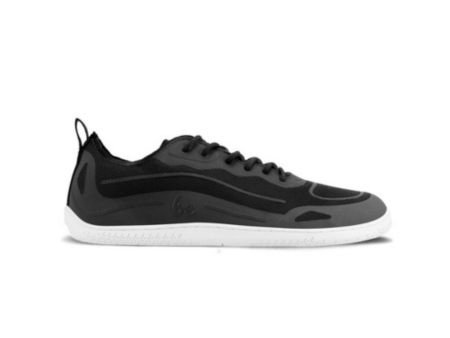
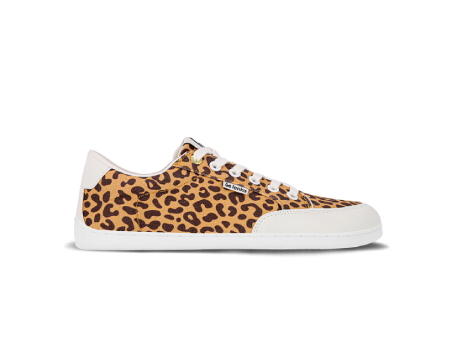
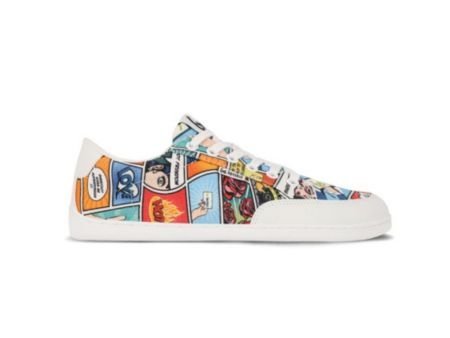
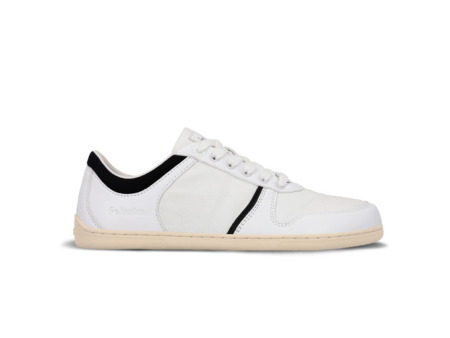
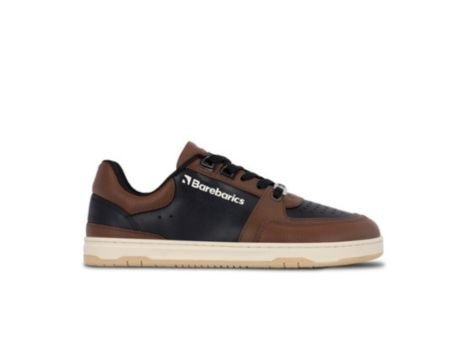
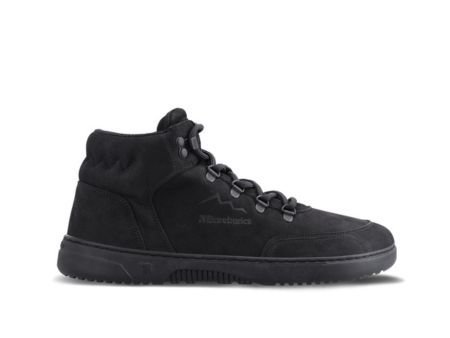
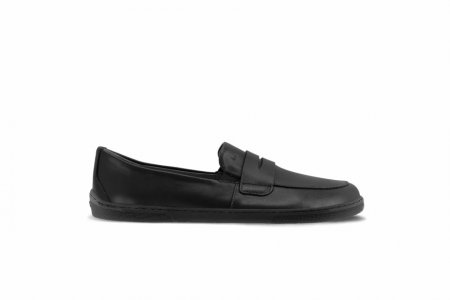
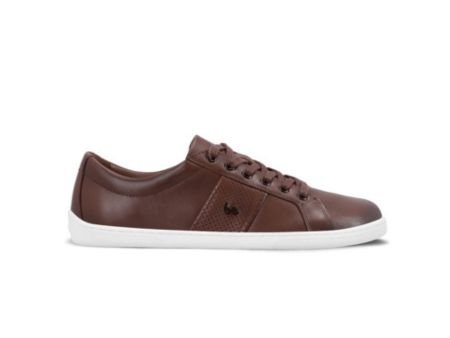
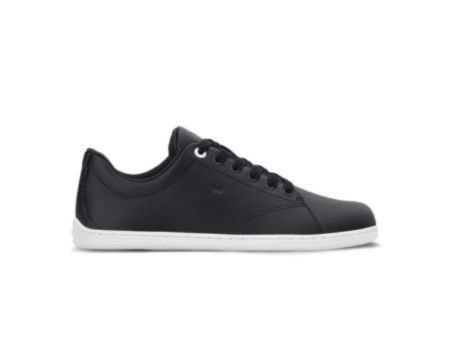
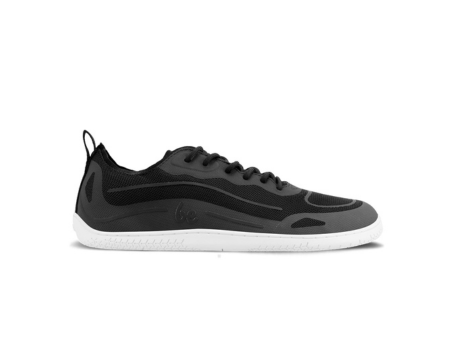
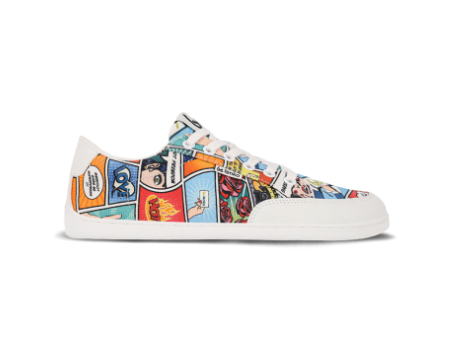
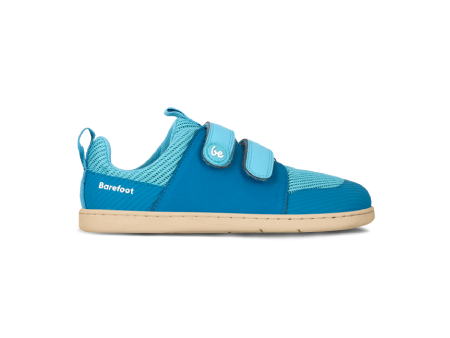
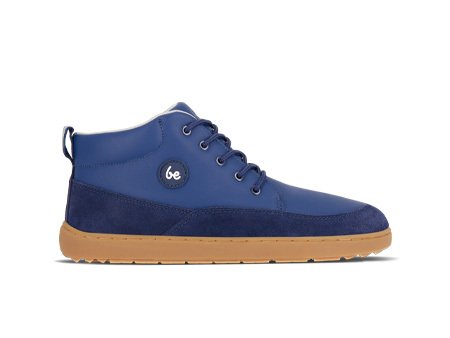
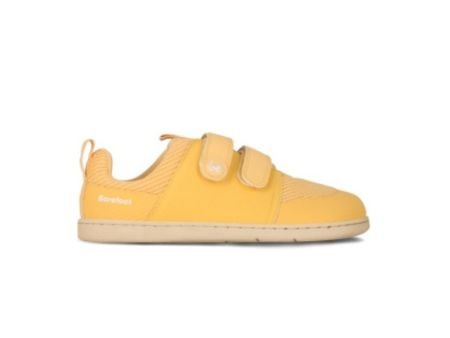
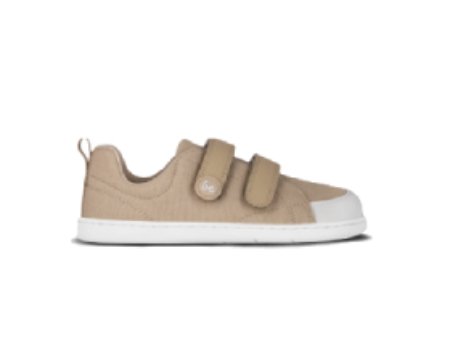
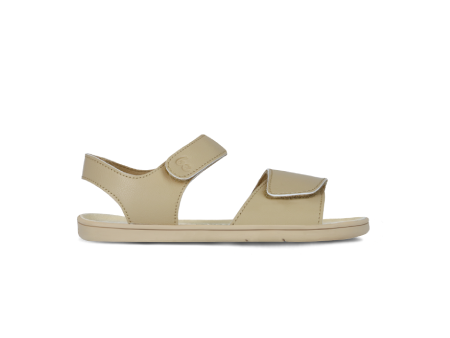
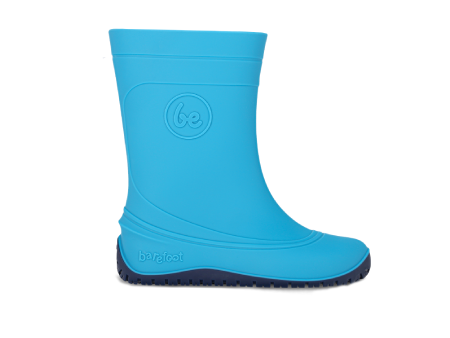
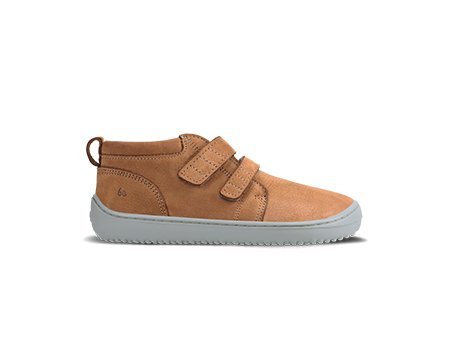
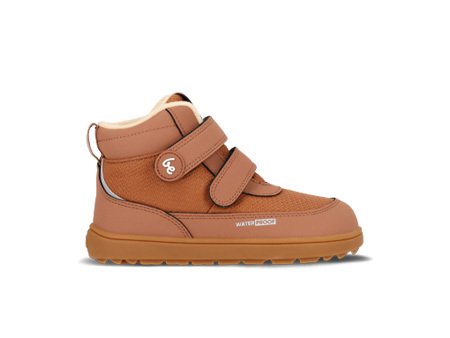
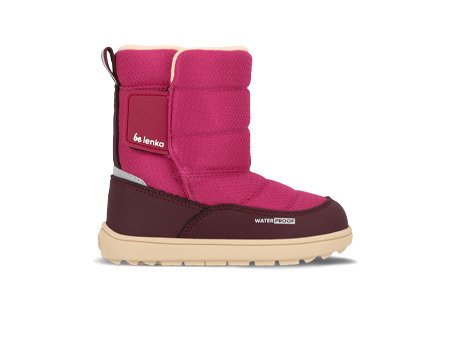


Men's Barefoot Recovery Shoes (3)
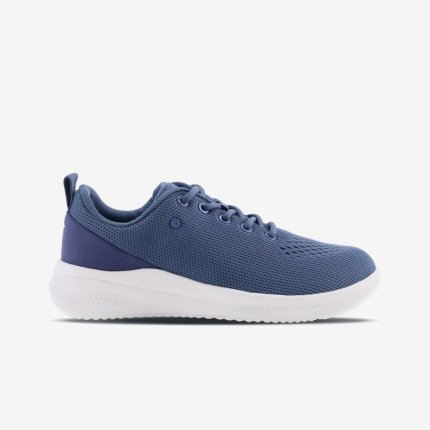
Aerra



You have seen 3 of 3 products
After a long shift, a long run or a long flight. Cushioned, light and wide in the toes, so your feet can spread out and take a break when the day is done.
The pair for when you stop
Recovery footwear exists for the hours after the work is finished. Feet are swollen and tired, and the last thing they want is a shoe that holds them in shape.
Be Lenka recovery shoes pair soft cushioning underfoot with the anatomical toe box you know from the rest of the range. Your toes spread, the material supports your foot instead of squeezing it, and the whole shoe weighs almost nothing. Aerra takes the same idea into a sneaker shape.
Deliberately cushioned
This is the one part of the collection that is soft underfoot on purpose. Everywhere else a thin sole is the point — here a springy midsole takes pressure off tired feet and joints for a few hours.
What stays the same is the shape. A wide toe box and a natural foot outline mean recovery shoes feel like a release rather than a different kind of constraint. Think of them alongside everyday shoes rather than instead of them.
When men reach for them
After the gym, after a shift on your feet, on travel days, around the house, or on the walk from the car to the front door when the day has already been long enough. They slip on without hands, pack light and work with shorts, joggers and jeans.
Are recovery shoes barefoot shoes?
+ -They keep the anatomical wide toe box and the natural foot shape, but they are deliberately cushioned, which the rest of the collection is not. That is the point: soft underfoot for tired feet, roomy at the front so nothing is compressed. They complement barefoot shoes rather than replacing them.
When should I wear them?
+ -After exercise, after a long shift on your feet, on travel days and around the house. They are made for hours when your feet are swollen and tired and you want something soft, light and easy to slip on. For walking longer distances, an everyday barefoot shoe is the better choice.
Can I train in recovery shoes?
+ -No — they are the opposite of a training shoe. A soft, compressible midsole is exactly what you do not want under a barbell. For the gym, see men’s training shoes, and save recovery shoes for the walk out afterwards.
How should they fit?
+ -Roomy and relaxed. Your toes should have plenty of space at the front and nothing should press across the top of your foot, since feet are usually swollen when you put these on. If you are between sizes, take the larger one.