 DE / USD

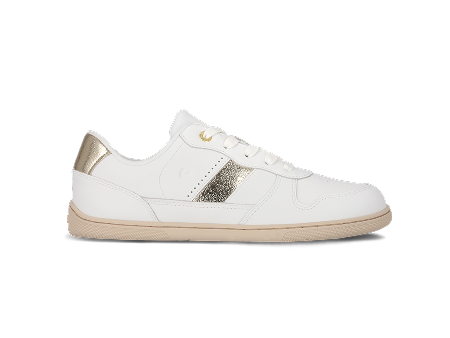
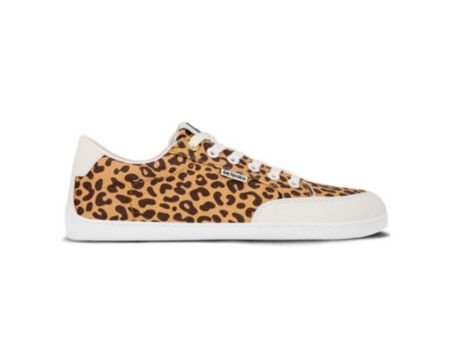
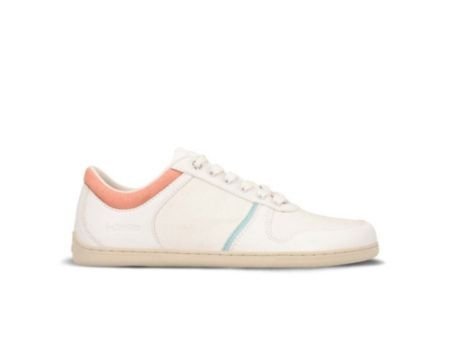
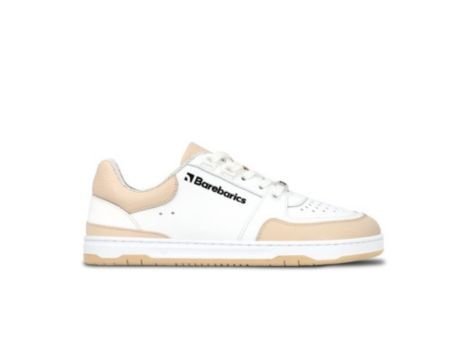
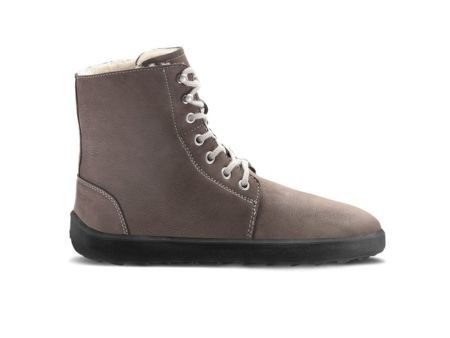
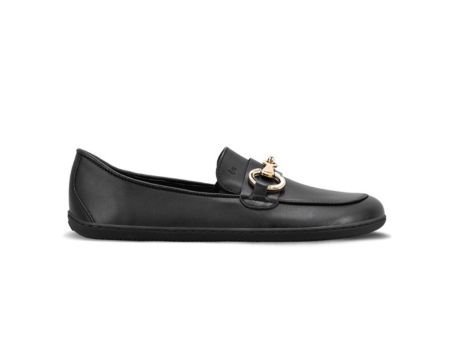
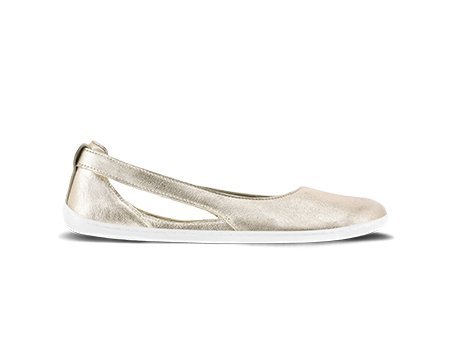
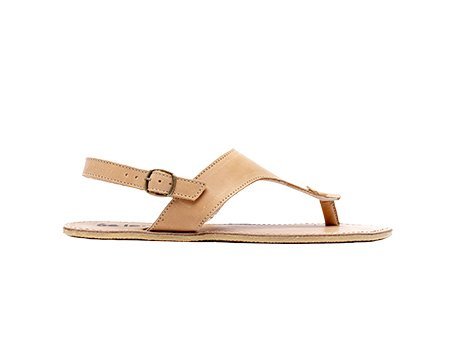
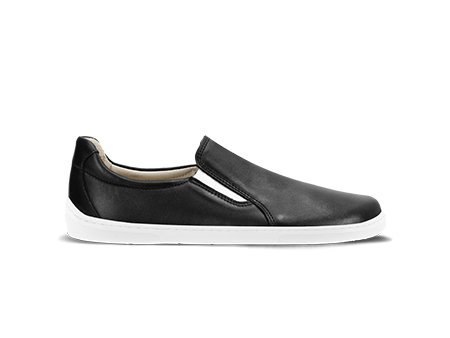
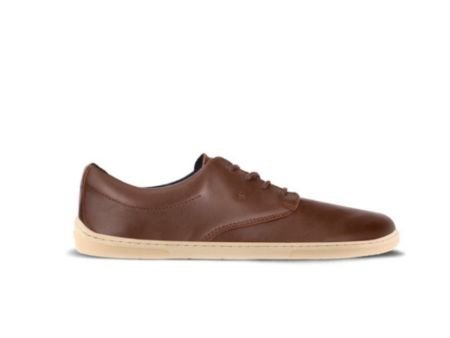
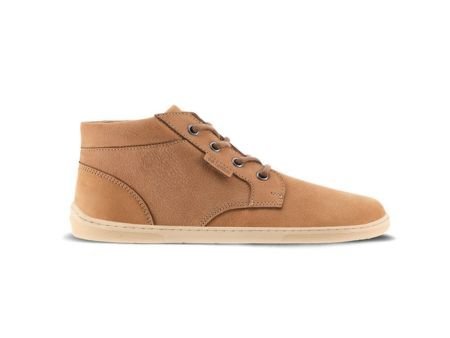
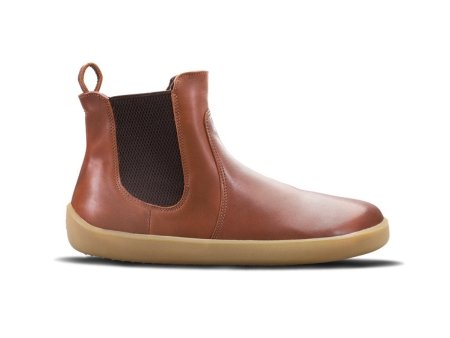
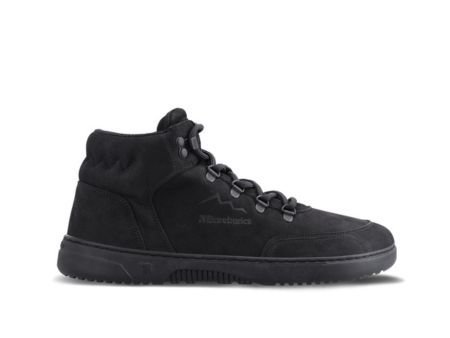
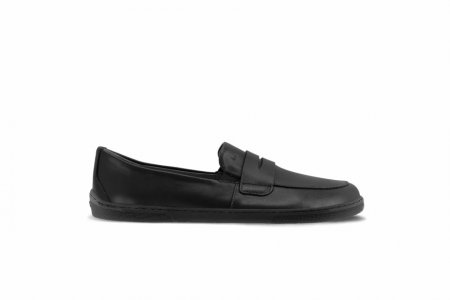
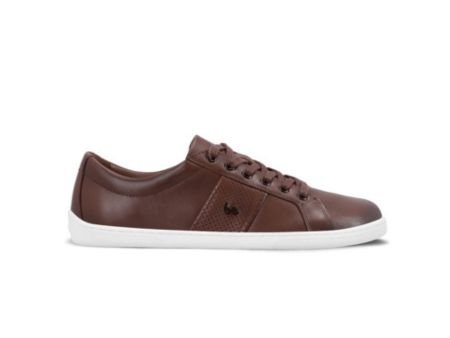
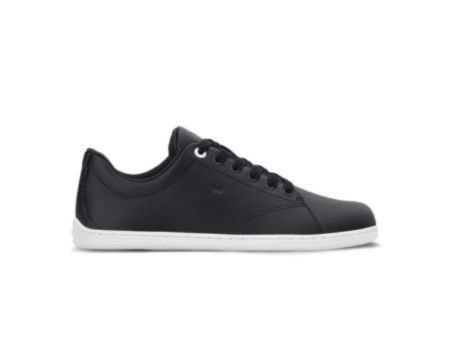


Women's Barefoot Work and Office Shoes (130)
Synergy


Barefoot Shoes
Viva

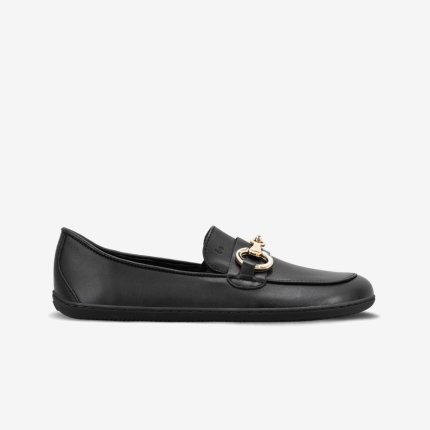
Revive
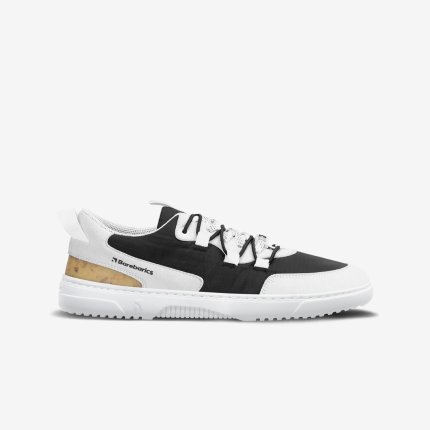
Barefoot Sneakers
Barefoot Sneakers
Bellissima
Zing - Vegan
Barefoot Sneakers
Barefoot Sneakers
Echo
Barefoot Sneakers
Core
Cellestia
Barefoot Sneakers
Bianca
Velore
Futura
Breeze
Icara
Rebound High Top
Barefoot Sneakers
Enigma
Zing - Fresh
Nine hours of standing, walking and sitting. These keep the polished look your workplace expects and drop the narrow toe box, with a flexible sole and a level heel.
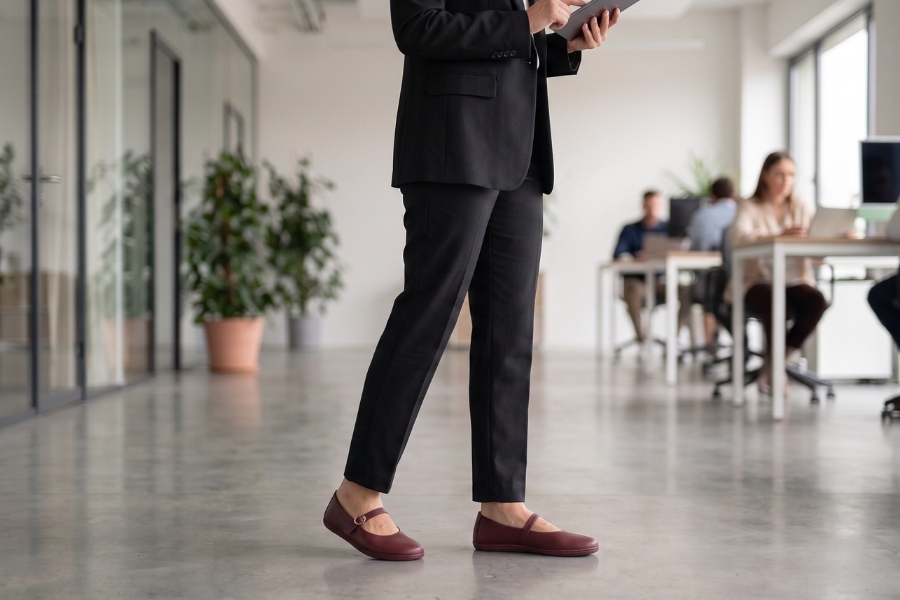
Work is the hardest test for footwear
You are in the same pair for eight hours or more, often standing on a hard floor, often in a shoe chosen for how it looks rather than how it fits. That combination is what makes feet ache by the afternoon — and women’s work shoes are usually the narrowest shoes in the closet.
Barefoot shoes change the part that matters. Room at the front means your toes are not compressed after hour six. A flexible sole lets your foot keep making small adjustments, which is exactly what standing still requires. And a level heel keeps your weight where your body expects it instead of pushing it onto the ball of your foot.
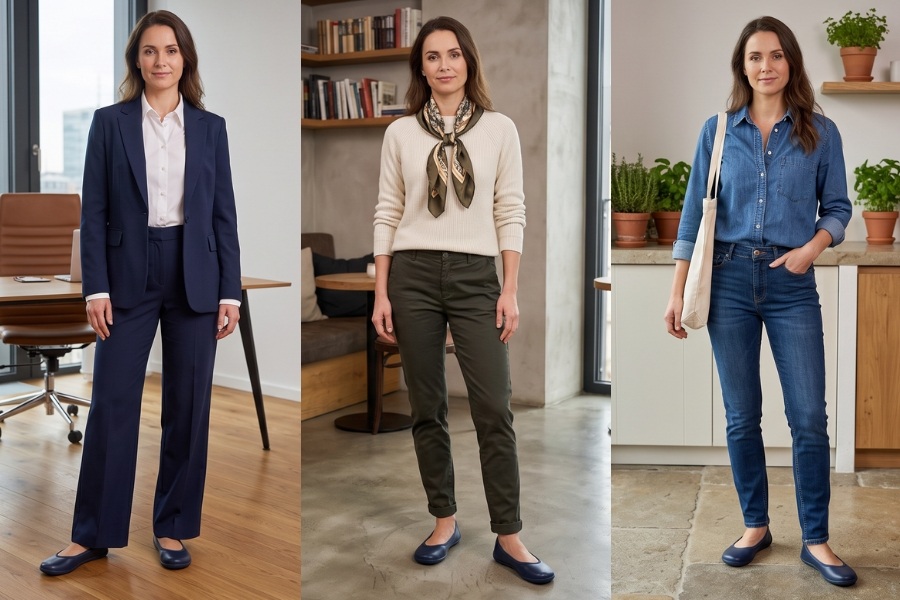
Choose by your dress code
For a formal office, dress shoes keep a polished leather look with a toe box shaped like a foot. Loafers are the slip-on alternative — Viva is the dressiest and Buena the most versatile — and ballet flats work with skirts, dresses and tailored pants.
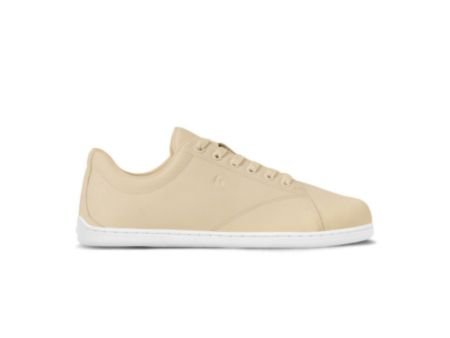
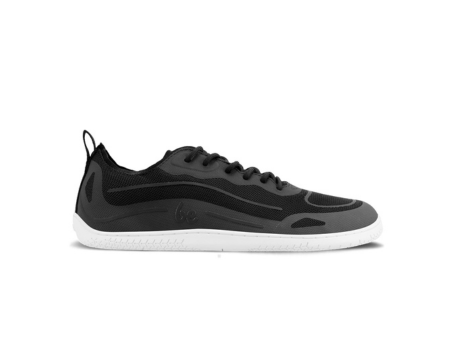
For smart casual, a clean minimalist sneaker does the job: Echo, Core and Cityscape read as tidy rather than sporty and still carry you through a commute on foot. Where the dress code is relaxed, everyday shoes open up the whole range.
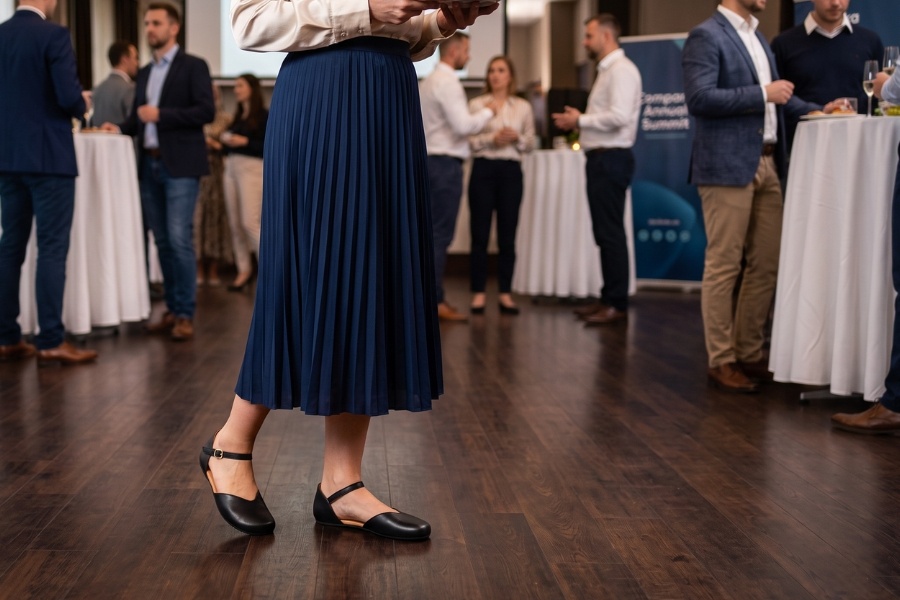
If you are on your feet all shift
Static standing tires feet differently than walking does. It is where a cramped toe box makes itself known first, and where a rigid sole stops your foot from shifting its load naturally.
Two things help. Rotate between two pairs across the week, which gives each pair time to dry and changes the pressure points slightly. And on concrete floors, a thin insole adds a little comfort without taking away the fit.
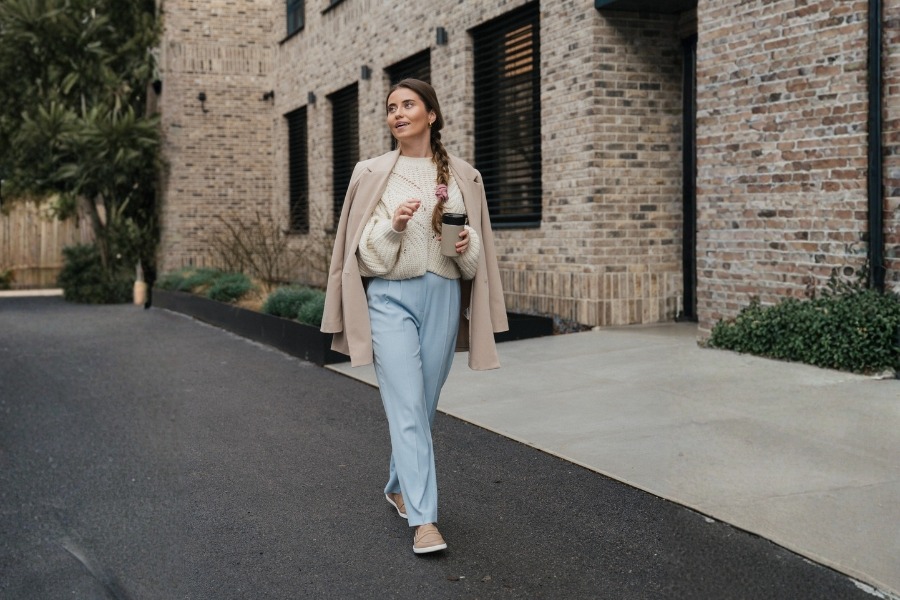
Give yourself a transition period
Do not make a twelve-hour shift your first day in barefoot shoes. If you are coming from cushioned or heeled work shoes, alternate pairs for the first few weeks and let your calves lengthen. Mild soreness at the beginning is normal; sharp or lasting pain means slow down.
Are barefoot shoes formal enough for an office?
+ -Yes, depending on the model. Dress shoes, loafers and ballet flats in black, brown or neutral tones read as formal — the silhouette, the leather and the finishing are all conventional. What changes is the last and the sole: wider at the toes, flexible underfoot, level from heel to toe.
Are they good for standing all day?
+ -Many women find them better than cushioned shoes for exactly this. A flexible sole lets the foot keep making small adjustments instead of staying locked in one position, and room at the front matters most when you are standing still. The adjustment period is real, so build up over a few weeks rather than starting with a full shift.
Can I switch if I usually wear heels at work?
+ -Yes, with a transition. Calves and the Achilles tendon adapt to a raised heel over years, so going flat feels different at first. Alternate between your usual shoes and a flat pair for the first few weeks, start with shorter days and let your calves lengthen gradually.
Are these certified safety shoes?
+ -No. Be Lenka shoes are everyday and office footwear, not certified safety shoes. If your workplace requires a protective toe cap or slip resistance to a specific standard, check the requirements before ordering. For offices, classrooms, stores and healthcare settings without those requirements, the range covers most dress codes.