 DE / USD

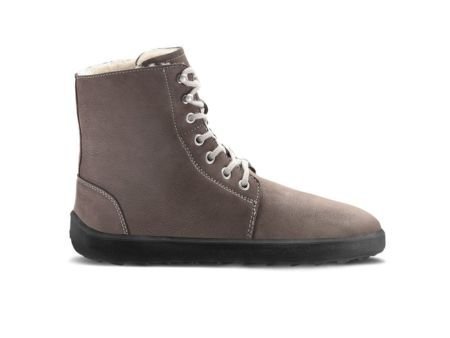
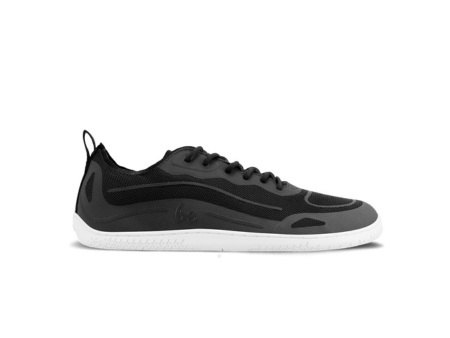
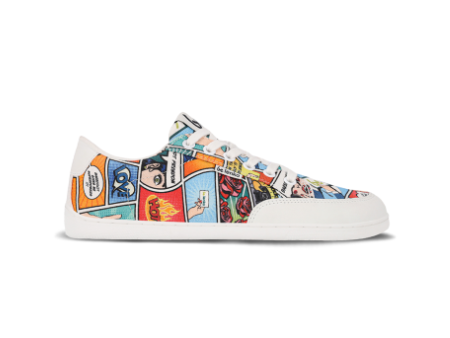
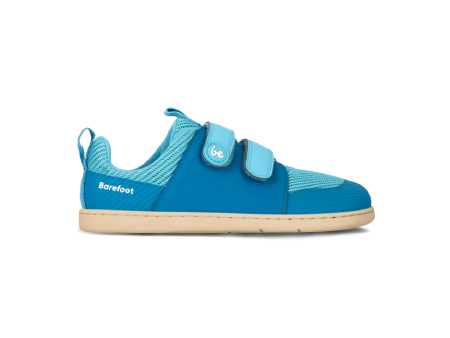
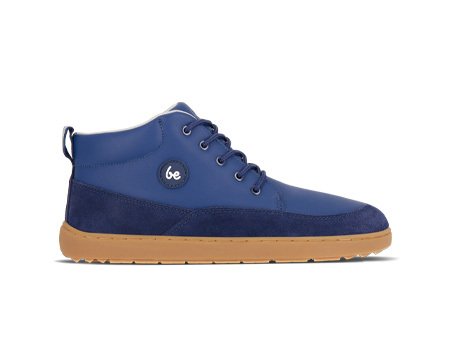
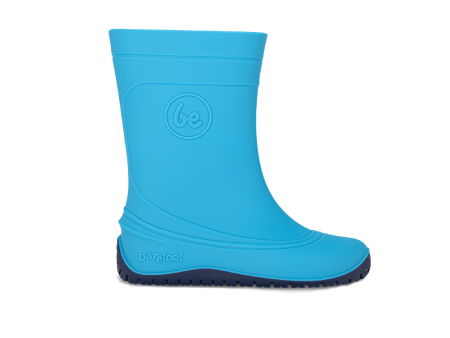
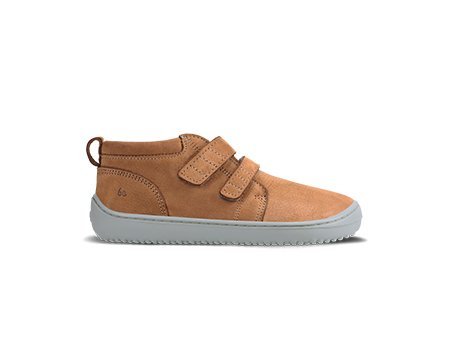
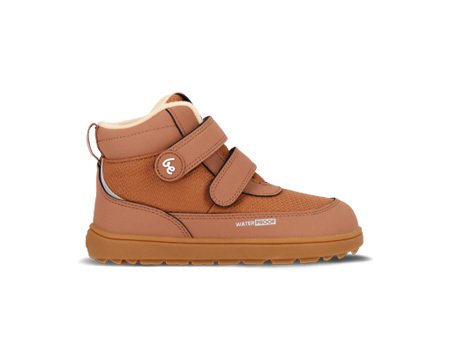
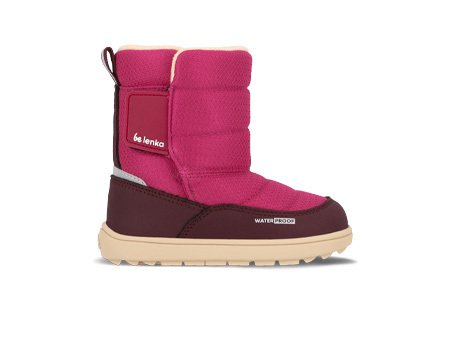


Barefoot Snow Boots (11)
PolarStride



Ailo Kids
Ailo Junior
Ailo Preschool
You have seen 11 of 11 products
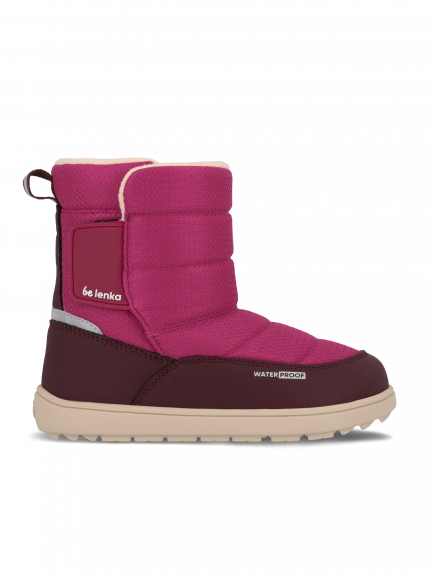
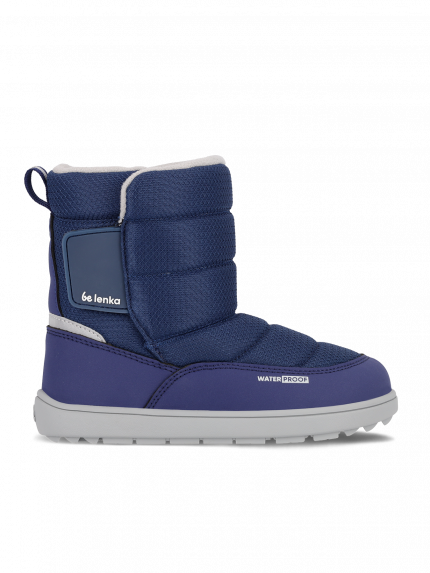
Deep snow, slush and hard frost. Barefoot snow boots keep your feet warm and dry with a fleece lining, a water-repellent upper and a higher cut, while your toes still have room to move. You will find them in modern designs that pair easily with casual and dressier winter outfits — so you do not have to choose between warmth, comfort and style.
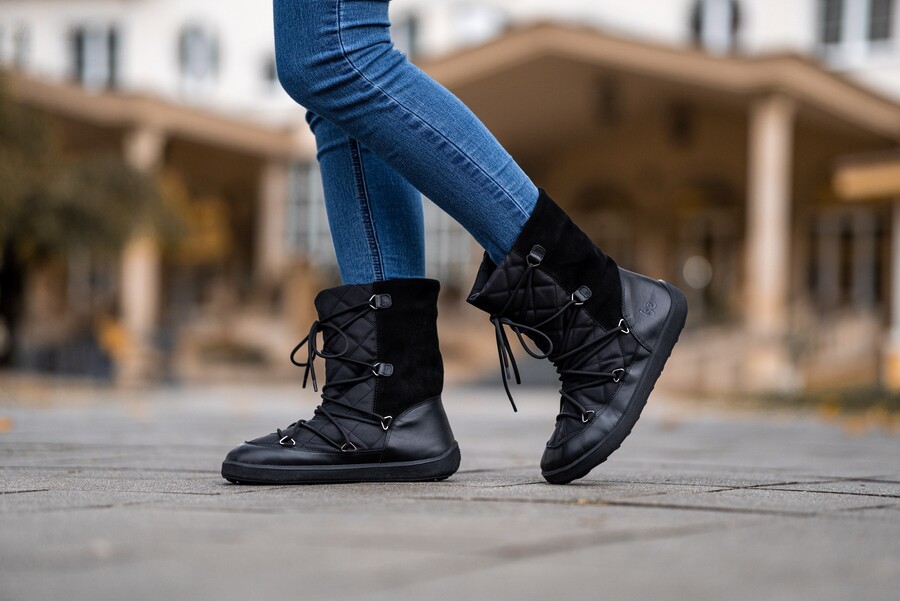
What makes barefoot snow boots different from regular ones?
Conventional snow boots are warm and hold up to snow, but they are often heavy, stiff and hard to move in. Children find it harder to run, jump and play in them, and adults can feel tired after a fairly short walk.
Be Lenka barefoot snow boots keep the warmth and the protection and add a lighter build, a flexible sole and an anatomically shaped wide toe box. The foot has more room and can move naturally even in a winter boot. Walking feels easier, movement stays free, and both adults and children notice the difference over a day outside.

What snow boots do for you in winter
Ordinary winter boots protect you from the cold and take away your freedom of movement. Barefoot snow boots put the two together. Your toes have space, your foot works as it should, and you still feel comfortable after a full day outdoors.
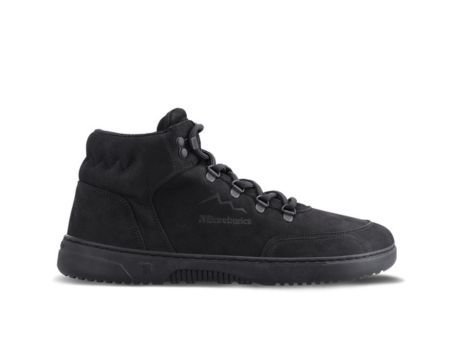
Insulated barefoot boots are designed to feel genuinely warm without the bulk. Be Lenka develops each model to be practical, well made and good-looking at the same time, which is why they work with a city outfit and on a quiet winter walk alike. Snowfox is the model most people start with, and Barebarics PolarStride brings the same idea in a bolder urban shape. For the youngest, Snowfox Kids and Ailo cover the whole size range.
Are barefoot snow boots waterproof, and what snow can they handle?
They are built for contact with snow, wet snow and puddles. The upper uses a water-repellent textile and is backed by a waterproof membrane, while the higher cut helps keep snow out around the ankle.
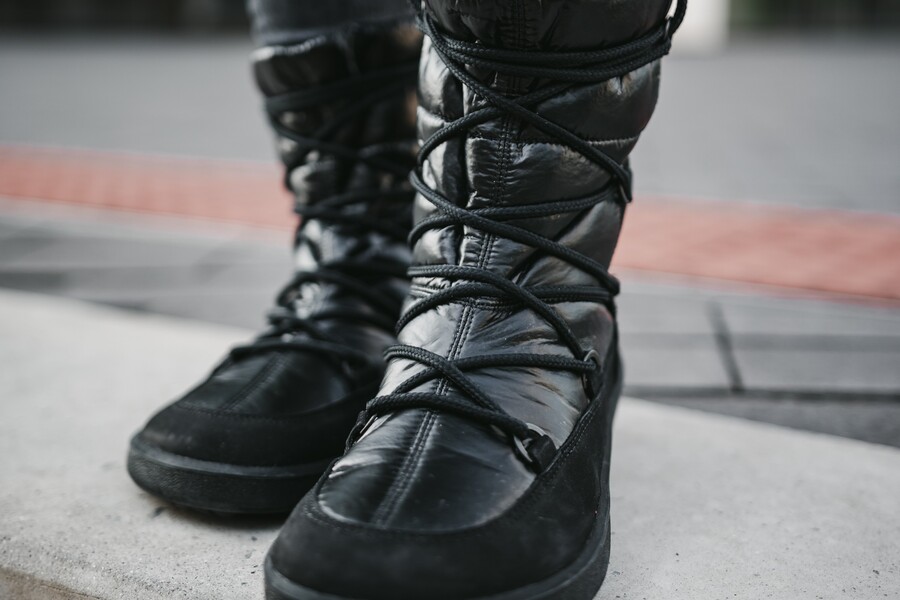
How cold can they handle?
Our snow boots with a warm fleece lining are suitable for low winter temperatures and stay comfortable down to around -4 °F (-20 °C).
Real thermal comfort depends on more than the boot, though. How much you are moving, how long you are outside and which socks you wear all matter. Wool or merino socks hold warmth far better than ordinary thin ones.
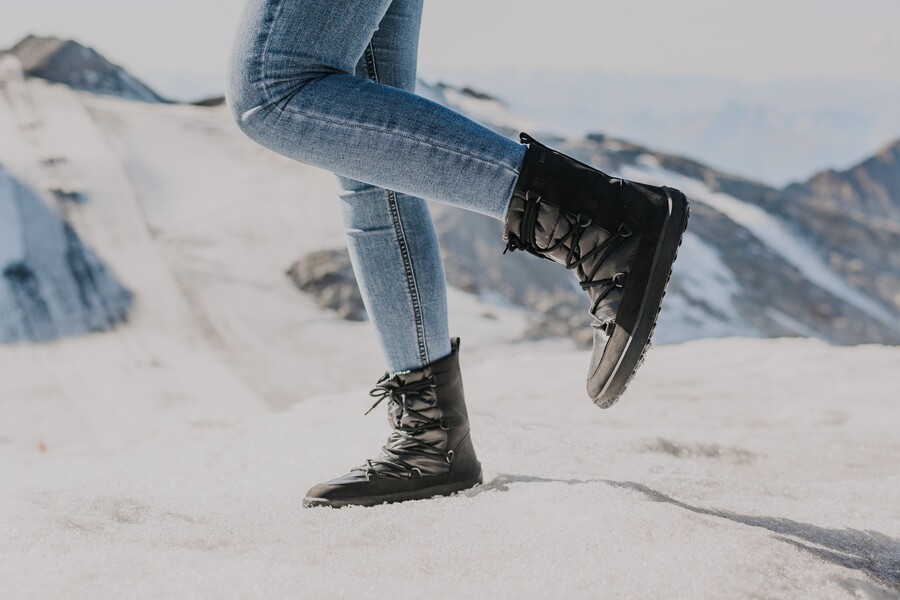
How to care for barefoot snow boots
To keep winter boots looking and working the way they should, give them regular attention — mainly gentle cleaning and repeated waterproofing. After wearing, brush off snow, mud and road salt. Let the boots dry naturally at room temperature, away from a radiator or any direct heat source.
For cleaning, a foam suitable for textile and synthetic materials works well and handles dirt that has settled in; a crepe brush is useful for dry cleaning of textile panels. Before the first wear and a few times through the season, reapply a water-repellent spray suitable for membrane materials. Everything you need is in our shoe care section.
For milder winter days in town, see winter barefoot shoes and barefoot boots. Browse by fit in women’s snow boots and kids’ snow boots.
Are barefoot snow boots waterproof?
+ -Yes. Barefoot snow boots have a water-repellent finish and a membrane that protects against snow, puddles and slush. For longer time in deep or wet snow, reapply a water-repellent spray regularly — two or three times a season is a good rhythm. After every wear, let them dry naturally at room temperature.
How cold can barefoot snow boots handle?
+ -Selected models are suitable down to around -4 °F (-20 °C), and some handle lower temperatures. Thermal comfort depends on your activity level, how long you stay outside and the socks you choose. For the coldest days, wool or merino socks make the biggest difference.
What is the difference between snow boots and winter barefoot shoes?
+ -Snow boots usually have a higher cut and a warmer lining, so they protect better in deep snow and hard frost. Winter barefoot shoes are more versatile — good for the city, everyday wear and milder cold.
What should I look for when choosing winter barefoot footwear?
+ -Look past the design at the construction. Good winter barefoot footwear should have a warm lining, durable detailing and a build meant for cold days. The sole matters too: flexible enough for natural movement, grippy enough for a sure step. Be Lenka develops its own sole compounds and tests every model over thousands of steps before release, which is what lets a snow boot combine natural movement, comfort and premium finishing without feeling like a compromise.