 DE / USD

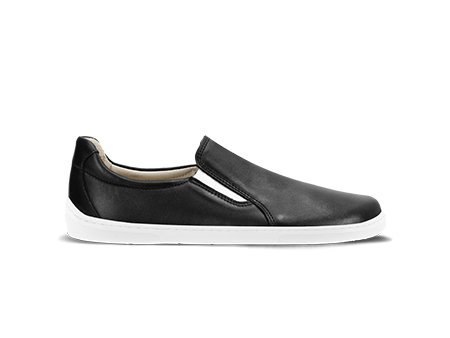
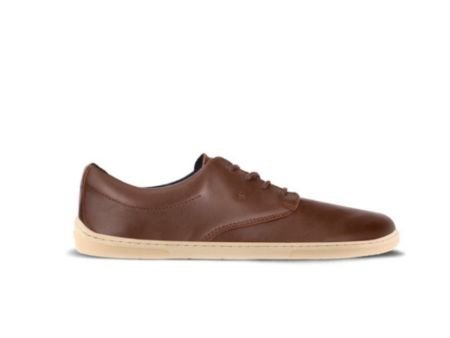
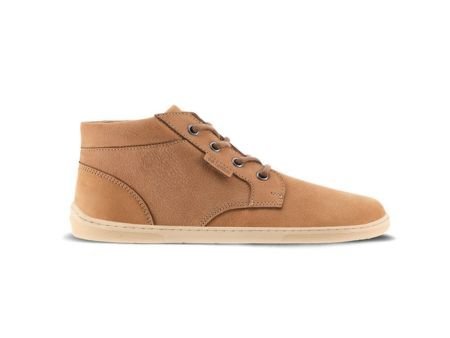
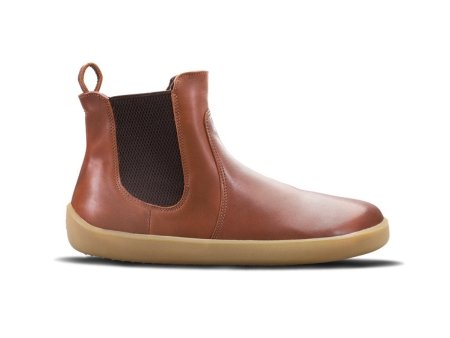
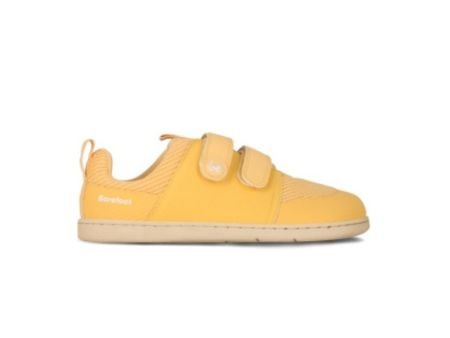
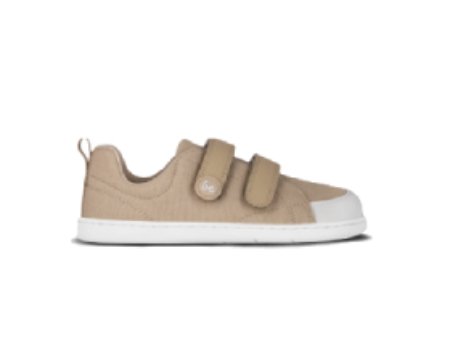
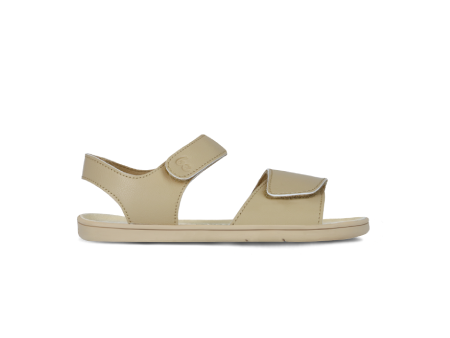


Barefoot Shoes (287)

Dropsta



Trailtech
Futura
Breeze
Legend
Icara
Rebound High Top
Barefoot Sneakers
Velocity
Enigma
Zing - Fresh
Evo
ArcticEdge
Zing Frost
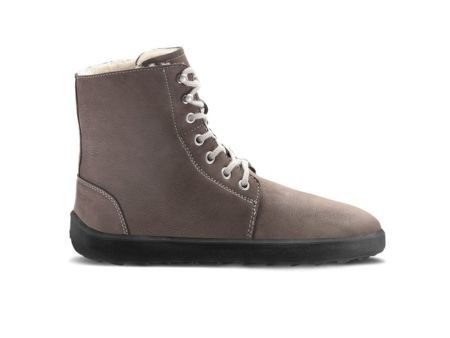
Winter
Winter Barefoot Boots
Winter Barefoot Boots
Your feet already know how to walk. Most shoes get in the way. Barefoot shoes step back and let your feet do what they were built for: spread, flex, and feel the ground under them.
What are barefoot shoes and how do they work?
Conventional shoes shape the foot. They narrow it at the front, cushion it from below and lift the heel above the toes. Barefoot shoes do the opposite — they adapt to the foot. A wide toe box lets your toes spread into their natural position. A thin, flexible sole follows the ground instead of flattening it. And zero drop means your heel and your toes sit at the same height, exactly as they do when you stand barefoot on the floor.
You will also see them called minimalist shoes or zero drop shoes. Different names, same idea: less shoe, more foot. Your muscles get to do their share of the work, your step feels lighter, and you do not have to think about any of it.
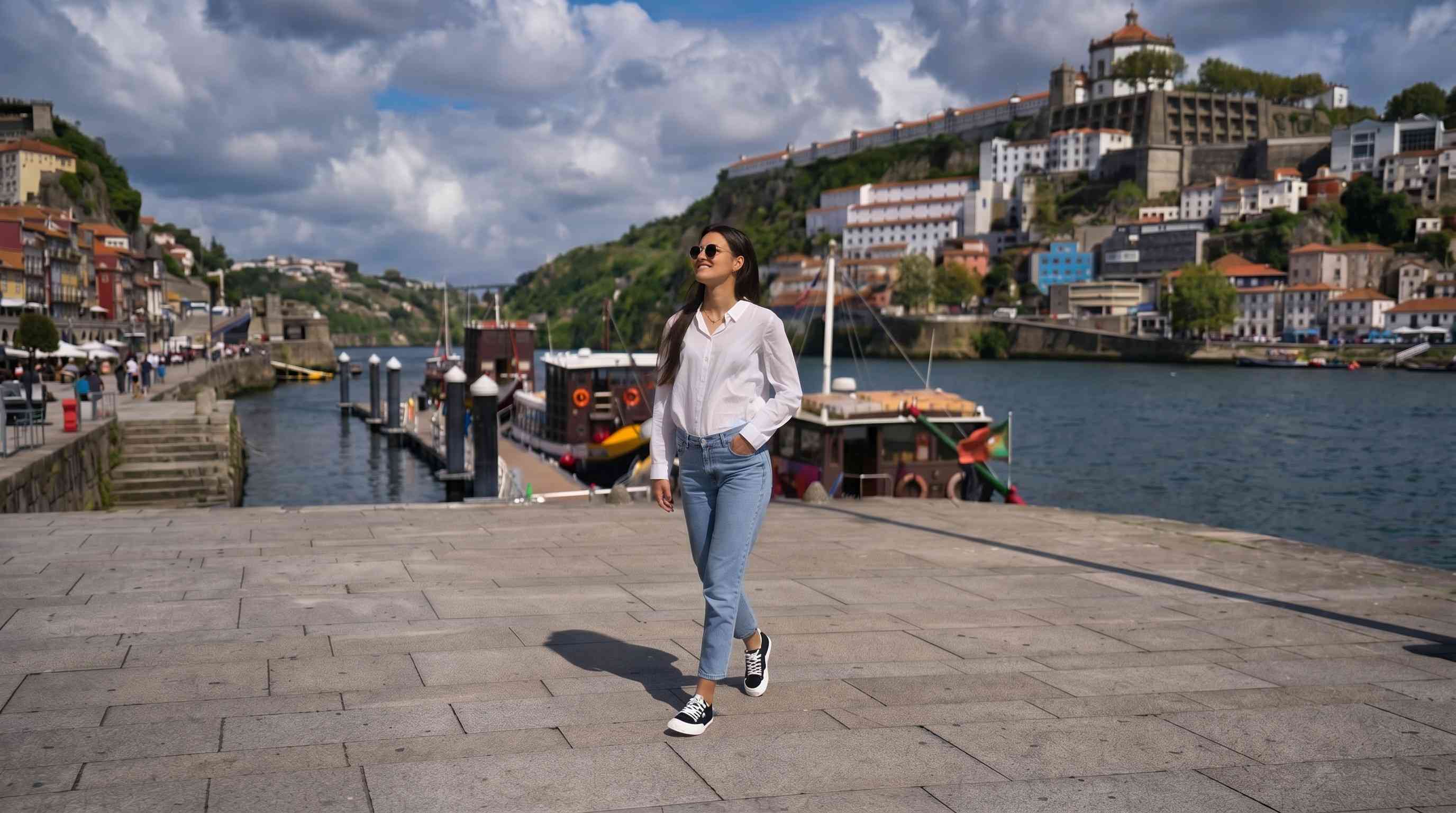
A pair for every season
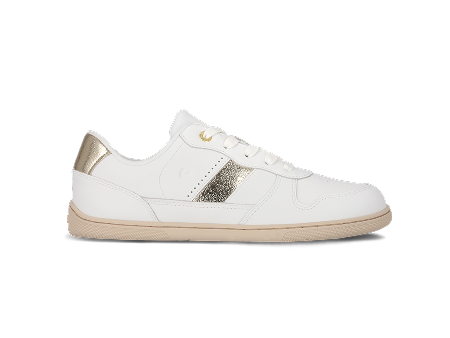
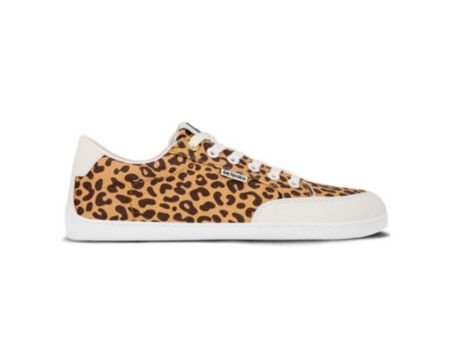
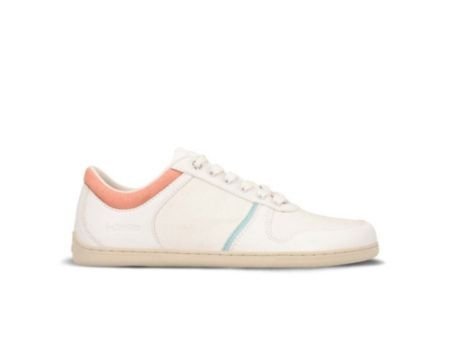
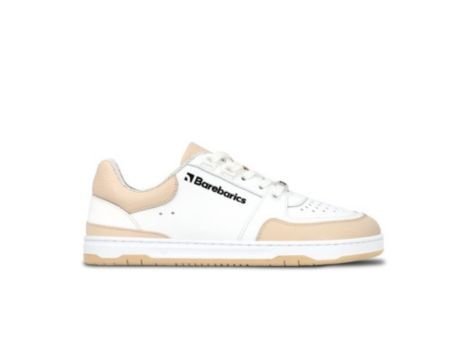
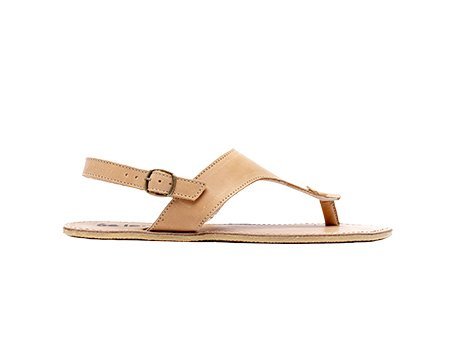
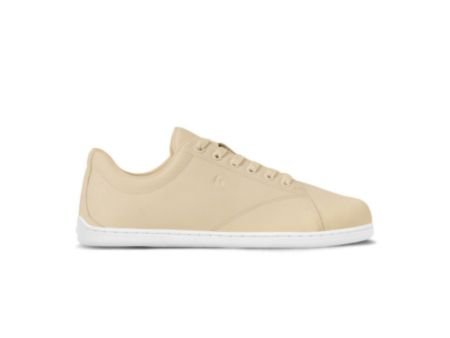
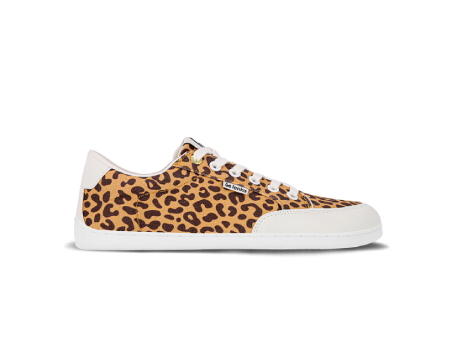
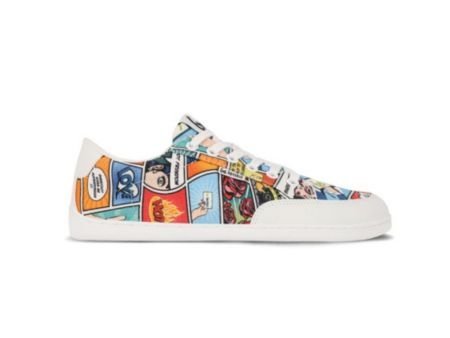
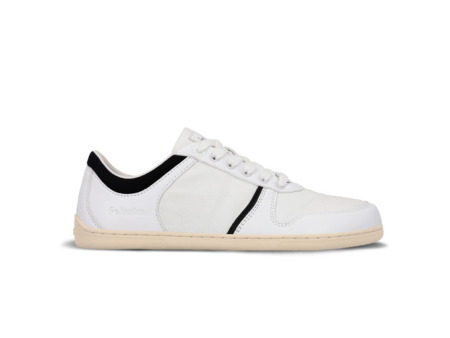
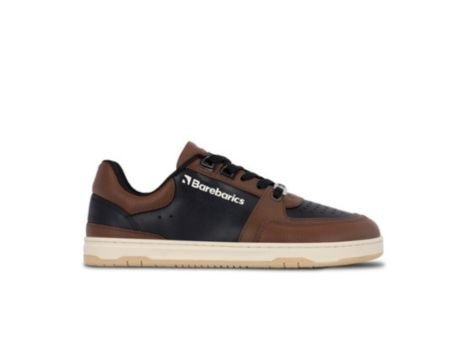
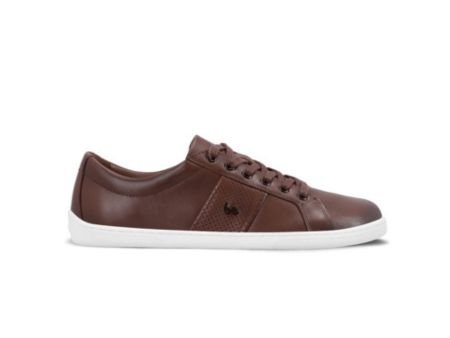
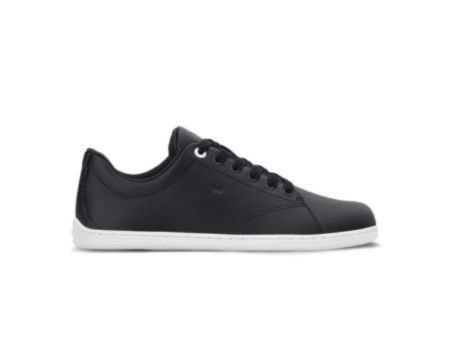
Good shoes are the ones you stop noticing by mid-morning. Coffee run, desk, errands, evening walk — still no complaints from your feet. For days like that, our barefoot sneakers are the easy everyday answer: light, city-ready and roomy where your toes are. When the weather warms up, swap them for barefoot sandals that let your feet breathe instead of squeezing them.
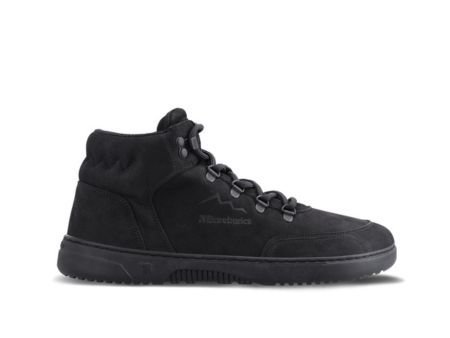
Cooler months ask for a little more coverage, not less freedom. Fall barefoot shoes handle rain and wind, while winter barefoot shoes keep your feet warm on frozen sidewalks. Heading off pavement? Barefoot hiking shoes bring grip and protection to the trail. And for the office, barefoot shoes for work look the part through meetings and long days on your feet.
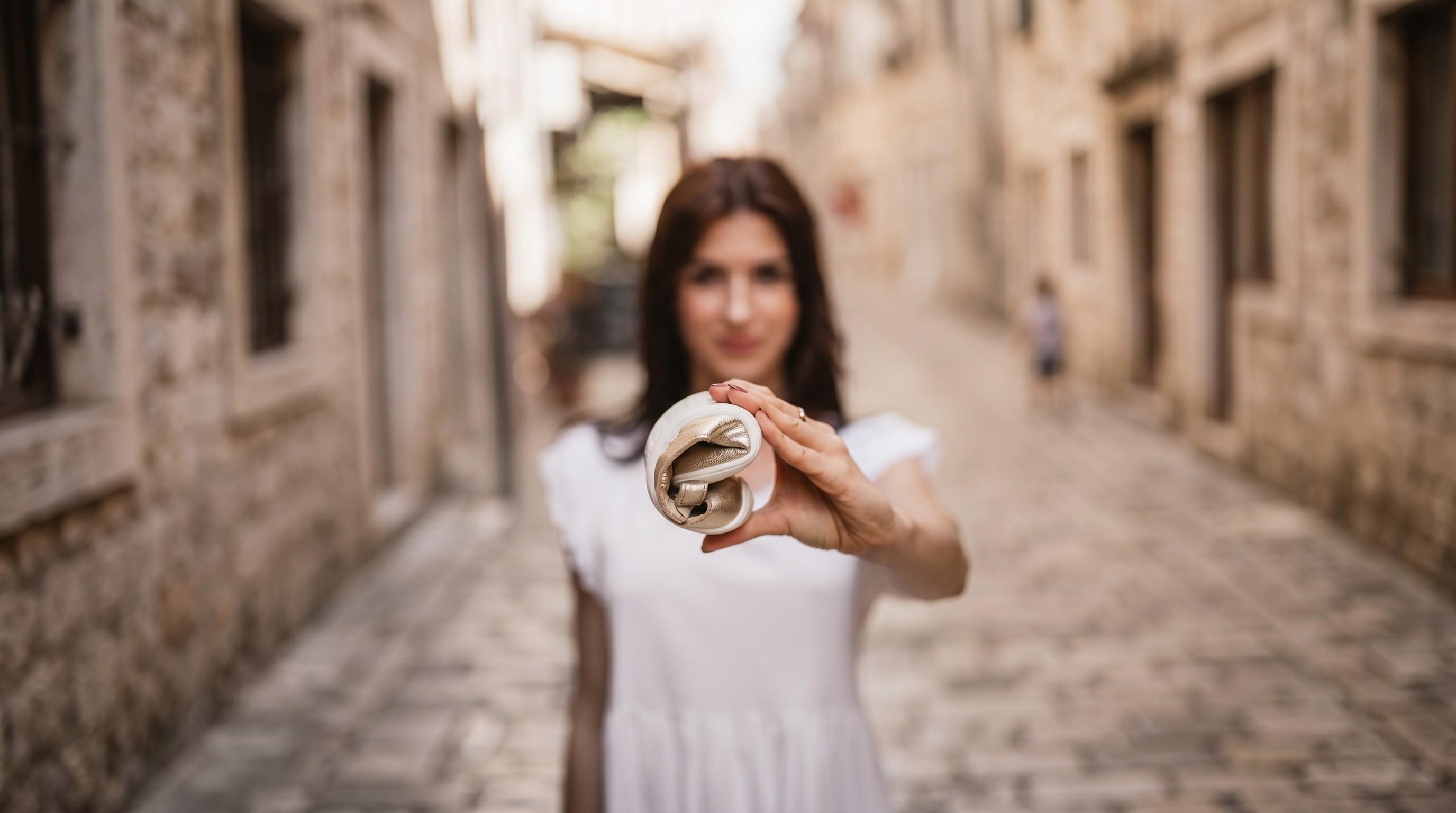
What to look for when choosing barefoot shoes
Materials decide how your shoes feel on day one and how they hold up a year later. It is worth checking how well the upper breathes, how soft the lining is, how the sole is bonded and how the seams are finished.
Be Lenka leaves none of that to chance. Every model goes through its own development and is tested over thousands of steps before it reaches the shelf. Shoes that are meant to last and stay comfortable need more than a good first impression. If you prefer natural materials, you will find plenty of leather models across our collections. If you would rather skip animal materials altogether, browse our vegan barefoot shoes, made with textile and plant-based alternatives.
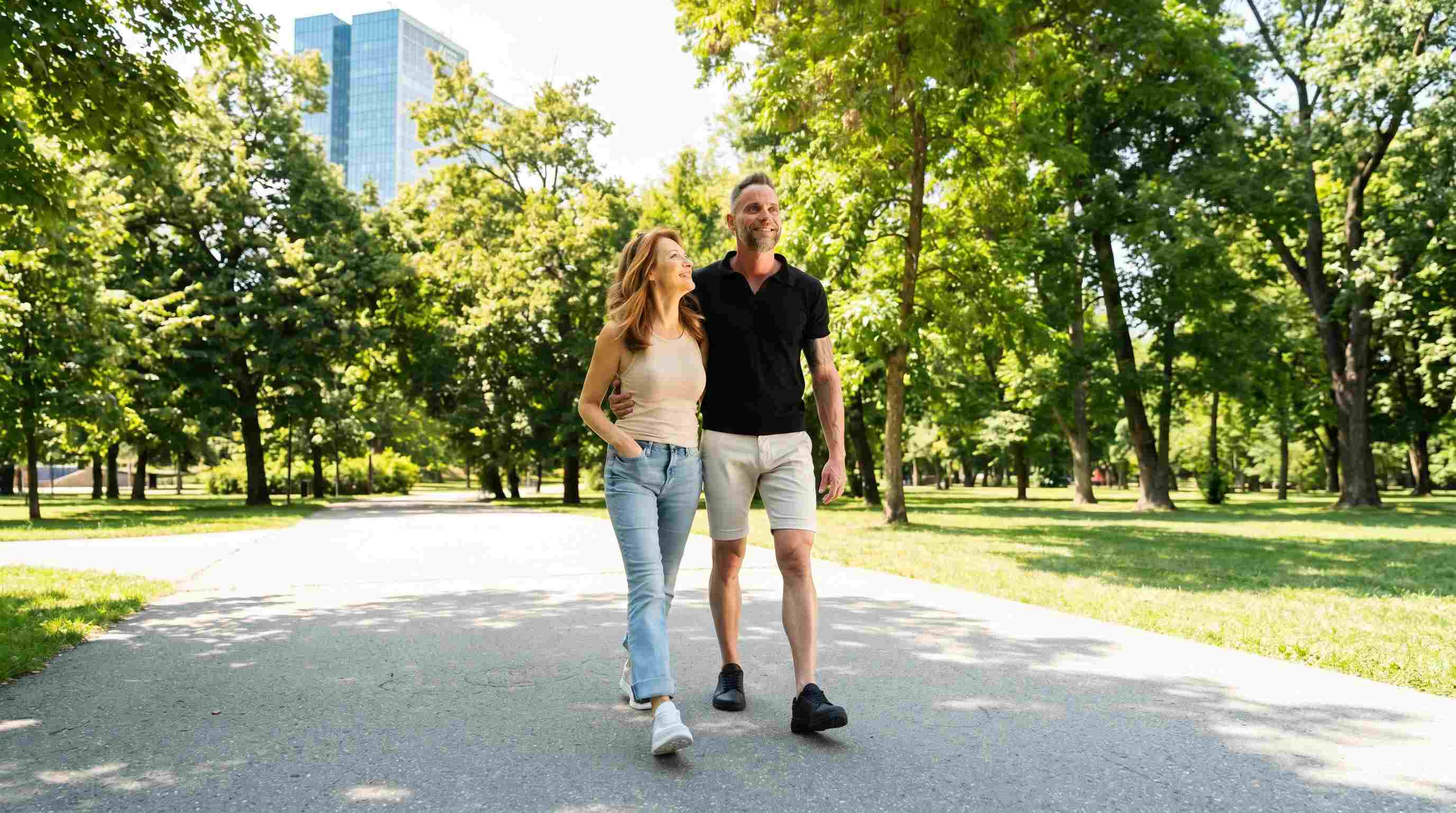
Barefoot shoes for the whole family
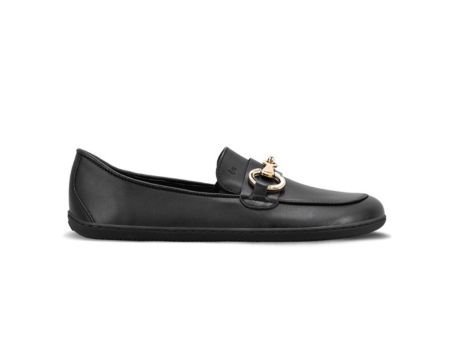
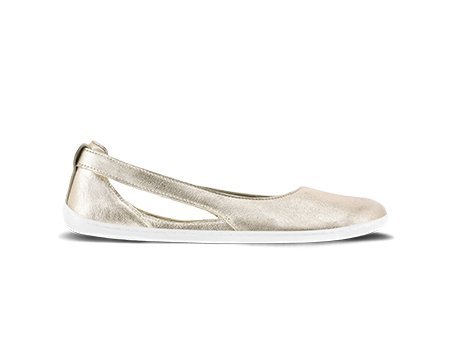
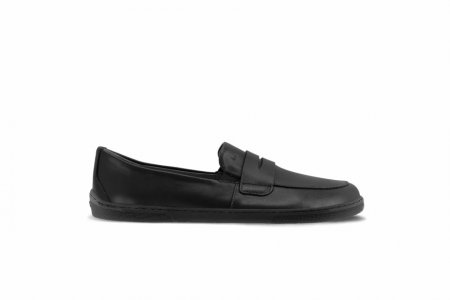
Everyone gets to move naturally. Our women’s barefoot shoes and men’s barefoot shoes cover everything from sneakers and sandals to boots, flats and loafers.
The little ones are not an afterthought either. The same principles — room for the toes, a flexible sole, natural movement — matter even more for feet that are still growing. Kids’ barefoot shoes from Be Lenka are designed around the specifics of a developing foot, which needs space far more than it needs support.
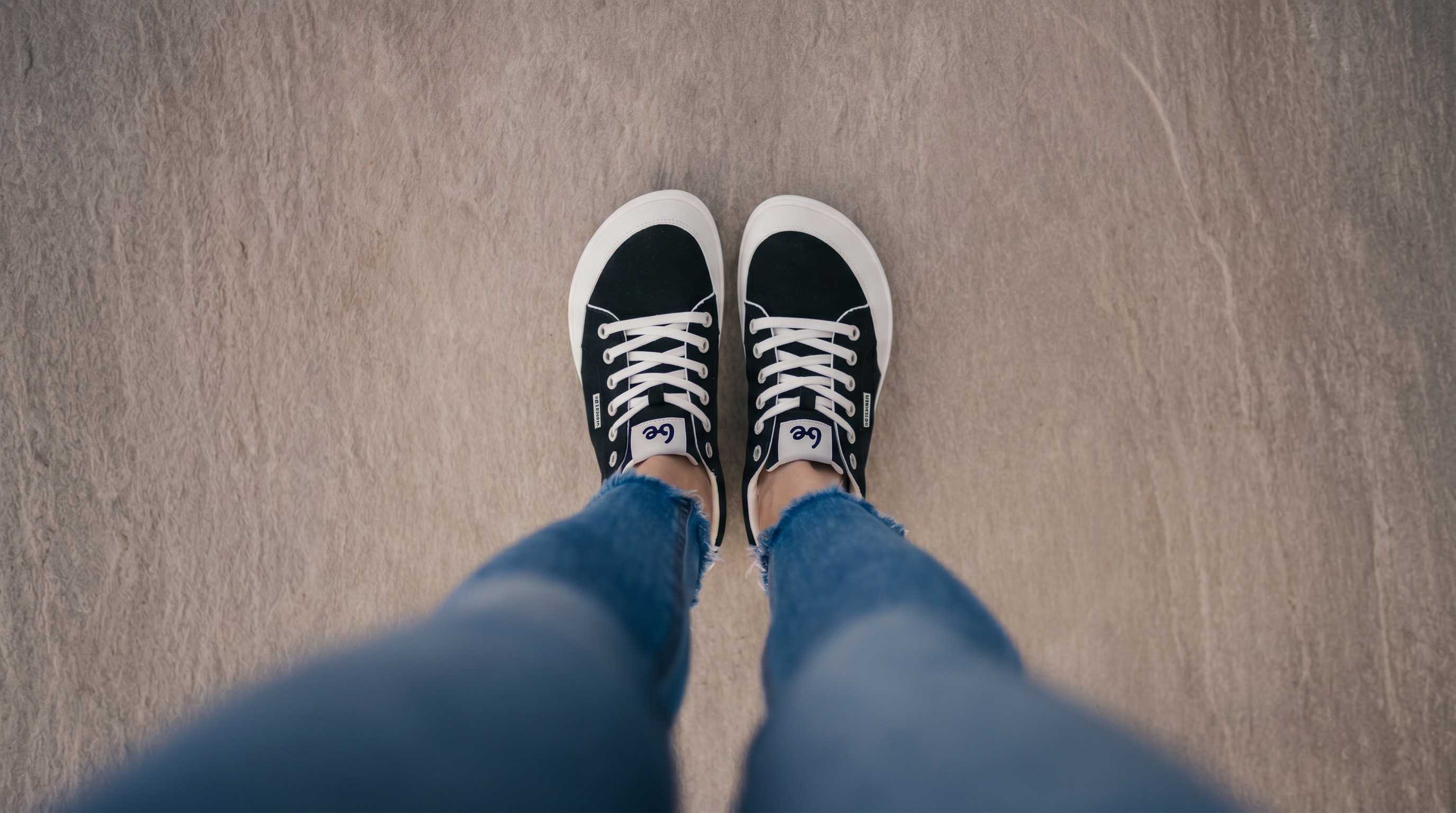
Making the switch takes a few weeks
The first steps in barefoot shoes feel different. You sense the ground through the whole surface of your foot, and your body needs a little time to find its natural stride again. Muscles that spent years in narrow, cushioned shoes are waking up.
Start with shorter walks and alternate with your usual shoes. Give your feet a few weeks to build up. Most people adjust quickly — and rarely go back.
How to care for barefoot shoes
Most models only need a wipe with a damp cloth and time to air dry away from direct heat. A little regular attention keeps leather supple and textile fresh, and it adds years to a pair you love. You will find cleaners, waxes and water-repellent sprays in our shoe care section.
Once your feet get used to the space, other shoes start to feel strange. Not uncomfortable. Just unnecessarily narrow.
What are the benefits of barefoot shoes compared to regular shoes?
+ -Conventional shoes do a lot of the work your muscles should be doing. Over time those muscles get used to the help and weaken. Barefoot shoes bring them back into play, gradually and without forcing anything. Your foot starts working actively again. Your sense of the ground improves, so your body reacts to uneven surfaces faster and your balance gets steadier. Many people also notice less tension through the feet and legs at the end of the day. Be Lenka develops every model based on research and tests it over thousands of steps before release.
Are barefoot shoes good for wide feet or bunions?
+ -Yes – the anatomical, wide toe box gives the toes more room, which can help reduce pressure across the forefoot. With a bunion or wide feet, the key is that the shoe doesn't press on sensitive spots. As a dressy option for the office, the Buena model, with its wider last as standard, may be a good fit.
What is the difference between barefoot, minimalist and zero drop shoes?
+ -The terms overlap, which is why they get used interchangeably. Zero drop describes one feature only: the heel and the forefoot sit at the same height. Minimalist usually means a thin, flexible sole with very little cushioning. Barefoot shoes combine both, and add the part that matters most for comfort — an anatomically shaped wide toe box that follows the real shape of your foot. Every Be Lenka pair ticks all three: wide at the front, flexible underfoot, level from heel to toe.
Are barefoot shoes a good choice for wide feet?
+ -Wide feet are one of the most common reasons people try barefoot shoes in the first place. Because the toe box is shaped around the natural spread of the toes rather than tapering to a point, your foot is not pushed into a narrower shape than it has. That usually means fewer pressure points and less rubbing, especially across the ball of the foot. Toe shape matters too — whether your longest toe is the big toe or the second one, an anatomical last gives all of them somewhere to go.
How do I choose the right size in barefoot shoes?
+ -Barefoot shoes are sized a little differently than regular shoes. A roomier fit is not a mistake — it is the point. Measure the length and width of your foot rather than relying on the US size you usually buy, since every brand measures differently. Add roughly 0.2 to 0.5 inches (5–12 mm) to your measured length depending on the type of shoe, then compare the result with the size chart for that specific model. If you land between two sizes, go with the larger one. A shoe that pinches on day one will not get better with wear.
How do I care for barefoot shoes?
+ -Most models need very little. Let them air dry at room temperature, never on a radiator or in direct sun, and brush off dirt once they are dry. Leather appreciates a wax or conditioner a few times a season to stay supple; textile and membrane models do best with a water-repellent spray reapplied a couple of times a year. Regular care keeps the materials flexible and the shape intact far longer than occasional deep cleaning does.