 DE / USD

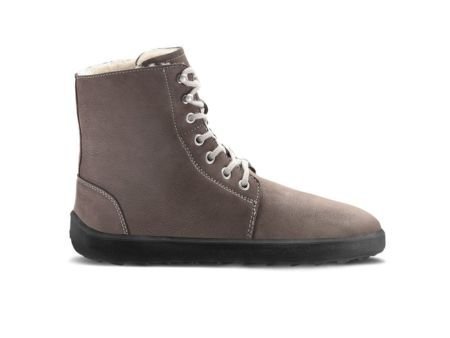
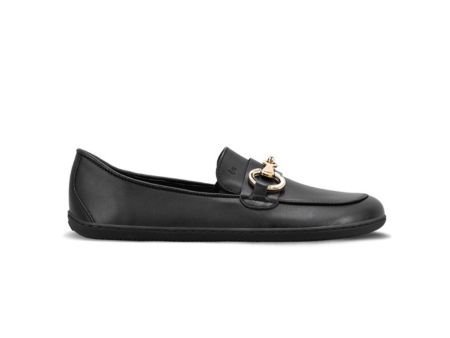
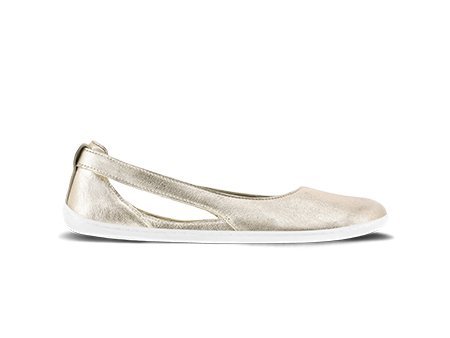
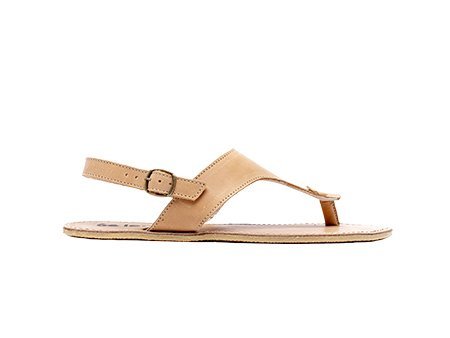


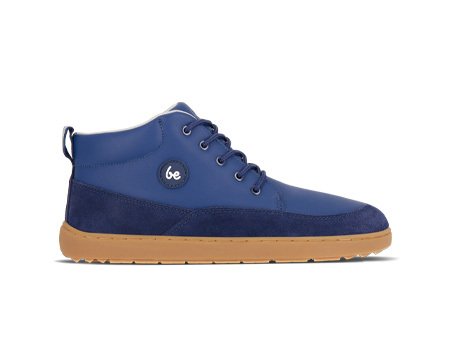
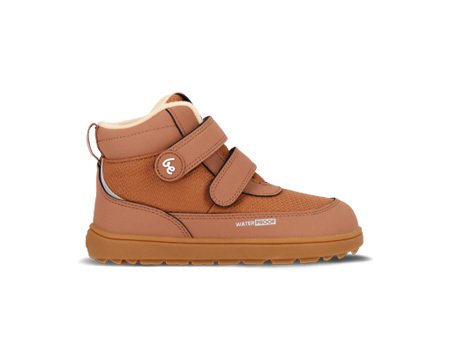
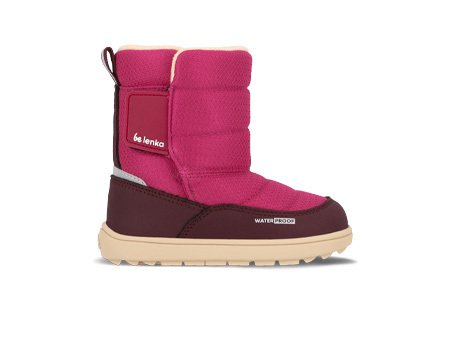


Women's Barefoot Snow Boots (4)
PolarStride



Snowfox Woman
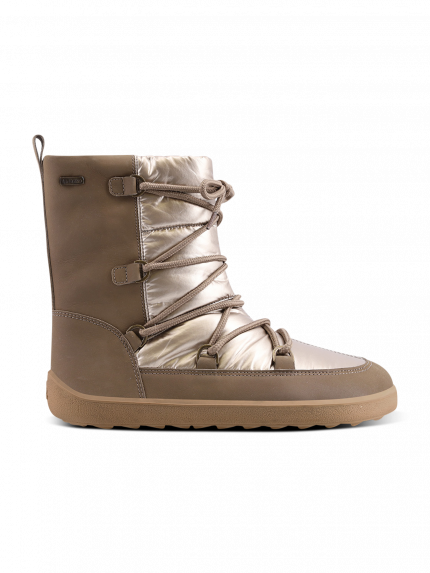
Winter Barefoot Boots
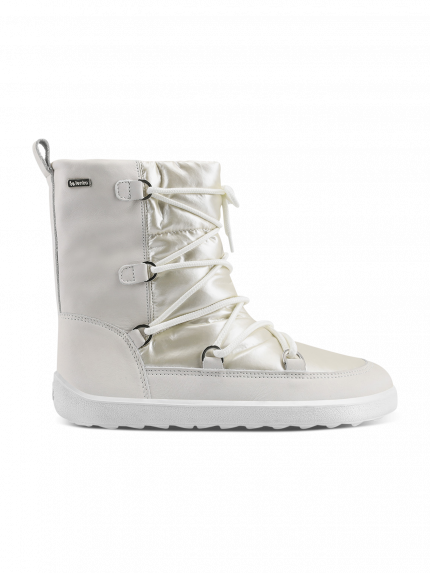
Winter Barefoot Boots
You have seen 4 of 4 products
Snow, slush and cold sidewalks. These keep feet warm without squeezing them, because toes that can move stay warmer. An insulated lining, a grippy outsole and a sole that still bends.
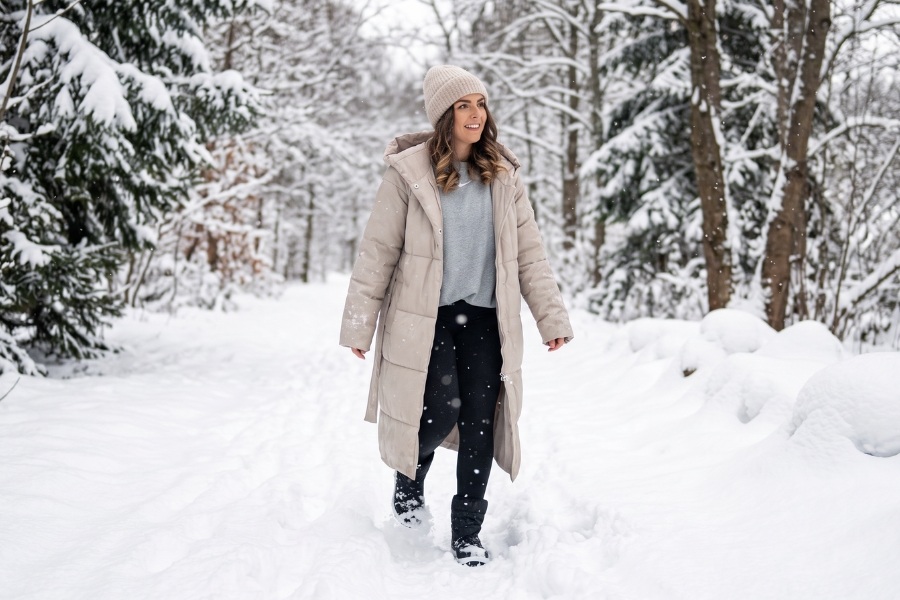
Warm because there is room, not despite it
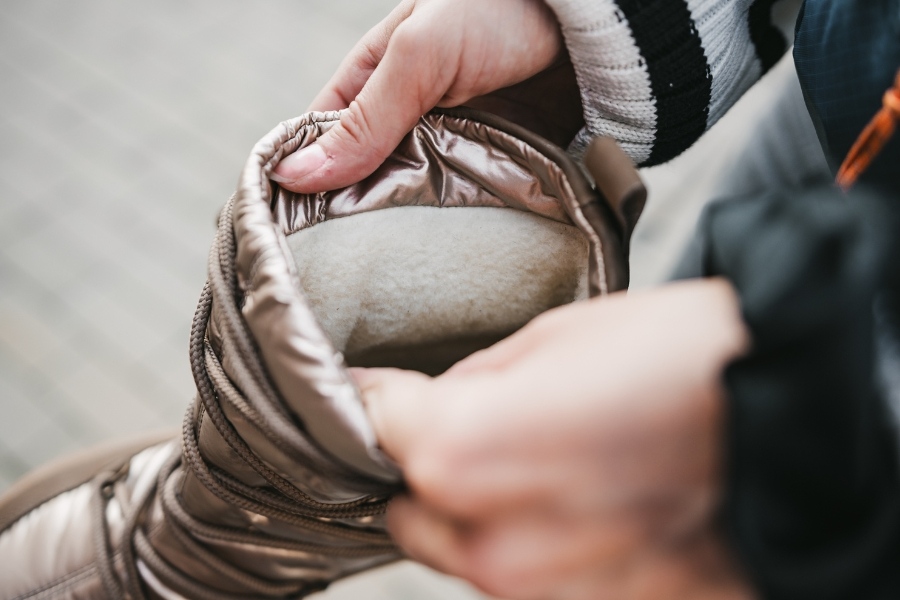
A boot that compresses your foot restricts circulation, and restricted circulation is why feet get cold inside otherwise warm footwear. A wide toe box lets your toes spread and stay active, and it leaves space for a proper wool sock without the boot becoming tight.
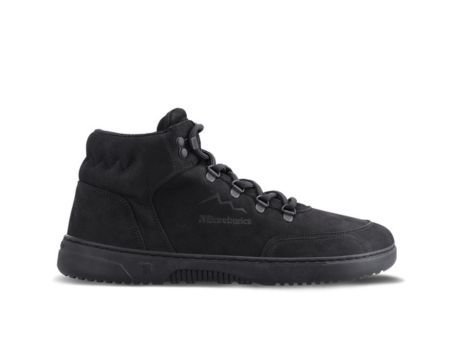
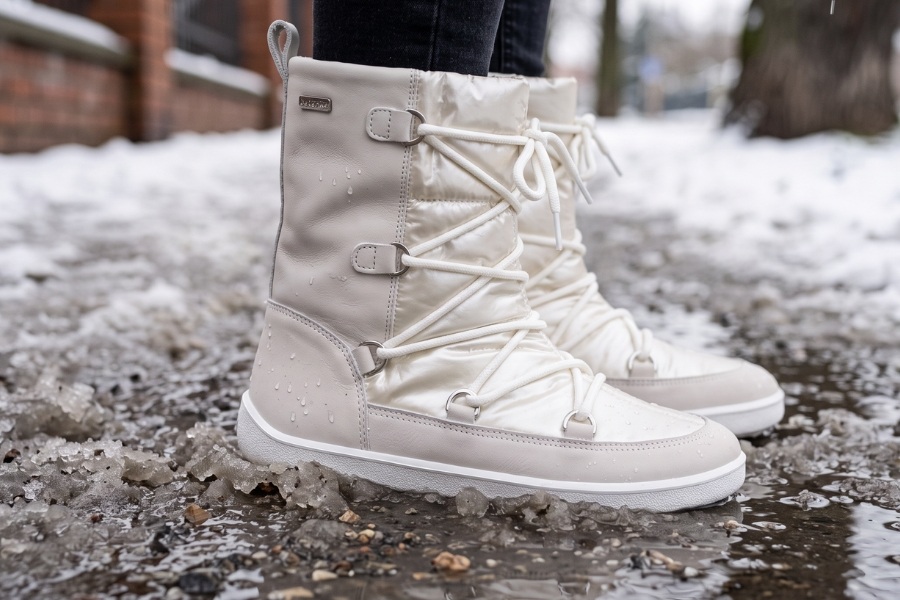
Add a fleece lining, a water-repellent upper and a higher cut that keeps snow out around the ankle, and you have a boot built for a real winter rather than a photograph of one.
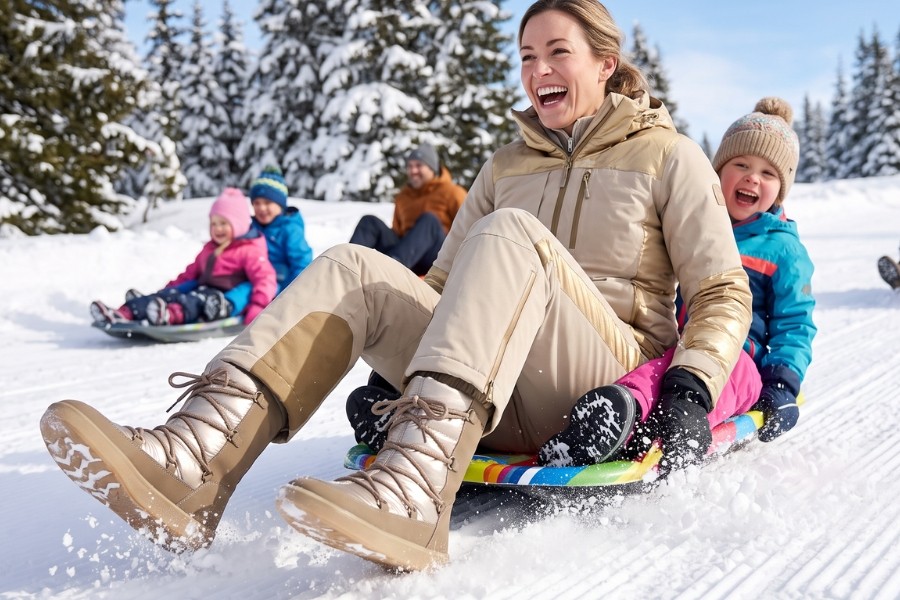
Light enough to enjoy the walk
Conventional snow boots are warm and heavy. After an hour of walking, the weight is what you notice. Barefoot snow boots keep the insulation and drop the bulk: a lighter build, a flexible sole and a foot that can still move naturally.
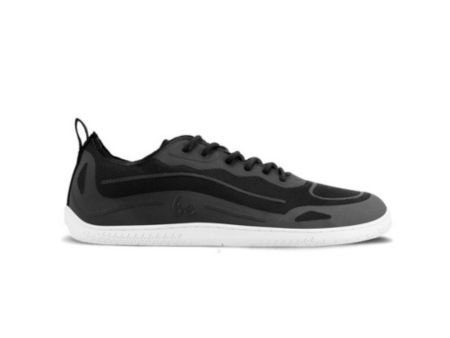
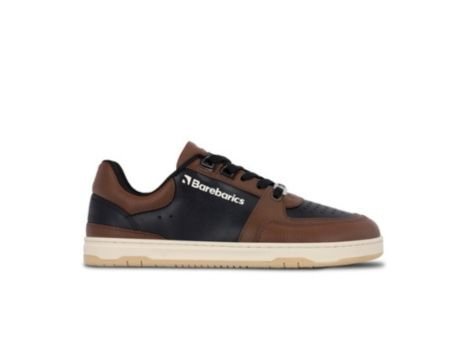
Snowfox is the model most women start with. For a bolder urban look, Barebarics PolarStride brings the same idea in a street silhouette. For milder city winters, see winter boots and tall boots.
Care through the season
Brush off snow, slush and road salt the same day rather than letting it dry into the material. Let the boots dry naturally at room temperature, away from radiators and any direct heat. Reapply a water-repellent spray suitable for membranes before the season and two or three times through it. Everything you need is in shoe care.
How cold can barefoot snow boots handle?
+ -Selected models with a warm fleece lining stay comfortable down to around -4 °F (-20 °C), and some handle lower temperatures. Real thermal comfort also depends on how much you are moving, how long you are outside and which socks you wear — wool or merino holds warmth far better than thin cotton.
Are they waterproof?
+ -Yes. The upper uses a water-repellent textile backed by a waterproof membrane, and the higher cut helps keep snow out around the ankle. For longer time in deep or wet snow, reapply a water-repellent spray two or three times a season, and let the boots dry naturally after every wear.
Will my feet get cold if the boot is roomy?
+ -The opposite, usually. A foot that is compressed loses circulation, and cold feet follow. Room at the front lets your toes move and stay active, and it leaves space for a thicker sock without the boot becoming tight — which is where most of the extra warmth comes from.
What is the difference between snow boots and winter boots?
+ -Snow boots have a higher cut, a warmer lining and a more aggressive outsole, so they handle deep snow and hard frost better. Winter boots are more versatile — good for the city, daily wear and milder cold.