 DE / USD

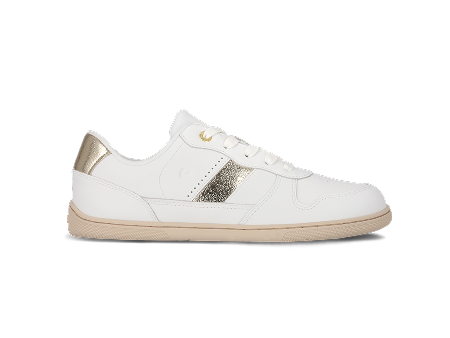
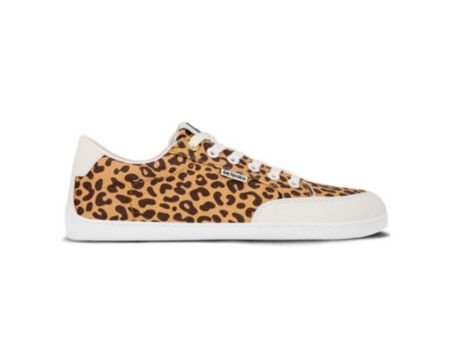
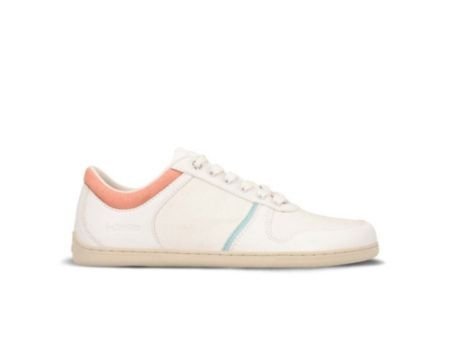
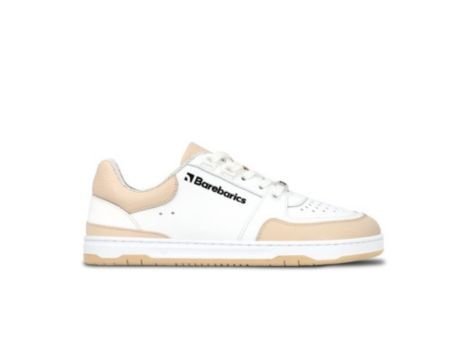
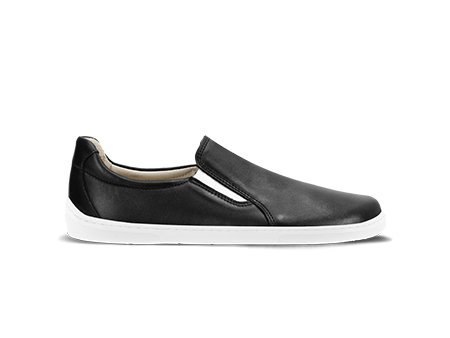
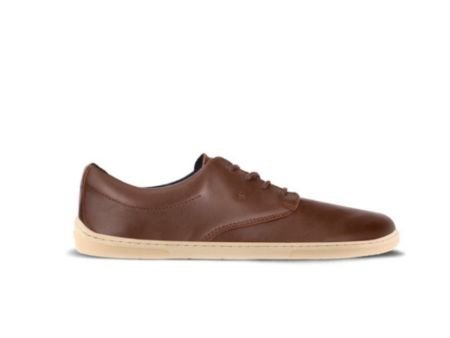
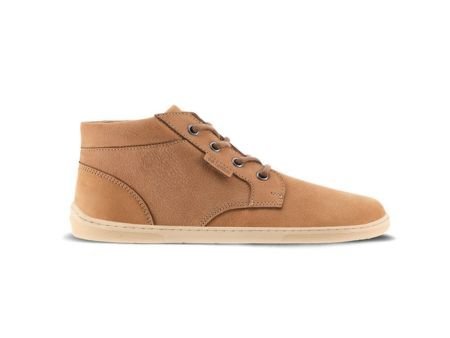
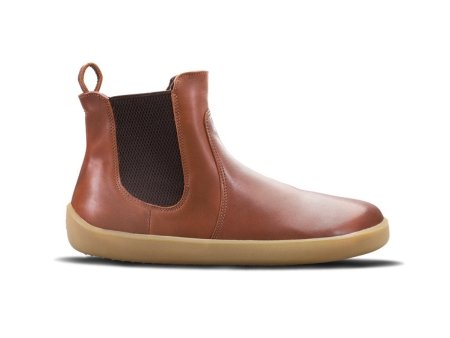
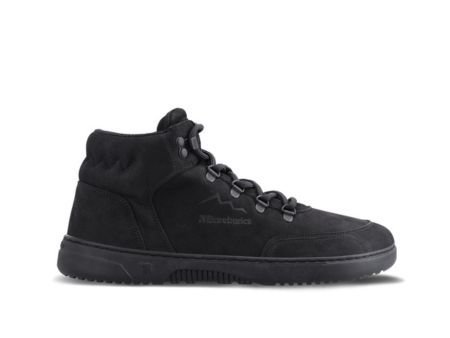
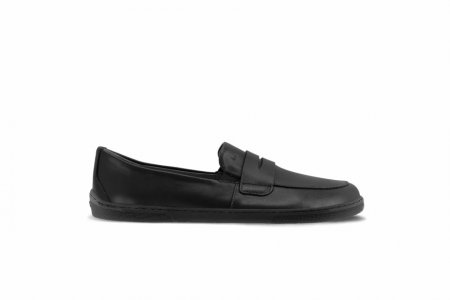
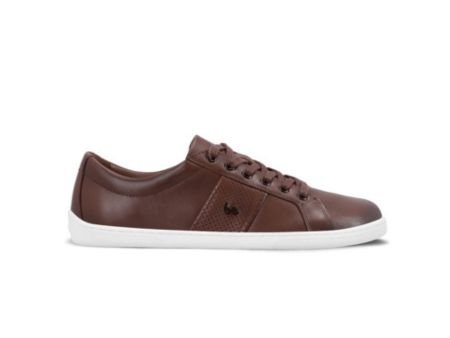
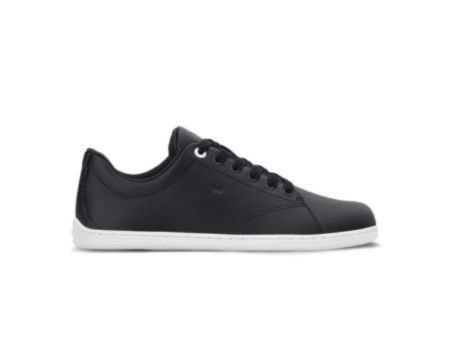
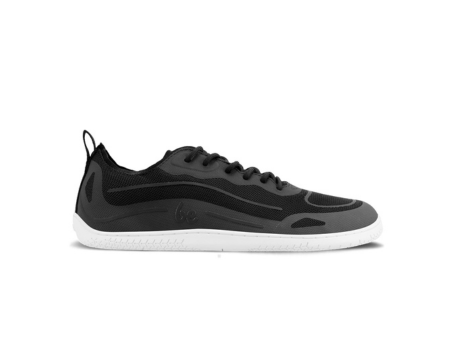
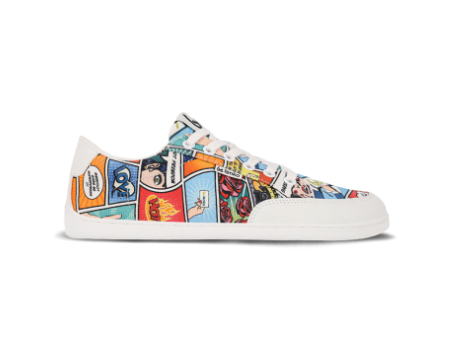
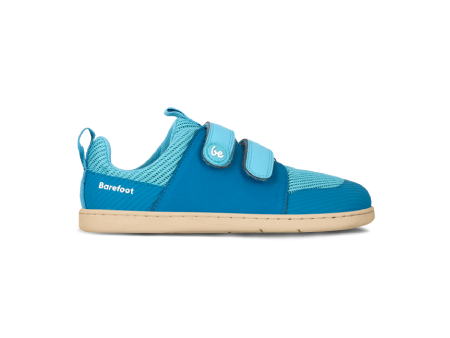
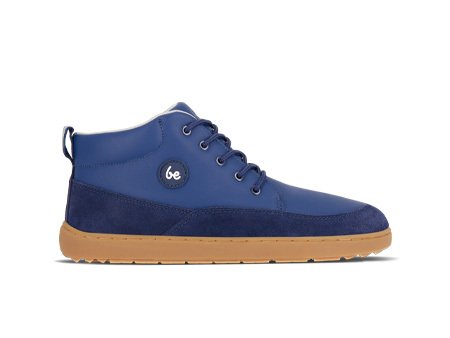
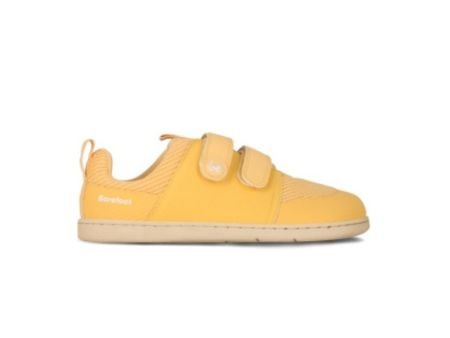
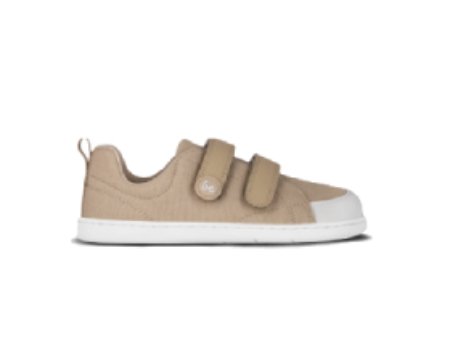
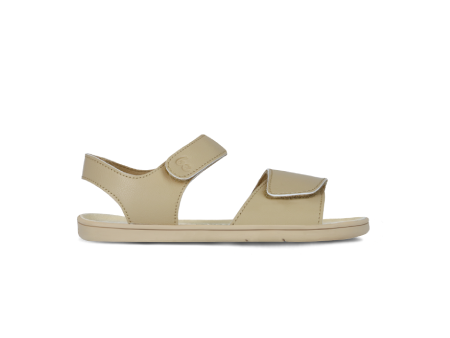
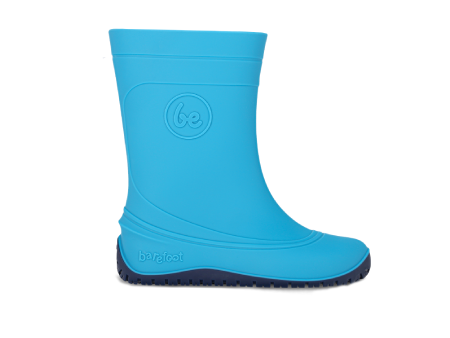
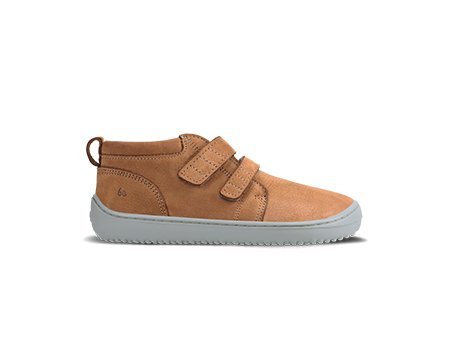
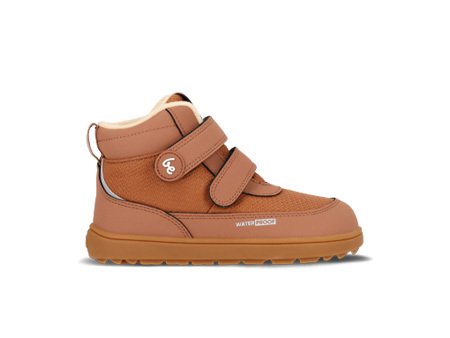
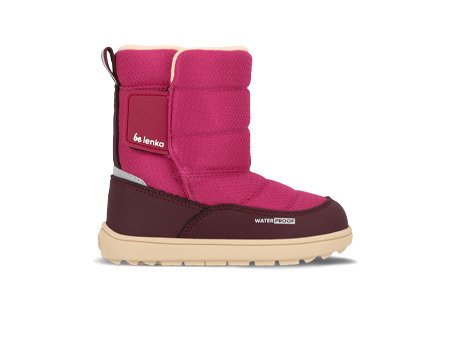


Barefoot Preschool Shoes (32)

Energise Preschool


Kids barefoot sneakers

Kids barefoot sneakers
Canvi Preschool
Glade Preschool
Kids Barefoot Sneakers
Kids Barefoot Sneakers
Kids Barefoot Sneakers
Zest Preschool
Luppo Preschool
Aura Preschool
Kids barefoot Slip-on shoes
Kids barefoot Slip-on shoes
Elio Preschool
Kids Barefoot Shoes
Kids Barefoot Shoes
Zippu Preschool
Ailo Preschool
You have seen 32 of 32 products
Preschool days are long and busy. Closures a child can manage alone, light flexible soles and a wide toe box, in materials that survive a full week of play.
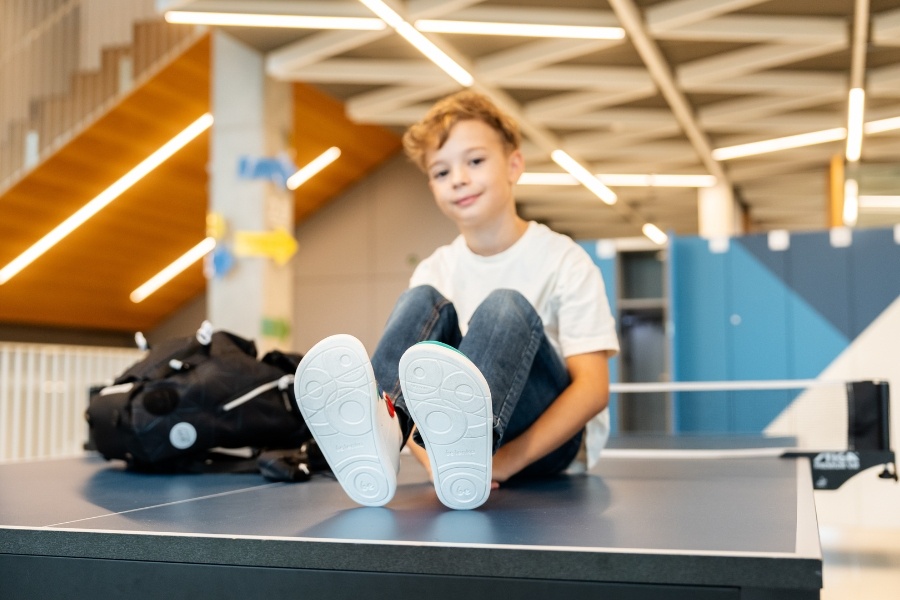
The shoe has to work without you there
At preschool, nobody is going to retie a lace every twenty minutes. The shoe your child wears has to go on and off by itself, stay on during a chase across the yard, and survive whatever the sandbox does to it.
That makes the closure the most important feature. Hook-and-loop straps and elastic openings mean a three-year-old can handle their own shoes, which is a small independence that changes the whole day.
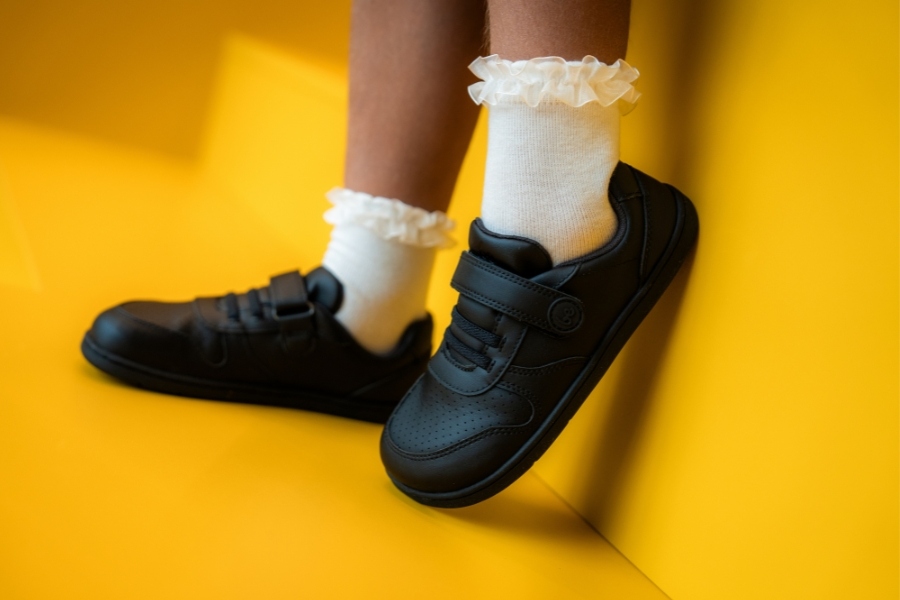
Indoor pair, outdoor pair
Most preschools ask for both. The indoor pair is usually a light low-cut shoe with a non-marking sole; the outdoor pair needs to handle a yard in whatever weather is happening.
Label both pairs, and check your preschool’s requirements before you buy — some are specific about closed heels, sole color or whether slip-ons are allowed.
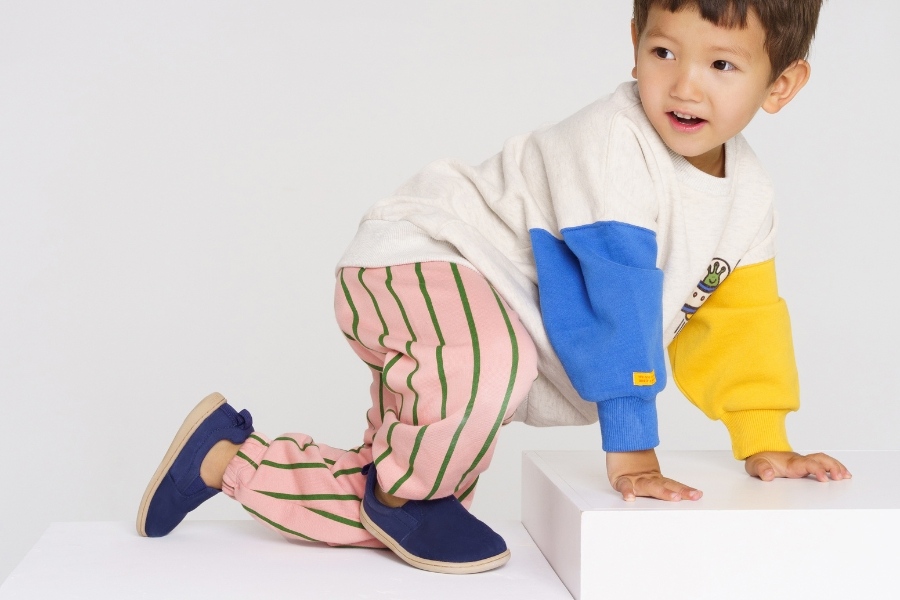
Built for a hard week
Preschool footwear takes more abuse than almost any other children’s shoe. Toes get scuffed on concrete, uppers get soaked and dried repeatedly, and nothing is ever taken off carefully. Materials and construction are chosen with that in mind, and every model is tested over thousands of steps before release.
Two pairs in rotation last considerably longer than one worn every day, and it means a soaked pair never leaves you stuck on a Tuesday morning.
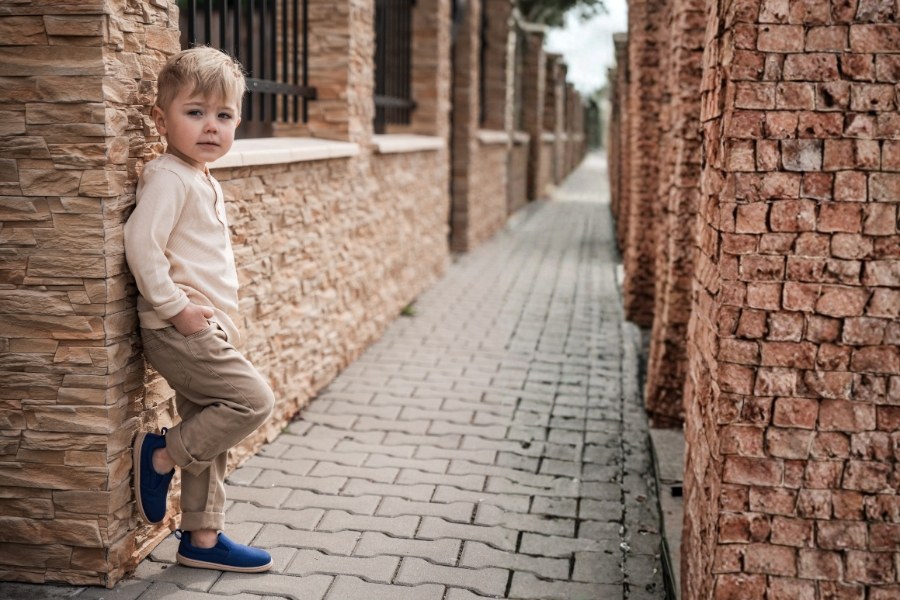
What should I look for in preschool shoes?
+ -A closure your child can manage alone, a light and flexible build, a wide toe box, and materials that survive being wet and dry repeatedly. Check your preschool’s rules too, since many specify a non-marking sole for the indoor pair and a closed heel for outdoors.
Do preschools require indoor shoes?
+ -Most do. The usual requirement is a separate pair with a non-marking sole that the child can put on themselves — slippers or light low-cut shoes both work. Ask for the specific requirements, as they vary.
Are slip-ons allowed at preschool?
+ -That depends on the school. Some prefer a strap or a closed heel for outdoor play, others are happy with slip-ons because children can manage them alone. If they are allowed, slip-on sneakers are among the most practical choices for this age.
How fast will my child outgrow them?
+ -Faster than you expect. Children’s feet grow in bursts, so check the fit every two to three months and look at where the longest toe sits. A child will very rarely tell you that shoes have become too small — they curl their toes instead.