 DE / USD

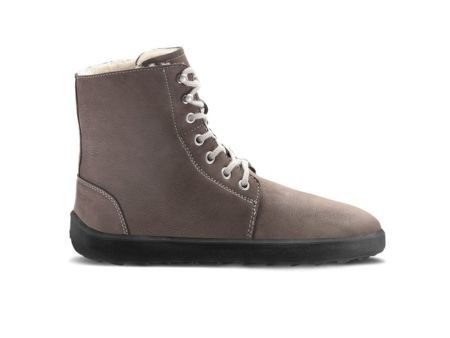
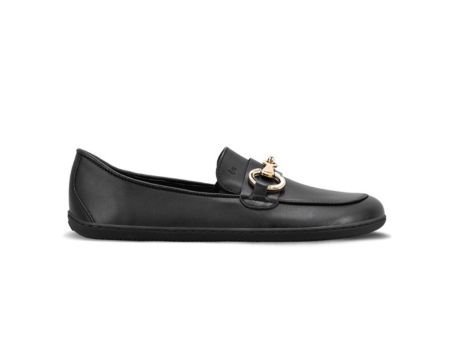
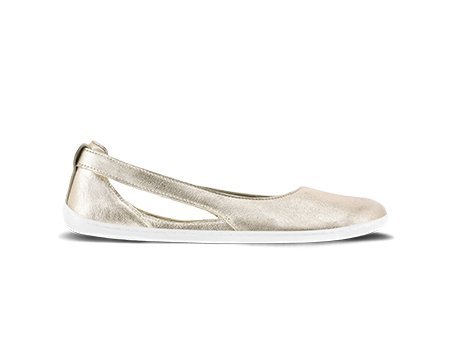
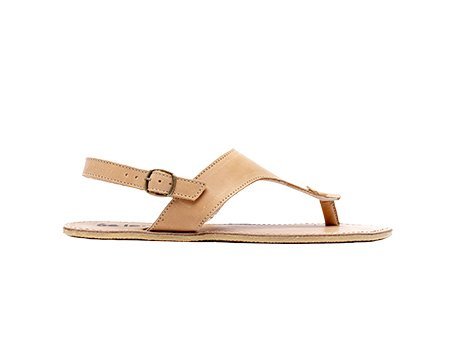
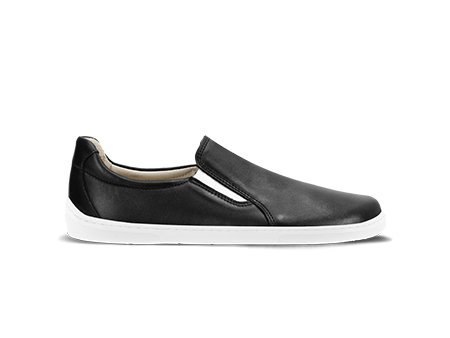
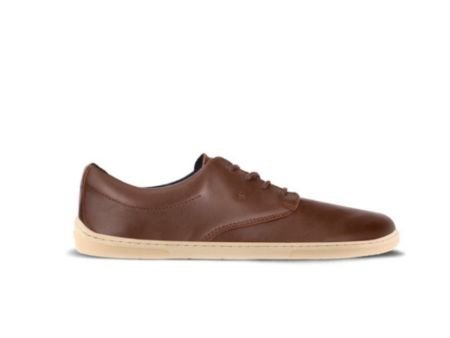
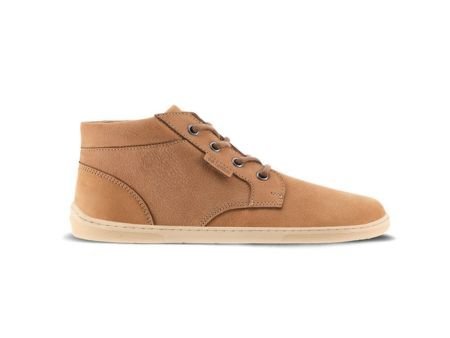
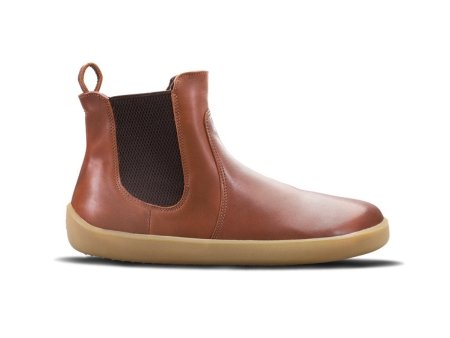
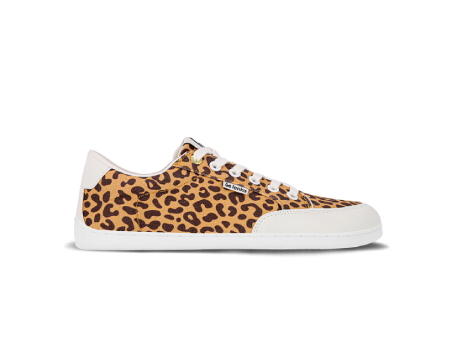
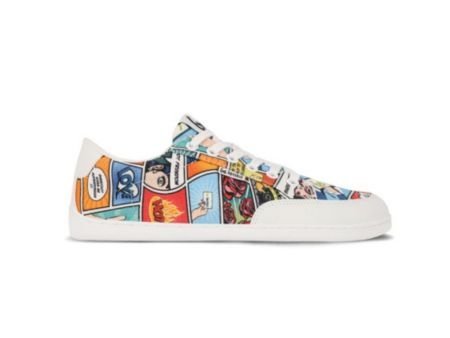
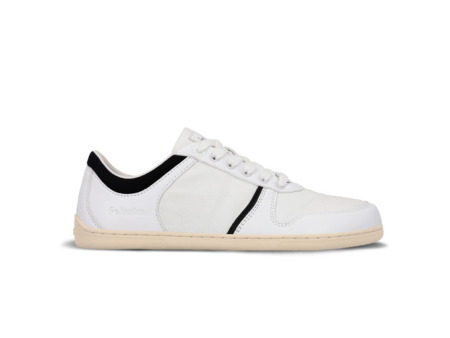
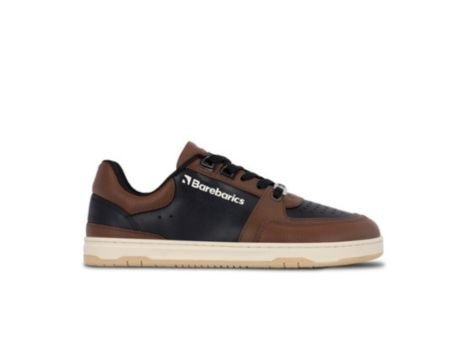
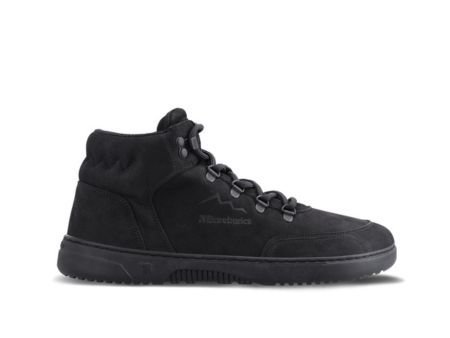
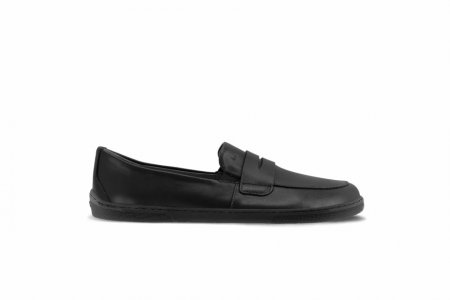
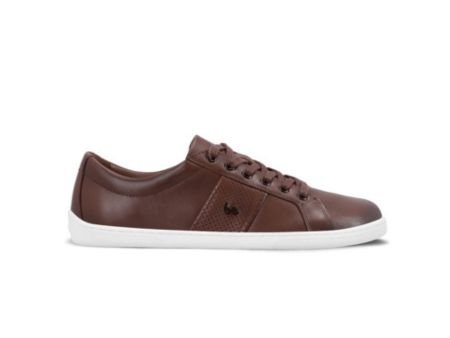
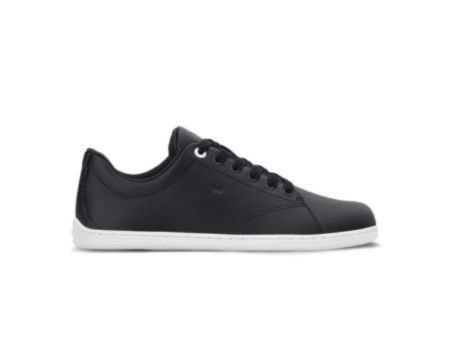
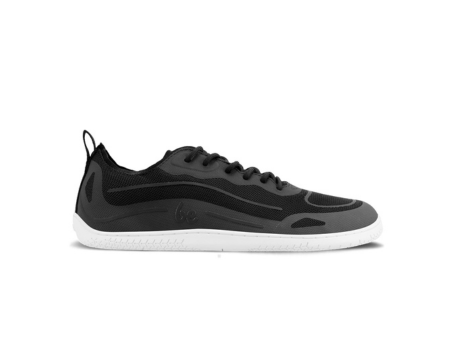
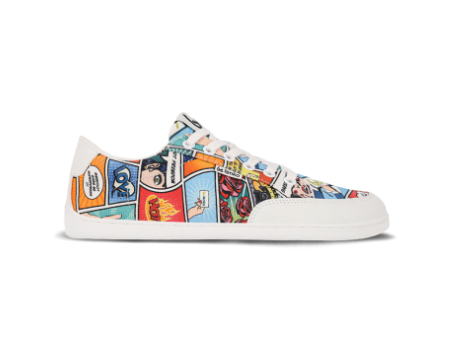
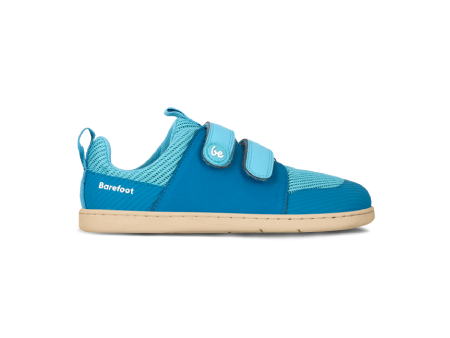
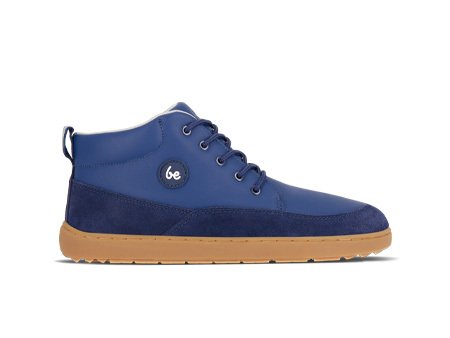
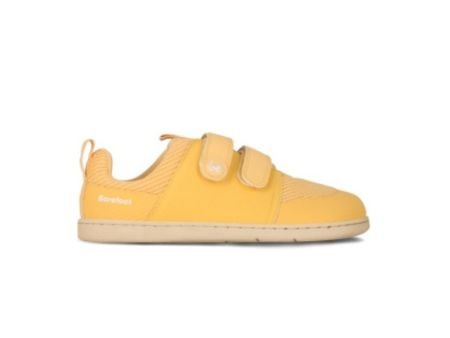
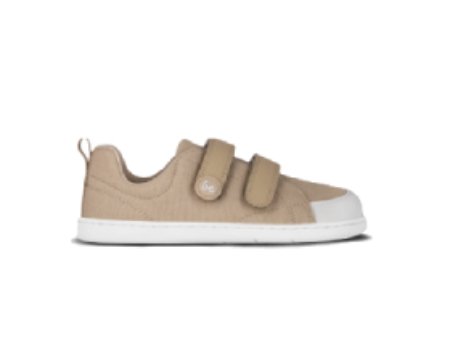
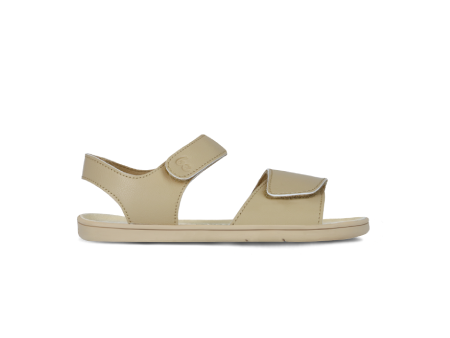
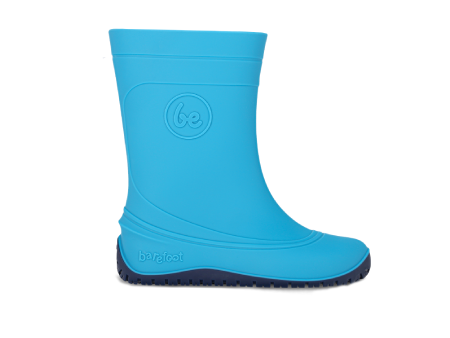
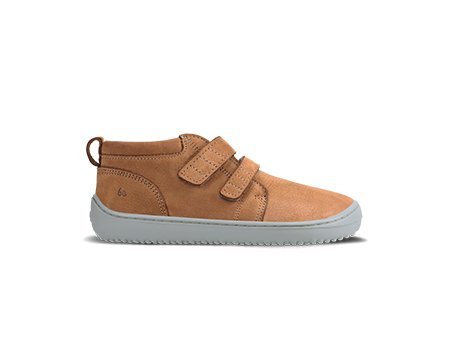
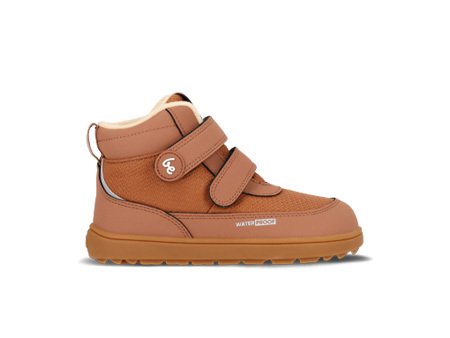
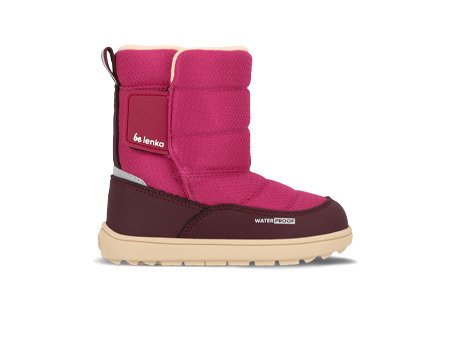


Kids' Barefoot Shoes (105)


Scoot Kids


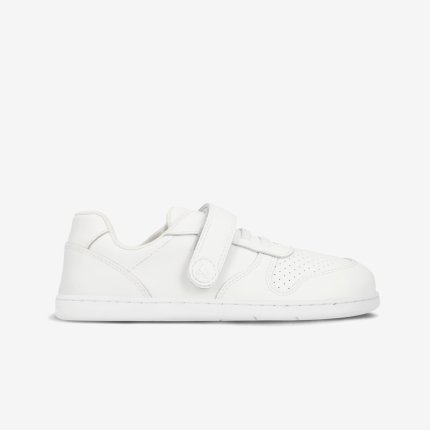
Luppo Kids
Canvi Kids
Glade Kids
Bounty Kids
Tinkee Kids
Energise Kids
Scoot Junior
Energise Preschool
Kids barefoot sneakers
Kids barefoot sneakers
Canvi Preschool
Glade Preschool
Kids Barefoot Sneakers
Kids Barefoot Sneakers
Kids Barefoot Sneakers
Zest Kids
Customer reviews on Trustpilot
Feet that are still growing need room, not support. Wide toe boxes, flexible soles and light builds, in every size from first steps to teens. Shop by type or by size.
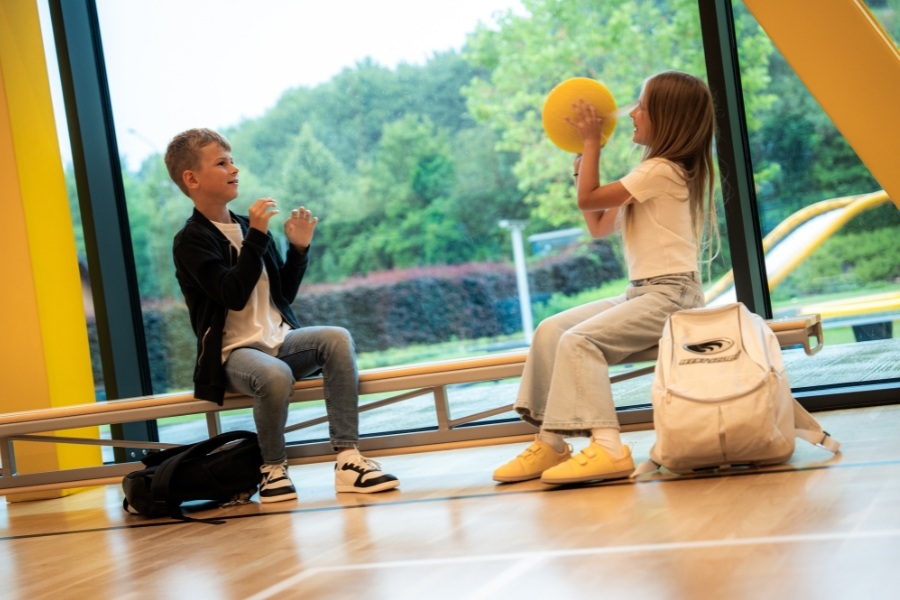
A child’s foot is not a small adult foot
It is softer, wider at the front and still forming. Most of the structure that will carry your child through adult life develops during these years, and it develops through movement — gripping, balancing, pushing off, feeling the ground.
A shoe that narrows at the toes, stiffens the sole and lifts the heel takes all of that away. Barefoot shoes do the opposite. A wide toe box lets toes spread and grip, a thin flexible sole lets the foot bend and read the surface, and a light build means nothing is being dragged around all day.
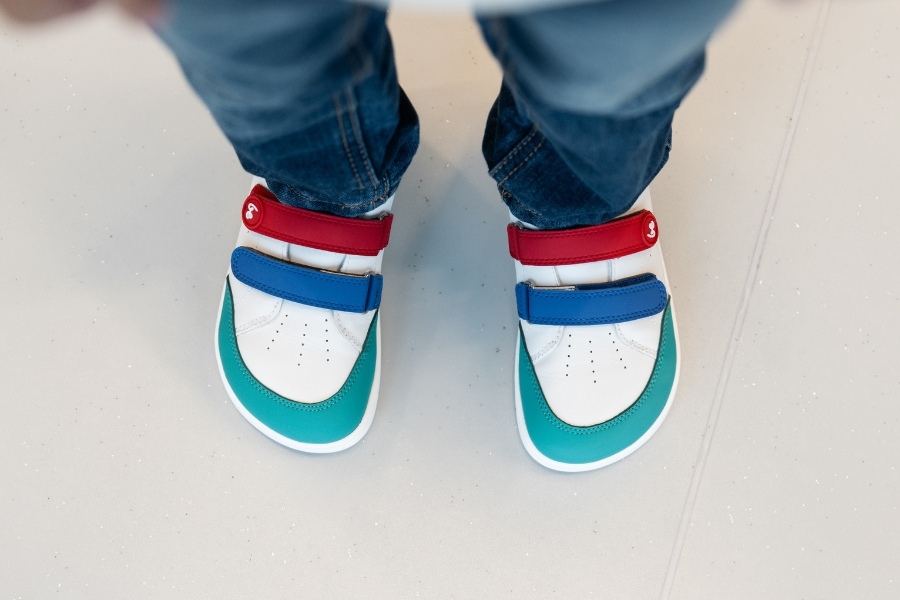
Shop by what they actually do
Sneakers cover school, the playground and everything after. Slip-on sneakers and low-cut shoes are the ones a child can manage alone. Sandals handle summer, rain boots handle puddles, and snow boots handle the walk to school in January.
There are also shoes for specific parts of the week: preschool shoes, school shoes for indoors and sports and PE shoes for gym class.
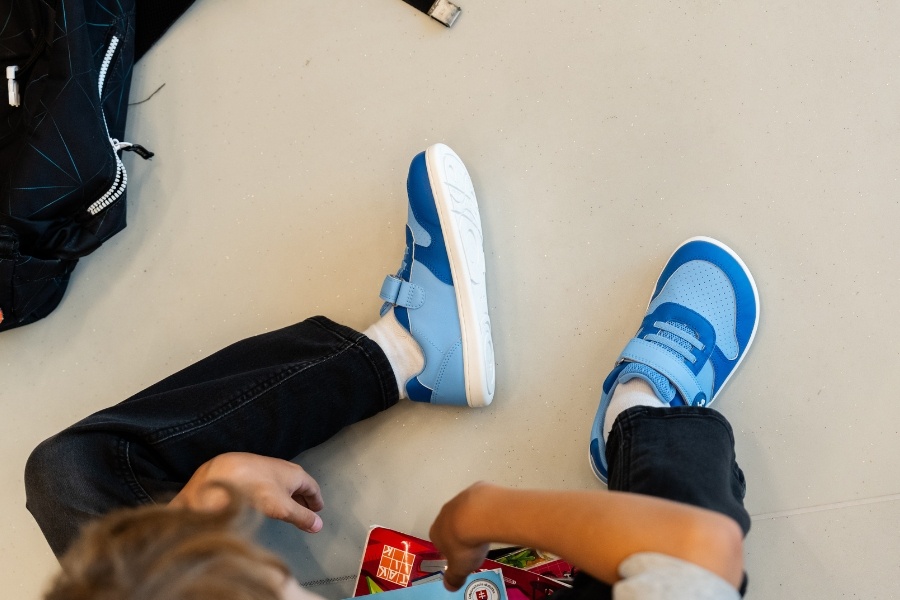
Shop by size group
If you know the size, start there: toddler (US 4–8), little kid (US 8.5–2) or big kid (US 2.5–6.5). Each group has its own priorities — soft uppers and thin soles for first steps, durability for the playground years, and a look they will actually agree to wear once they start choosing for themselves.
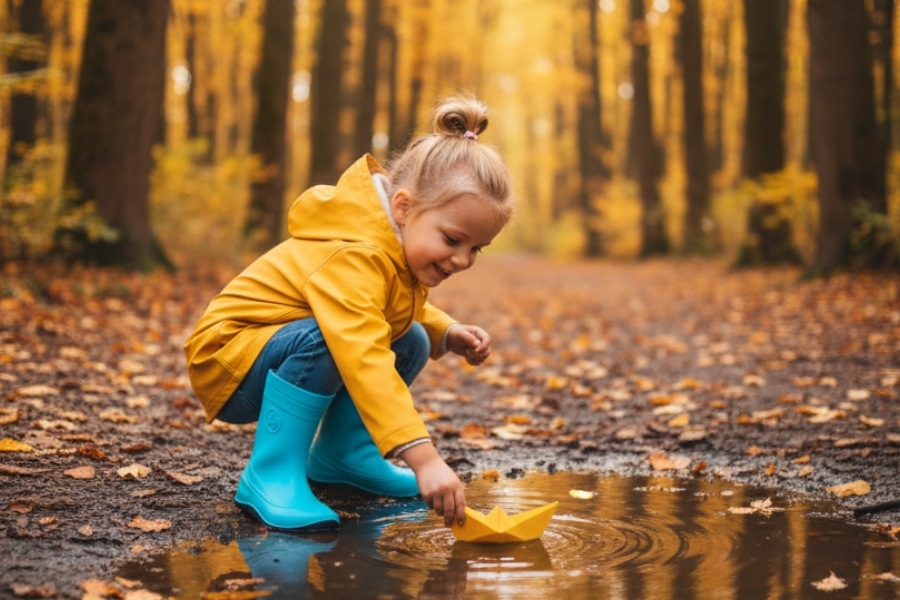
Sizing is the part that matters most
Measure, do not guess, and measure both feet. Add growing room to the longer foot — roughly 0.4 to 0.5 inches (10–12 mm) beyond the longest toe — then compare with the size chart for the model.
Children’s feet grow in bursts, and a child will almost never tell you that shoes have become too small; they curl their toes instead. Check the fit every two to three months for toddlers and every three to four months for older children. Hand-me-downs are best avoided for the same reason: a sole that has molded to one child’s gait is not a neutral starting point for another.
Are barefoot shoes good for children’s feet?
+ -Growing feet develop through movement, and barefoot shoes are built to allow it: room at the front so toes can spread and grip, a flexible sole so the foot bends naturally, and a light build so nothing is being lugged around. There is no break-in period for a child either — they adapt almost immediately, because they have fewer years of conventional footwear to unlearn.
What size should I order for my child?
+ -Measure both feet, use the longer one, and add roughly 0.4 to 0.5 inches (10–12 mm) of growing room before comparing with the model’s size chart. Do not go by the US size on their old shoes, since every brand measures differently. Too much extra room is not a safe default either — a shoe that is much too long makes tripping more likely.
How often should I check the fit?
+ -Every two to three months for toddlers, every three to four for older children. Growth comes in bursts, and children rarely complain about shoes being too small — they curl their toes instead. A quick check of where the longest toe sits is enough.
Can my child wear barefoot shoes all the time?
+ -They can. Children adapt quickly and usually prefer the freedom once they have tried it. Being barefoot indoors is good for foot development too.