 DE / USD

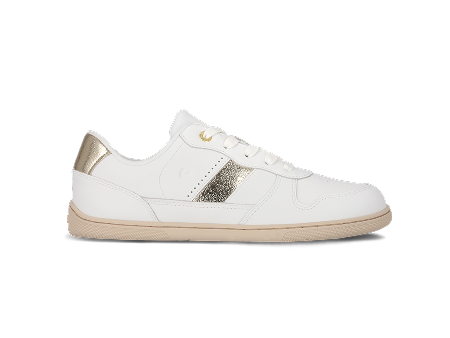
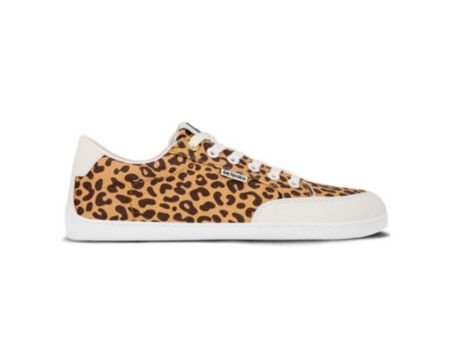
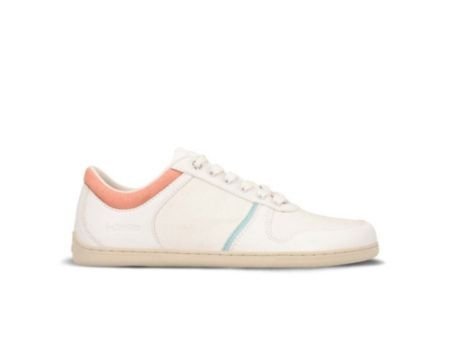
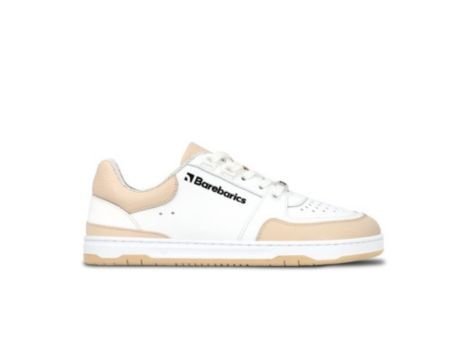
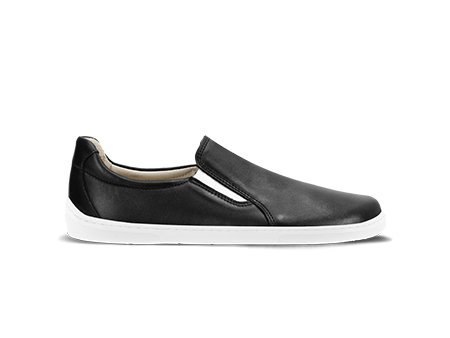
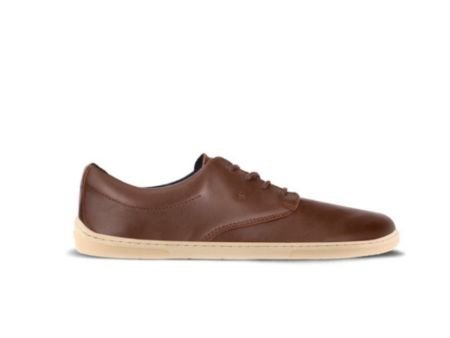
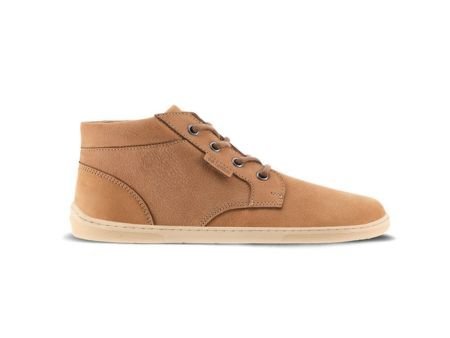
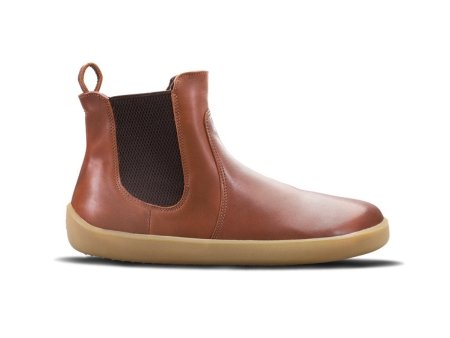
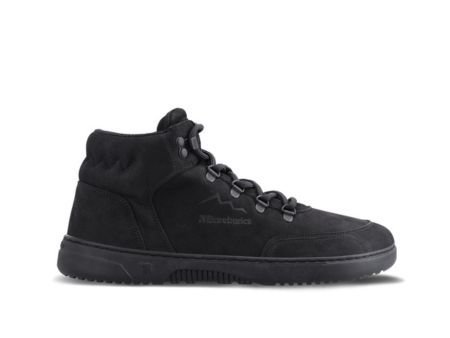
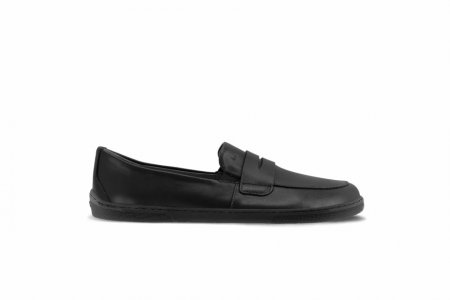
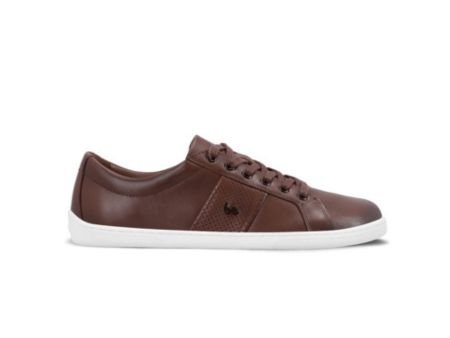
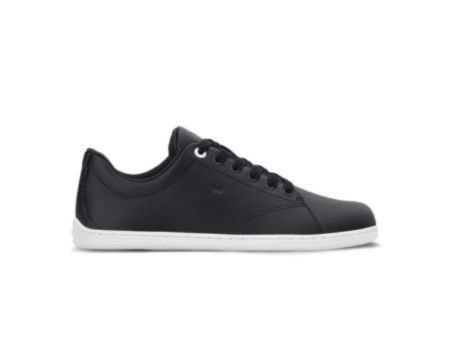
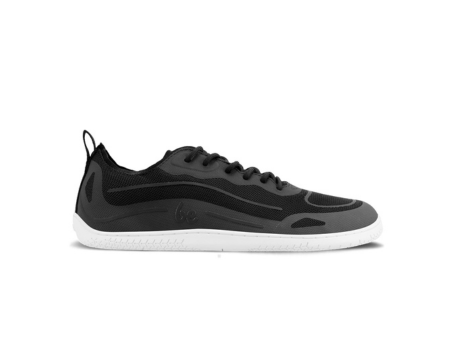
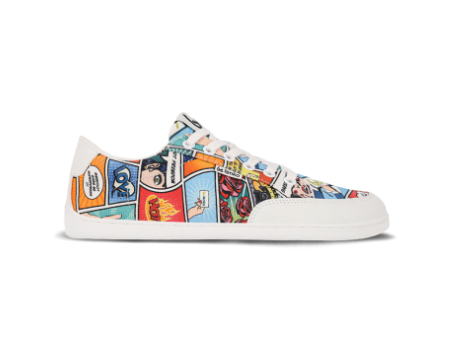
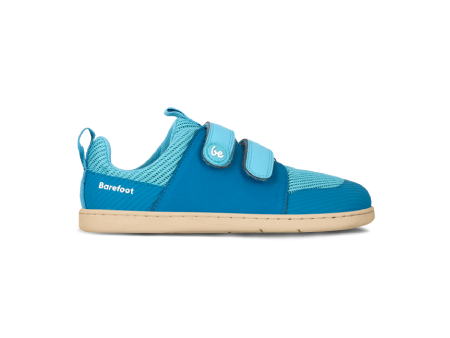
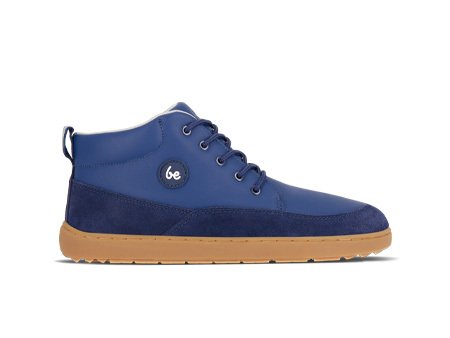
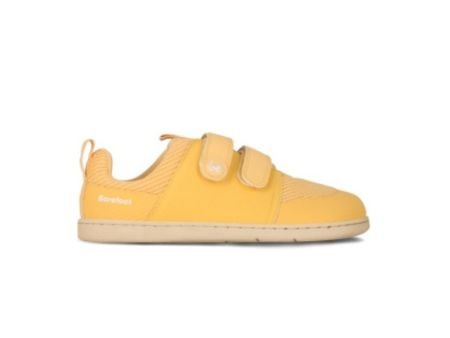
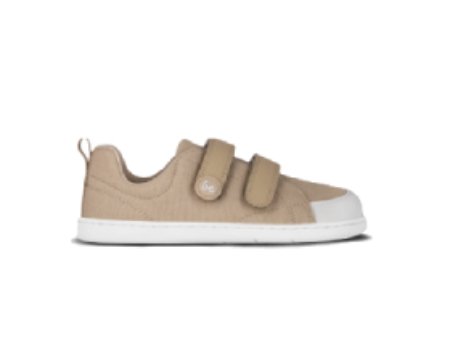
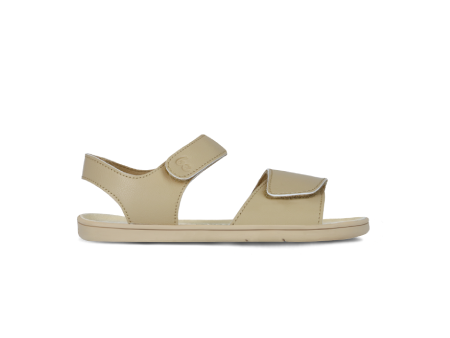
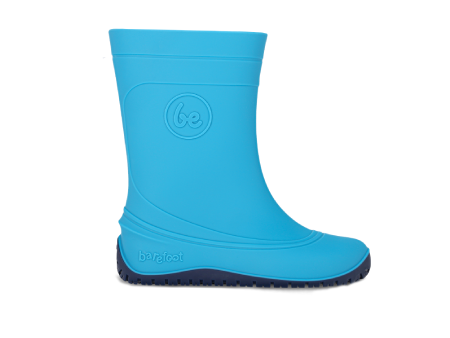
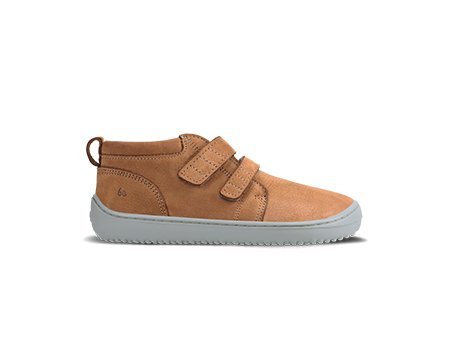
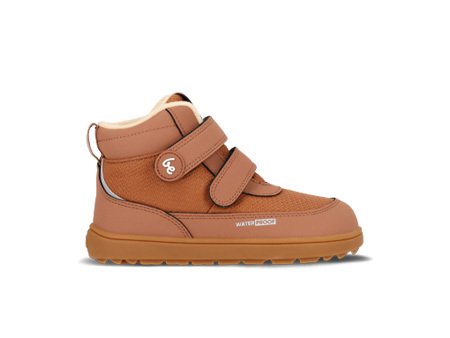
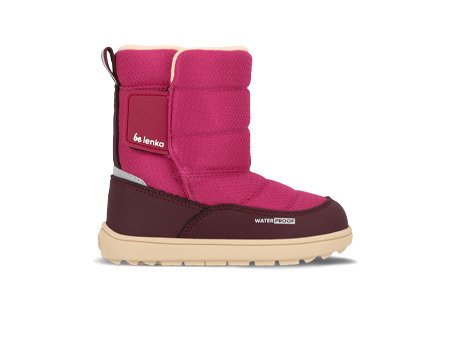


Kids' Barefoot School Shoes (74)

Bounty Junior



Luppo Junior
Elio Kids
Luppo Preschool
Elio Preschool
Elio Junior
Zippu Kids
Kids winter barefoot boots
Kids winter barefoot boots
Kids winter barefoot boots
Zippu Junior
Kids winter barefoot boots
Kids winter barefoot boots
Kids winter barefoot boots
Zippu Preschool
Kids winter barefoot boots
Kids winter barefoot boots
Kids winter barefoot boots
Customer reviews on Trustpilot
One pair for the whole school day. Easy to put on, tough enough for recess, and wide at the toes, so feet keep developing through six hours of sitting and running.
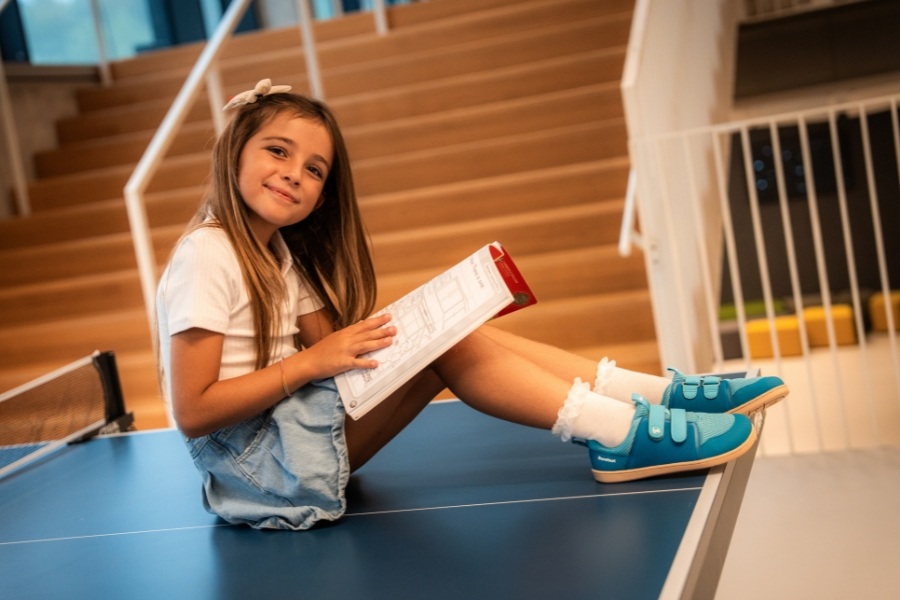
Six hours in the same shoes
School shoes are worn longer and more consistently than any other pair a child owns. Whatever shape they hold the foot in, they hold it there for most of the child’s waking week, during the years when the foot is still forming.
That is the case for room at the front. A wide toe box lets toes spread and grip through sitting, walking between classrooms, and the sprint at recess. A flexible sole lets the foot bend naturally instead of being held flat, and a light build means less fatigue by the afternoon.
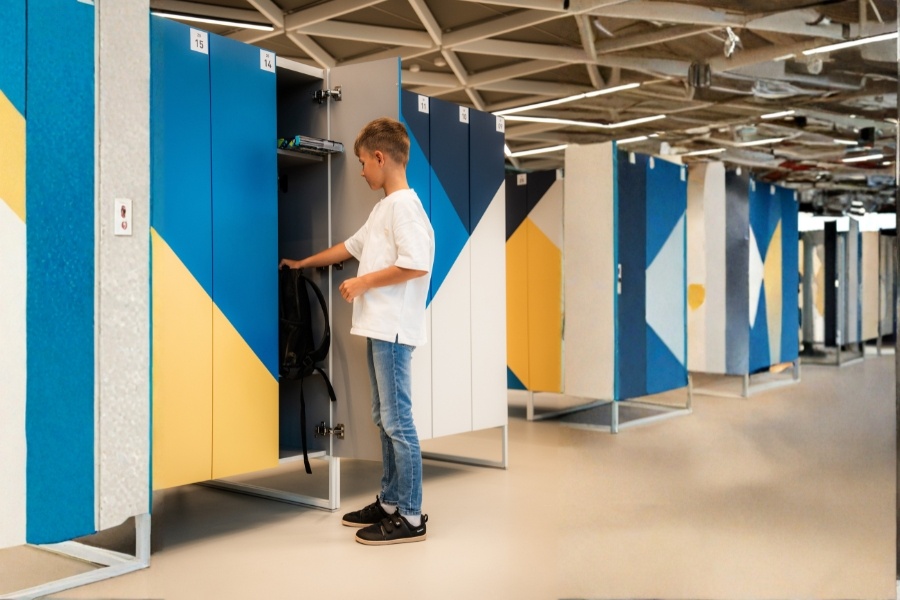
Practical for the school day
Look for a closure your child can manage alone, especially in the younger grades where shoes come off for gym and go back on in a hurry. Look for materials that clean up easily, since school shoes take a beating on blacktop. And check what your school requires — some are specific about color, others about sole marking.
For gym class, sports and PE shoes are the lighter, grippier option. For indoor requirements, see low-cut shoes.
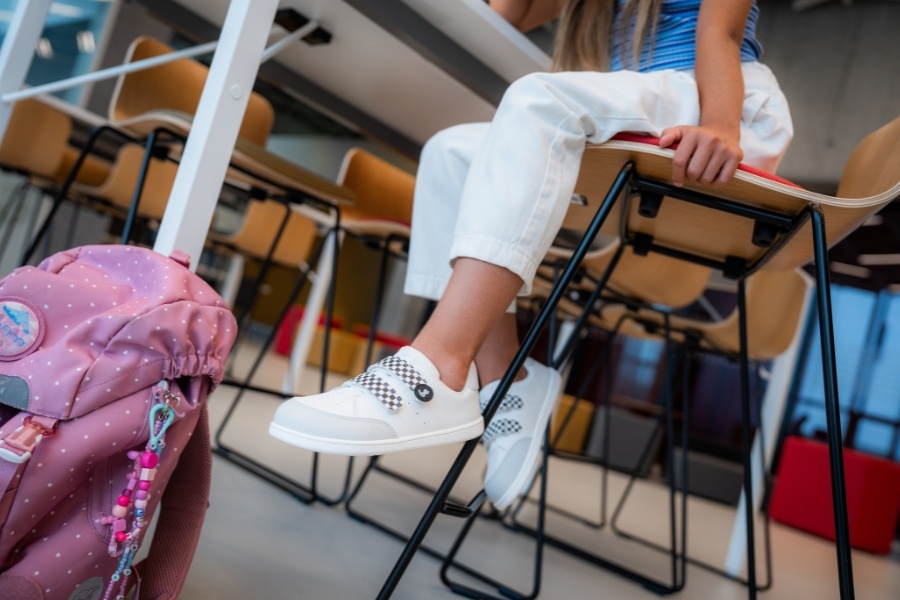
Two pairs get through the year
A single pair worn every day for a whole term will not make it comfortably. Rotating two pairs gives each a day to dry and roughly doubles how long both last, and a soaked pair on Monday does not become a problem on Tuesday.
Check the fit at the start of each term as well as mid-year. Growth spurts do not wait for the school calendar.
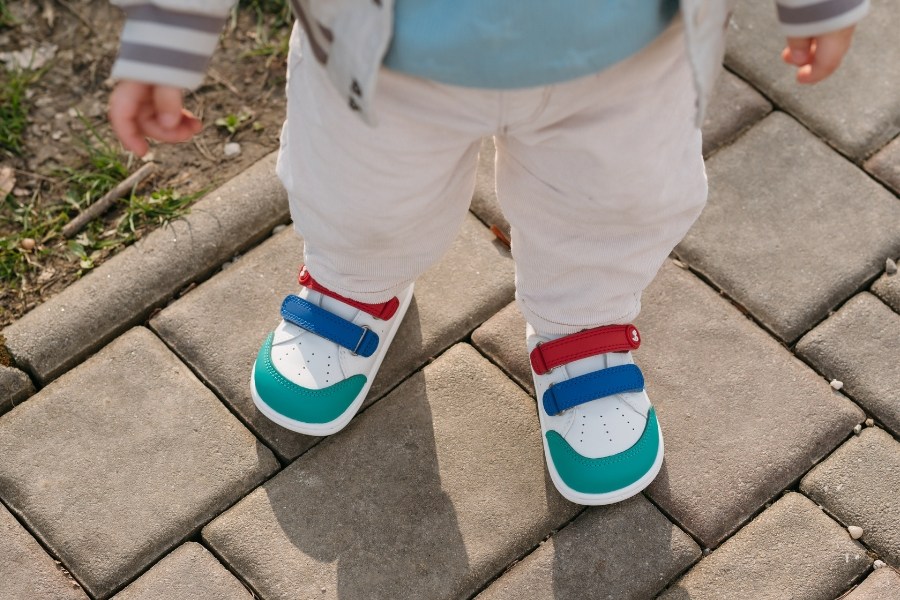
What makes a good school shoe for a growing foot?
+ -Room at the front so toes can spread, a flexible sole so the foot bends naturally, a light build, and a closure the child can manage alone. Since school shoes are worn for most of the week during the years the foot is forming, the shape they hold the foot in matters more than in any occasional pair.
How often should I replace school shoes?
+ -Check the fit every three to four months, and expect to size up at least once during a school year for younger children. Replace them sooner if the sole is worn smooth or the upper has given way — a shoe that no longer holds the foot securely is worse than one that is slightly scuffed.
Do barefoot shoes meet school dress codes?
+ -Usually, yes. Plain black and dark models look like conventional school shoes; the differences are in the last and the sole. Check your school’s specific requirements for color and sole marking, which are the two things most codes mention.
Do they need a separate pair for gym class?
+ -Many schools ask for one. A lighter shoe with a non-marking sole is the usual requirement — see sports and PE shoes. Having a second pair also means the main school shoes get a chance to dry out.