 DE / USD

 Return Status
 Order Status
 FAQ



Women's Everyday Barefoot Shoes (142)

Futura


Breeze

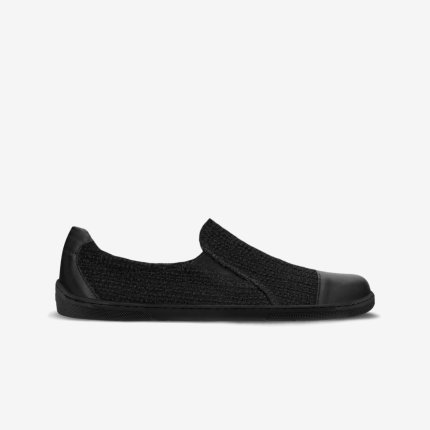
Legend
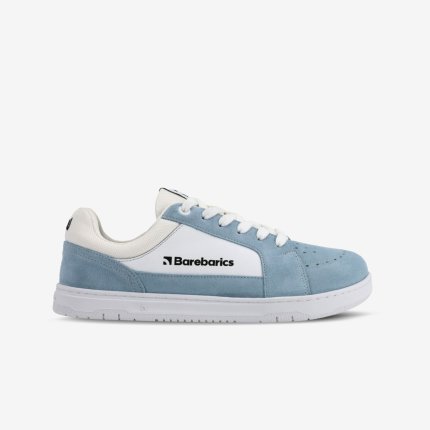
Icara
Rebound High Top
Enigma
Zing - Fresh
Evo
Allure
Elite
Zing - High Top
Rosaluna
Delight
Eazy
Promenade
Grace
Summer
Flexi
You know good shoes because you stop thinking about them. Light, roomy in the toes and flexible underfoot — for school runs, errands and long days on your feet.
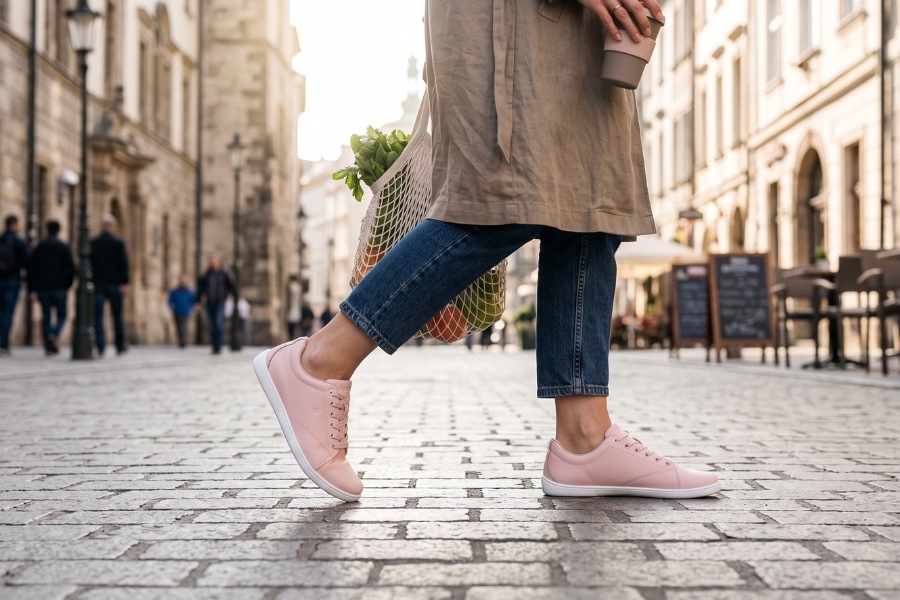
What makes a shoe work for a whole day
Three things, and they are the same three every time. Room at the front, so your toes are not pressed together after hour six. A flexible sole, so your foot bends where it naturally bends. And a level heel-to-toe profile, so your weight sits where your body expects it rather than being tipped forward.
Add a light build and breathable materials, and you have a shoe that stops asking for attention. That is the real test: not how it feels in the first ten minutes, but whether you think about it at all by the afternoon.
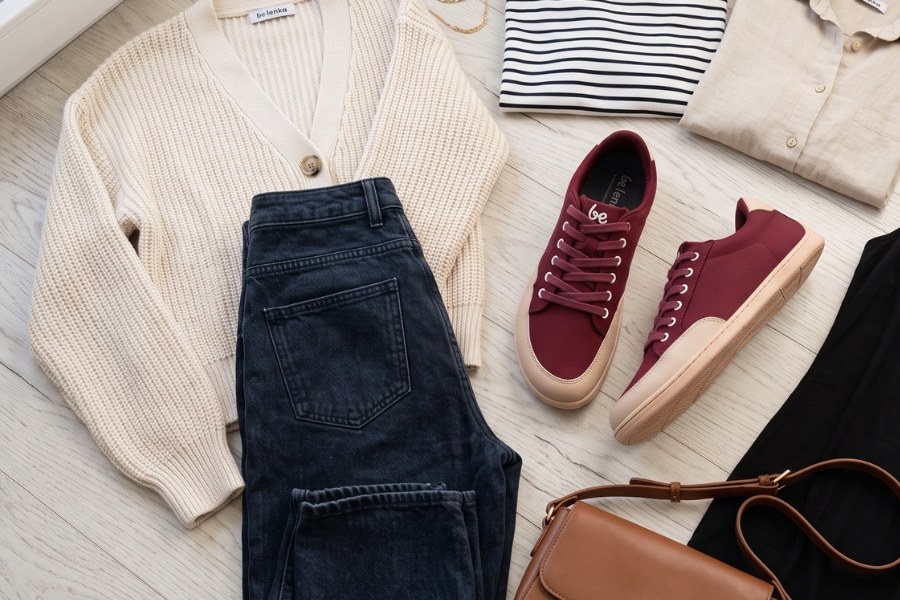
Pick by the shape of your week
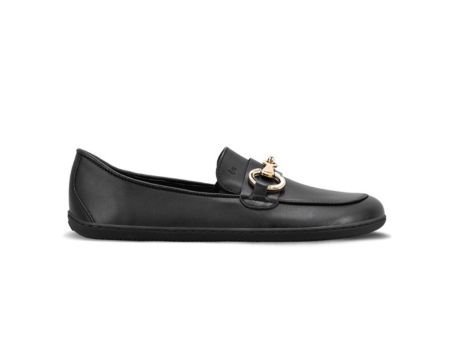
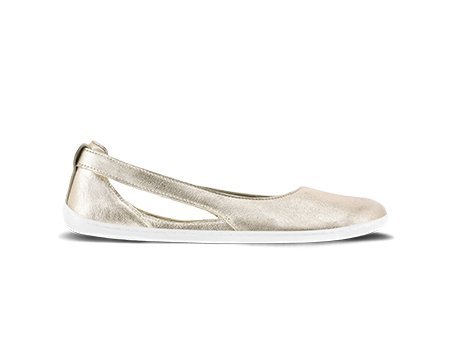
Most days call for something simple, and sneakers are the default — easy to style, light and ready for a lot of walking. On rushed mornings, slip-ons get you out the door in seconds. For a dressier day, loafers and ballet flats keep the same comfort in a smarter shape.
Work with a dress code has its own answer in work and office shoes. When the seasons turn, fall and winter models carry the same principles into colder weather.
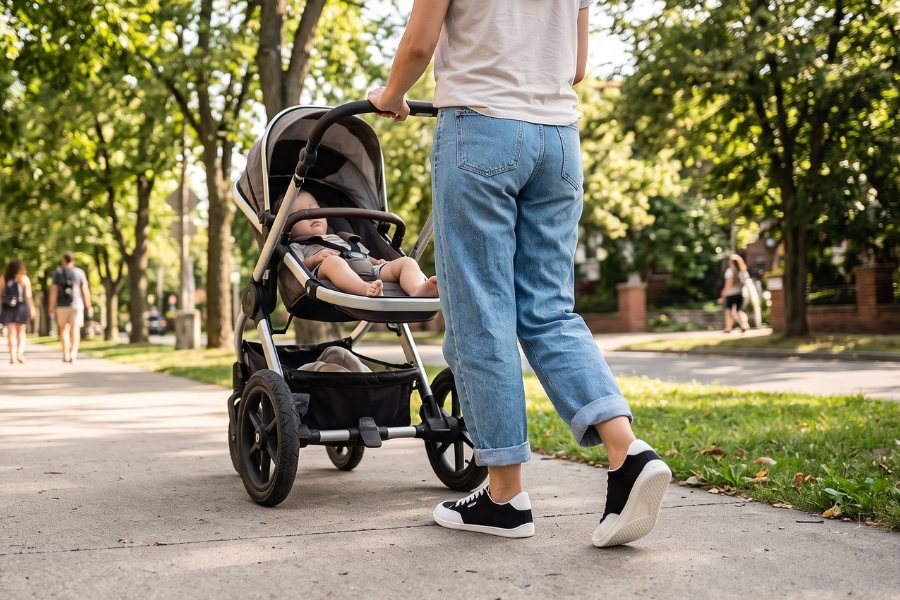
Built to take the mileage
Everyday shoes get used harder than anything else in a closet. Be Lenka develops its own sole compounds and tests every model over thousands of steps before it goes on sale, and materials are chosen for how they breathe, wear and hold their shape over a season. Rebound, Echo, Core and Cityscape sit at the everyday center of the range.
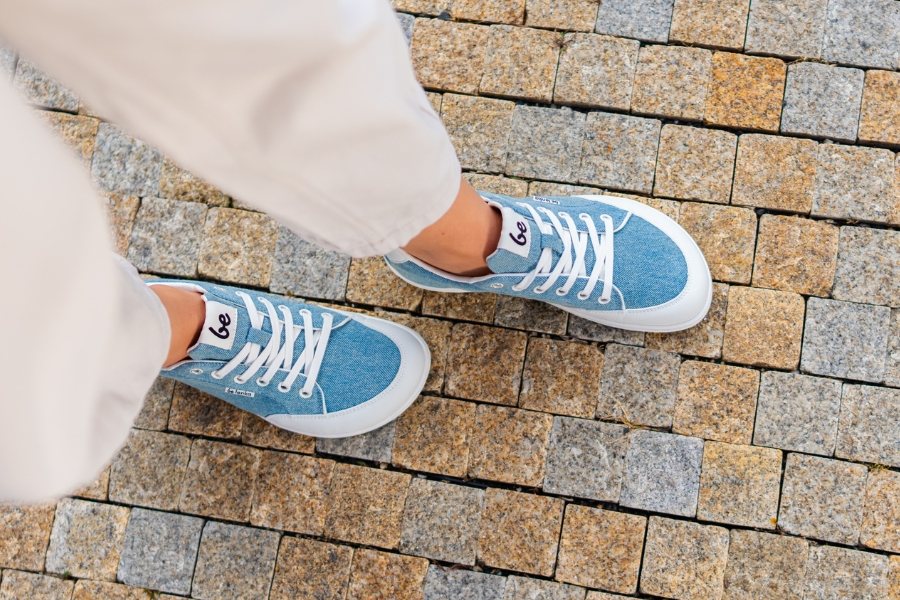
A second pair helps more than you think
Shoes last noticeably longer when they get a day to dry out between wears, and a seasonal pair for rain or cold means you are never caught out. Many women settle on an everyday sneaker, something dressier for work and one weather pair.
Are barefoot shoes good for walking all day?
+ -They are made for it, once your feet have adapted. Room at the toes, a sole that bends with your foot and a level profile mean your foot keeps working naturally instead of being held in one position, and most women find their feet feel less tired by evening. If you are new to barefoot shoes, build up your daily wear over a few weeks.
How long does it take to get used to them?
+ -Usually a few weeks, sometimes a couple of months, depending on how much walking you do and what you wore before. The adjustment is bigger if you have worn heels regularly. Start with an hour or two a day, alternate with your old shoes and add time gradually. Mild calf or arch soreness at the start is normal; sharp or persistent pain means slow down.
Are they comfortable for standing on hard floors?
+ -Many women find them better than cushioned shoes, because a flexible sole lets the foot keep making small adjustments instead of staying locked in one shape. Room at the front helps too, since standing still is when compressed toes become obvious. On concrete, a slightly thicker everyday model or a thin insole adds comfort without changing the fit.
How many pairs do I need?
+ -One good everyday pair covers most of the week. A second helps more than you would think, since shoes last longer when they dry out between wears, and a seasonal pair means rain or cold never catches you out.