 DE / USD

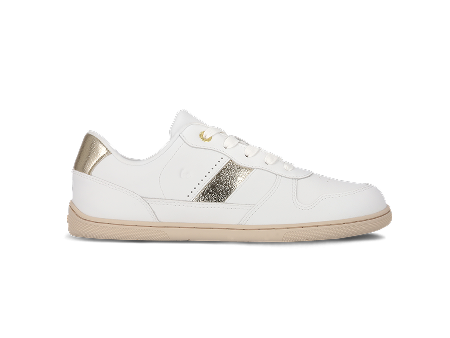
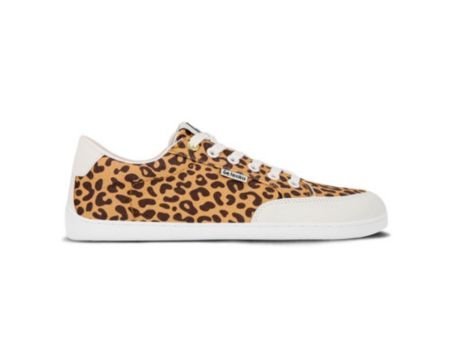
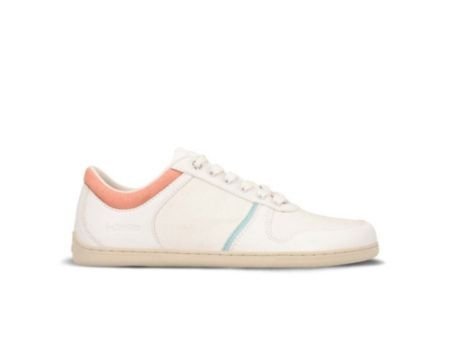
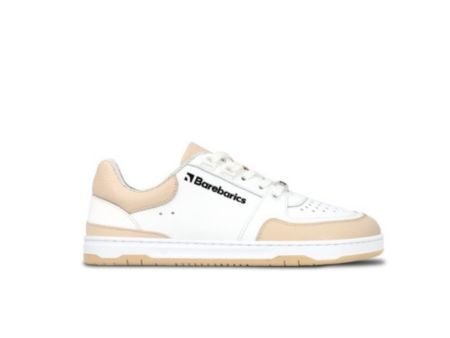
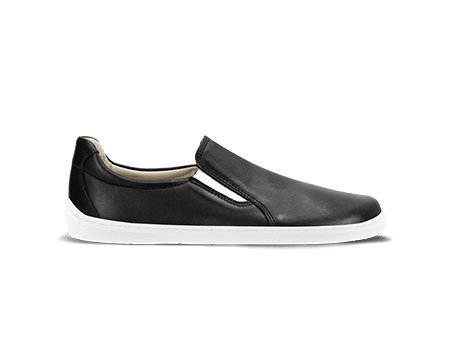
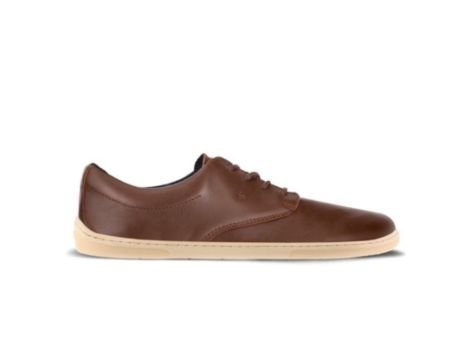
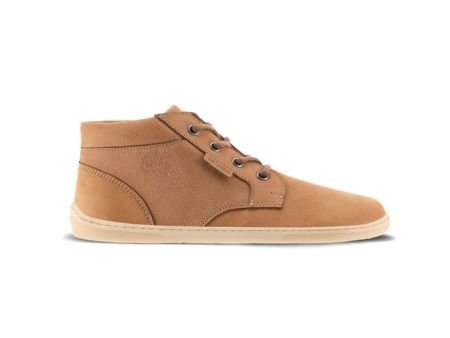
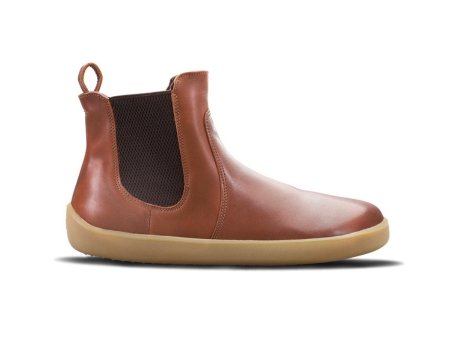
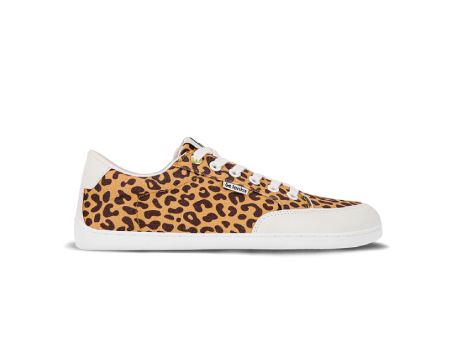
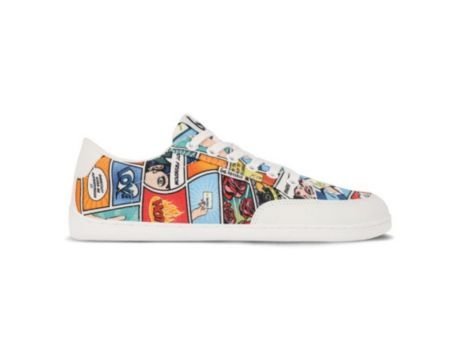
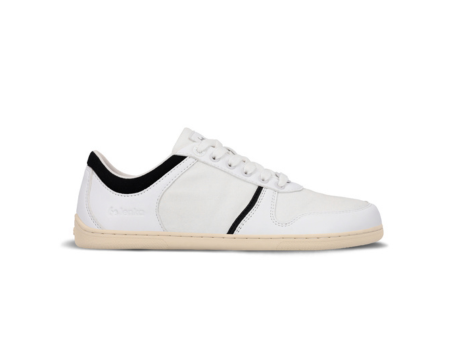
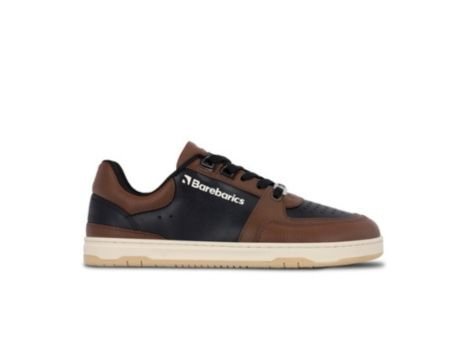
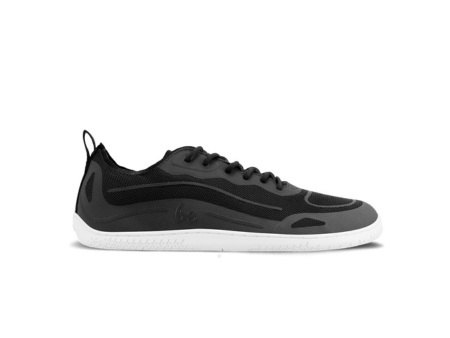
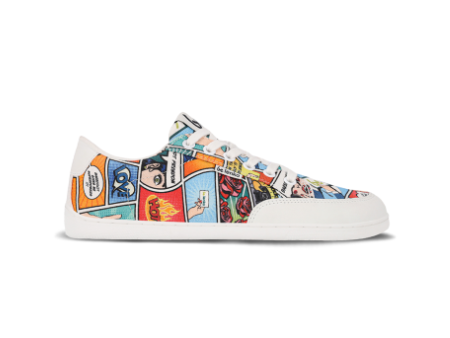
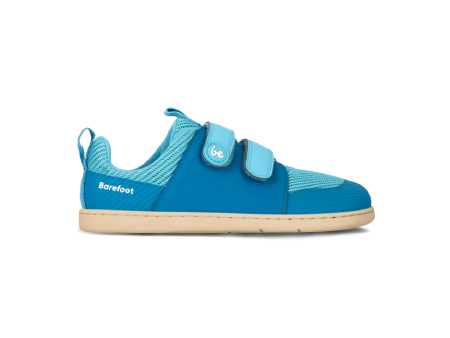
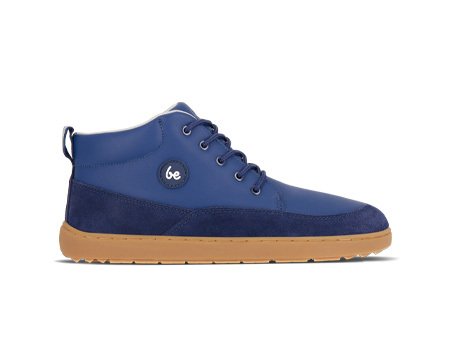


Everyday Barefoot Shoes (145)
Icara



Rebound High Top
Barefoot Sneakers
Enigma
Zing - Fresh
Evo
Zing Frost
Atlas
Olivia
Barefoot Boots
Allure
Elite
Rosaluna
Amadeus
Delight
Promenade
Grace
Summer
Flexi
One pair, one whole day. Everyday barefoot shoes are the ones you put on in the morning and forget about until you take them off — through the commute, the errands, the standing around and the evening walk.
What makes a shoe good for all-day wear?
Three things, and they are the same three every time. Room at the front, so your toes are not pressed together after hour six. A flexible sole, so your foot bends where it naturally bends instead of being held flat. And a level heel-to-toe profile, so your weight sits where your body expects it rather than being tipped forward. Add a light build and breathable materials, and you have a shoe that stops asking for your attention. That is the real test of everyday footwear: not how it feels in the first ten minutes, but whether you think about it at all by the afternoon.
Pick by the shape of your week
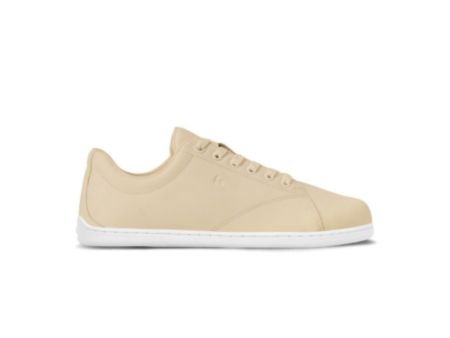
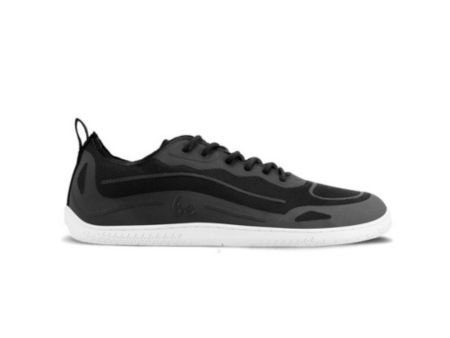
Most days call for something simple. Barefoot sneakers are the default: easy to style, light on the foot and ready for a lot of walking. If your mornings are rushed, barefoot slip-on shoes get you out the door in seconds. For a dressier day, barefoot loafers and barefoot ballet flats keep the same comfort in a smarter shape. Work days with a dress code have their own answer in barefoot shoes for work. And when the seasons turn, fall and winter barefoot shoes carry the same principles into colder weather.
Comfort that holds up mile after mile
Walking shoes get used harder than almost anything else in a closet. That is why Be Lenka develops its own sole compounds and tests every model over thousands of steps before it goes on sale. Materials are chosen for how they breathe, how they wear and how they hold their shape after a long season, not just for how they photograph. Models like Rebound, Echo, Core and Cityscape sit at the everyday center of the range. For the whole family, see women’s everyday barefoot shoes, men’s everyday barefoot shoes and kids’ everyday barefoot shoes.
Standing all day is its own challenge
If your work keeps you on your feet — a shop floor, a classroom, a hospital shift — your feet fatigue differently than they do from walking. Space at the front matters most here, because standing still is where cramped toes make themselves known. A flexible sole helps too, since small shifts in weight keep the foot muscles moving instead of locked. Give yourself time to adapt. If you are coming from cushioned shoes, alternate pairs for the first few weeks rather than switching over in one go.
Are barefoot shoes good for walking all day?
+ -They are made for it, once your feet have adapted. Room at the toes, a sole that bends with your foot and a level profile mean your foot keeps working naturally instead of being held in one position. Most people find their feet feel less tired by evening, not more. The exception is the transition period: if you are new to barefoot shoes, build up your daily wear over a few weeks rather than starting with a twelve-hour day.
Are barefoot shoes good for standing on hard floors?
+ -Many people find them better than cushioned shoes, because a flexible sole lets the foot keep making small adjustments instead of staying locked in one shape. Room at the front helps too, since standing is when compressed toes become obvious. If you stand on concrete for long shifts, a slightly thicker everyday model or a thin insole can add a little comfort without giving up the fit.
How long does it take to get used to barefoot shoes?
+ -Usually a few weeks, sometimes a couple of months, depending on how much walking you do and what you were wearing before. Start with an hour or two a day, alternate with your old shoes, and add time as your feet feel ready. Mild calf or arch soreness at the start is normal — muscles are being asked to work again. Sharp or persistent pain is a sign to slow down.
How many pairs do I actually need?
+ -One good everyday pair covers most of the week. A second pair helps more than you would think, though: shoes last noticeably longer when they get a day to dry out between wears, and a seasonal pair for rain or cold means you are never caught out. Many people settle on an everyday sneaker, something dressier for work and one weather pair.