 DE / USD

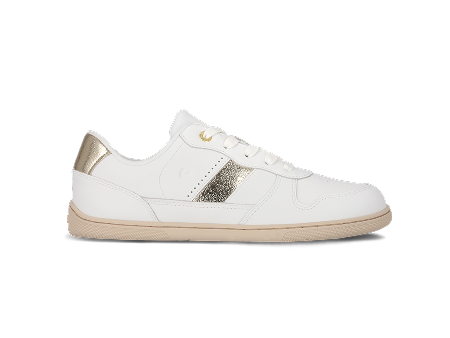
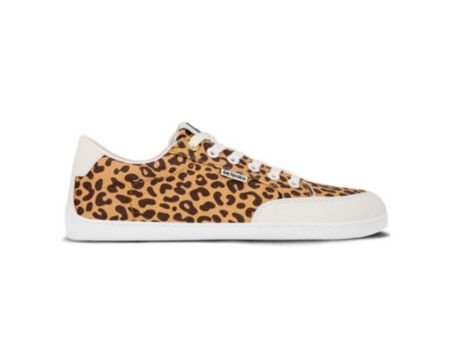
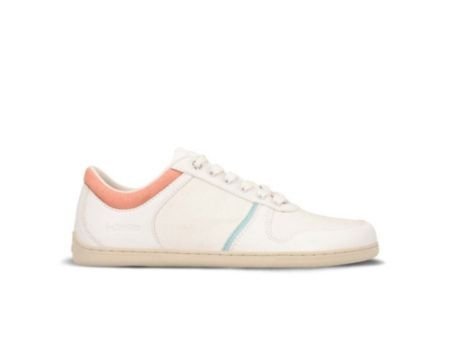
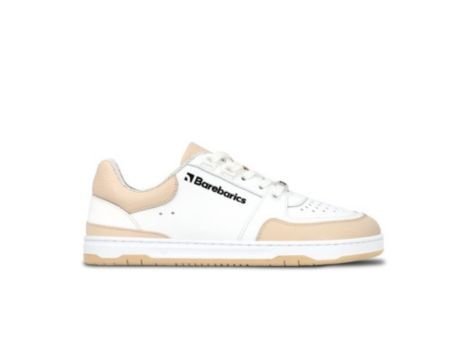
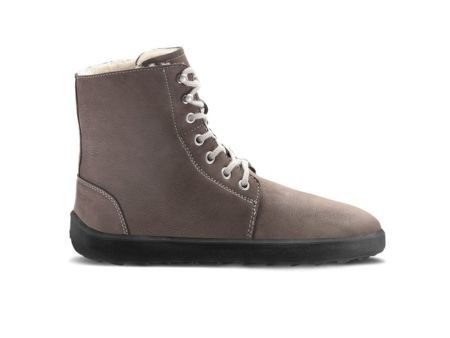
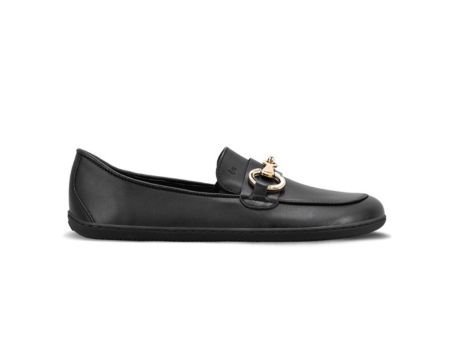
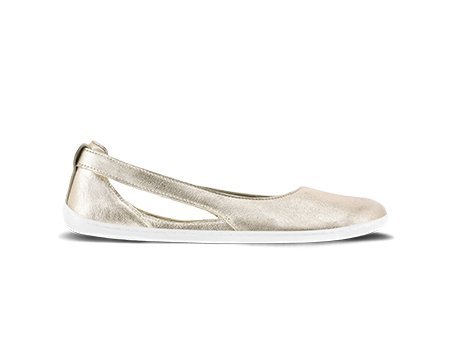
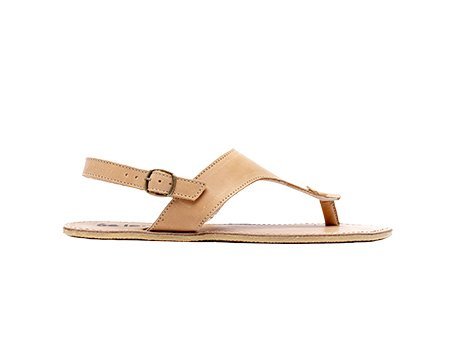
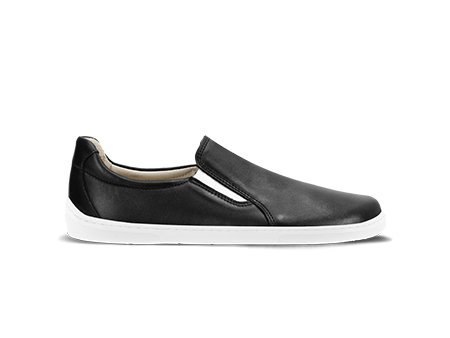
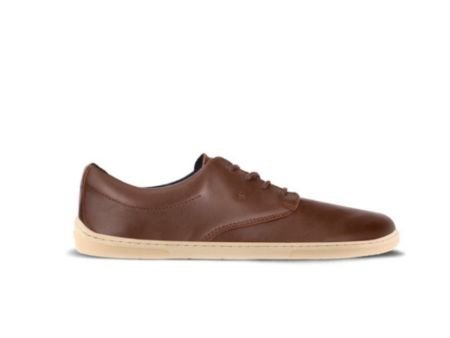
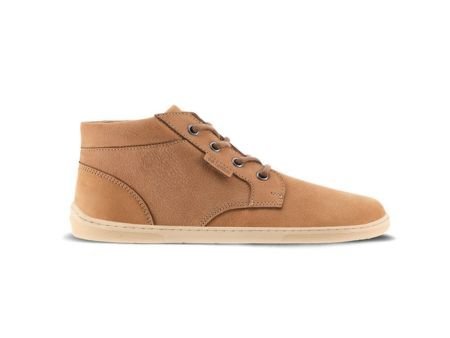
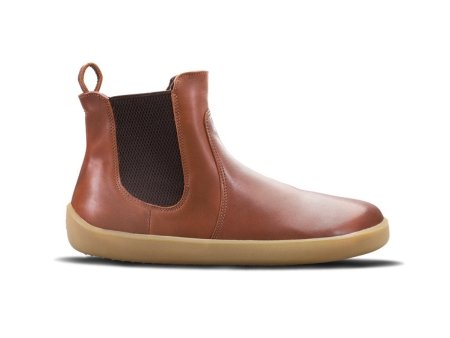
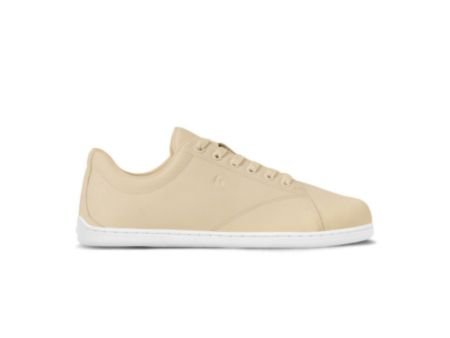
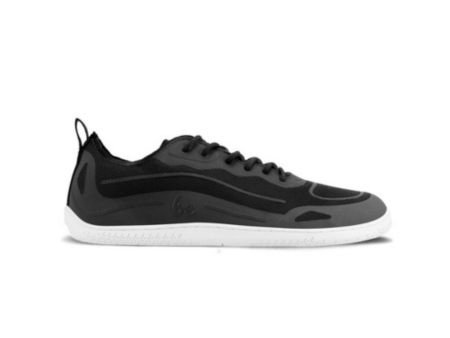
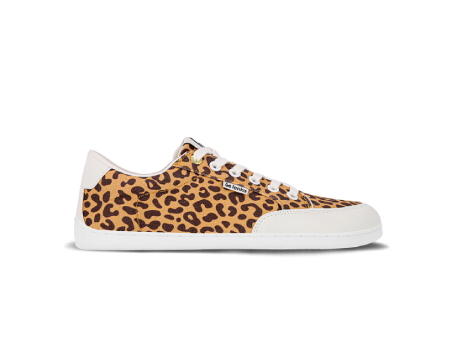
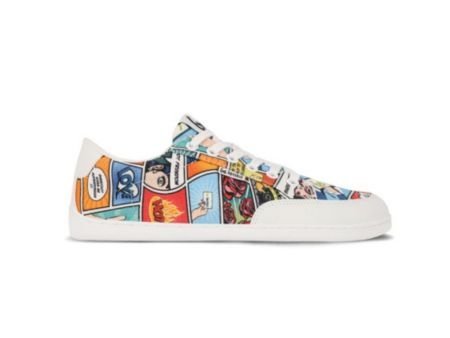
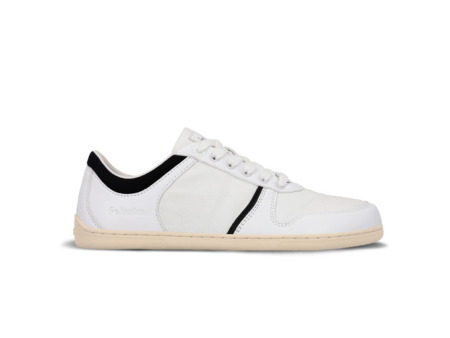
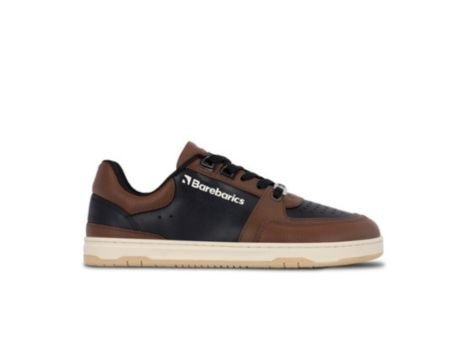
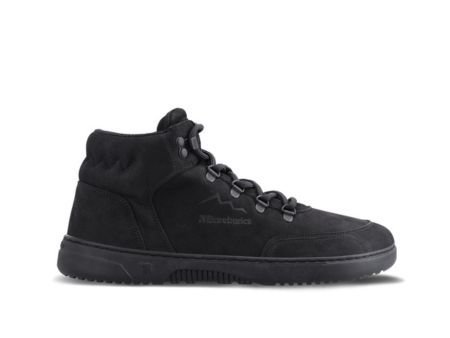
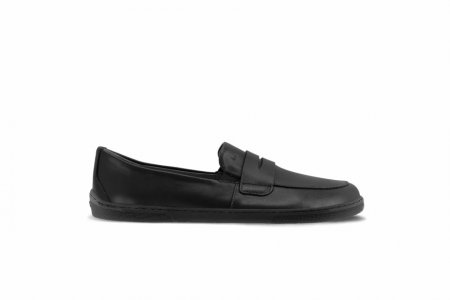
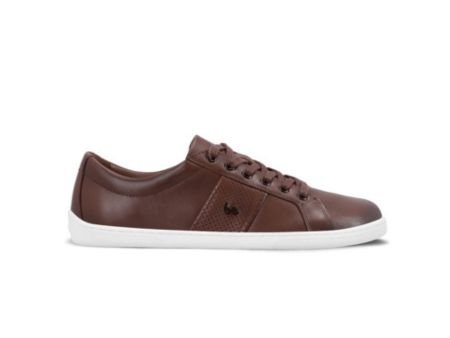
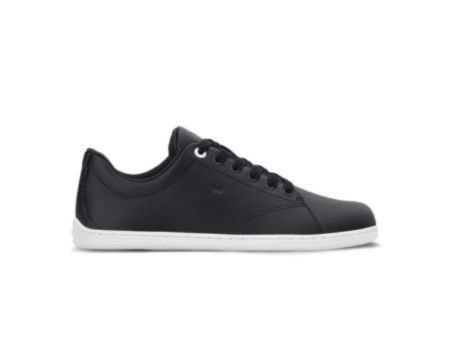
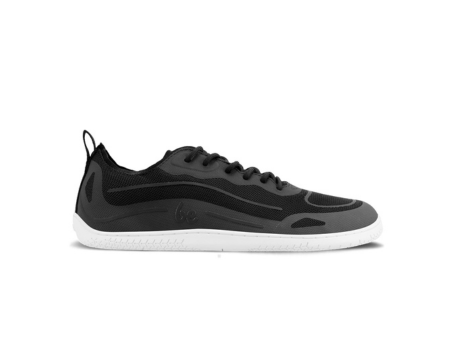
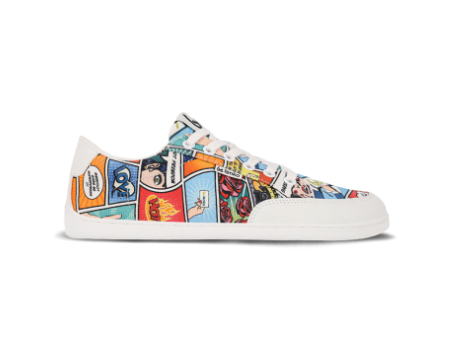
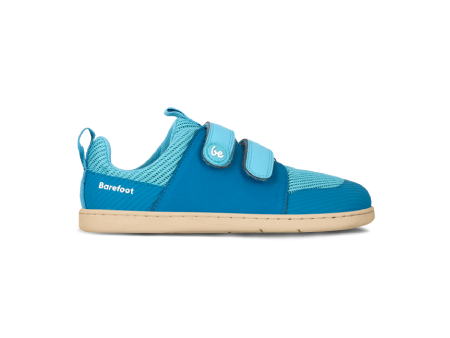
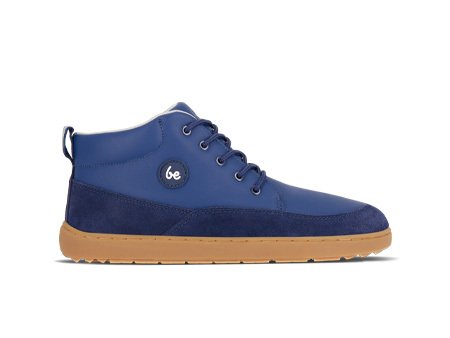
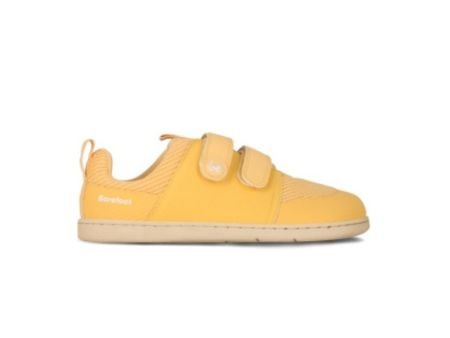
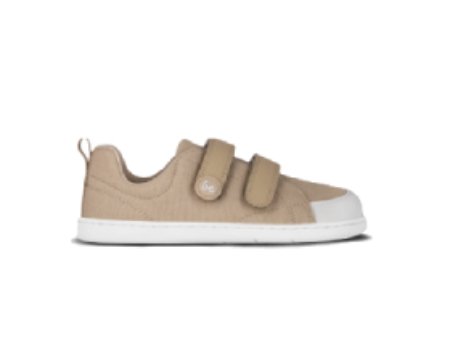
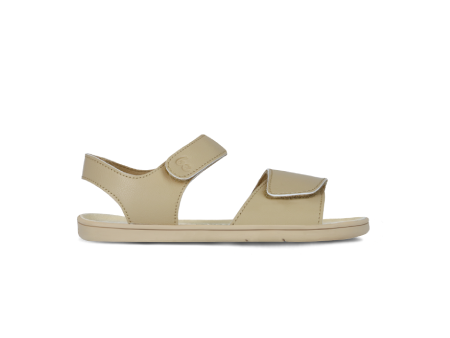


Kids' Low-Cut Barefoot Shoes (56)

Bounty Junior


Joy

Luppo Junior
Luppo Preschool
Customer reviews on Trustpilot
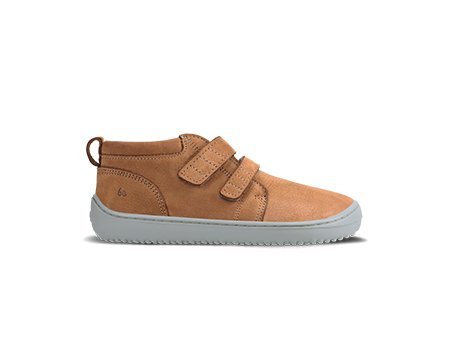
Closed shoes that sit below the ankle, for mild days and indoor-outdoor school routines. Wide at the toes, flexible underfoot and easy for a child to put on alone.
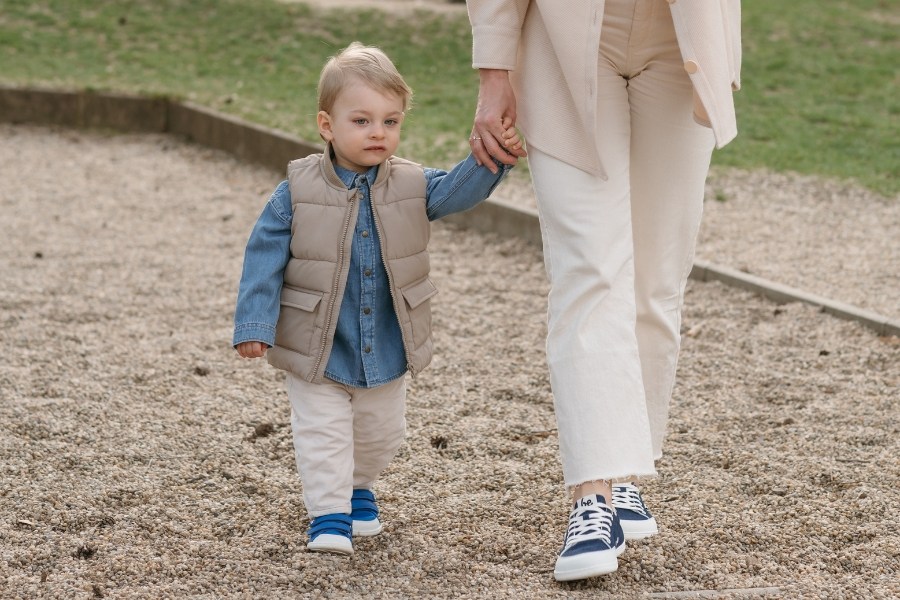
The most versatile cut in a child’s closet
Below the ankle means light, easy to get on and cool enough to wear indoors without overheating. It covers most of the year in most places: spring, fall and the warmer parts of winter, plus the endless in-and-out of a school or preschool day.
The barefoot build is what makes it work for growing feet. A wide toe box lets toes spread, a flexible sole lets the foot bend at every step, and the light construction means nothing is being dragged around by a child who weighs forty pounds.
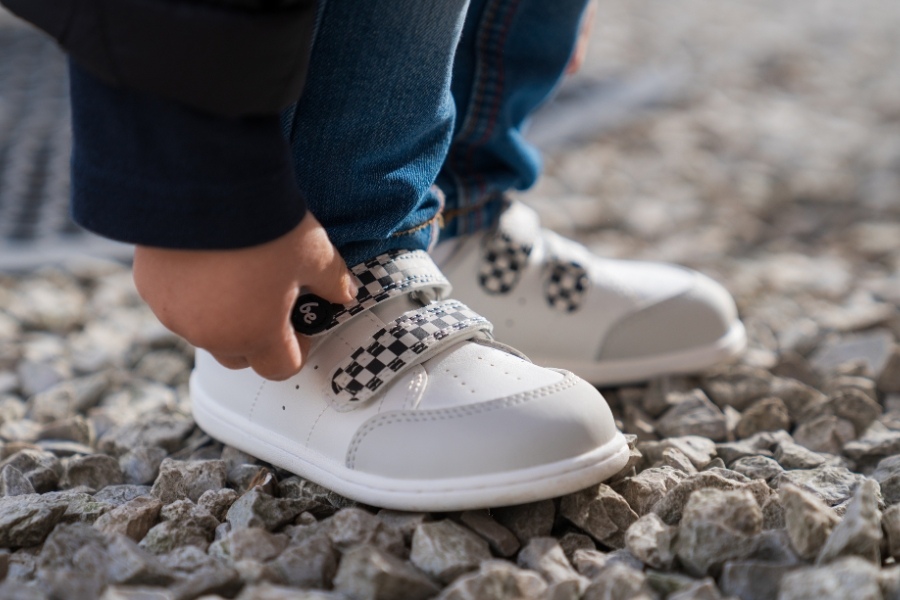
Easy for a child to manage
Low-cut shoes are usually the first pair a child can put on entirely alone, because there is no shaft to negotiate. Hook-and-loop straps and elastic closures make it faster still, which matters most on the mornings you are already late.
For an even quicker option, see slip-on sneakers. For a full school day, school shoes and preschool shoes are chosen with that routine in mind.
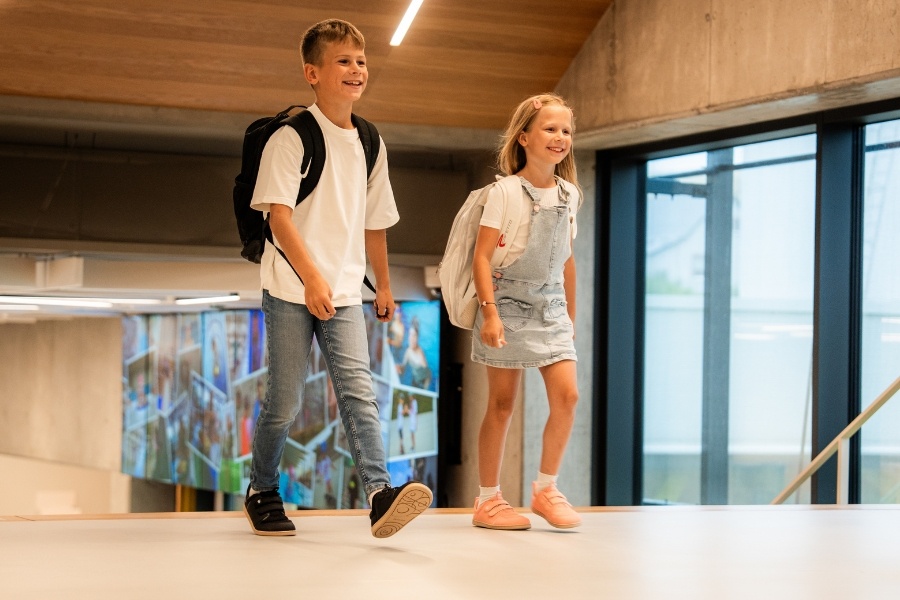
Where they fit the year
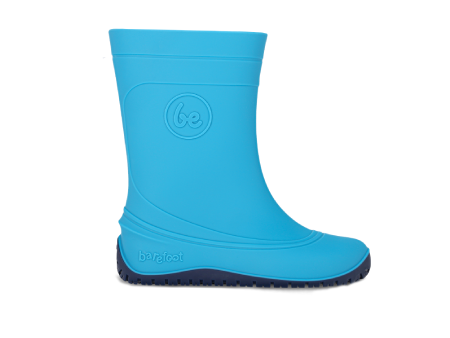
Mild and dry days, indoor wear, and the shoulder seasons. When it gets wet, rain boots and fall shoes do better. When it gets cold, winter shoes and snow boots take over. For the hottest weeks, sandals and summer shoes.
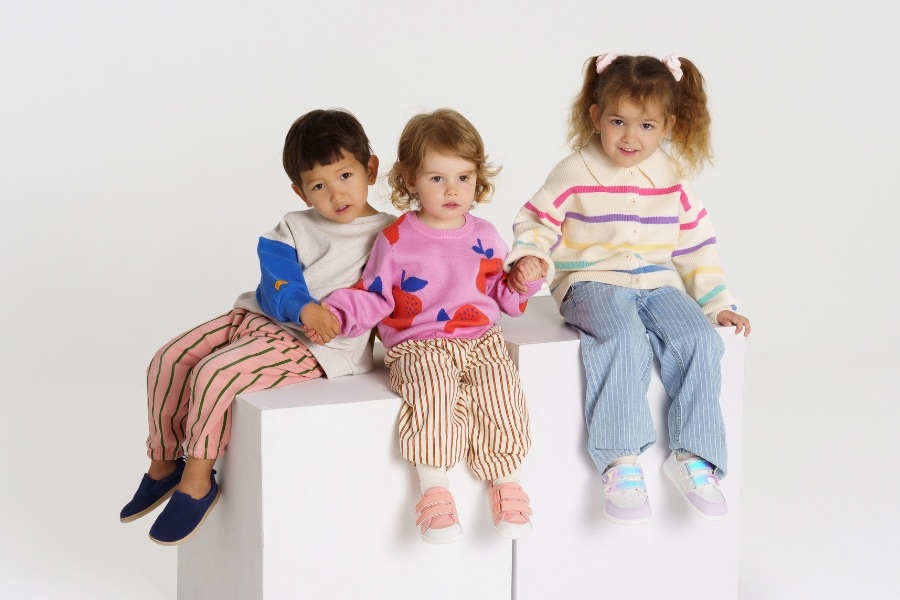
What is the difference between low-cut shoes and sneakers?
+ -Low-cut describes the height of the collar — below the ankle — rather than the style, so the category includes sneakers as well as simpler closed shoes. If you want a specifically sporty look, see kids’ sneakers.
Are low-cut shoes suitable for winter?
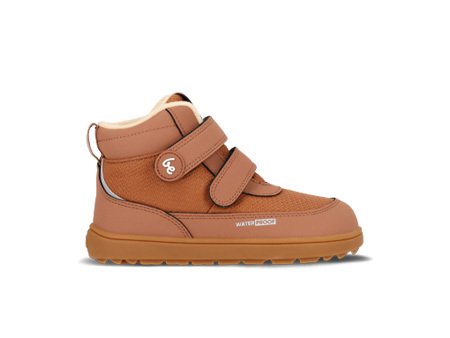
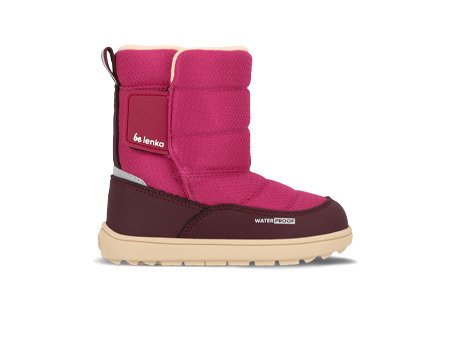
+ -For mild winter days and indoor wear, yes, particularly with a thicker sock. For frost, snow and long walks in cold weather, an insulated option from winter shoes or snow boots is the right choice.
Can they be used as indoor shoes at school?
+ -Often, yes — many schools and preschools accept a light closed shoe as an indoor pair, and low-cut models are easy for a child to change into. Check what your school requires.
How much growing room should I leave?
+ -Roughly 0.4 to 0.5 inches (10–12 mm) beyond the longest toe, measured on the longer foot. Check again every two to three months for toddlers and every three to four for older children.