 DE / USD

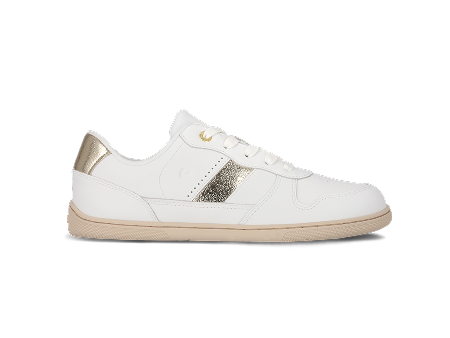
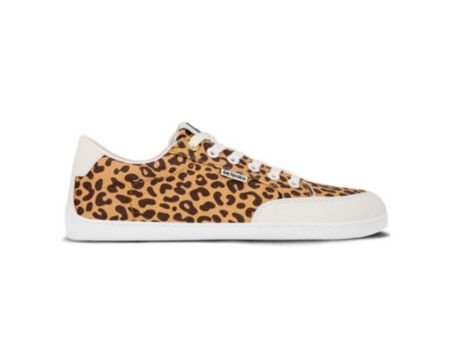
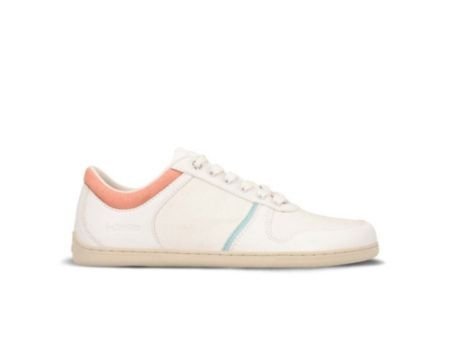
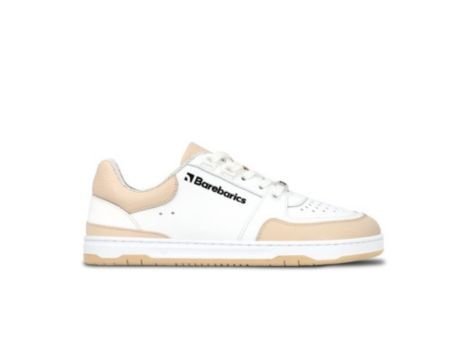
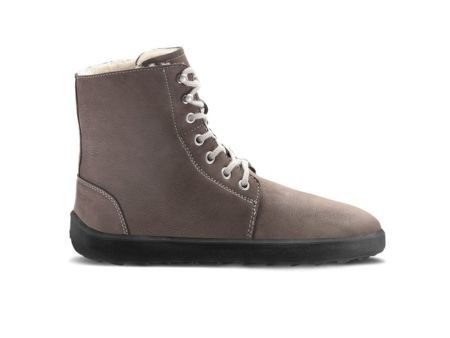
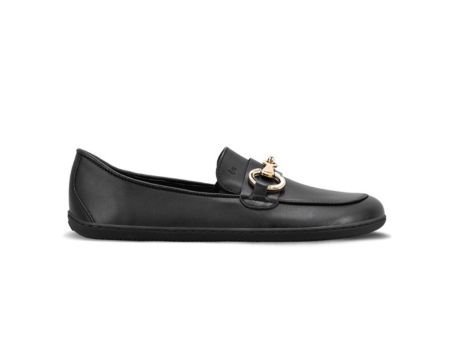
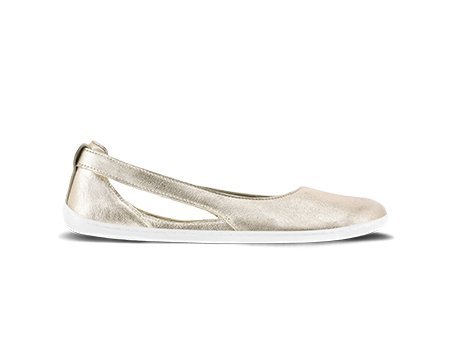
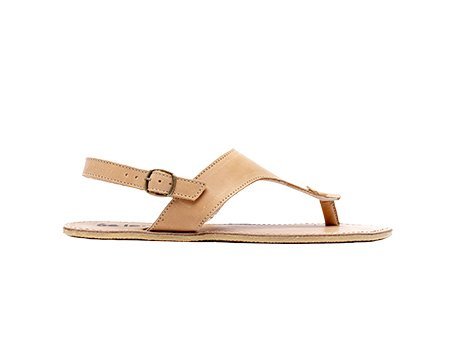
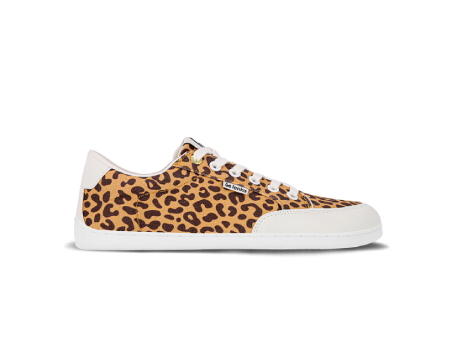
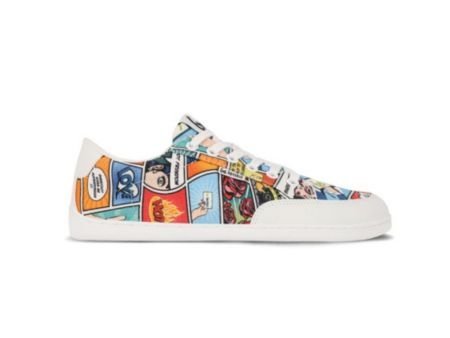
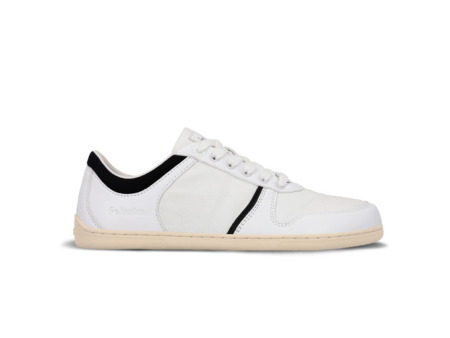
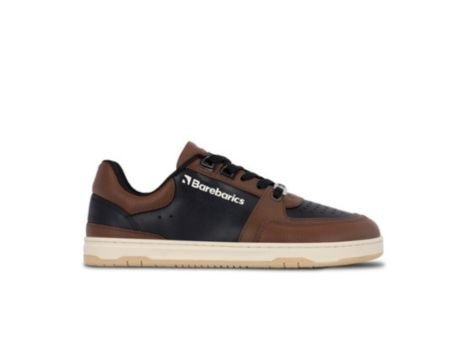
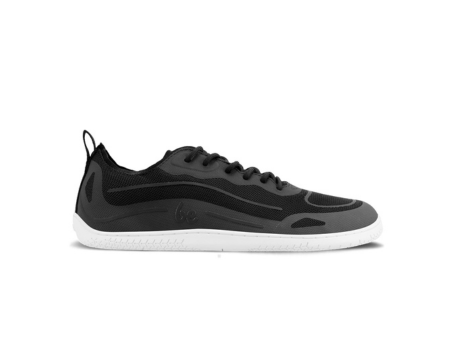
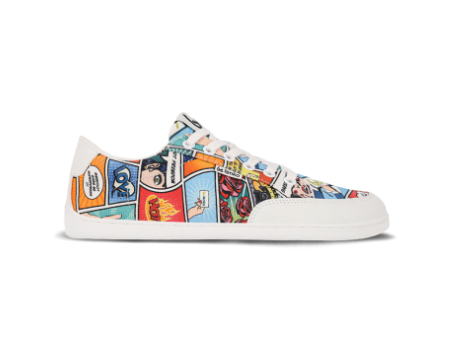
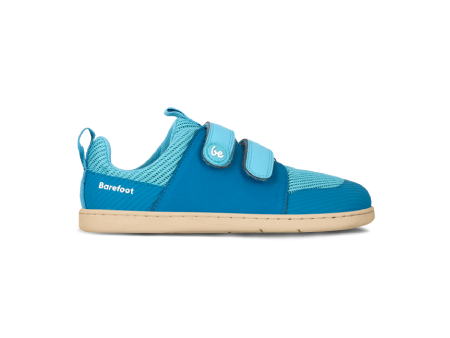
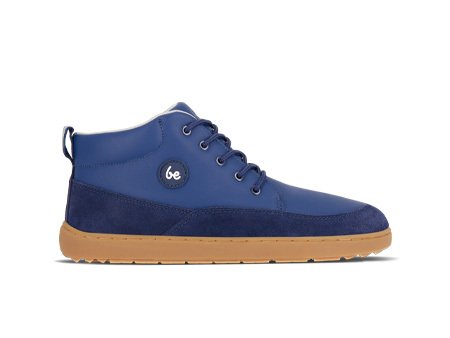


Men's Barefoot Shoes (140)


Enigma



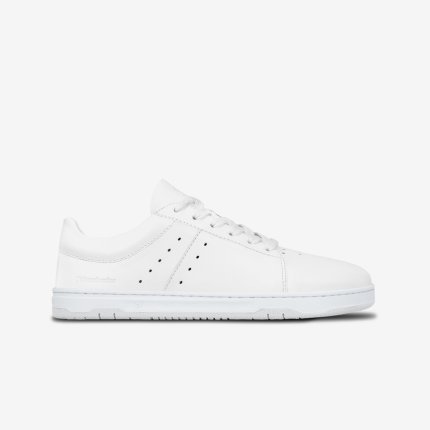
Zing - Fresh
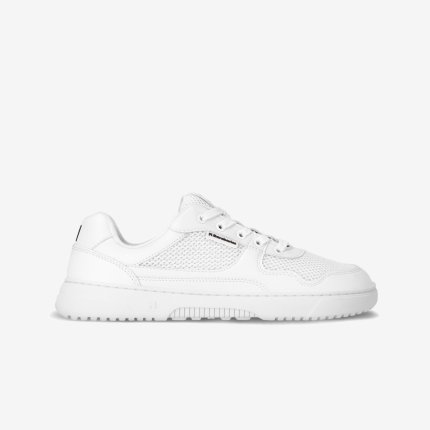
Evo
ArcticEdge
Zing Frost
Winter
Winter Barefoot Boots
Winter Barefoot Boots
Winter Barefoot Boots
Winter Barefoot Boots
Rebound Thermo
UrbanEdge
Atlas
Allure
Phoenix
Elite
Portsiders
Swift
Amadeus
Customer reviews on Trustpilot
Shoes built around the shape of a real foot. A wide toe box, a flexible sole and zero drop, across sneakers, sandals, hiking shoes, boots and loafers.
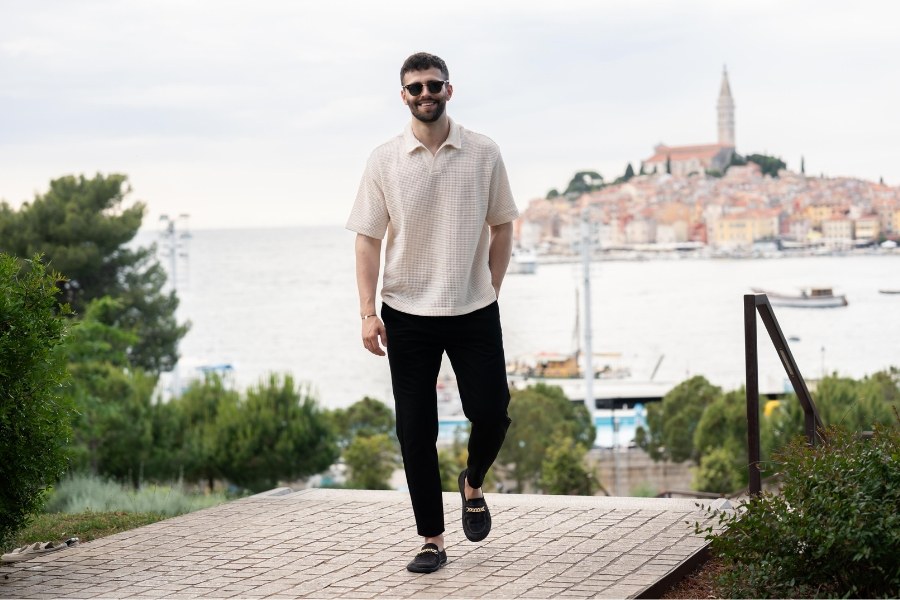
Most men’s shoes are narrower than the feet in them
Standard lasts taper toward the front, whatever the size on the box. Go up a size to get width and the shoe becomes too long; stay true to length and your toes get pushed together. Anyone who has ever bought an EE width because a D never fit knows the trade-off.
Barefoot shoes solve it from the other end. The last is widest where your toes are, the sole bends where your foot bends, and the heel sits level with the forefoot. Your foot is not asked to fit the shoe — the shoe is built around the foot.

One pair for each part of your week
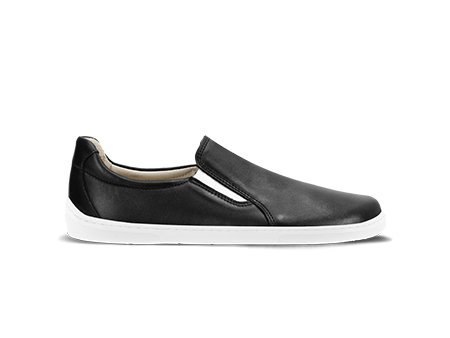
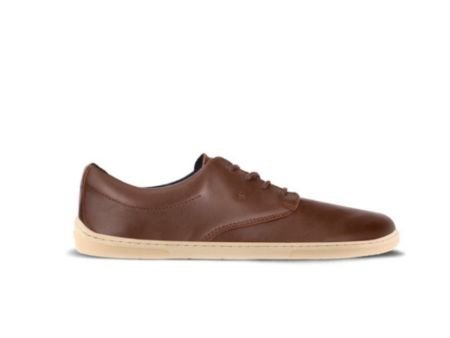
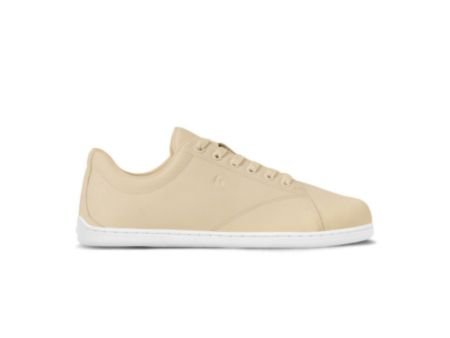
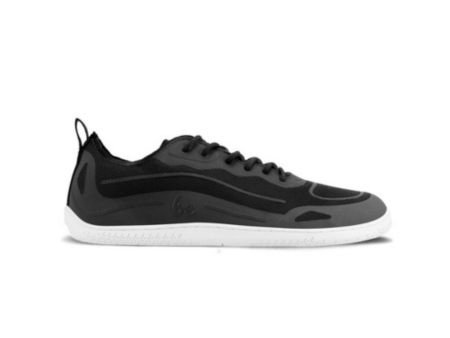
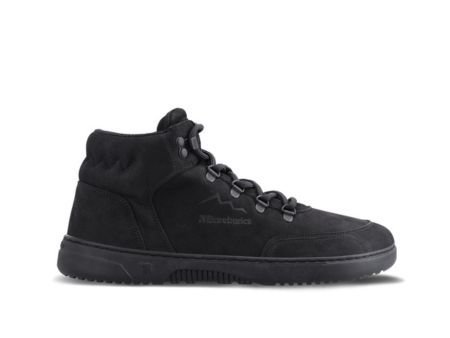
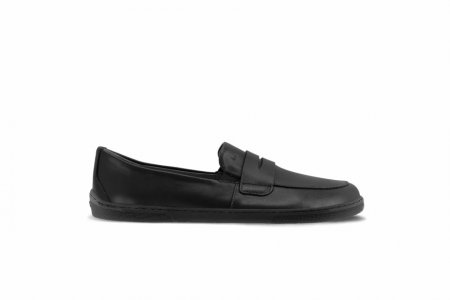
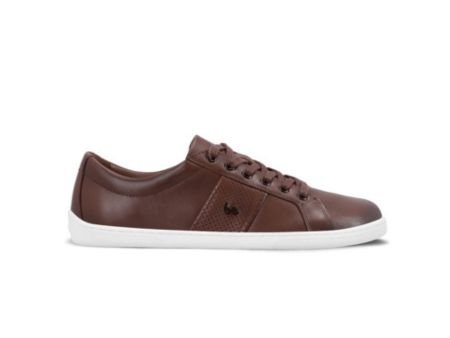
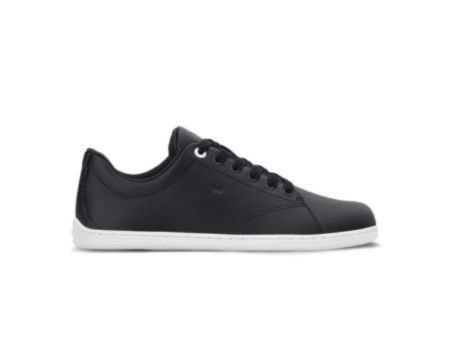
Men’s barefoot sneakers are where most men start, and they cover the commute, errands and the weekend. For the office, dress shoes and loafers keep the leather and the clean line. On rushed mornings, slip-on shoes need no laces at all.
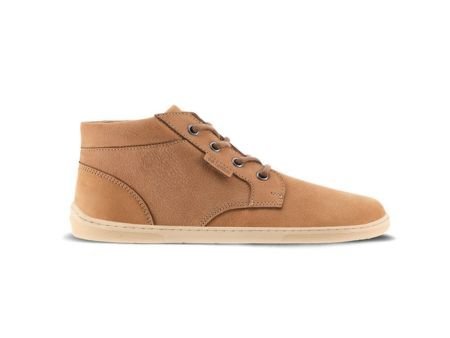
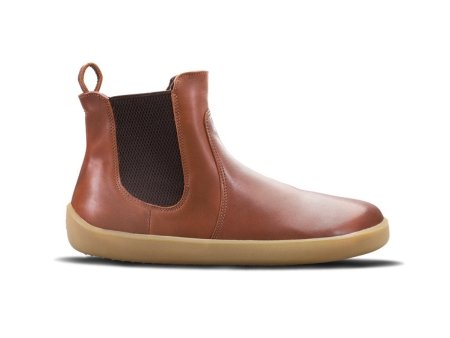
The seasons are covered: sandals and summer shoes in heat, fall shoes for rain, winter boots for cold. For trails, hiking shoes; for the gym, training shoes; for after, recovery shoes.
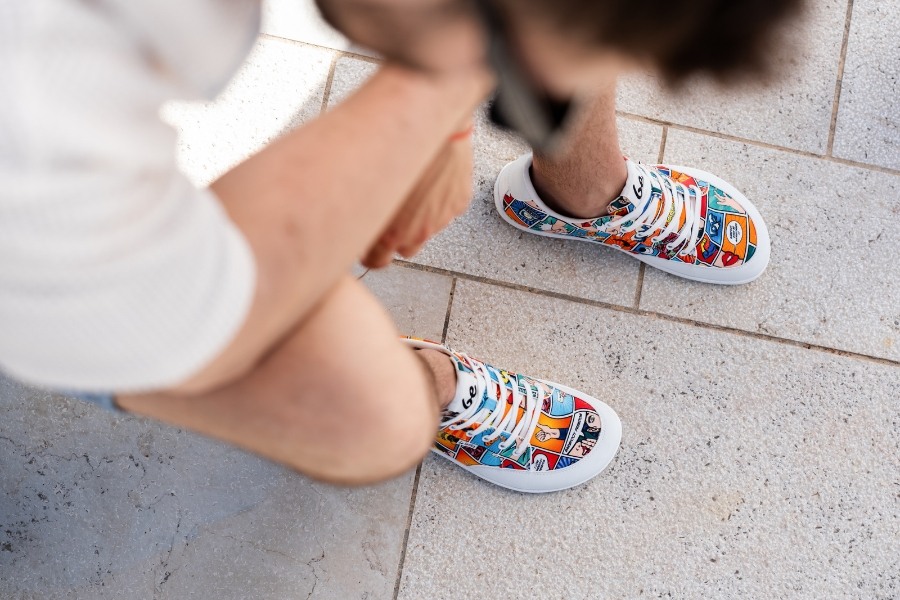
Why men switch
Three reasons come up again and again. Wide feet that never fit conventional shoes properly. Lifting, where a thin flat sole and a foot that can splay make a real difference under a bar. And long days on your feet, where a narrow toe box is what you notice at hour eight.
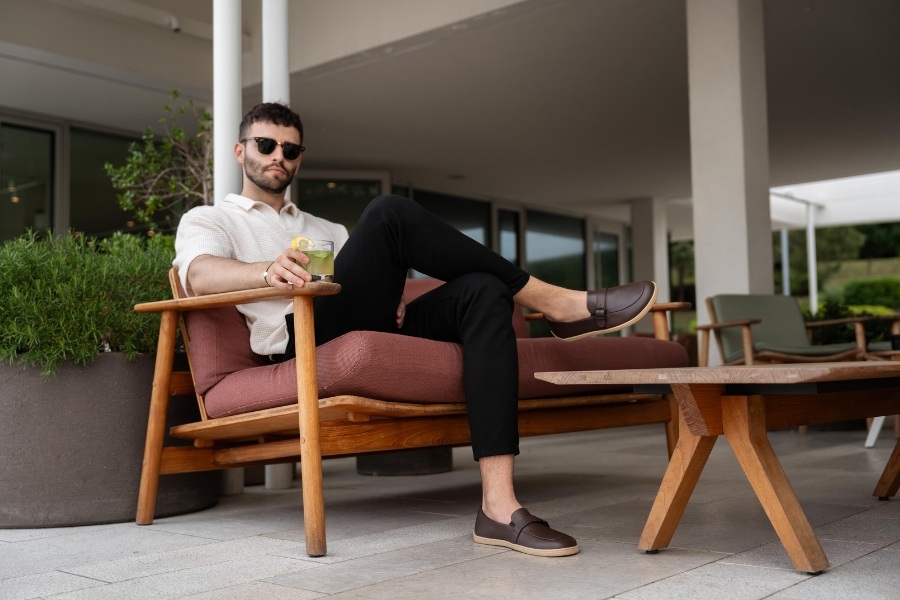
None of those require a change in how you dress. A minimalist sneaker or a leather loafer looks like a sneaker or a loafer — the difference is the last and the sole.
Expect a transition
If you have spent decades in cushioned, tapered shoes, your feet will need a few weeks. Small muscles in the foot and lower leg have to start working again, and calves adapted to a raised heel need to lengthen. Start with an hour or two a day, alternate with your old shoes, and build up. Mild soreness early on is normal; sharp pain means back off.
Are barefoot shoes good for wide feet?
+ -That is the most common reason men try them. The toe box follows the natural spread of the toes rather than tapering, so you get width where you actually need it instead of buying a longer shoe to find it. Many men who wore EE widths in conventional shoes find a standard barefoot size fits properly once they measure.
What size should I order?
+ -Measure the length and width of your foot and compare both with the size chart for the specific model. Your usual US size is not a reliable guide, since every brand measures differently and barefoot shoes are meant to fit with more room at the front. If you are between two sizes, take the larger one.
How long does it take to adapt?
+ -Usually a few weeks, sometimes a couple of months, depending on how much you walk and what you wore before. The foot, ankle and calf muscles are doing work they have not done in years. Start short, alternate with your usual shoes and build up gradually. Mild calf or arch soreness is normal; sharp or lasting pain is a signal to slow down.
Do barefoot shoes look like normal shoes?
+ -Most of the range does. Sneakers look like sneakers, loafers like loafers, boots like boots. Held next to a conventional pair, the toe box is visibly rounder and the sole is thinner — which is simply the shape of a foot and the point of the design.