 DE / USD

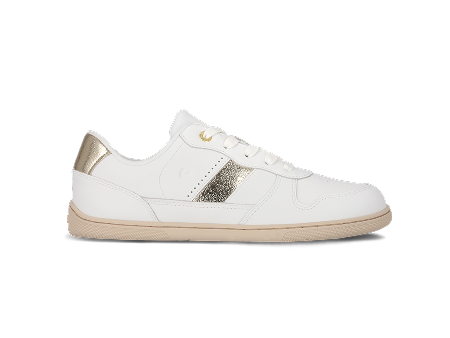
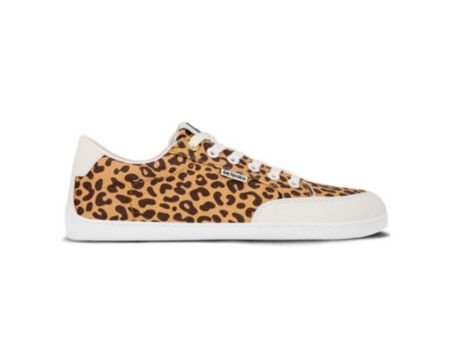
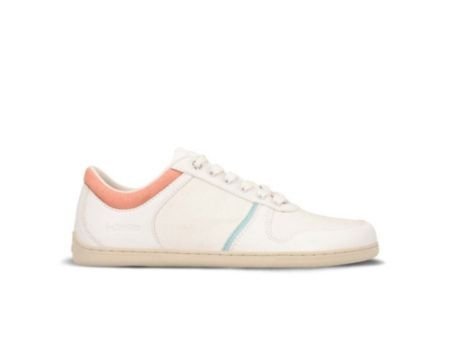
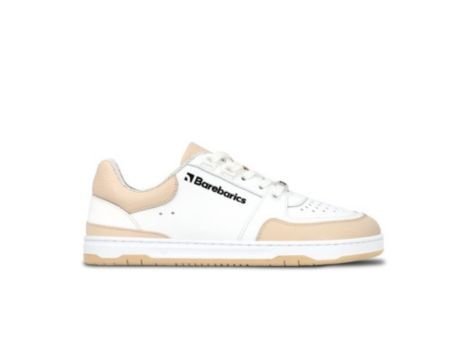
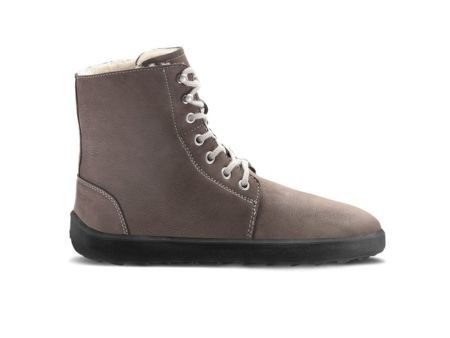
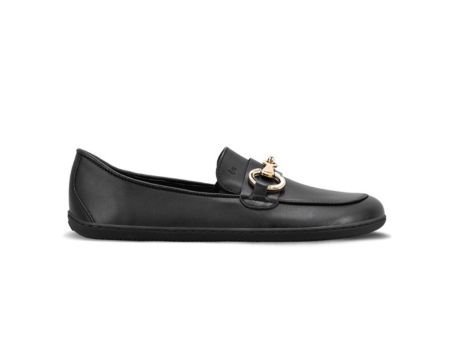
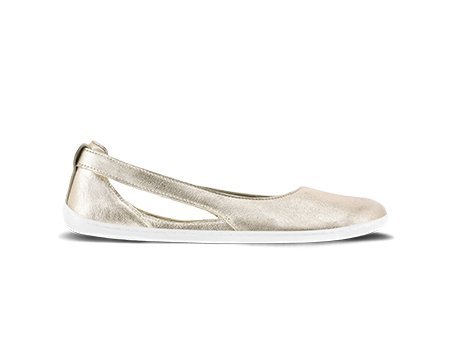
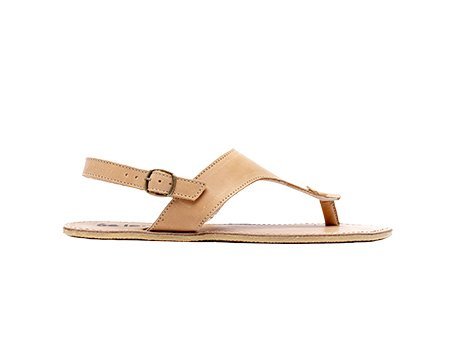
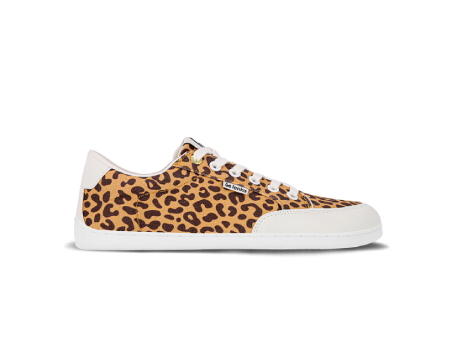
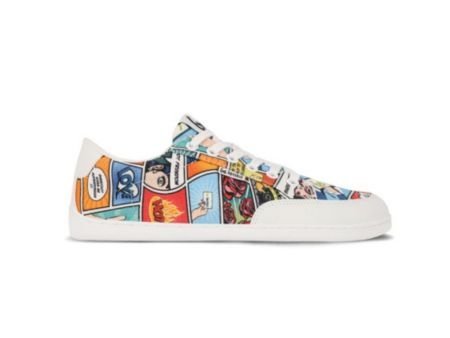
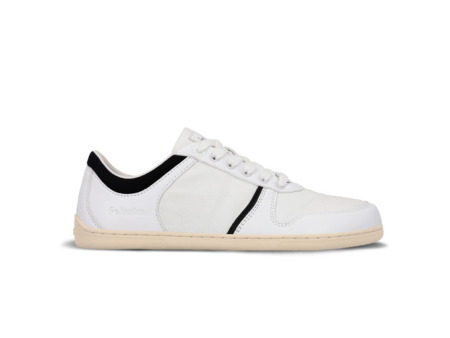
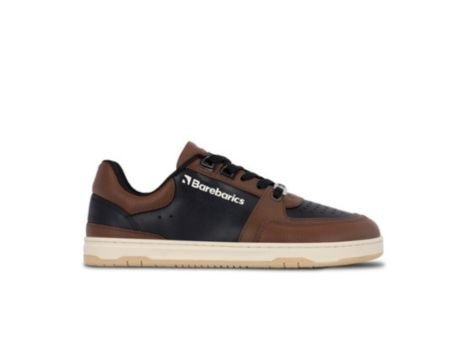
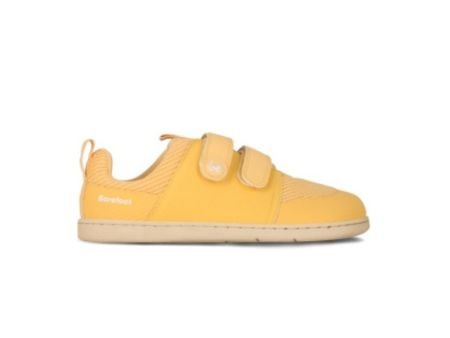
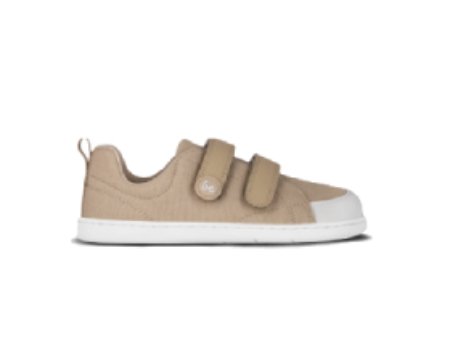
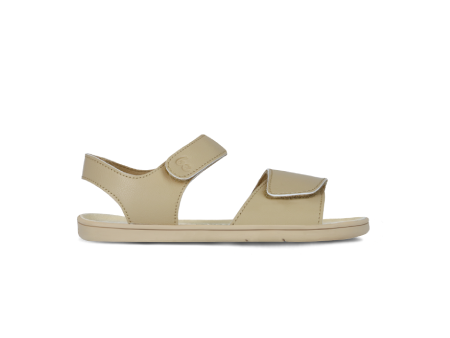


Women's Barefoot Shoes (179)


UrbanEdge



Atlas
PolarStride
Snowfox Woman
Winter Barefoot Boots
Glam
Allure
Phoenix
Elite
Swift
Sophie
Delight
Promenade
Grace
Summer
Flexi
Shoes shaped like a foot, not like a point. A wide toe box, a flexible sole and no raised heel, across sneakers, sandals, boots, flats and loafers. Find the pair that fits your week.
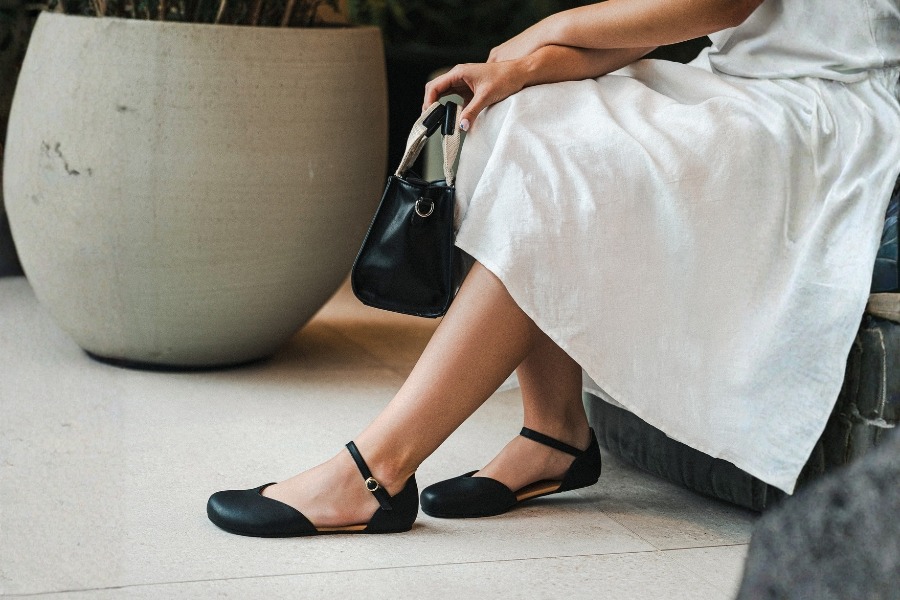
Women’s shoes have a shape problem
Most women’s footwear narrows toward the front and lifts the heel, however low. Over years that pushes the big toe inward, crowds the smaller toes and shifts your weight forward onto the ball of your foot. It is why so many women own shoes that look lovely and come off the moment they get home.
Barefoot shoes start from the shape a foot actually has: widest at the toes. Your toes spread instead of stacking, your foot bends where it naturally bends, and your heel stays level with your forefoot. Nothing about that has to look sporty — it is a different last, not a different aesthetic.
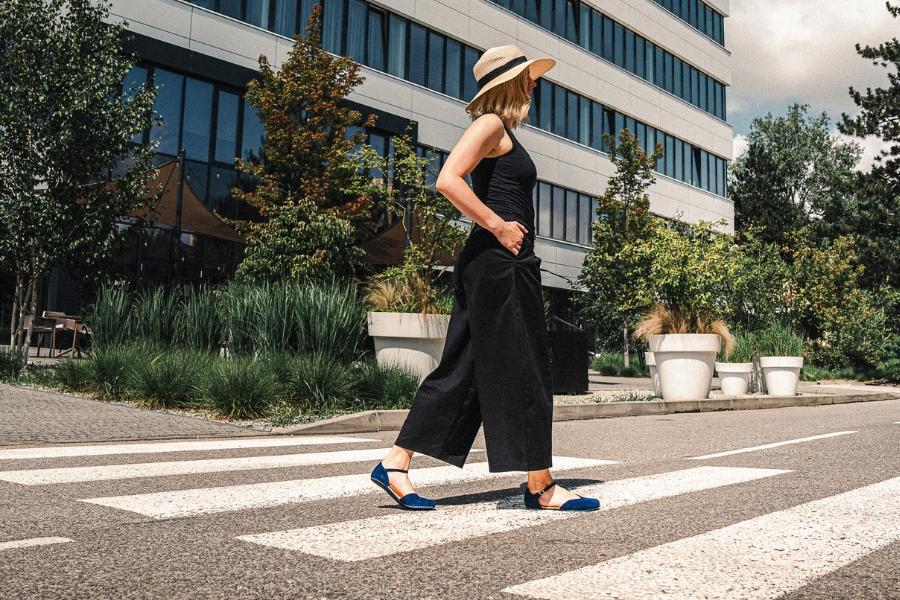
A pair for every part of the week
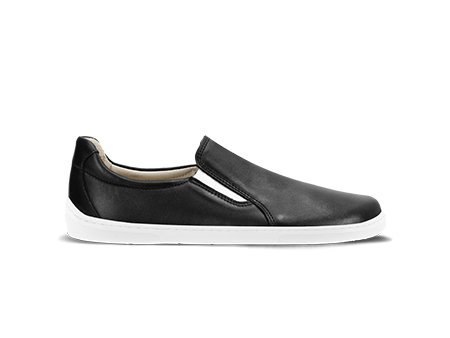
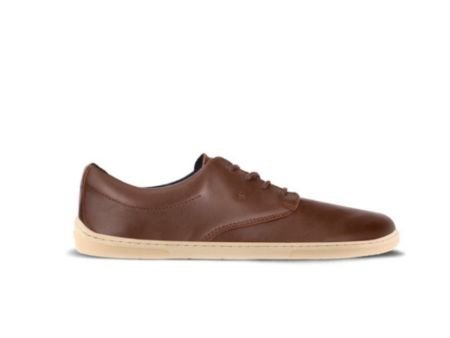
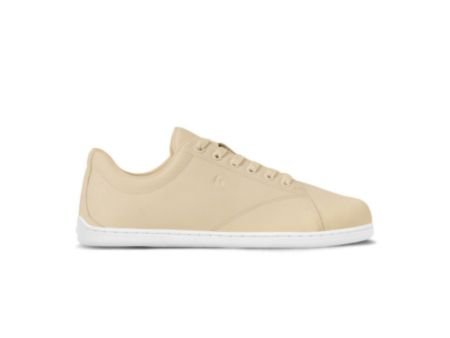
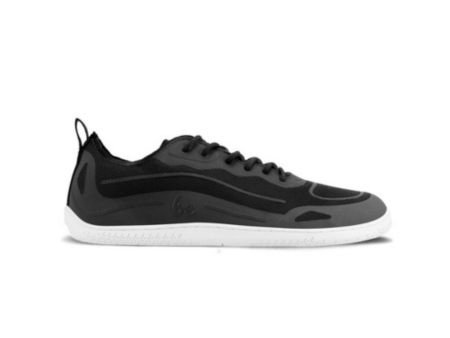
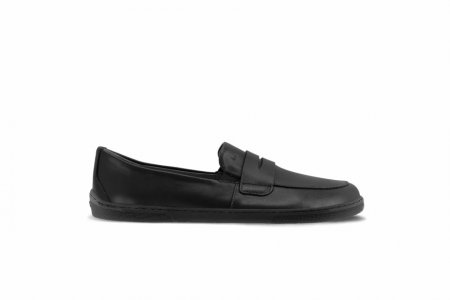
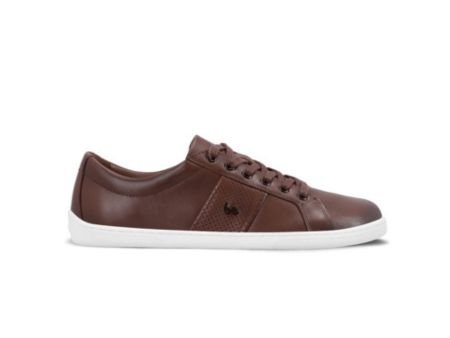
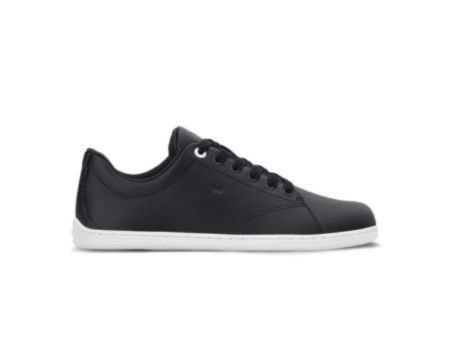
Women’s barefoot sneakers are the easiest starting point and cover most days. For the office, dress shoes, loafers and ballet flats keep a polished look with room at the front. When mornings are busy, slip-on shoes get you out the door without laces.
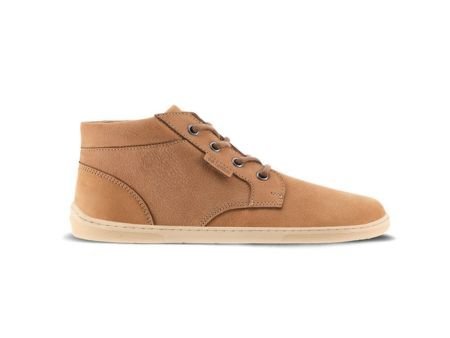
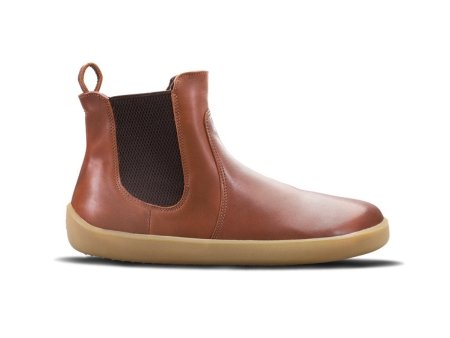
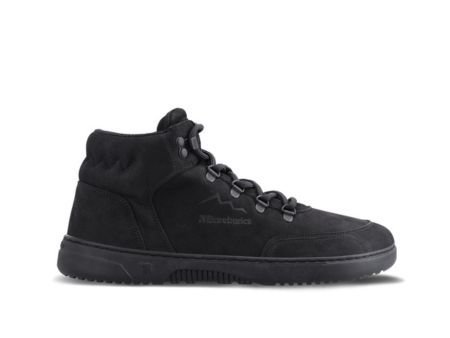
The seasons are covered too: sandals and summer shoes for heat, fall shoes for rain, winter boots and snow boots for cold. For trails, hiking shoes; for the gym, training shoes.
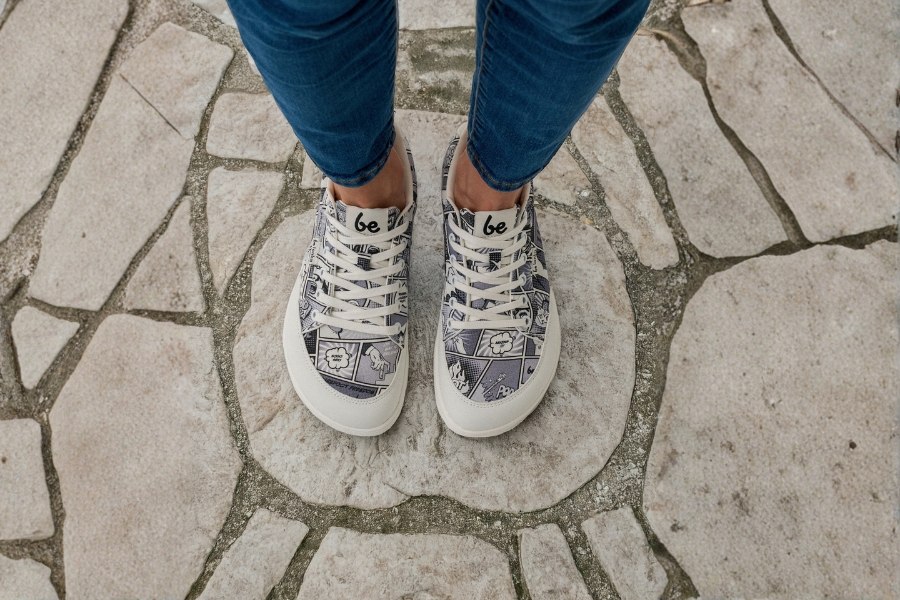
If your feet are wide, this is the part that matters
Wide feet, bunions and a longer second toe are the most common reasons women give for switching. A toe box that follows the natural spread of the toes means fewer pressure points, less rubbing along the big-toe joint and far less of the end-of-day ache.
A narrower heel with a wide forefoot is a common shape too, and one that conventional lasts handle badly. Measure both length and width and compare them with the size chart of the model you like, rather than ordering the US size you usually wear.
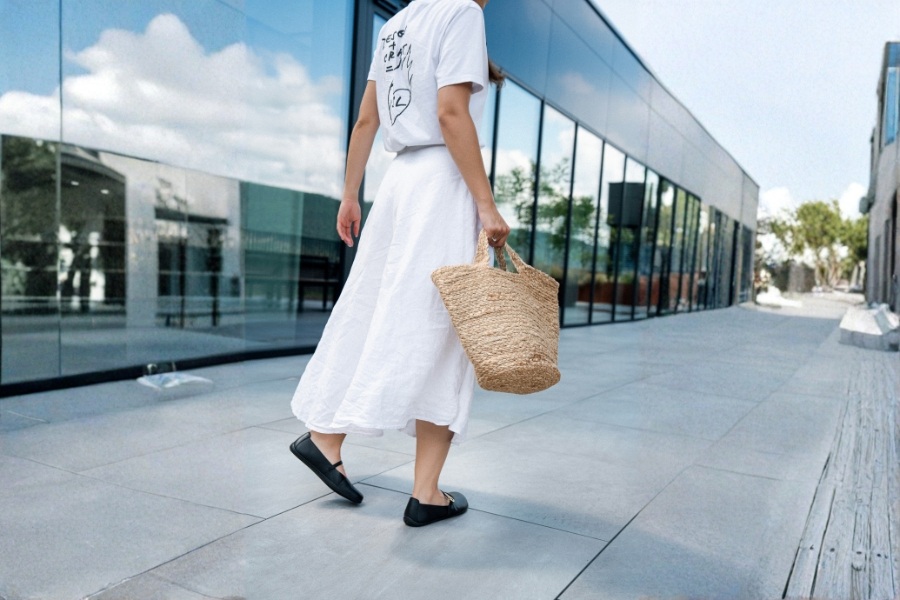
Take the transition slowly
If you are coming from cushioned or heeled shoes, your feet will need a few weeks. Calf muscles that have been held short by a raised heel need to lengthen, and the small muscles in your feet need to start working again. Start with an hour or two a day, alternate with your old shoes and build up. Mild soreness early on is normal; sharp pain means slow down.
Are barefoot shoes good for women with wide feet or bunions?
+ -They are one of the most common reasons women make the switch. The toe box follows the natural spread of the toes rather than tapering, so the big-toe joint is not pressed inward and the smaller toes have somewhere to go. Many women report fewer pressure points and less rubbing within a few weeks. Barefoot shoes do not reverse a bunion, but they remove the narrow toe box that aggravates it.
What size should I order in women’s barefoot shoes?
+ -Measure the length and width of your foot and compare both with the size chart for the specific model. Your usual US size is not a reliable guide, since every brand measures differently and barefoot shoes are designed to fit with more room at the front. If you are between two sizes, take the larger one — a shoe that pinches on day one will not improve with wear.
How long does it take to get used to barefoot shoes?
+ -Usually a few weeks, sometimes a couple of months. The adjustment is bigger if you have worn heels regularly, because your calves and Achilles tendon have adapted to a raised heel and need time to lengthen. Start with short stretches, alternate with your usual shoes and add time gradually.
Do barefoot shoes work with dresses and office outfits?
+ -Yes. Ballet flats, loafers and dress shoes keep the clean lines and neutral tones that office and dressy outfits call for, and the difference is in the last and the sole rather than the silhouette. Next to a conventional flat, the toe box is visibly rounder — which is simply the shape of a foot.